Are Aluminum Cans Safe for Drinking Water? Myths Debunked
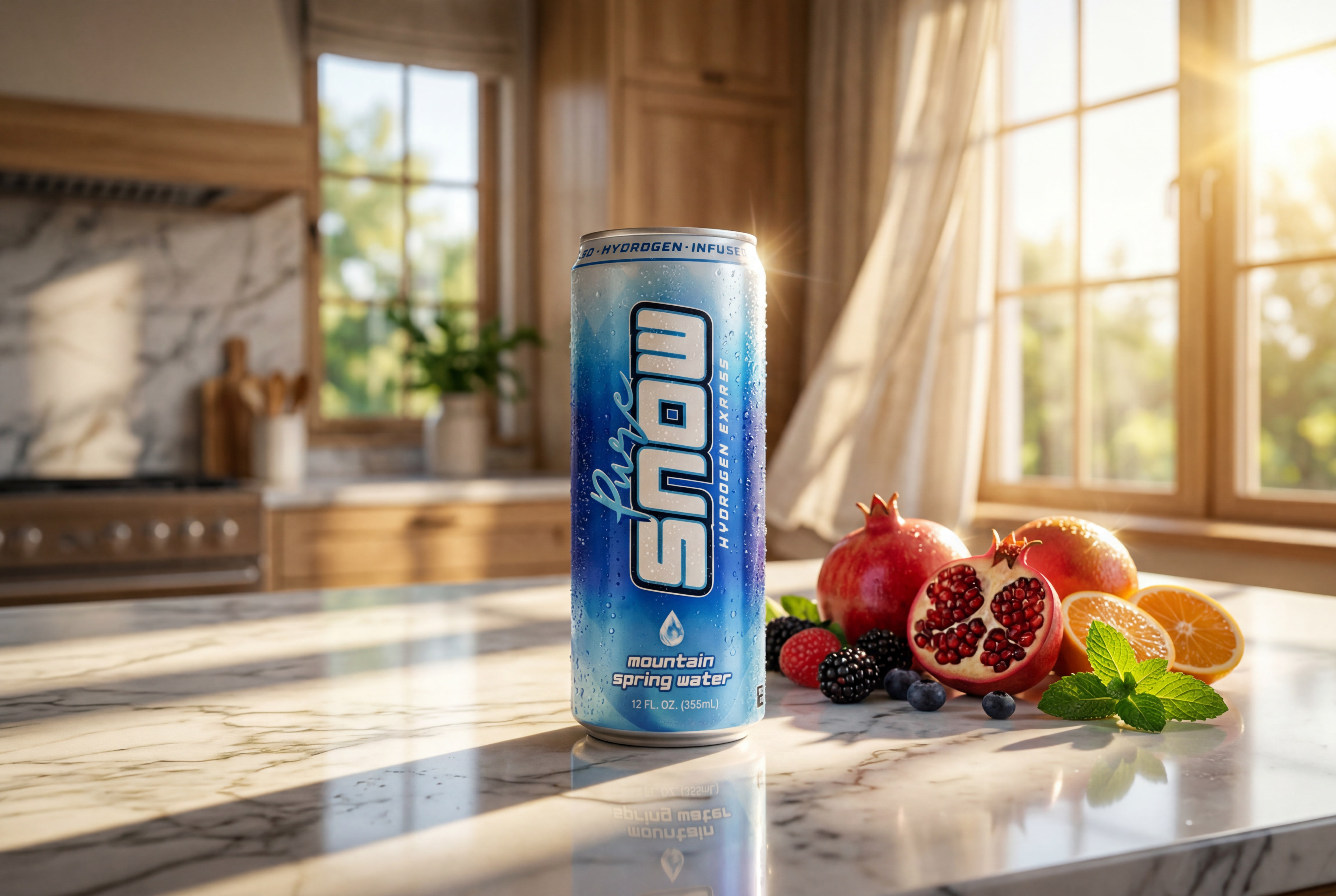
If you have been exploring hydrogen water this November 2026, you have probably noticed that most quality hydrogen water, including Pure Snow, comes in aluminum cans rather than plastic bottles. And that often raises an honest question: are aluminum cans safe for drinking water? It is a fair thing to ask, and the internet does not always make the answer easy to find. Along the way, you may have run into a few persistent misconceptions: that aluminum leaches dangerous metal into your water, that canned water always tastes metallic, and that plastic bottles are somehow the safer choice. Today, we want to walk through each of these myths, explain what is actually true, and show you why aluminum is not just safe for water, but uniquely suited for hydrogen water in particular.
MYTH 1: ALUMINUM CANS LEACH METAL INTO YOUR WATER
This is the biggest worry we hear, and it comes from an understandable place. People picture water sitting against bare metal for months and assume some of that metal must end up in the drink. Here is the reality: in a modern beverage can, your water never touches bare aluminum at all. Cans are manufactured with a food-grade interior lining that creates a barrier between the liquid and the metal itself. That lining is not an afterthought. It is a core part of how every beverage can is made, whether it holds sparkling water, juice, or hydrogen-infused spring water. According to the U.S. Food and Drug Administration, which regulates food-contact materials in the United States, beverage packaging and its linings must meet safety standards before products ever reach store shelves. Aluminum cans have been used for beverages for decades precisely because they are stable, protective, and well understood. So when you crack open a can of Pure Snow, what you are tasting is the water, not the container.
MYTH 2: CANNED WATER ALWAYS TASTES METALLIC
Some people swear they can taste metal in canned drinks, so they assume canned water must taste like pennies. In our experience, when a canned beverage tastes off, the culprit is almost never the can. It is usually the quality of what went into it. Because of the interior lining we just described, the water inside a sealed can is protected, not flavored, by its packaging. That is why base water quality matters so much. Pure Snow starts with Ouachita Mountain spring water from Arkansas, a source that has earned 19 honors from the Berkeley Springs International Water Tasting competition, including multiple Best Tasting Water in the World titles. We infuse that spring water with 2-3 PPM of molecular hydrogen and seal it in 12 oz hermetically sealed aluminum cans. You can read more about the source and the process on our how it works page. The short version: great water in, great water out. The can simply keeps it that way.
MYTH 3: PLASTIC BOTTLES ARE THE SAFER, SMARTER CHOICE
Plastic feels familiar, so many people assume it is the default safe option for bottled water. But when it comes to hydrogen water specifically, plastic has a serious problem: it cannot hold hydrogen. Molecular hydrogen is the smallest molecule in existence, and it slips right through plastic bottles and pouches, often within days. That means a hydrogen water product packaged in plastic may contain very little dissolved hydrogen by the time it reaches you, no matter what the label promised. Aluminum is different. It is impermeable to hydrogen, which means a hermetically sealed can keeps the hydrogen locked inside for months. For a product whose entire purpose is delivering dissolved molecular hydrogen, the packaging is not a cosmetic choice. It is the difference between getting what you paid for and getting ordinary water. If you want a deeper side-by-side look, we compared the two formats in our post on plastic vs aluminum hydrogen water.
WHY THE SEAL MATTERS AS MUCH AS THE MATERIAL
Safety is about more than what a container is made of. It is also about how well that container protects what is inside. A hermetic seal means the can is completely airtight, so nothing gets in and nothing gets out. No air exposure, no light degradation of the seal, no slow leak of hydrogen. This is why we always share one practical tip with new Pure Snow drinkers: once you open a can, finish it within 10 to 15 minutes. The can does its job perfectly while sealed, but once hydrogen is exposed to air, it begins to escape. If you are new to all of this, our overview of what hydrogen water is is a great place to start, and it helps explain why researchers have taken such interest in this tiny molecule. Over 1,000 peer-reviewed studies have explored molecular hydrogen in areas such as exercise recovery, oxidative stress, inflammation response, sleep quality, and energy. The research is still evolving, and we never claim hydrogen water treats or cures anything, but the science community's curiosity is real, and it all depends on the hydrogen actually being present when you drink. Aluminum makes that possible.
A QUICK WORD ON RECYCLING AND PRACTICALITY
Beyond safety, aluminum cans are endlessly recyclable, lightweight, quick to chill, and easy to toss in a bag for a workout, a hike, or a long day at a desk. They do not shatter, they do not degrade in a hot car the way plastic can, and they stack neatly in the fridge. For a daily hydration habit, that practicality matters just as much as the science.
KEY TAKEAWAY: Aluminum cans are a safe, well-regulated way to package drinking water, thanks to food-grade interior linings that keep water from ever touching bare metal. For hydrogen water specifically, aluminum is the best option available because it is impermeable to hydrogen, keeping the 2-3 PPM in every can of Pure Snow potent for months until you open it.
Ready to taste what award-winning spring water and real molecular hydrogen are like together? Try Pure Snow today, and if you do not love your first case, our 30-day taste guarantee means we will refund it, no questions asked.
FAQ
Q: Does the water in a Pure Snow can ever touch bare aluminum?
A: No. Like all modern beverage cans, Pure Snow cans have a food-grade interior lining that separates the water from the metal. What you taste is the Ouachita Mountain spring water itself, not the container.
Q: Why not just use plastic bottles for hydrogen water?
A: Molecular hydrogen is the smallest molecule there is, and it escapes through plastic bottles and pouches, often within days. Aluminum is impermeable to hydrogen, so a hermetically sealed can keeps the hydrogen locked in for months.
Q: How long do I have to drink a can after opening it?
A: For maximum potency, finish an open can within 10 to 15 minutes. Once the seal is broken and the water is exposed
Back to BlogMYTH 1: ALUMINUM CANS LEACH METAL INTO YOUR WATER
This is the biggest worry we hear, and it comes from an understandable place. People picture water sitting against bare metal for months and assume some of that metal must end up in the drink. Here is the reality: in a modern beverage can, your water never touches bare aluminum at all. Cans are manufactured with a food-grade interior lining that creates a barrier between the liquid and the metal itself. That lining is not an afterthought. It is a core part of how every beverage can is made, whether it holds sparkling water, juice, or hydrogen-infused spring water. According to the U.S. Food and Drug Administration, which regulates food-contact materials in the United States, beverage packaging and its linings must meet safety standards before products ever reach store shelves. Aluminum cans have been used for beverages for decades precisely because they are stable, protective, and well understood. So when you crack open a can of Pure Snow, what you are tasting is the water, not the container.
MYTH 2: CANNED WATER ALWAYS TASTES METALLIC
Some people swear they can taste metal in canned drinks, so they assume canned water must taste like pennies. In our experience, when a canned beverage tastes off, the culprit is almost never the can. It is usually the quality of what went into it. Because of the interior lining we just described, the water inside a sealed can is protected, not flavored, by its packaging. That is why base water quality matters so much. Pure Snow starts with Ouachita Mountain spring water from Arkansas, a source that has earned 19 honors from the Berkeley Springs International Water Tasting competition, including multiple Best Tasting Water in the World titles. We infuse that spring water with 2-3 PPM of molecular hydrogen and seal it in 12 oz hermetically sealed aluminum cans. You can read more about the source and the process on our how it works page. The short version: great water in, great water out. The can simply keeps it that way.
MYTH 3: PLASTIC BOTTLES ARE THE SAFER, SMARTER CHOICE
Plastic feels familiar, so many people assume it is the default safe option for bottled water. But when it comes to hydrogen water specifically, plastic has a serious problem: it cannot hold hydrogen. Molecular hydrogen is the smallest molecule in existence, and it slips right through plastic bottles and pouches, often within days. That means a hydrogen water product packaged in plastic may contain very little dissolved hydrogen by the time it reaches you, no matter what the label promised. Aluminum is different. It is impermeable to hydrogen, which means a hermetically sealed can keeps the hydrogen locked inside for months. For a product whose entire purpose is delivering dissolved molecular hydrogen, the packaging is not a cosmetic choice. It is the difference between getting what you paid for and getting ordinary water. If you want a deeper side-by-side look, we compared the two formats in our post on plastic vs aluminum hydrogen water.
WHY THE SEAL MATTERS AS MUCH AS THE MATERIAL
Safety is about more than what a container is made of. It is also about how well that container protects what is inside. A hermetic seal means the can is completely airtight, so nothing gets in and nothing gets out. No air exposure, no light degradation of the seal, no slow leak of hydrogen. This is why we always share one practical tip with new Pure Snow drinkers: once you open a can, finish it within 10 to 15 minutes. The can does its job perfectly while sealed, but once hydrogen is exposed to air, it begins to escape. If you are new to all of this, our overview of what hydrogen water is is a great place to start, and it helps explain why researchers have taken such interest in this tiny molecule. Over 1,000 peer-reviewed studies have explored molecular hydrogen in areas such as exercise recovery, oxidative stress, inflammation response, sleep quality, and energy. The research is still evolving, and we never claim hydrogen water treats or cures anything, but the science community's curiosity is real, and it all depends on the hydrogen actually being present when you drink. Aluminum makes that possible.
A QUICK WORD ON RECYCLING AND PRACTICALITY
Beyond safety, aluminum cans are endlessly recyclable, lightweight, quick to chill, and easy to toss in a bag for a workout, a hike, or a long day at a desk. They do not shatter, they do not degrade in a hot car the way plastic can, and they stack neatly in the fridge. For a daily hydration habit, that practicality matters just as much as the science.
KEY TAKEAWAY: Aluminum cans are a safe, well-regulated way to package drinking water, thanks to food-grade interior linings that keep water from ever touching bare metal. For hydrogen water specifically, aluminum is the best option available because it is impermeable to hydrogen, keeping the 2-3 PPM in every can of Pure Snow potent for months until you open it.
Ready to taste what award-winning spring water and real molecular hydrogen are like together? Try Pure Snow today, and if you do not love your first case, our 30-day taste guarantee means we will refund it, no questions asked.
FAQ
Q: Does the water in a Pure Snow can ever touch bare aluminum?
A: No. Like all modern beverage cans, Pure Snow cans have a food-grade interior lining that separates the water from the metal. What you taste is the Ouachita Mountain spring water itself, not the container.
Q: Why not just use plastic bottles for hydrogen water?
A: Molecular hydrogen is the smallest molecule there is, and it escapes through plastic bottles and pouches, often within days. Aluminum is impermeable to hydrogen, so a hermetically sealed can keeps the hydrogen locked in for months.
Q: How long do I have to drink a can after opening it?
A: For maximum potency, finish an open can within 10 to 15 minutes. Once the seal is broken and the water is exposed
