What Is a Therapeutic Dose of Hydrogen Water? Casual Sipping vs. Targeted Dosing
If you've been curious about hydrogen water this September 2026, you've probably noticed that not all products, and not all drinking habits, deliver the same results. One of the most common questions we hear at Pure Snow is deceptively simple: what is a therapeutic dose of hydrogen water? The answer matters more than most people realize, because there's a meaningful difference between casually sipping low-concentration hydrogen water and intentionally consuming enough molecular hydrogen to reach the levels used in clinical research. In this post, we'll compare those two approaches side by side so you can decide which one fits your goals, and how to actually hit a therapeutic dose without guesswork.
WHAT RESEARCHERS MEAN BY A THERAPEUTIC DOSE
A therapeutic dose refers to the amount of a substance needed to produce a measurable physiological effect, the kind of effect observed in controlled studies. With hydrogen water, the dose isn't just about how many ounces you drink. It's determined by two factors working together: the concentration of dissolved molecular hydrogen in the water, measured in parts per million or PPM, and the total volume you consume. Multiply concentration by volume and you get your total hydrogen intake, usually expressed in milligrams.
Most human studies showing benefits, from reduced markers of oxidative stress to improved exercise recovery, have used daily hydrogen intakes ranging from roughly 1 to 3 milligrams of molecular hydrogen. According to a comprehensive review published in Pharmacology and Therapeutics, molecular hydrogen has demonstrated preventive and therapeutic potential across a wide range of models, and the research consistently points to the importance of delivering an adequate dose rather than trace amounts. In practical terms, that means drinking water with a hydrogen concentration of at least 1.0 PPM, and ideally higher, in sufficient daily volume.
APPROACH ONE: CASUAL SIPPING OF LOW-CONCENTRATION HYDROGEN WATER
The first approach is the one most people accidentally fall into. They buy a hydrogen water product, often one packaged in plastic or generated by an underpowered home device, and sip it throughout the day without paying attention to concentration or timing. Here's the problem: molecular hydrogen is the smallest molecule in existence, and it escapes from water remarkably fast. Plastic bottles are permeable to hydrogen gas, which means a product that started at a decent concentration may contain almost none by the time you drink it. Home generators frequently produce concentrations well below 1.0 PPM, and an opened container loses hydrogen steadily with every passing minute.
If you drink 500 milliliters of water at 0.3 PPM, you've consumed just 0.15 milligrams of hydrogen, a fraction of the doses used in studies that showed real effects. You're drinking hydrogen water in name, but not in dose. This is why some people try hydrogen water and report feeling nothing. The approach isn't wrong because hydrogen doesn't work; it's wrong because the math doesn't add up.
APPROACH TWO: TARGETED DOSING WITH HIGH-CONCENTRATION HYDROGEN WATER
The second approach treats hydrogen water the way researchers do: as a dose-dependent intervention. That means choosing a product with a verified, high hydrogen concentration, consuming it promptly after opening, and drinking enough total volume each day to reach the 1 to 3 milligram range associated with benefits.
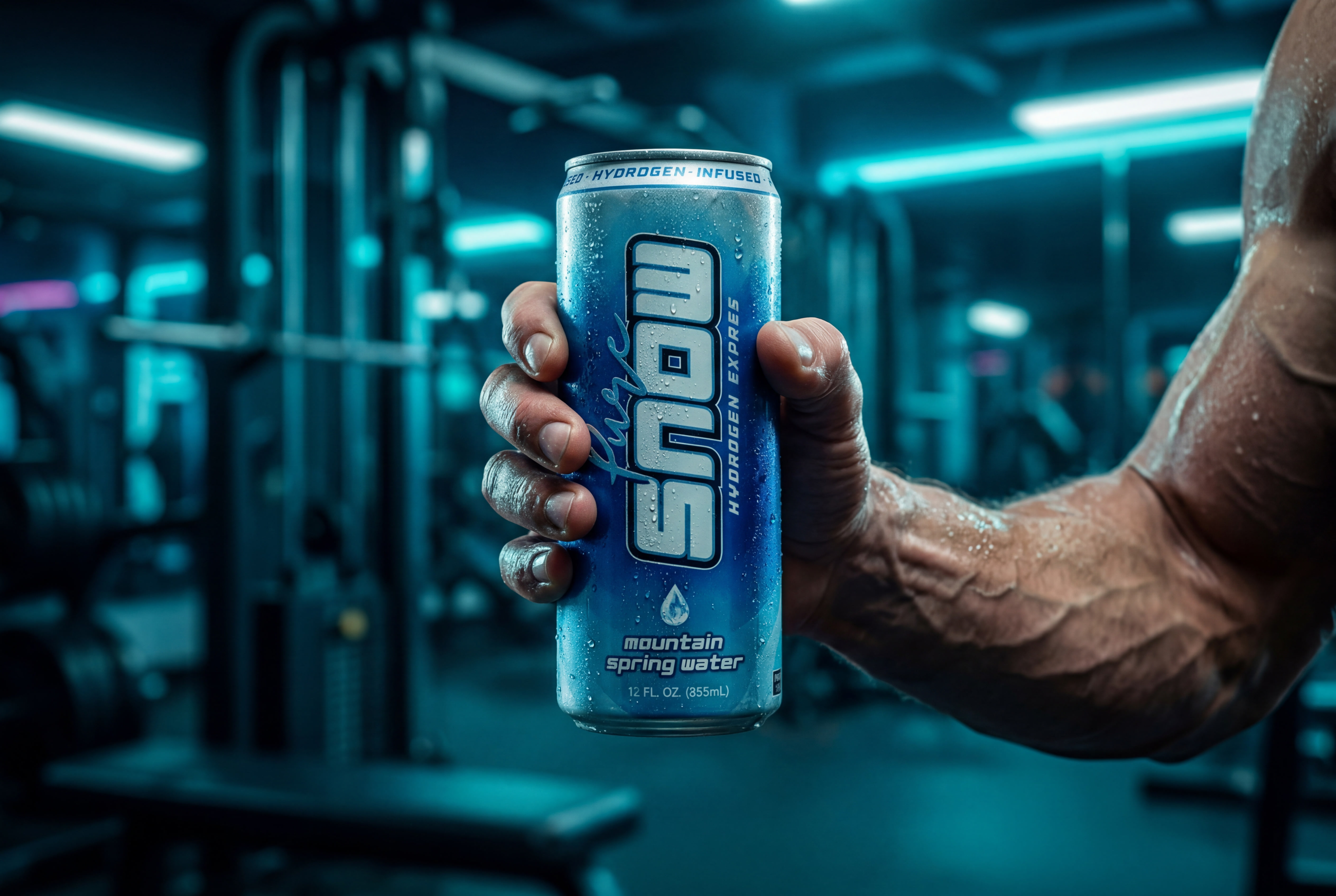
Let's run the numbers. If you drink a 16-ounce serving of hydrogen water at 2.0 PPM or higher, you're getting roughly 1 milligram of molecular hydrogen in a single sitting. Two servings per day puts you comfortably within the therapeutic window seen in clinical literature. Packaging plays a huge role here. Aluminum cans are essentially impermeable to hydrogen gas, which is why Pure Snow uses aluminum cans to lock in high PPM levels from the moment of infusion until the moment you crack one open. Compare that with plastic bottles, where hydrogen can dissipate significantly during shipping and shelf storage, and the advantage becomes obvious.
Timing matters too. Because hydrogen begins escaping once a container is opened, the targeted approach means drinking your serving within a few minutes rather than nursing it over an hour. Small habit change, big difference in delivered dose.
WHICH APPROACH SHOULD YOU CHOOSE?
If your goal is simply hydration with a possible bonus, casual sipping is harmless, water is water, and you'll stay hydrated either way. But if you're drinking hydrogen water for the reasons the research highlights, such as antioxidant support, recovery, and cellular health, then targeted dosing is the only approach that makes sense. You wouldn't take a quarter of a vitamin and expect full results, and hydrogen water works the same way.
The targeted approach comes down to three checkpoints. First, verify the concentration: look for products that test at 1.0 PPM or higher at the time of consumption, not just at bottling. Second, check the packaging: aluminum retains hydrogen dramatically better than plastic. Third, be consistent: research protocols typically involve daily consumption over weeks, not a single can now and then. Consistency is where subscription models genuinely help, and Pure Snow's subscribe and save options were designed specifically so that daily therapeutic dosing stays affordable and automatic.
HOW MUCH SHOULD YOU ACTUALLY DRINK PER DAY?
For most healthy adults aiming for a therapeutic dose, one to two servings of high-concentration hydrogen water daily is a sensible target. That typically delivers 1 to 3 milligrams of molecular hydrogen, mirroring the doses used in human trials. There's no known toxicity ceiling for molecular hydrogen at these levels; any excess simply diffuses out of the body harmlessly. Many people time one serving in the morning and another around exercise, when oxidative stress naturally spikes and hydrogen's selective antioxidant activity may be most useful. As always, if you have a medical condition or take medications, check with your healthcare provider before adding any new wellness practice to your routine.
KEY TAKEAWAY: A therapeutic dose of hydrogen water is roughly 1 to 3 milligrams of molecular hydrogen per day, which requires water with a concentration of at least 1.0 PPM consumed promptly after opening. Casual sipping of low-PPM products rarely gets you there, while targeted dosing with high-concentration, aluminum-canned hydrogen water reliably does.
If you're ready to stop guessing and start getting a true therapeutic dose, Pure Snow's high-PPM hydrogen-infused mountain spring water makes it effortless. Visit the Pure Snow shop to try a case and taste the difference precision dosing makes.
FAQ
Q: How many milligrams of hydrogen do I need per day for benefits?
A: Most human studies showing positive effects used roughly 1 to 3 milligrams of molecular hydrogen daily. You can reach that range with one to two servings of hydrogen water at 2.0 PPM or higher. Consistency over weeks matters as much as the daily amount.
Q: Does drinking more hydrogen water than the therapeutic dose cause harm?
A: No known harm has been associated with exceeding typical doses of hydrogen water. Molecular hydrogen is naturally produced by gut bacteria, and any excess simply diffuses out of the body through the lungs. That said, staying within one to three servings daily covers the researched range.
Q: Why does packaging affect whether I get a therapeutic dose?
A: Molecular hydrogen is the smallest molecule in the universe and escapes easily through plastic. Aluminum cans are effectively impermeable to hydrogen gas, so canned hydrogen water retains its stated PPM far better from production to your first sip. Always drink your serving soon after opening to capture the full dose.
Back to BlogWHAT RESEARCHERS MEAN BY A THERAPEUTIC DOSE
A therapeutic dose refers to the amount of a substance needed to produce a measurable physiological effect, the kind of effect observed in controlled studies. With hydrogen water, the dose isn't just about how many ounces you drink. It's determined by two factors working together: the concentration of dissolved molecular hydrogen in the water, measured in parts per million or PPM, and the total volume you consume. Multiply concentration by volume and you get your total hydrogen intake, usually expressed in milligrams.
Most human studies showing benefits, from reduced markers of oxidative stress to improved exercise recovery, have used daily hydrogen intakes ranging from roughly 1 to 3 milligrams of molecular hydrogen. According to a comprehensive review published in Pharmacology and Therapeutics, molecular hydrogen has demonstrated preventive and therapeutic potential across a wide range of models, and the research consistently points to the importance of delivering an adequate dose rather than trace amounts. In practical terms, that means drinking water with a hydrogen concentration of at least 1.0 PPM, and ideally higher, in sufficient daily volume.
APPROACH ONE: CASUAL SIPPING OF LOW-CONCENTRATION HYDROGEN WATER
The first approach is the one most people accidentally fall into. They buy a hydrogen water product, often one packaged in plastic or generated by an underpowered home device, and sip it throughout the day without paying attention to concentration or timing. Here's the problem: molecular hydrogen is the smallest molecule in existence, and it escapes from water remarkably fast. Plastic bottles are permeable to hydrogen gas, which means a product that started at a decent concentration may contain almost none by the time you drink it. Home generators frequently produce concentrations well below 1.0 PPM, and an opened container loses hydrogen steadily with every passing minute.
If you drink 500 milliliters of water at 0.3 PPM, you've consumed just 0.15 milligrams of hydrogen, a fraction of the doses used in studies that showed real effects. You're drinking hydrogen water in name, but not in dose. This is why some people try hydrogen water and report feeling nothing. The approach isn't wrong because hydrogen doesn't work; it's wrong because the math doesn't add up.
APPROACH TWO: TARGETED DOSING WITH HIGH-CONCENTRATION HYDROGEN WATER
The second approach treats hydrogen water the way researchers do: as a dose-dependent intervention. That means choosing a product with a verified, high hydrogen concentration, consuming it promptly after opening, and drinking enough total volume each day to reach the 1 to 3 milligram range associated with benefits.
Let's run the numbers. If you drink a 16-ounce serving of hydrogen water at 2.0 PPM or higher, you're getting roughly 1 milligram of molecular hydrogen in a single sitting. Two servings per day puts you comfortably within the therapeutic window seen in clinical literature. Packaging plays a huge role here. Aluminum cans are essentially impermeable to hydrogen gas, which is why Pure Snow uses aluminum cans to lock in high PPM levels from the moment of infusion until the moment you crack one open. Compare that with plastic bottles, where hydrogen can dissipate significantly during shipping and shelf storage, and the advantage becomes obvious.
Timing matters too. Because hydrogen begins escaping once a container is opened, the targeted approach means drinking your serving within a few minutes rather than nursing it over an hour. Small habit change, big difference in delivered dose.
WHICH APPROACH SHOULD YOU CHOOSE?
If your goal is simply hydration with a possible bonus, casual sipping is harmless, water is water, and you'll stay hydrated either way. But if you're drinking hydrogen water for the reasons the research highlights, such as antioxidant support, recovery, and cellular health, then targeted dosing is the only approach that makes sense. You wouldn't take a quarter of a vitamin and expect full results, and hydrogen water works the same way.
The targeted approach comes down to three checkpoints. First, verify the concentration: look for products that test at 1.0 PPM or higher at the time of consumption, not just at bottling. Second, check the packaging: aluminum retains hydrogen dramatically better than plastic. Third, be consistent: research protocols typically involve daily consumption over weeks, not a single can now and then. Consistency is where subscription models genuinely help, and Pure Snow's subscribe and save options were designed specifically so that daily therapeutic dosing stays affordable and automatic.
HOW MUCH SHOULD YOU ACTUALLY DRINK PER DAY?
For most healthy adults aiming for a therapeutic dose, one to two servings of high-concentration hydrogen water daily is a sensible target. That typically delivers 1 to 3 milligrams of molecular hydrogen, mirroring the doses used in human trials. There's no known toxicity ceiling for molecular hydrogen at these levels; any excess simply diffuses out of the body harmlessly. Many people time one serving in the morning and another around exercise, when oxidative stress naturally spikes and hydrogen's selective antioxidant activity may be most useful. As always, if you have a medical condition or take medications, check with your healthcare provider before adding any new wellness practice to your routine.
KEY TAKEAWAY: A therapeutic dose of hydrogen water is roughly 1 to 3 milligrams of molecular hydrogen per day, which requires water with a concentration of at least 1.0 PPM consumed promptly after opening. Casual sipping of low-PPM products rarely gets you there, while targeted dosing with high-concentration, aluminum-canned hydrogen water reliably does.
If you're ready to stop guessing and start getting a true therapeutic dose, Pure Snow's high-PPM hydrogen-infused mountain spring water makes it effortless. Visit the Pure Snow shop to try a case and taste the difference precision dosing makes.
FAQ
Q: How many milligrams of hydrogen do I need per day for benefits?
A: Most human studies showing positive effects used roughly 1 to 3 milligrams of molecular hydrogen daily. You can reach that range with one to two servings of hydrogen water at 2.0 PPM or higher. Consistency over weeks matters as much as the daily amount.
Q: Does drinking more hydrogen water than the therapeutic dose cause harm?
A: No known harm has been associated with exceeding typical doses of hydrogen water. Molecular hydrogen is naturally produced by gut bacteria, and any excess simply diffuses out of the body through the lungs. That said, staying within one to three servings daily covers the researched range.
Q: Why does packaging affect whether I get a therapeutic dose?
A: Molecular hydrogen is the smallest molecule in the universe and escapes easily through plastic. Aluminum cans are effectively impermeable to hydrogen gas, so canned hydrogen water retains its stated PPM far better from production to your first sip. Always drink your serving soon after opening to capture the full dose.