What Is the Therapeutic Dose of Hydrogen Water? What You Need to Know
If you've been exploring hydrogen water in June 2026, one of the first practical questions that comes up is: how much do you actually need to drink to experience real benefits? It's a fair question, and the answer matters more than most people realize. Drinking hydrogen water without understanding the concept of a therapeutic dose is a bit like taking half a vitamin and wondering why you don't feel anything. The dose determines the effect, and with molecular hydrogen, there's a meaningful threshold worth knowing about.
WHAT DOES "THERAPEUTIC DOSE" MEAN IN THE CONTEXT OF HYDROGEN WATER?
A therapeutic dose refers to the minimum amount of a substance needed to produce a measurable biological effect. In the world of hydrogen water, this concept applies to both the concentration of dissolved hydrogen in the water and the volume you consume. These two factors work together. You can drink a large amount of water with very low hydrogen concentration and still fall short of what researchers consider an effective intake. On the flip side, a small can of highly concentrated hydrogen water can deliver exactly what your body needs to engage its antioxidant and anti-inflammatory pathways.
The scientific community has been working toward clearer guidelines on this for years. Most peer-reviewed studies examining hydrogen water's effects on oxidative stress, inflammation, and metabolic markers have used daily intakes ranging from 0.5 to 1.6 milligrams of molecular hydrogen per day. That's the range researchers associate with measurable outcomes in human subjects. Some studies push slightly higher for specific conditions, but 1.0 to 1.6 mg/day appears to be the sweet spot most consistently tied to positive results.
HOW DOES HYDROGEN CONCENTRATION AFFECT YOUR DOSE?
This is where PPM — parts per million — becomes critically important. PPM measures how many milligrams of dissolved hydrogen gas are present per liter of water. A product sitting at 0.1 PPM is essentially offering trace amounts of hydrogen. A product at 1.6 PPM per liter delivers roughly the lower end of a therapeutic dose in one full liter of consumption. But here's the practical challenge: most people aren't drinking a full liter from a single source in one sitting.
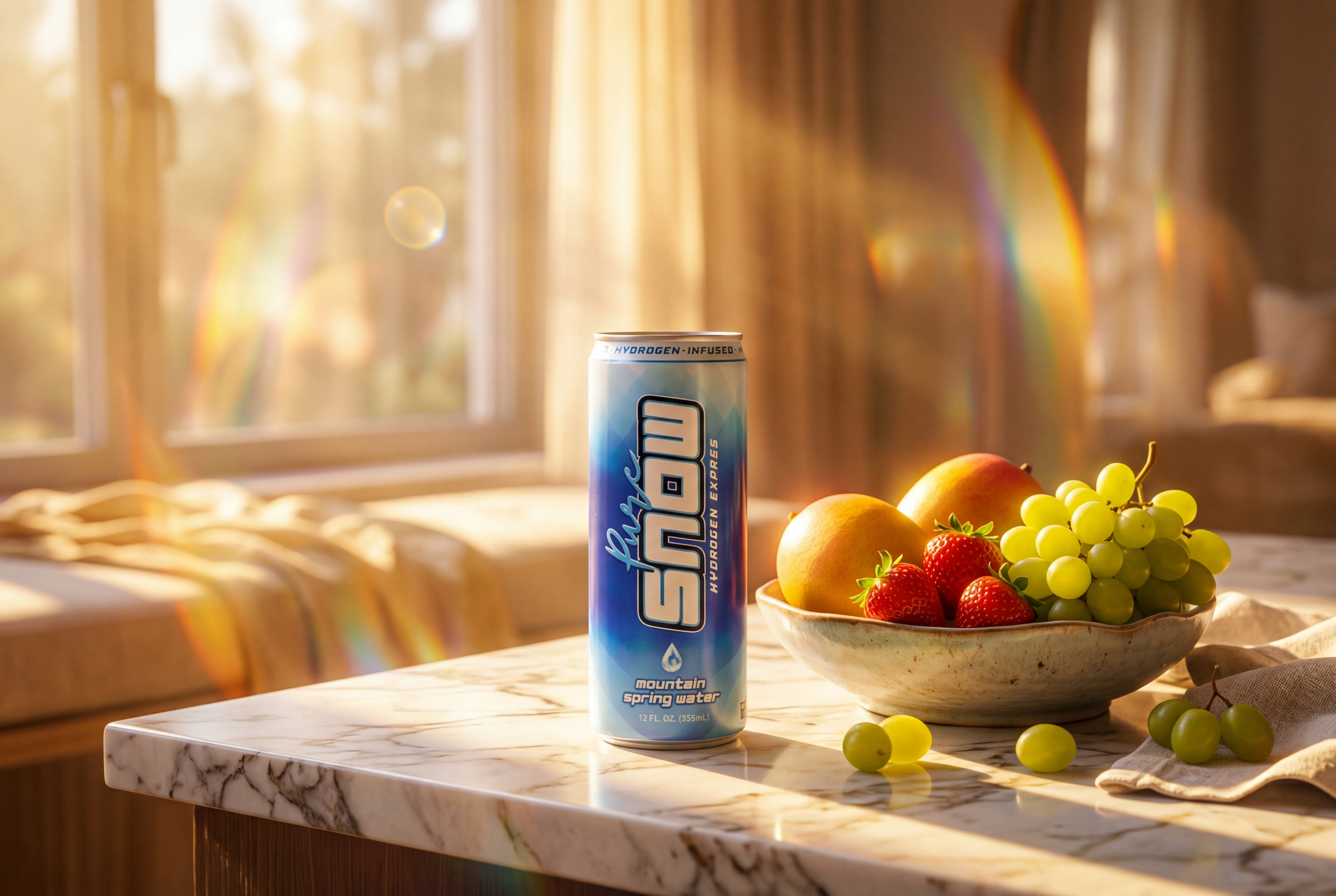
This is why concentration matters so much at the product level. Pure Snow hydrogen water is engineered to deliver a meaningful concentration in a convenient, sealed aluminum can — designed specifically to preserve dissolved hydrogen until the moment you open it. Aluminum cans create an airtight seal that prevents hydrogen from escaping before you drink it, which is something that plastic bottles and open containers simply cannot guarantee. If the hydrogen has already off-gassed before you take a sip, no amount of volume will get you to a therapeutic dose.
WHAT DOES THE RESEARCH SAY ABOUT EFFECTIVE DOSING?
According to a study published in Medical Gas Research, molecular hydrogen demonstrates biological activity at relatively low doses, with consistent findings showing that daily consumption within the 1.0 to 1.6 mg range supports reductions in oxidative stress markers and improvements in inflammatory response. The researchers emphasized that hydrogen concentration and delivery method are both essential variables — not just volume consumed.
This is why the conversation around therapeutic dosing isn't just about telling you to "drink more water." It's about understanding whether the product you're using is actually capable of delivering hydrogen at a concentration that reaches therapeutic relevance. Many products on the market simply don't make it there.
HOW MANY CANS PER DAY IS REALISTIC?
For most healthy adults looking to support recovery, reduce oxidative stress, or simply maintain general wellness, one to two cans of high-concentration hydrogen water per day appears to align well with the dosing ranges used in clinical research. Timing also plays a role in how effective that dose feels. Many users report the greatest benefit when consuming hydrogen water in the morning before eating, or immediately after physical activity when oxidative stress is elevated and cellular demand is highest.
If you have a specific health focus — such as supporting brain function, managing inflammation from training, or optimizing energy levels — some researchers and practitioners suggest front-loading your intake around the times of day when your body is under the most physiological demand. This isn't about drinking more; it's about drinking smarter.
WHAT UNDERMINES A THERAPEUTIC DOSE WITHOUT YOU KNOWING?
Several factors can quietly reduce your effective hydrogen intake even when you think you're doing everything right. Hydrogen gas is the smallest molecule in existence, which means it escapes through permeable materials and seals that aren't airtight. If your hydrogen water has been sitting open, stored in plastic, or exposed to heat, a significant portion of the dissolved hydrogen may already be gone before you drink it.
Freshness and packaging integrity are non-negotiable when it comes to achieving a real therapeutic dose. That's one of the reasons Pure Snow was built around sealed aluminum cans sourced from mountain spring water — every element of the product is designed to protect hydrogen concentration from production to your first sip. If you're curious about how the science behind hydrogen water translates into what's actually in each can, the Pure Snow FAQ covers many of the most common questions around concentration, packaging, and daily use.
KEY TAKEAWAY: A therapeutic dose of hydrogen water generally falls between 1.0 and 1.6 mg of molecular hydrogen per day, but achieving it requires both a high-concentration product and packaging that preserves hydrogen until the moment you drink it.
Ready to experience hydrogen water the way the research intends? Explore what makes Pure Snow different and discover a product built around therapeutic-level hydrogen delivery. Try Pure Snow today and give your body the dose that actually counts.
FAQ
Q: Is there such a thing as too much hydrogen water?
A: Current research does not indicate toxicity from higher hydrogen water intake, as excess molecular hydrogen is simply exhaled. That said, most benefits documented in studies occur within the 1.0 to 1.6 mg per day range, so more isn't necessarily better — consistency and concentration matter more than volume.
Q: Does timing matter when drinking hydrogen water for a therapeutic effect?
A: Timing can enhance the practical impact of your dose. Consuming hydrogen water in the morning or immediately post-exercise appears to align with periods of elevated oxidative stress, which may allow molecular hydrogen to engage its antioxidant activity most effectively.
Q: How do I know if my hydrogen water has enough concentration to be therapeutic?
A: Look for products that clearly state their PPM (parts per million) and use airtight aluminum packaging. A concentration of 1.0 PPM or higher in a sealed can consumed promptly after opening is a strong indicator that you're within therapeutic range based on current research standards.
Back to BlogWHAT DOES "THERAPEUTIC DOSE" MEAN IN THE CONTEXT OF HYDROGEN WATER?
A therapeutic dose refers to the minimum amount of a substance needed to produce a measurable biological effect. In the world of hydrogen water, this concept applies to both the concentration of dissolved hydrogen in the water and the volume you consume. These two factors work together. You can drink a large amount of water with very low hydrogen concentration and still fall short of what researchers consider an effective intake. On the flip side, a small can of highly concentrated hydrogen water can deliver exactly what your body needs to engage its antioxidant and anti-inflammatory pathways.
The scientific community has been working toward clearer guidelines on this for years. Most peer-reviewed studies examining hydrogen water's effects on oxidative stress, inflammation, and metabolic markers have used daily intakes ranging from 0.5 to 1.6 milligrams of molecular hydrogen per day. That's the range researchers associate with measurable outcomes in human subjects. Some studies push slightly higher for specific conditions, but 1.0 to 1.6 mg/day appears to be the sweet spot most consistently tied to positive results.
HOW DOES HYDROGEN CONCENTRATION AFFECT YOUR DOSE?
This is where PPM — parts per million — becomes critically important. PPM measures how many milligrams of dissolved hydrogen gas are present per liter of water. A product sitting at 0.1 PPM is essentially offering trace amounts of hydrogen. A product at 1.6 PPM per liter delivers roughly the lower end of a therapeutic dose in one full liter of consumption. But here's the practical challenge: most people aren't drinking a full liter from a single source in one sitting.
This is why concentration matters so much at the product level. Pure Snow hydrogen water is engineered to deliver a meaningful concentration in a convenient, sealed aluminum can — designed specifically to preserve dissolved hydrogen until the moment you open it. Aluminum cans create an airtight seal that prevents hydrogen from escaping before you drink it, which is something that plastic bottles and open containers simply cannot guarantee. If the hydrogen has already off-gassed before you take a sip, no amount of volume will get you to a therapeutic dose.
WHAT DOES THE RESEARCH SAY ABOUT EFFECTIVE DOSING?
According to a study published in Medical Gas Research, molecular hydrogen demonstrates biological activity at relatively low doses, with consistent findings showing that daily consumption within the 1.0 to 1.6 mg range supports reductions in oxidative stress markers and improvements in inflammatory response. The researchers emphasized that hydrogen concentration and delivery method are both essential variables — not just volume consumed.
This is why the conversation around therapeutic dosing isn't just about telling you to "drink more water." It's about understanding whether the product you're using is actually capable of delivering hydrogen at a concentration that reaches therapeutic relevance. Many products on the market simply don't make it there.
HOW MANY CANS PER DAY IS REALISTIC?
For most healthy adults looking to support recovery, reduce oxidative stress, or simply maintain general wellness, one to two cans of high-concentration hydrogen water per day appears to align well with the dosing ranges used in clinical research. Timing also plays a role in how effective that dose feels. Many users report the greatest benefit when consuming hydrogen water in the morning before eating, or immediately after physical activity when oxidative stress is elevated and cellular demand is highest.
If you have a specific health focus — such as supporting brain function, managing inflammation from training, or optimizing energy levels — some researchers and practitioners suggest front-loading your intake around the times of day when your body is under the most physiological demand. This isn't about drinking more; it's about drinking smarter.
WHAT UNDERMINES A THERAPEUTIC DOSE WITHOUT YOU KNOWING?
Several factors can quietly reduce your effective hydrogen intake even when you think you're doing everything right. Hydrogen gas is the smallest molecule in existence, which means it escapes through permeable materials and seals that aren't airtight. If your hydrogen water has been sitting open, stored in plastic, or exposed to heat, a significant portion of the dissolved hydrogen may already be gone before you drink it.
Freshness and packaging integrity are non-negotiable when it comes to achieving a real therapeutic dose. That's one of the reasons Pure Snow was built around sealed aluminum cans sourced from mountain spring water — every element of the product is designed to protect hydrogen concentration from production to your first sip. If you're curious about how the science behind hydrogen water translates into what's actually in each can, the Pure Snow FAQ covers many of the most common questions around concentration, packaging, and daily use.
KEY TAKEAWAY: A therapeutic dose of hydrogen water generally falls between 1.0 and 1.6 mg of molecular hydrogen per day, but achieving it requires both a high-concentration product and packaging that preserves hydrogen until the moment you drink it.
Ready to experience hydrogen water the way the research intends? Explore what makes Pure Snow different and discover a product built around therapeutic-level hydrogen delivery. Try Pure Snow today and give your body the dose that actually counts.
FAQ
Q: Is there such a thing as too much hydrogen water?
A: Current research does not indicate toxicity from higher hydrogen water intake, as excess molecular hydrogen is simply exhaled. That said, most benefits documented in studies occur within the 1.0 to 1.6 mg per day range, so more isn't necessarily better — consistency and concentration matter more than volume.
Q: Does timing matter when drinking hydrogen water for a therapeutic effect?
A: Timing can enhance the practical impact of your dose. Consuming hydrogen water in the morning or immediately post-exercise appears to align with periods of elevated oxidative stress, which may allow molecular hydrogen to engage its antioxidant activity most effectively.
Q: How do I know if my hydrogen water has enough concentration to be therapeutic?
A: Look for products that clearly state their PPM (parts per million) and use airtight aluminum packaging. A concentration of 1.0 PPM or higher in a sealed can consumed promptly after opening is a strong indicator that you're within therapeutic range based on current research standards.