What Is the Therapeutic Dose of Hydrogen Water? Here's What Science Actually Says
If you've been exploring hydrogen water in June 2026, you've probably come across a lot of bold claims and confusing numbers. One of the most common questions people ask before committing to a daily habit is a simple one: how much do I actually need to drink for it to do anything? The idea of a "therapeutic dose" sounds clinical, but it matters more than most brands will tell you. Let's break down what researchers mean by it, why it's central to whether hydrogen water works for you, and how to know if what you're drinking actually meets the threshold.
WHAT DOES "THERAPEUTIC DOSE" EVEN MEAN IN THIS CONTEXT?
In medicine and nutrition, a therapeutic dose refers to the minimum amount of a substance needed to produce a measurable, beneficial effect in the body. For hydrogen water, this concept applies to molecular hydrogen — the dissolved H2 gas that gives the water its functional properties. Not all hydrogen water is created equal. The amount of dissolved hydrogen, measured in parts per million (PPM) or milligrams per liter (mg/L), varies widely between products, and below a certain threshold, the biological effect may be negligible. This is one reason why understanding what's actually in your water matters so much before you make it a daily ritual.
HOW MUCH MOLECULAR HYDROGEN DO YOU ACTUALLY NEED?
Current research suggests that a therapeutic range typically falls between 1.0 and 1.6 mg/L (or 1.0–1.6 PPM) of dissolved molecular hydrogen per serving. Some studies have used concentrations as high as 2.0 PPM or more, particularly when looking at outcomes like inflammation, oxidative stress, and cognitive function. According to a study published in the journal Medical Gas Research, hydrogen water delivered at concentrations around 1.6 ppm showed meaningful antioxidant activity and was associated with measurable reductions in oxidative stress markers in human subjects. What this means practically is that a product delivering less than 1 PPM of dissolved hydrogen may not consistently produce the outcomes researchers are observing in clinical settings. This is why concentration transparency from your hydrogen water brand isn't optional — it's essential.
DOES THE AMOUNT YOU DRINK PER DAY ALSO MATTER?
Yes, volume matters alongside concentration. Most clinical studies looking at therapeutic benefits have participants drink between 500 mL and 1.5 liters of hydrogen-rich water per day. A single 12-ounce can (approximately 355 mL) at a high concentration can be a strong daily starting point, but many researchers suggest that consistent daily intake across multiple servings produces more sustained results than a single large dose. The body doesn't store molecular hydrogen — it's absorbed quickly, acts fast at the cellular level, and then dissipates. This means regular, consistent intake is more aligned with what the research supports than occasional large amounts. Think of it less like a supplement you take once a week and more like a daily nutritional habit. If you want to understand more about how these numbers are measured and what they mean in real terms, Pure Snow's how it works page breaks it down in a straightforward way.
WHY MOST HYDROGEN WATER PRODUCTS FALL SHORT
Here's the uncomfortable truth: a significant number of hydrogen water products on the market either don't disclose their PPM levels at all, or they deliver hydrogen at concentrations well below what researchers have used in therapeutic studies. Some products rely on hydrogen-infused packaging that begins losing potency the moment it's manufactured. Plastic bottles and poorly sealed containers are particularly problematic because molecular hydrogen is the smallest molecule in existence — it passes through most materials over time. This is why the container your hydrogen water comes in is just as important as the concentration inside it. Aluminum cans, for example, are far more effective at preserving hydrogen concentration through shipping, storage, and delivery than plastic bottles or infuser devices with inconsistent output. When evaluating whether a product can deliver a true therapeutic dose, you need to ask about both the initial concentration at production and the expected concentration at the time of consumption.
WHAT TO LOOK FOR WHEN CHOOSING A HYDROGEN WATER PRODUCT
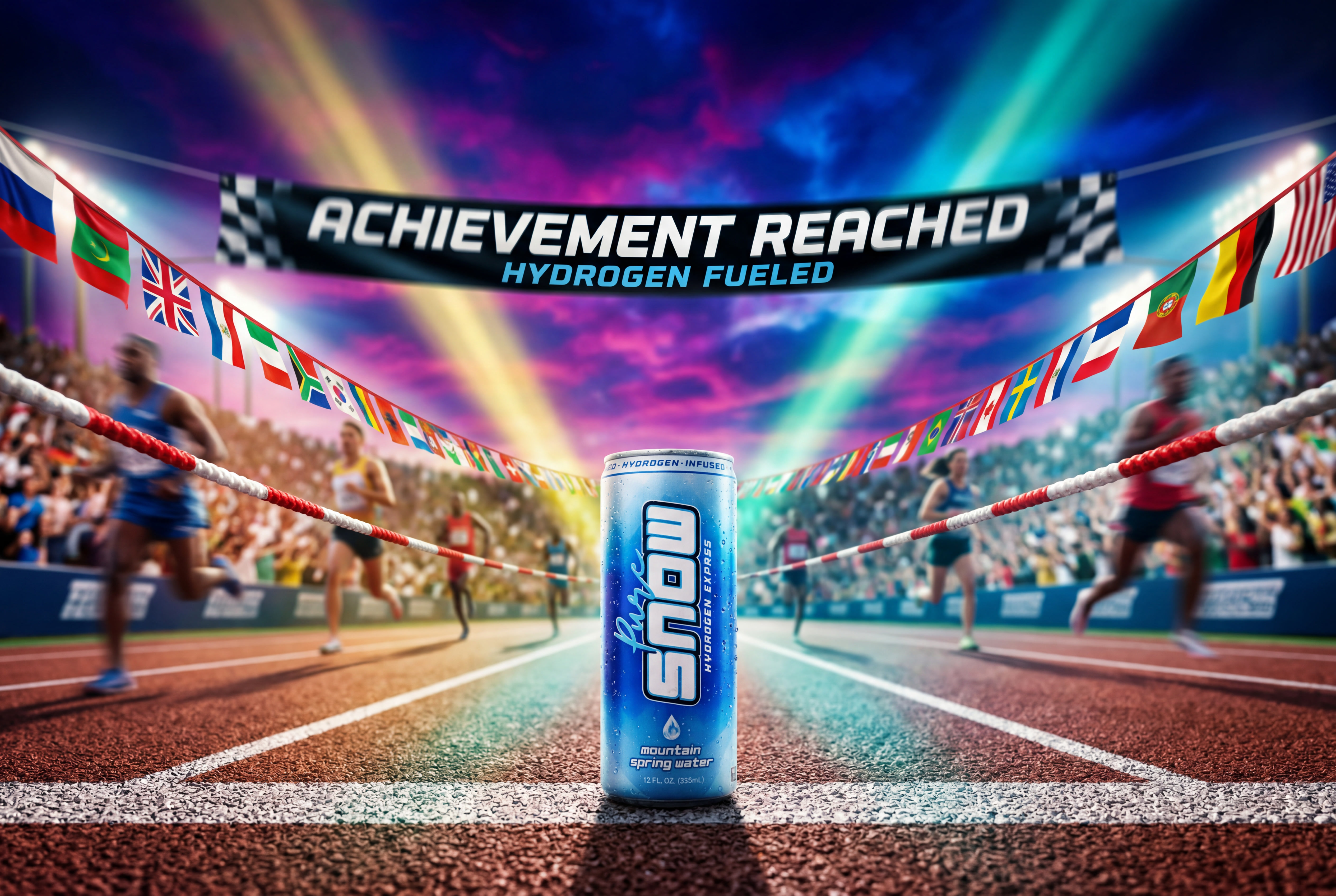
When assessing whether a hydrogen water product can deliver therapeutic-level hydrogen, look for these indicators: a clearly stated PPM or mg/L concentration at time of consumption (not just at production), aluminum or similarly impermeable packaging, independent third-party testing, and a brand that's transparent about its sourcing and science. Pure Snow is built around exactly these principles. Each can is made with premium mountain spring water and sealed in aluminum to preserve the hydrogen concentration you're actually paying for. If you're ready to try a product that takes therapeutic dosing seriously, you can explore Pure Snow's 12-pack here and start building a consistent daily habit.
KEY TAKEAWAY: The therapeutic dose of hydrogen water typically falls between 1.0 and 1.6 PPM of dissolved molecular hydrogen, consumed consistently each day — and only high-quality, properly sealed products can reliably deliver that concentration when it counts.
If you're serious about making hydrogen water part of your wellness routine, the science is clear that consistency, concentration, and container quality are the three things that matter most. Pure Snow hydrogen water is designed with all three in mind, so you can feel confident every can you open is working as hard as you are. Try it for yourself and experience what properly dosed hydrogen water actually feels like.
FAQ
Q: What is the minimum PPM of hydrogen water needed to see health benefits?
A: Most researchers point to at least 1.0 mg/L (1.0 PPM) of dissolved molecular hydrogen as the minimum for observable therapeutic effects. Many clinical studies use concentrations between 1.0 and 1.6 PPM to achieve meaningful results related to oxidative stress and inflammation.
Q: How many cans or servings of hydrogen water should I drink per day?
A: Most research protocols involve between 500 mL and 1.5 liters of hydrogen-rich water daily. Starting with one 12-ounce can per day is a reasonable baseline, with many users progressing to two servings for more consistent results aligned with the clinical literature.
Q: Does packaging really affect the therapeutic dose I receive?
A: Absolutely. Molecular hydrogen is extremely small and escapes through permeable materials like plastic over time. Aluminum cans are significantly more effective at preserving the concentration from production through to the moment you open and drink your hydrogen water.