What Is PPM in Hydrogen Water? 3 Common Myths Debunked
If you've been researching hydrogen water this September 2026, you've almost certainly run into the term PPM. It shows up on labels, in marketing claims, and in heated debates on wellness forums. And with that visibility comes confusion. Three myths in particular keep circulating: first, that PPM is just a marketing gimmick with no real meaning; second, that a higher PPM number is always better, no matter how high; and third, that all hydrogen water products deliver the PPM printed on their label by the time you actually drink them. All three of these ideas are wrong, and believing them can lead you to waste money on products that don't deliver. Let's break down what PPM actually means in hydrogen water, then debunk each myth one by one.
WHAT PPM ACTUALLY MEANS IN HYDROGEN WATER
PPM stands for parts per million, and in the context of hydrogen water it measures the concentration of molecular hydrogen gas (H2) dissolved in the water. If a hydrogen water has a concentration of 1.0 PPM, that means there is one milligram of dissolved hydrogen gas per liter of water. You'll sometimes see this written as mg/L, and the two units are interchangeable for this purpose: 1.0 PPM equals 1.0 mg/L.
Why does this matter? Because molecular hydrogen is the entire point of hydrogen water. It's the dissolved H2 gas, not the water itself, that researchers have been studying for its potential antioxidant and anti-inflammatory effects. Interest in this area took off after a landmark 2007 study published in Nature Medicine demonstrated that molecular hydrogen can act as a selective antioxidant, targeting harmful free radicals while leaving beneficial signaling molecules alone. Since then, hundreds of studies have explored hydrogen's effects, and nearly all of them specify the concentration of hydrogen used, because concentration determines dose. Without knowing the PPM, you have no idea how much hydrogen you're actually getting. That brings us to our first myth.
MYTH 1: PPM IS JUST A MARKETING GIMMICK
Some skeptics dismiss PPM as a made-up number brands use to sound scientific. The truth is the opposite: PPM is the single most important specification on any hydrogen water product, and it can be independently verified with dissolved hydrogen meters and titration testing. A brand that publishes its PPM is making a measurable, falsifiable claim.
Here's why the number matters so much. Most clinical research on hydrogen water uses concentrations somewhere between 0.5 and 1.6 PPM, with many studies clustering around 1.0 PPM or higher. A product with a meaningful concentration puts you in the range that researchers actually study. A product with a negligible concentration, say 0.1 PPM, is essentially expensive regular water. So rather than being a gimmick, PPM is your best tool for separating serious hydrogen water from products riding the trend. If a brand won't tell you its concentration, that silence tells you something. At Pure Snow, we're transparent about our concentration and testing, and you can read more about the science behind our process on our how it works page.
MYTH 2: HIGHER PPM IS ALWAYS BETTER
Once people learn that PPM measures hydrogen concentration, the natural assumption is that more must always be better. It's not quite that simple. Water has a physical limit on how much hydrogen gas it can hold under normal atmospheric pressure, which is about 1.6 PPM at room temperature. Products claiming dramatically higher numbers are typically relying on pressurization, and that supersaturated hydrogen begins escaping the moment the container is opened. What matters isn't the peak number achieved in a lab under pressure; it's the concentration in the water when it reaches your mouth.
There's also the question of what dose is actually useful. Research suggests meaningful effects at concentrations achievable in well-made products, generally 1.0 PPM and up. Drinking water with an enormous theoretical PPM doesn't necessarily multiply the benefit, and much of that extra hydrogen simply off-gasses before you can drink it. A realistic, stable, verified concentration beats an inflated, unstable one every time. Think of it like sunscreen SPF: past a certain point, bigger numbers deliver diminishing returns and often more marketing than substance.
MYTH 3: THE PPM ON THE LABEL IS THE PPM YOU DRINK
This is the myth that trips up even informed buyers. Molecular hydrogen is the smallest molecule in existence, and it escapes through most packaging materials with remarkable ease. Standard plastic bottles are porous at the molecular level, which means hydrogen water packaged in plastic can lose most of its dissolved hydrogen within days or even hours of bottling. A label might honestly report the PPM at the time of production, but by the time that bottle has sat in a warehouse, traveled on a truck, and waited on a shelf, the actual concentration can be a fraction of the printed number.
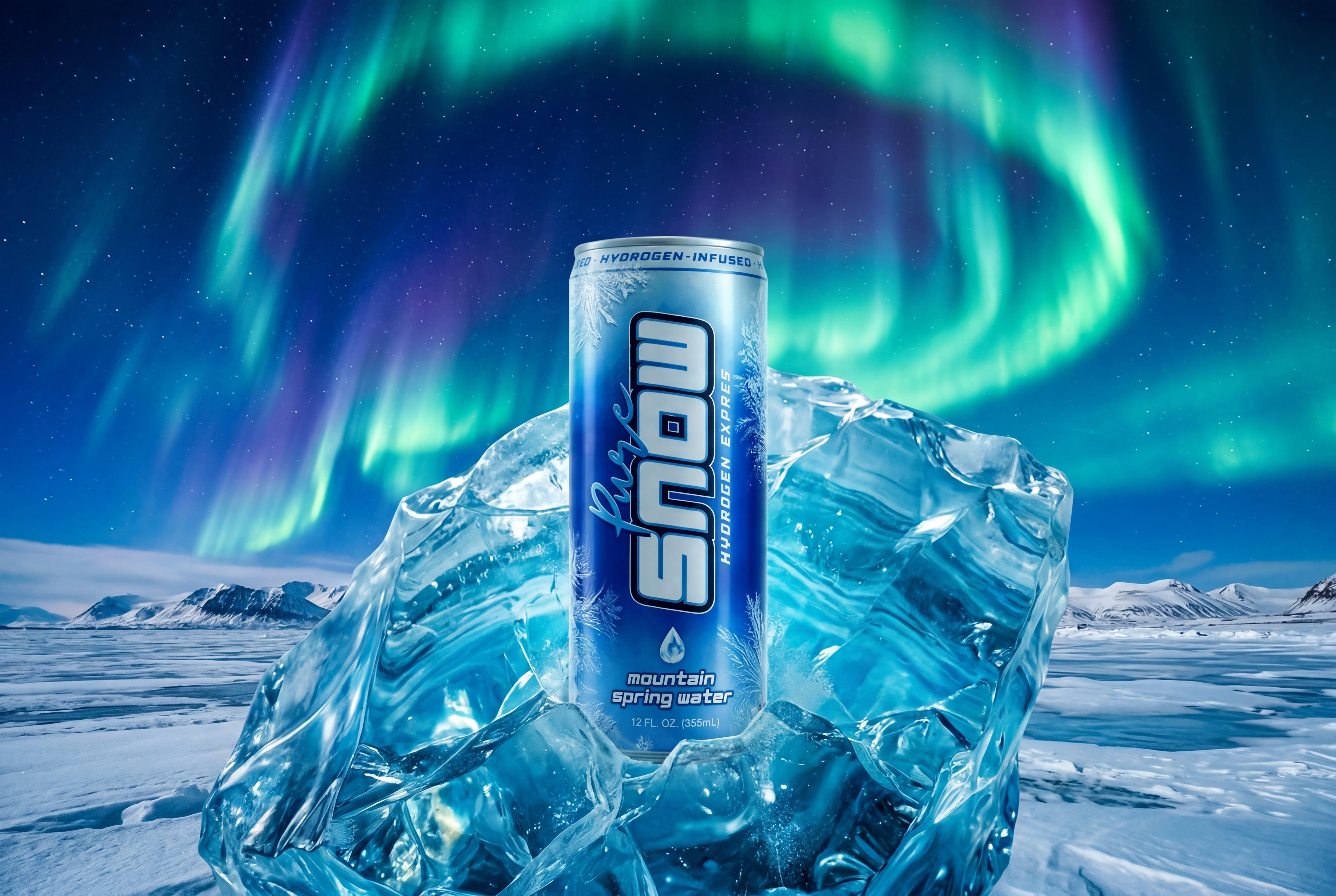
Packaging is the difference-maker here. Aluminum provides a genuine barrier that hydrogen cannot easily penetrate, which is why serious hydrogen water brands use aluminum cans rather than plastic bottles. This is a core reason Pure Snow chose cans from day one: it's the most reliable way to ensure the hydrogen concentration we create is the concentration you actually drink, weeks or months later. When you evaluate any hydrogen water, ask two questions: what is the PPM, and what is it packaged in? If you have more questions about shelf life and potency, our FAQ page covers the most common ones.
HOW TO USE PPM AS A SMART SHOPPER
Now that the myths are cleared away, here's a practical framework. Look for a stated concentration of at least 1.0 PPM, since that aligns with the range used in most published research. Prioritize aluminum packaging over plastic, because barrier properties determine whether the label PPM survives until you drink it. Favor brands that discuss their testing openly rather than burying the number or omitting it entirely. And remember that consistency matters: drinking hydrogen water regularly at a solid concentration is more meaningful than occasionally drinking a product with an eye-popping but unstable number.
PPM isn't complicated once you understand it. It's simply the honest measure of what you're paying for, and the brands that respect it tend to respect their customers too.
KEY TAKEAWAY: PPM measures the concentration of dissolved molecular hydrogen in your water, and it's the most important number on any hydrogen water label. Look for at least 1.0 PPM in aluminum packaging to ensure the hydrogen actually reaches your glass instead of escaping in transit.
Ready to taste hydrogen water done right? Explore Pure Snow's premium hydrogen-infused mountain spring water in our online shop and experience a verified concentration in every can.
FAQ
Q: What is a good PPM for hydrogen water?
A: Most clinical research on hydrogen water uses concentrations between 0.5 and 1.6 PPM, so a good target is 1.0 PPM or higher. This range reflects what water can stably hold under normal conditions while still delivering a research-relevant dose of molecular hydrogen.
Q: Does PPM decrease after opening a can of hydrogen water?
A: Yes, dissolved hydrogen begins escaping into the air once the container is opened. For maximum benefit, drink hydrogen water within 15 to 30 minutes of opening rather than sipping it over several hours.
Q: Can I measure the PPM of hydrogen water myself?
A: Yes, dissolved hydrogen test drops (using methylene blue titration) and dedicated H2 meters are available to consumers. These tools let you independently verify whether a product delivers the concentration its label claims, which is a great way to hold brands accountable.
Back to BlogWHAT PPM ACTUALLY MEANS IN HYDROGEN WATER
PPM stands for parts per million, and in the context of hydrogen water it measures the concentration of molecular hydrogen gas (H2) dissolved in the water. If a hydrogen water has a concentration of 1.0 PPM, that means there is one milligram of dissolved hydrogen gas per liter of water. You'll sometimes see this written as mg/L, and the two units are interchangeable for this purpose: 1.0 PPM equals 1.0 mg/L.
Why does this matter? Because molecular hydrogen is the entire point of hydrogen water. It's the dissolved H2 gas, not the water itself, that researchers have been studying for its potential antioxidant and anti-inflammatory effects. Interest in this area took off after a landmark 2007 study published in Nature Medicine demonstrated that molecular hydrogen can act as a selective antioxidant, targeting harmful free radicals while leaving beneficial signaling molecules alone. Since then, hundreds of studies have explored hydrogen's effects, and nearly all of them specify the concentration of hydrogen used, because concentration determines dose. Without knowing the PPM, you have no idea how much hydrogen you're actually getting. That brings us to our first myth.
MYTH 1: PPM IS JUST A MARKETING GIMMICK
Some skeptics dismiss PPM as a made-up number brands use to sound scientific. The truth is the opposite: PPM is the single most important specification on any hydrogen water product, and it can be independently verified with dissolved hydrogen meters and titration testing. A brand that publishes its PPM is making a measurable, falsifiable claim.
Here's why the number matters so much. Most clinical research on hydrogen water uses concentrations somewhere between 0.5 and 1.6 PPM, with many studies clustering around 1.0 PPM or higher. A product with a meaningful concentration puts you in the range that researchers actually study. A product with a negligible concentration, say 0.1 PPM, is essentially expensive regular water. So rather than being a gimmick, PPM is your best tool for separating serious hydrogen water from products riding the trend. If a brand won't tell you its concentration, that silence tells you something. At Pure Snow, we're transparent about our concentration and testing, and you can read more about the science behind our process on our how it works page.
MYTH 2: HIGHER PPM IS ALWAYS BETTER
Once people learn that PPM measures hydrogen concentration, the natural assumption is that more must always be better. It's not quite that simple. Water has a physical limit on how much hydrogen gas it can hold under normal atmospheric pressure, which is about 1.6 PPM at room temperature. Products claiming dramatically higher numbers are typically relying on pressurization, and that supersaturated hydrogen begins escaping the moment the container is opened. What matters isn't the peak number achieved in a lab under pressure; it's the concentration in the water when it reaches your mouth.
There's also the question of what dose is actually useful. Research suggests meaningful effects at concentrations achievable in well-made products, generally 1.0 PPM and up. Drinking water with an enormous theoretical PPM doesn't necessarily multiply the benefit, and much of that extra hydrogen simply off-gasses before you can drink it. A realistic, stable, verified concentration beats an inflated, unstable one every time. Think of it like sunscreen SPF: past a certain point, bigger numbers deliver diminishing returns and often more marketing than substance.
MYTH 3: THE PPM ON THE LABEL IS THE PPM YOU DRINK
This is the myth that trips up even informed buyers. Molecular hydrogen is the smallest molecule in existence, and it escapes through most packaging materials with remarkable ease. Standard plastic bottles are porous at the molecular level, which means hydrogen water packaged in plastic can lose most of its dissolved hydrogen within days or even hours of bottling. A label might honestly report the PPM at the time of production, but by the time that bottle has sat in a warehouse, traveled on a truck, and waited on a shelf, the actual concentration can be a fraction of the printed number.
Packaging is the difference-maker here. Aluminum provides a genuine barrier that hydrogen cannot easily penetrate, which is why serious hydrogen water brands use aluminum cans rather than plastic bottles. This is a core reason Pure Snow chose cans from day one: it's the most reliable way to ensure the hydrogen concentration we create is the concentration you actually drink, weeks or months later. When you evaluate any hydrogen water, ask two questions: what is the PPM, and what is it packaged in? If you have more questions about shelf life and potency, our FAQ page covers the most common ones.
HOW TO USE PPM AS A SMART SHOPPER
Now that the myths are cleared away, here's a practical framework. Look for a stated concentration of at least 1.0 PPM, since that aligns with the range used in most published research. Prioritize aluminum packaging over plastic, because barrier properties determine whether the label PPM survives until you drink it. Favor brands that discuss their testing openly rather than burying the number or omitting it entirely. And remember that consistency matters: drinking hydrogen water regularly at a solid concentration is more meaningful than occasionally drinking a product with an eye-popping but unstable number.
PPM isn't complicated once you understand it. It's simply the honest measure of what you're paying for, and the brands that respect it tend to respect their customers too.
KEY TAKEAWAY: PPM measures the concentration of dissolved molecular hydrogen in your water, and it's the most important number on any hydrogen water label. Look for at least 1.0 PPM in aluminum packaging to ensure the hydrogen actually reaches your glass instead of escaping in transit.
Ready to taste hydrogen water done right? Explore Pure Snow's premium hydrogen-infused mountain spring water in our online shop and experience a verified concentration in every can.
FAQ
Q: What is a good PPM for hydrogen water?
A: Most clinical research on hydrogen water uses concentrations between 0.5 and 1.6 PPM, so a good target is 1.0 PPM or higher. This range reflects what water can stably hold under normal conditions while still delivering a research-relevant dose of molecular hydrogen.
Q: Does PPM decrease after opening a can of hydrogen water?
A: Yes, dissolved hydrogen begins escaping into the air once the container is opened. For maximum benefit, drink hydrogen water within 15 to 30 minutes of opening rather than sipping it over several hours.
Q: Can I measure the PPM of hydrogen water myself?
A: Yes, dissolved hydrogen test drops (using methylene blue titration) and dedicated H2 meters are available to consumers. These tools let you independently verify whether a product delivers the concentration its label claims, which is a great way to hold brands accountable.
