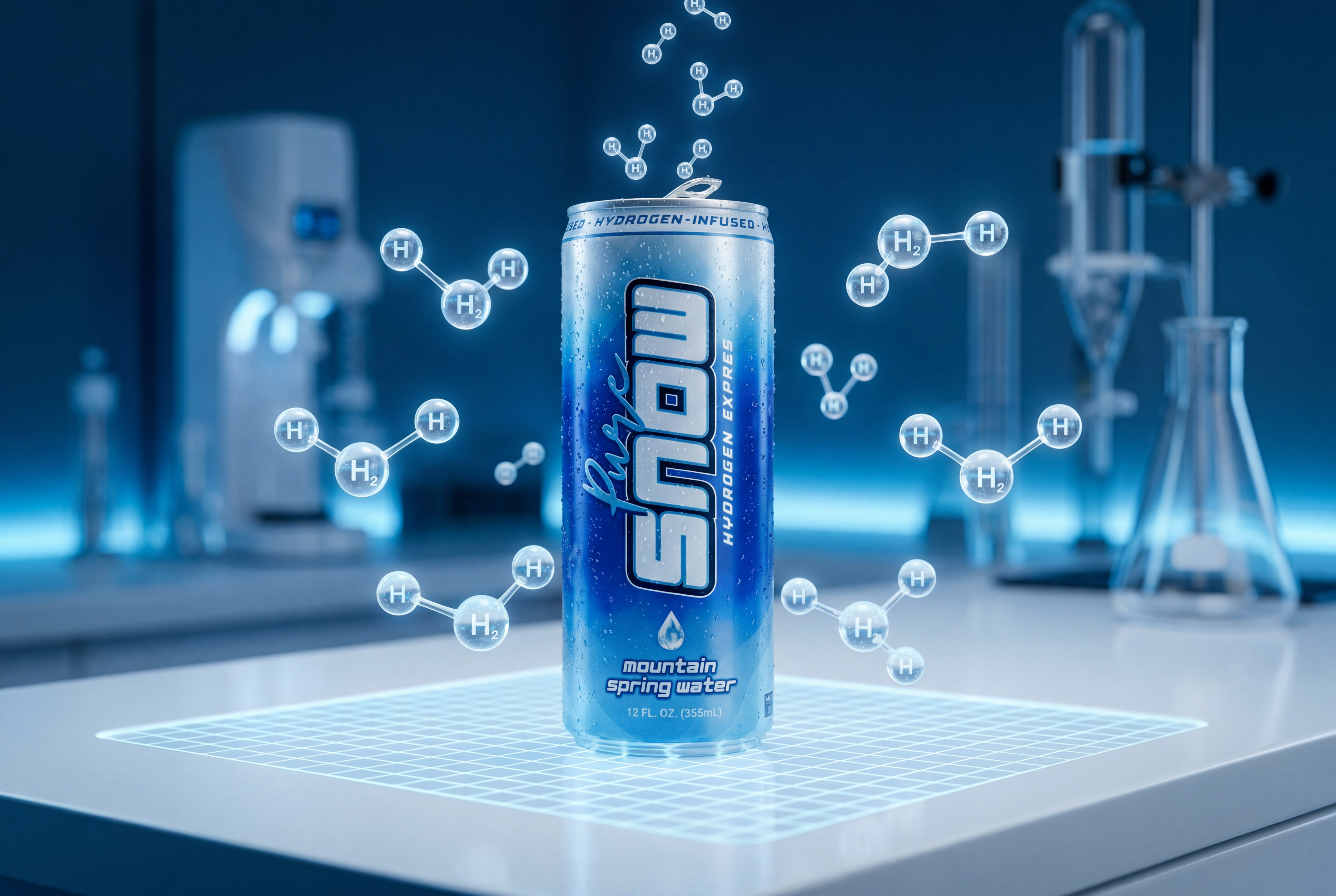
What Is PPM in Hydrogen Water? 3 Common Myths Debunked
If you've been shopping for hydrogen water this September 2026, you've almost certainly run into the term PPM. It shows up on labels, in marketing claims, and in heated debates across wellness forums. And with that visibility comes a lot of confusion. Three myths in particular keep circulating: that a higher PPM number is always better, that PPM is just a marketing gimmick with no scientific meaning, and that every hydrogen water product delivers the PPM printed on the label. None of these are quite true, and understanding why will make you a far smarter shopper. Let's break down what PPM actually means, then take each myth apart one by one.
WHAT PPM ACTUALLY MEANS IN HYDROGEN WATER
PPM stands for parts per million, and in the context of hydrogen water, it measures the concentration of dissolved molecular hydrogen (H2) gas in the water. If a hydrogen water has a concentration of 1 PPM, that means there is one milligram of dissolved hydrogen gas per liter of water. You'll sometimes see this written as mg/L, and the two are used interchangeably in hydrogen water research and labeling.
Why does this matter? Because molecular hydrogen is the entire point of hydrogen water. Regular water is H2O, where hydrogen atoms are chemically bonded to oxygen and unavailable to your body as free hydrogen. Hydrogen water contains additional H2 gas dissolved into the water under pressure, and it's this free molecular hydrogen that researchers have studied for its selective antioxidant properties. The PPM number tells you how much of that active ingredient you're actually getting. Without it, a hydrogen water label is like a coffee label that doesn't mention caffeine. You can read more about how this process works on the Pure Snow how it works page, which walks through the science of hydrogen infusion in plain language.
MYTH 1: HIGHER PPM IS ALWAYS BETTER
This is the most common misconception, and it's easy to see why. If hydrogen is the beneficial ingredient, more must be better, right? Not exactly. Hydrogen gas has a natural saturation limit in water. At normal atmospheric pressure and room temperature, water can hold roughly 1.6 PPM of dissolved hydrogen. Products claiming dramatically higher concentrations either use pressurized packaging to hold supersaturated levels, or they're simply making claims that won't survive the moment you open the container.
More importantly, the research on molecular hydrogen has largely been conducted at concentrations between 0.5 and 1.6 PPM. The landmark research that ignited interest in this field, a 2007 study published in Nature Medicine, demonstrated that molecular hydrogen can act as a selective antioxidant, neutralizing harmful hydroxyl radicals without disturbing beneficial reactive species the body needs for normal signaling. Subsequent human studies have generally used hydrogen water in that 0.5 to 1.6 PPM range and observed measurable effects. In other words, you don't need an eye-popping number on the label. You need a concentration within the studied therapeutic range, delivered reliably at the moment you drink it. That last part is where the next two myths come in.
MYTH 2: PPM IS JUST A MARKETING GIMMICK
Some skeptics dismiss PPM as meaningless jargon invented to sell water. This gets it backwards. PPM is a standard scientific unit of concentration used across chemistry, environmental science, and medicine. It's not a gimmick; it's the only honest way to quantify how much hydrogen a product contains. The real problem isn't the unit itself, but how loosely some brands use it.
A trustworthy hydrogen water company will tell you the concentration at the time of consumption, not just at the time of bottling. Hydrogen is the smallest molecule in the universe, and it escapes through most materials with remarkable ease. A product that was infused at 1.6 PPM but packaged poorly might deliver a fraction of that by the time it reaches your lips. So rather than dismissing PPM, use it as a filter: brands that publish clear, tested concentration figures and explain their packaging choices are showing their work. Brands that avoid the number entirely, or throw out implausible figures with no supporting detail, are the ones to question. If you're evaluating products and still have questions, the Pure Snow FAQ covers many of the specifics shoppers ask about most.
MYTH 3: THE PPM ON THE LABEL IS ALWAYS WHAT YOU DRINK
This myth is the quiet one, and arguably the most important to bust. Even a perfectly infused hydrogen water can lose its potency depending on how it's stored. Standard plastic bottles are porous to hydrogen molecules, which means the dissolved H2 gradually escapes right through the walls of the bottle while it sits on a shelf. Glass performs better, but the seal matters enormously. Aluminum cans, by contrast, create a genuinely impermeable barrier that hydrogen cannot pass through, which is why serious hydrogen water products increasingly use them.
Time and temperature matter too. Once you open any hydrogen water, the dissolved gas begins escaping into the air, and the concentration starts dropping within minutes. That's why the practical advice is simple: drink hydrogen water soon after opening, don't pour it into another glass and let it sit, and choose packaging designed to preserve the hydrogen from the day it was canned to the day you drink it. This is exactly why Pure Snow infuses premium mountain spring water with molecular hydrogen and seals it in aluminum cans, so the PPM you see is the PPM you actually get. When you're comparing products, ask one question above all others: what is the tested hydrogen concentration at the time of drinking?
HOW TO USE PPM AS A SMART SHOPPER
Now that the myths are cleared away, here's the practical framework. Look for a stated concentration between 0.5 and 1.6 PPM, ideally toward the higher end of that range. Look for packaging that actually retains hydrogen, which in practice means sealed aluminum. Look for transparency, meaning the brand explains how it measures and maintains its concentration rather than just printing a big number. And be skeptical of claims far above 1.6 PPM in non-pressurized packaging, because basic chemistry says the hydrogen won't stay dissolved.
PPM isn't complicated once you understand it. It's simply the measure of the active ingredient in hydrogen water, and like any active ingredient, what matters is getting a meaningful, research-backed dose that survives from production to consumption.
KEY TAKEAWAY: PPM measures the concentration of dissolved molecular hydrogen in water, and the research-backed sweet spot is roughly 0.5 to 1.6 PPM. What matters most isn't the biggest number on the label, but whether the packaging and process actually deliver that concentration when you drink it.
Ready to experience hydrogen water that delivers the concentration it promises, sealed in aluminum from mountain spring to first sip? Explore the Pure Snow shop and taste the difference for yourself.
FAQ
Q: What is a good PPM level for hydrogen water?
A: Most human research on hydrogen water has used concentrations between 0.5 and 1.6 PPM, so anything in that range is considered meaningful. Concentrations near 1.6 PPM represent the natural saturation limit at normal pressure and align with the higher doses used in studies.
Q: Does hydrogen water lose its PPM over time?
A: Yes. Hydrogen is an extremely small molecule that escapes through plastic and open containers quickly, which can significantly reduce the concentration before you drink it. Sealed aluminum cans preserve hydrogen far better, and you should drink hydrogen water shortly after opening for maximum benefit.
Q: Is a hydrogen water product claiming 5 PPM or higher legitimate?
A: Be cautious. Water at normal pressure can only hold about 1.6 PPM of dissolved hydrogen, so claims far above that require pressurized packaging and often don't hold up once the container is opened. Look for brands that publish tested concentrations at the time of consumption rather than headline-grabbing numbers.
Back to BlogWHAT PPM ACTUALLY MEANS IN HYDROGEN WATER
PPM stands for parts per million, and in the context of hydrogen water, it measures the concentration of dissolved molecular hydrogen (H2) gas in the water. If a hydrogen water has a concentration of 1 PPM, that means there is one milligram of dissolved hydrogen gas per liter of water. You'll sometimes see this written as mg/L, and the two are used interchangeably in hydrogen water research and labeling.
Why does this matter? Because molecular hydrogen is the entire point of hydrogen water. Regular water is H2O, where hydrogen atoms are chemically bonded to oxygen and unavailable to your body as free hydrogen. Hydrogen water contains additional H2 gas dissolved into the water under pressure, and it's this free molecular hydrogen that researchers have studied for its selective antioxidant properties. The PPM number tells you how much of that active ingredient you're actually getting. Without it, a hydrogen water label is like a coffee label that doesn't mention caffeine. You can read more about how this process works on the Pure Snow how it works page, which walks through the science of hydrogen infusion in plain language.
MYTH 1: HIGHER PPM IS ALWAYS BETTER
This is the most common misconception, and it's easy to see why. If hydrogen is the beneficial ingredient, more must be better, right? Not exactly. Hydrogen gas has a natural saturation limit in water. At normal atmospheric pressure and room temperature, water can hold roughly 1.6 PPM of dissolved hydrogen. Products claiming dramatically higher concentrations either use pressurized packaging to hold supersaturated levels, or they're simply making claims that won't survive the moment you open the container.
More importantly, the research on molecular hydrogen has largely been conducted at concentrations between 0.5 and 1.6 PPM. The landmark research that ignited interest in this field, a 2007 study published in Nature Medicine, demonstrated that molecular hydrogen can act as a selective antioxidant, neutralizing harmful hydroxyl radicals without disturbing beneficial reactive species the body needs for normal signaling. Subsequent human studies have generally used hydrogen water in that 0.5 to 1.6 PPM range and observed measurable effects. In other words, you don't need an eye-popping number on the label. You need a concentration within the studied therapeutic range, delivered reliably at the moment you drink it. That last part is where the next two myths come in.
MYTH 2: PPM IS JUST A MARKETING GIMMICK
Some skeptics dismiss PPM as meaningless jargon invented to sell water. This gets it backwards. PPM is a standard scientific unit of concentration used across chemistry, environmental science, and medicine. It's not a gimmick; it's the only honest way to quantify how much hydrogen a product contains. The real problem isn't the unit itself, but how loosely some brands use it.
A trustworthy hydrogen water company will tell you the concentration at the time of consumption, not just at the time of bottling. Hydrogen is the smallest molecule in the universe, and it escapes through most materials with remarkable ease. A product that was infused at 1.6 PPM but packaged poorly might deliver a fraction of that by the time it reaches your lips. So rather than dismissing PPM, use it as a filter: brands that publish clear, tested concentration figures and explain their packaging choices are showing their work. Brands that avoid the number entirely, or throw out implausible figures with no supporting detail, are the ones to question. If you're evaluating products and still have questions, the Pure Snow FAQ covers many of the specifics shoppers ask about most.
MYTH 3: THE PPM ON THE LABEL IS ALWAYS WHAT YOU DRINK
This myth is the quiet one, and arguably the most important to bust. Even a perfectly infused hydrogen water can lose its potency depending on how it's stored. Standard plastic bottles are porous to hydrogen molecules, which means the dissolved H2 gradually escapes right through the walls of the bottle while it sits on a shelf. Glass performs better, but the seal matters enormously. Aluminum cans, by contrast, create a genuinely impermeable barrier that hydrogen cannot pass through, which is why serious hydrogen water products increasingly use them.
Time and temperature matter too. Once you open any hydrogen water, the dissolved gas begins escaping into the air, and the concentration starts dropping within minutes. That's why the practical advice is simple: drink hydrogen water soon after opening, don't pour it into another glass and let it sit, and choose packaging designed to preserve the hydrogen from the day it was canned to the day you drink it. This is exactly why Pure Snow infuses premium mountain spring water with molecular hydrogen and seals it in aluminum cans, so the PPM you see is the PPM you actually get. When you're comparing products, ask one question above all others: what is the tested hydrogen concentration at the time of drinking?
HOW TO USE PPM AS A SMART SHOPPER
Now that the myths are cleared away, here's the practical framework. Look for a stated concentration between 0.5 and 1.6 PPM, ideally toward the higher end of that range. Look for packaging that actually retains hydrogen, which in practice means sealed aluminum. Look for transparency, meaning the brand explains how it measures and maintains its concentration rather than just printing a big number. And be skeptical of claims far above 1.6 PPM in non-pressurized packaging, because basic chemistry says the hydrogen won't stay dissolved.
PPM isn't complicated once you understand it. It's simply the measure of the active ingredient in hydrogen water, and like any active ingredient, what matters is getting a meaningful, research-backed dose that survives from production to consumption.
KEY TAKEAWAY: PPM measures the concentration of dissolved molecular hydrogen in water, and the research-backed sweet spot is roughly 0.5 to 1.6 PPM. What matters most isn't the biggest number on the label, but whether the packaging and process actually deliver that concentration when you drink it.
Ready to experience hydrogen water that delivers the concentration it promises, sealed in aluminum from mountain spring to first sip? Explore the Pure Snow shop and taste the difference for yourself.
FAQ
Q: What is a good PPM level for hydrogen water?
A: Most human research on hydrogen water has used concentrations between 0.5 and 1.6 PPM, so anything in that range is considered meaningful. Concentrations near 1.6 PPM represent the natural saturation limit at normal pressure and align with the higher doses used in studies.
Q: Does hydrogen water lose its PPM over time?
A: Yes. Hydrogen is an extremely small molecule that escapes through plastic and open containers quickly, which can significantly reduce the concentration before you drink it. Sealed aluminum cans preserve hydrogen far better, and you should drink hydrogen water shortly after opening for maximum benefit.
Q: Is a hydrogen water product claiming 5 PPM or higher legitimate?
A: Be cautious. Water at normal pressure can only hold about 1.6 PPM of dissolved hydrogen, so claims far above that require pressurized packaging and often don't hold up once the container is opened. Look for brands that publish tested concentrations at the time of consumption rather than headline-grabbing numbers.