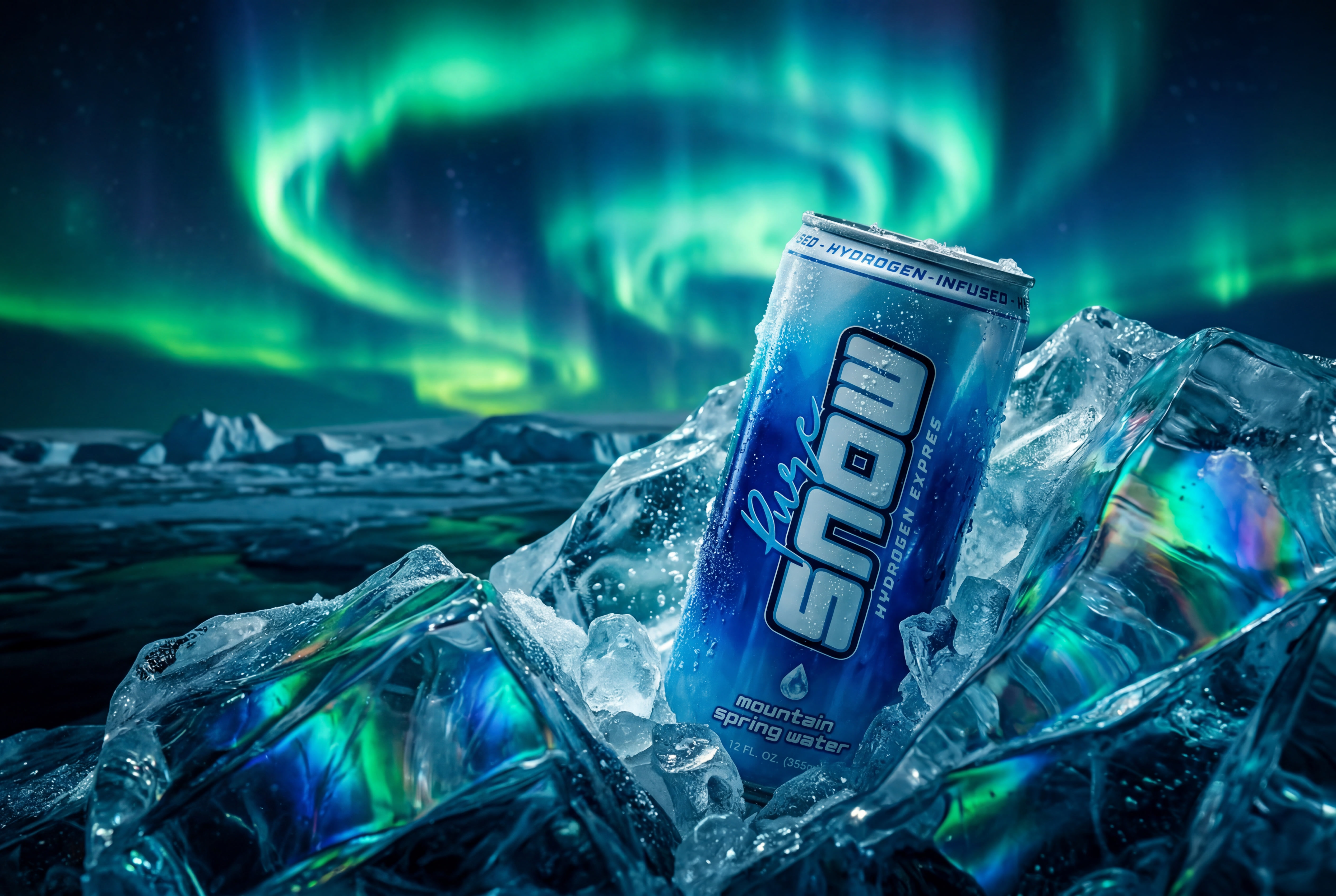
What Is PPM in Hydrogen Water? 3 Common Myths Debunked
If you've been researching hydrogen water this September 2026, you've almost certainly run into the term PPM. It shows up on labels, in marketing claims, and in heated debates across wellness forums. Yet for such a small acronym, PPM is surrounded by a surprising amount of confusion. Some brands treat it like a scoreboard where bigger is always better. Others barely mention it at all, which should raise a red flag of its own. Before we get into what PPM actually means, let's name three of the most common misconceptions floating around right now: first, that a higher PPM number automatically means a better product; second, that PPM stays the same from the moment of production until you drink it; and third, that all hydrogen water products measure and report PPM the same way. All three of these ideas are misleading, and by the end of this post you'll understand exactly why.
WHAT PPM ACTUALLY MEANS
PPM stands for parts per million, and in the context of hydrogen water it measures the concentration of dissolved molecular hydrogen (H2) gas in the water. If a hydrogen water has a concentration of 1.6 PPM, that means there are 1.6 milligrams of dissolved hydrogen gas per liter of water. You'll sometimes see this written as mg/L, and the two units are effectively interchangeable for water. This number matters because molecular hydrogen is the entire reason hydrogen water exists. Regular water is H2O, where hydrogen atoms are chemically bonded to oxygen and unavailable to do anything special in your body. Hydrogen water contains additional free H2 gas dissolved into the water under pressure, and that dissolved gas is what researchers have been studying for its selective antioxidant properties. In fact, interest in molecular hydrogen took off after a landmark study published in Nature Medicine demonstrated that hydrogen gas can act as a selective antioxidant, neutralizing harmful hydroxyl radicals while leaving beneficial signaling molecules alone. Without a meaningful concentration of dissolved H2, hydrogen water is just expensive regular water. That's why PPM is the single most important number on any hydrogen water label.
MYTH 1: HIGHER PPM IS ALWAYS BETTER
This is the most common misconception, and it's easy to see why it spreads. If some hydrogen is good, more must be better, right? Not exactly. Water has a natural saturation limit for dissolved hydrogen of about 1.6 PPM at standard atmospheric pressure and room temperature. Concentrations above that level are achievable using pressurized packaging, but the research consensus suggests there's a therapeutic range rather than an endless dose-response curve. Most published clinical studies showing benefits have used concentrations between roughly 0.5 and 3 PPM. What matters more than chasing an extreme number is consistency: getting a reliable, verified concentration in every serving. Some products advertise sky-high PPM figures measured at the moment of production in a lab, under conditions that don't reflect what actually reaches your lips. A trustworthy brand will tell you the concentration you can expect when you open the can, not just a best-case laboratory peak. If you're curious how Pure Snow achieves and maintains its concentration, our how it works page breaks down the full process from infusion to sealed can.
MYTH 2: PPM STAYS STABLE UNTIL YOU DRINK IT
Here's the inconvenient truth about molecular hydrogen: it's the smallest molecule in the universe, and it escapes almost everything. Hydrogen gas can slowly permeate through plastic bottles, diffuse out of open containers within minutes, and dissipate rapidly once water is exposed to air. This means the PPM printed on a label is only meaningful if the packaging can actually hold onto the hydrogen. Plastic bottles are notoriously poor at this because H2 molecules can pass directly through the polymer walls over time. That's why serious hydrogen water products use aluminum cans or specialized aluminum pouches, which create a genuine barrier against hydrogen loss. Even with ideal packaging, timing matters on your end too. Once you crack open a can of hydrogen water, the clock starts ticking. Dissolved hydrogen begins off-gassing into the air, so the best practice is simple: open it and drink it promptly rather than sipping over several hours. If you pour hydrogen water into a glass and let it sit all afternoon, you'll end up drinking pleasant spring water with very little hydrogen left in it.
MYTH 3: ALL BRANDS MEASURE PPM THE SAME WAY
Unfortunately, there's no universal enforcement standard for how hydrogen water companies test and report PPM, which creates room for creative marketing. Some brands report the concentration at the moment of infusion, before packaging losses. Others report theoretical maximums based on their equipment specifications rather than actual measurements of the finished product. The most reliable methods for verifying dissolved hydrogen concentration include gas chromatography and titration-based reagent testing, and reputable brands will conduct testing on finished, packaged products, sometimes months after canning, to verify that the stated PPM holds up over shelf life. When you're comparing products, ask these questions: Is the PPM measured in the final sealed package? Is there third-party verification? Does the brand explain its testing methodology openly? If a company can't or won't answer these questions, treat their PPM claims with skepticism. At Pure Snow, we believe transparency around concentration is non-negotiable, which is why we answer these exact questions in detail on our FAQ page.
WHAT PPM SHOULD YOU LOOK FOR?
Based on the body of published research, a practical target for daily hydrogen water consumption is a total intake of roughly 1 to 3 milligrams of H2 per day. A can of hydrogen water at 1.6 PPM or higher delivers a meaningful dose in a single serving, especially when the packaging preserves that concentration until you open it. Rather than fixating on one eye-popping number, evaluate the complete picture: verified concentration in the finished product, hydrogen-impermeable aluminum packaging, quality source water, and a brand willing to show its work. Pure Snow starts with pristine mountain spring water and infuses it with molecular hydrogen in aluminum cans specifically because that combination protects PPM from production to your first sip. You can explore the full lineup on our shop page whenever you're ready to taste the difference.
KEY TAKEAWAY: PPM measures the concentration of dissolved molecular hydrogen in your water, and the honest number is the one in the sealed package you actually drink, not a lab peak at production. Look for verified concentrations in the 1 to 3 PPM range, aluminum packaging, and transparent testing.
Now that you know what PPM really means, you can shop for hydrogen water with confidence instead of confusion. Learn more about how Pure Snow delivers verified molecular hydrogen in every can, and try it for yourself to experience premium hydrogen water done right.
FAQ
Q: What does PPM stand for in hydrogen water?
A: PPM stands for parts per million and measures the concentration of dissolved molecular hydrogen gas in the water. A concentration of 1.6 PPM equals 1.6 milligrams of hydrogen per liter, which is also the natural saturation limit at normal atmospheric pressure.
Q: Is a higher PPM hydrogen water always better?
A: Not necessarily. Most clinical research showing benefits used concentrations between roughly 0.5 and 3 PPM, so a verified concentration in that range matters more than an extreme number. Be wary of sky-high claims measured only at production rather than in the finished package.
Q: How quickly does hydrogen escape after opening a can?
A: Dissolved hydrogen begins off-gassing as soon as the water is exposed to air, with significant losses possible within 30 to 60 minutes in an open container. For the full benefit, drink your hydrogen water promptly after opening rather than sipping it slowly over several hours.
Back to BlogWHAT PPM ACTUALLY MEANS
PPM stands for parts per million, and in the context of hydrogen water it measures the concentration of dissolved molecular hydrogen (H2) gas in the water. If a hydrogen water has a concentration of 1.6 PPM, that means there are 1.6 milligrams of dissolved hydrogen gas per liter of water. You'll sometimes see this written as mg/L, and the two units are effectively interchangeable for water. This number matters because molecular hydrogen is the entire reason hydrogen water exists. Regular water is H2O, where hydrogen atoms are chemically bonded to oxygen and unavailable to do anything special in your body. Hydrogen water contains additional free H2 gas dissolved into the water under pressure, and that dissolved gas is what researchers have been studying for its selective antioxidant properties. In fact, interest in molecular hydrogen took off after a landmark study published in Nature Medicine demonstrated that hydrogen gas can act as a selective antioxidant, neutralizing harmful hydroxyl radicals while leaving beneficial signaling molecules alone. Without a meaningful concentration of dissolved H2, hydrogen water is just expensive regular water. That's why PPM is the single most important number on any hydrogen water label.
MYTH 1: HIGHER PPM IS ALWAYS BETTER
This is the most common misconception, and it's easy to see why it spreads. If some hydrogen is good, more must be better, right? Not exactly. Water has a natural saturation limit for dissolved hydrogen of about 1.6 PPM at standard atmospheric pressure and room temperature. Concentrations above that level are achievable using pressurized packaging, but the research consensus suggests there's a therapeutic range rather than an endless dose-response curve. Most published clinical studies showing benefits have used concentrations between roughly 0.5 and 3 PPM. What matters more than chasing an extreme number is consistency: getting a reliable, verified concentration in every serving. Some products advertise sky-high PPM figures measured at the moment of production in a lab, under conditions that don't reflect what actually reaches your lips. A trustworthy brand will tell you the concentration you can expect when you open the can, not just a best-case laboratory peak. If you're curious how Pure Snow achieves and maintains its concentration, our how it works page breaks down the full process from infusion to sealed can.
MYTH 2: PPM STAYS STABLE UNTIL YOU DRINK IT
Here's the inconvenient truth about molecular hydrogen: it's the smallest molecule in the universe, and it escapes almost everything. Hydrogen gas can slowly permeate through plastic bottles, diffuse out of open containers within minutes, and dissipate rapidly once water is exposed to air. This means the PPM printed on a label is only meaningful if the packaging can actually hold onto the hydrogen. Plastic bottles are notoriously poor at this because H2 molecules can pass directly through the polymer walls over time. That's why serious hydrogen water products use aluminum cans or specialized aluminum pouches, which create a genuine barrier against hydrogen loss. Even with ideal packaging, timing matters on your end too. Once you crack open a can of hydrogen water, the clock starts ticking. Dissolved hydrogen begins off-gassing into the air, so the best practice is simple: open it and drink it promptly rather than sipping over several hours. If you pour hydrogen water into a glass and let it sit all afternoon, you'll end up drinking pleasant spring water with very little hydrogen left in it.
MYTH 3: ALL BRANDS MEASURE PPM THE SAME WAY
Unfortunately, there's no universal enforcement standard for how hydrogen water companies test and report PPM, which creates room for creative marketing. Some brands report the concentration at the moment of infusion, before packaging losses. Others report theoretical maximums based on their equipment specifications rather than actual measurements of the finished product. The most reliable methods for verifying dissolved hydrogen concentration include gas chromatography and titration-based reagent testing, and reputable brands will conduct testing on finished, packaged products, sometimes months after canning, to verify that the stated PPM holds up over shelf life. When you're comparing products, ask these questions: Is the PPM measured in the final sealed package? Is there third-party verification? Does the brand explain its testing methodology openly? If a company can't or won't answer these questions, treat their PPM claims with skepticism. At Pure Snow, we believe transparency around concentration is non-negotiable, which is why we answer these exact questions in detail on our FAQ page.
WHAT PPM SHOULD YOU LOOK FOR?
Based on the body of published research, a practical target for daily hydrogen water consumption is a total intake of roughly 1 to 3 milligrams of H2 per day. A can of hydrogen water at 1.6 PPM or higher delivers a meaningful dose in a single serving, especially when the packaging preserves that concentration until you open it. Rather than fixating on one eye-popping number, evaluate the complete picture: verified concentration in the finished product, hydrogen-impermeable aluminum packaging, quality source water, and a brand willing to show its work. Pure Snow starts with pristine mountain spring water and infuses it with molecular hydrogen in aluminum cans specifically because that combination protects PPM from production to your first sip. You can explore the full lineup on our shop page whenever you're ready to taste the difference.
KEY TAKEAWAY: PPM measures the concentration of dissolved molecular hydrogen in your water, and the honest number is the one in the sealed package you actually drink, not a lab peak at production. Look for verified concentrations in the 1 to 3 PPM range, aluminum packaging, and transparent testing.
Now that you know what PPM really means, you can shop for hydrogen water with confidence instead of confusion. Learn more about how Pure Snow delivers verified molecular hydrogen in every can, and try it for yourself to experience premium hydrogen water done right.
FAQ
Q: What does PPM stand for in hydrogen water?
A: PPM stands for parts per million and measures the concentration of dissolved molecular hydrogen gas in the water. A concentration of 1.6 PPM equals 1.6 milligrams of hydrogen per liter, which is also the natural saturation limit at normal atmospheric pressure.
Q: Is a higher PPM hydrogen water always better?
A: Not necessarily. Most clinical research showing benefits used concentrations between roughly 0.5 and 3 PPM, so a verified concentration in that range matters more than an extreme number. Be wary of sky-high claims measured only at production rather than in the finished package.
Q: How quickly does hydrogen escape after opening a can?
A: Dissolved hydrogen begins off-gassing as soon as the water is exposed to air, with significant losses possible within 30 to 60 minutes in an open container. For the full benefit, drink your hydrogen water promptly after opening rather than sipping it slowly over several hours.