What Is 2-3 PPM Hydrogen Water Worth? A Honest Value Breakdown
If you've been skeptical about hydrogen water pricing in June 2026, you're not alone. The market is flooded with products making big claims, and it's getting harder to know what you're actually paying for. One of the most common points of confusion? The meaning behind PPM concentrations — specifically, whether 2-3 PPM hydrogen water is genuinely worth the price or just clever marketing. Before you write it off or overpay for something that underdelivers, let's clear up three of the biggest myths surrounding hydrogen water concentration and value.
MYTH #1: ALL HYDROGEN WATER IS THE SAME REGARDLESS OF PPM
This is one of the most persistent misconceptions in the wellness space. Many consumers assume that any product labeled "hydrogen water" delivers the same benefit, whether it contains 0.5 PPM or 2.5 PPM of dissolved molecular hydrogen. The reality is far more nuanced. PPM stands for parts per million and refers to how much dissolved hydrogen gas is actually present in the water at the time you drink it. Lower concentrations — often seen in hydrogen water tablets, low-grade pouches, or poorly sealed plastic bottles — may not deliver enough molecular hydrogen to produce a meaningful physiological effect. Research published in the journal Medical Gas Research has shown that therapeutic concentrations of dissolved hydrogen gas typically begin at 1.0 PPM, with stronger effects associated with higher, more stable concentrations. That means a product sitting at 2-3 PPM isn't just a marketing number — it represents a meaningfully higher dose of the active compound you're paying for. Understanding how hydrogen water works at the molecular level makes this distinction much clearer.
MYTH #2: YOU'RE JUST PAYING FOR FANCY PACKAGING
Another common myth is that premium hydrogen water brands are simply charging a luxury tax for attractive cans while the product inside is no different from cheap alternatives. This misses a critical technical point: packaging matters enormously for hydrogen water. Molecular hydrogen (H2) is the smallest molecule in existence, and it escapes through plastic containers rapidly — sometimes within hours of production. This means that a hydrogen water product in a plastic bottle may have already lost much of its advertised concentration by the time it reaches your hands. Aluminum cans with pressure-sealed lids are specifically designed to retain dissolved hydrogen over time, maintaining concentration levels until the moment you open the can. When you pay for a properly sealed aluminum can of 2-3 PPM hydrogen water, you're paying for the science and engineering required to actually deliver that concentration to your body. Brands that cut corners on packaging are essentially selling you diminishing returns. The difference in what you receive is real, and it's measurable.
MYTH #3: A HIGHER PRICE ALWAYS MEANS A BETTER PRODUCT
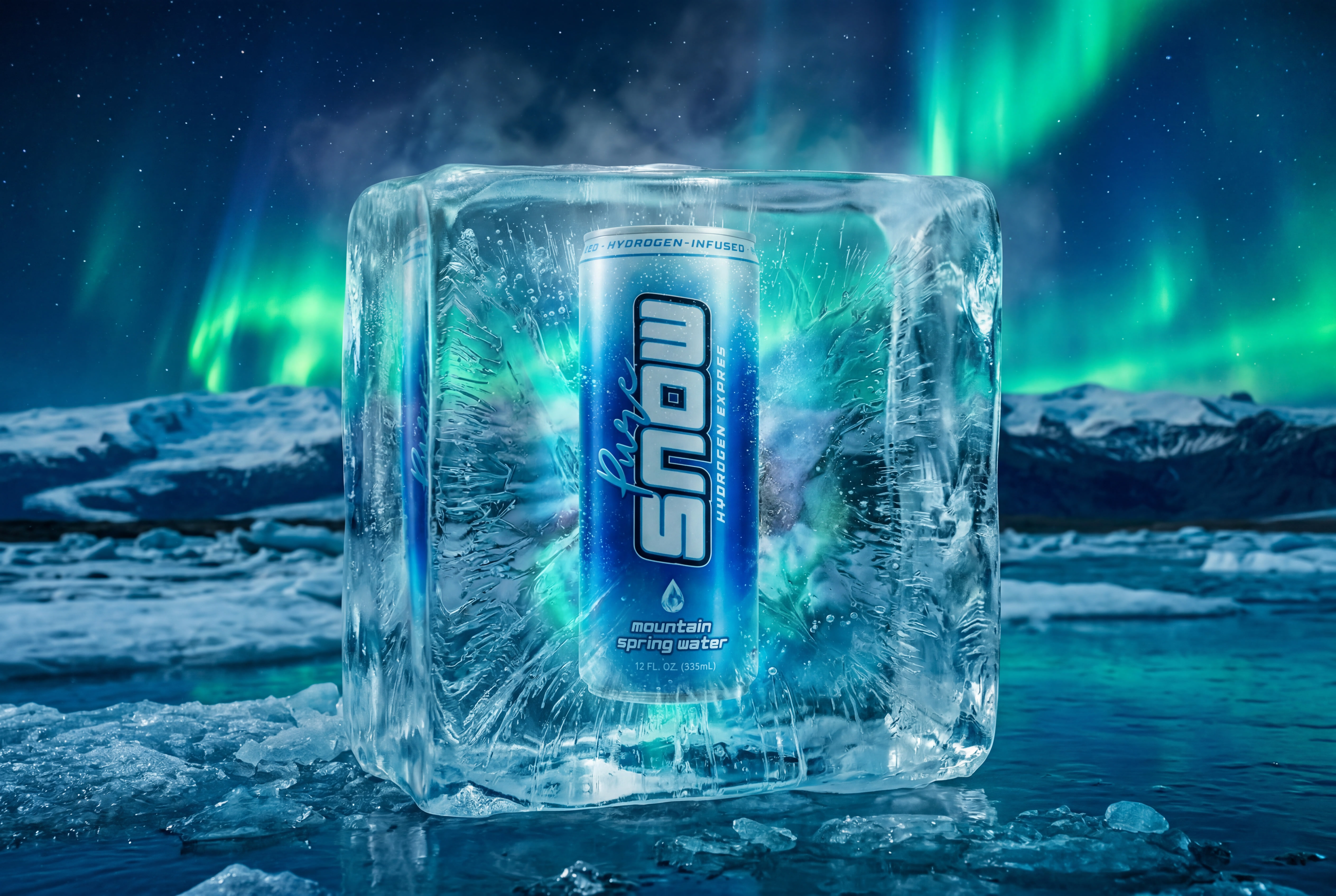
Here's where the value conversation gets interesting. Some hydrogen water brands charge premium prices that aren't justified by their concentration levels, sourcing quality, or delivery format. You may find products at $3-$4 per can that offer 1 PPM or lower concentrations in questionable packaging. That's not a good deal — that's poor value at a high price. Genuine value in the hydrogen water market means getting a verified 2-3 PPM concentration, in a pressure-sealed aluminum can, sourced from a quality water base, at a price that makes daily use sustainable. This is exactly the gap that Pure Snow hydrogen water was built to fill. Pure Snow delivers 2-3 PPM of dissolved molecular hydrogen in mountain spring water, sealed in aluminum cans that protect concentration integrity from production to your first sip.
SO WHAT IS 2-3 PPM HYDROGEN WATER ACTUALLY WORTH?
Let's talk numbers. When you factor in the sourcing of genuine mountain spring water, the precision required to infuse it with 2-3 PPM of molecular hydrogen, the engineering of aluminum cans to preserve that concentration, and the logistics of getting a perishable wellness product to consumers while it's still effective — a fair price per can falls in the range of $1.50 to $2.50 depending on volume and subscription structure. Products priced well above this range without offering superior concentration or sourcing are overcharging. Products priced far below this range are likely cutting corners on concentration, packaging, or both. Pure Snow's subscribe-and-save pricing brings the cost per can into the sweet spot of genuine value, making a 2-3 PPM daily habit financially sustainable without sacrificing quality. You can review the full Pure Snow pricing breakdown to see exactly what you get at each tier.
WHY CONCENTRATION CONSISTENCY MATTERS AS MUCH AS CONCENTRATION LEVEL
One final point that often gets overlooked: it's not just about hitting 2-3 PPM at the factory. It's about delivering that concentration reliably, every single time, with every single can. Inconsistent production practices mean you might get 2.5 PPM today and 0.8 PPM next week. That inconsistency makes it nearly impossible to build the kind of daily routine that allows you to actually experience the benefits hydrogen water has to offer. Brands that invest in consistent production standards, quality sourcing, and proper sealing technology earn their price point. When evaluating whether 2-3 PPM hydrogen water is worth it, the question isn't just about the number — it's about whether that number is real, consistent, and protected all the way to your lips.
KEY TAKEAWAY: 2-3 PPM hydrogen water is genuinely worth the price when it comes in a properly sealed aluminum can from a quality source — but only when the concentration is verified, consistent, and protected from the moment of production to the moment you drink it.
Ready to experience what real 2-3 PPM hydrogen water feels like? Try Pure Snow today and subscribe to save 40% on your first order — it's the easiest way to make a high-quality hydrogen water habit part of your daily life. Grab your first 12-pack here and start your subscription today.
FAQ
Q: What does PPM mean in hydrogen water and why does 2-3 PPM matter?
A: PPM stands for parts per million and measures how much dissolved molecular hydrogen is present in the water. 2-3 PPM represents a therapeutic concentration range supported by wellness research, and it delivers meaningfully more active hydrogen than lower-concentration products.
Q: Does the type of container affect how much hydrogen is in my water when I drink it?
A: Yes, significantly. Molecular hydrogen escapes plastic containers quickly, which means plastic-bottled hydrogen water may lose most of its concentration before you ever open it. Pressure-sealed aluminum cans are specifically engineered to preserve 2-3 PPM from production to your first sip.
Q: How do I know if a hydrogen water brand is actually delivering what it claims?
A: Look for brands that use pressure-sealed aluminum packaging, disclose their PPM concentration clearly, and source from verified water supplies. Transparency around concentration, packaging, and sourcing is the strongest indicator that a brand is delivering real value rather than just a wellness label.