What Does the Research Say About Hydrogen Water? A Clear Look at the Science
If you've been curious about hydrogen water in June 2026, you've probably noticed that opinions range from enthusiastic endorsements to flat-out skepticism. That's understandable. Anytime a wellness product gains momentum, it also attracts both exaggerated claims and reflexive dismissal. The truth, as it often does, lives somewhere more nuanced. So let's clear up three of the most common misconceptions about what the research actually says — because the science deserves a fair look.
MISCONCEPTION 1: HYDROGEN WATER IS JUST A WELLNESS TREND WITH NO REAL SCIENCE BEHIND IT
This is probably the most widespread assumption, and it's worth addressing head-on. Hydrogen water isn't a trend invented by supplement marketers. Scientific interest in molecular hydrogen as a therapeutic agent dates back to a landmark 2007 study published in Nature Medicine, which found that inhaled hydrogen gas could reduce oxidative damage in a rat model of brain injury. That single paper sparked hundreds of follow-up studies across multiple countries and medical disciplines.
As of today, there are over 1,500 peer-reviewed papers examining molecular hydrogen's potential effects on the human body. These studies span conditions ranging from metabolic syndrome to athletic performance to neurological function. According to a study published in the journal Medical Gas Research, molecular hydrogen shows promising biological activity as a selective antioxidant, meaning it may neutralize harmful free radicals without disrupting beneficial oxidative processes in the body. That's a meaningful distinction that sets it apart from many conventional antioxidant supplements.
Is every finding conclusive? No. Many studies are small, short in duration, or conducted in animal models. Researchers openly acknowledge that larger, long-term human clinical trials are still needed. But dismissing hydrogen water as purely speculative ignores a growing and credible body of scientific inquiry.
MISCONCEPTION 2: ALL HYDROGEN WATER PRODUCTS ARE BACKED BY THE SAME EVIDENCE
Even among people who accept the science of molecular hydrogen, there's a common assumption that all hydrogen water products are created equal and that any can or bottle will deliver the same effects studied in the research. This is not accurate, and it matters more than most consumers realize.
The studies showing measurable biological effects typically use hydrogen water with a concentration of at least 1.0 to 1.6 parts per million (PPM), often higher. Many products on the market fail to meet this threshold — either because of low initial concentration or because hydrogen gas escapes rapidly through packaging that isn't designed to retain it. Plastic bottles, in particular, are highly permeable to dissolved gases, meaning the water may have lost most of its hydrogen content long before you open it.
This is one of the reasons how hydrogen water is packaged and sealed matters so much. Aluminum cans, for example, create a near-impermeable barrier that preserves hydrogen concentration far more effectively than plastic. When evaluating research on hydrogen water, it's worth asking whether the product you're considering actually delivers the concentrations used in those studies — because if it doesn't, the evidence doesn't really apply to it.
MISCONCEPTION 3: IF HYDROGEN WATER WORKED, EVERYONE WOULD ALREADY KNOW ABOUT IT
This argument assumes that the medical and wellness communities adopt beneficial discoveries uniformly and quickly. They don't. Research moves slowly, and molecular hydrogen is still relatively early in the pipeline of formal clinical validation. The fact that it hasn't yet become a mainstream medical recommendation doesn't mean the evidence isn't compelling — it means the research is still maturing.
What the current literature does support fairly consistently is hydrogen water's role as a selective antioxidant with low toxicity and high bioavailability. Because molecular hydrogen is the smallest molecule in existence, it passes through cell membranes easily and can reach areas of the body that larger antioxidant molecules cannot. Early-phase human trials have explored applications in areas like exercise recovery, metabolic health, inflammation response, and cognitive performance. Results have been promising enough to continue funding further investigation.
The honest summary from the research community is this: molecular hydrogen shows genuine therapeutic potential, the mechanism of action is scientifically plausible and partially understood, and more rigorous large-scale trials will clarify the full scope of benefits. That's not a reason to dismiss it — it's a reason to pay attention as the science continues to develop.
WHAT THIS MEANS FOR YOU AS A CONSUMER
Understanding what the research does and doesn't say allows you to make smarter choices. You don't need to believe in miracle claims to find value in hydrogen water. The existing evidence is strong enough to make it a reasonable, low-risk addition to a health-conscious lifestyle — particularly for people focused on recovery, energy, and reducing oxidative stress. The key is choosing a product that actually delivers meaningful hydrogen concentration in packaging that preserves it.
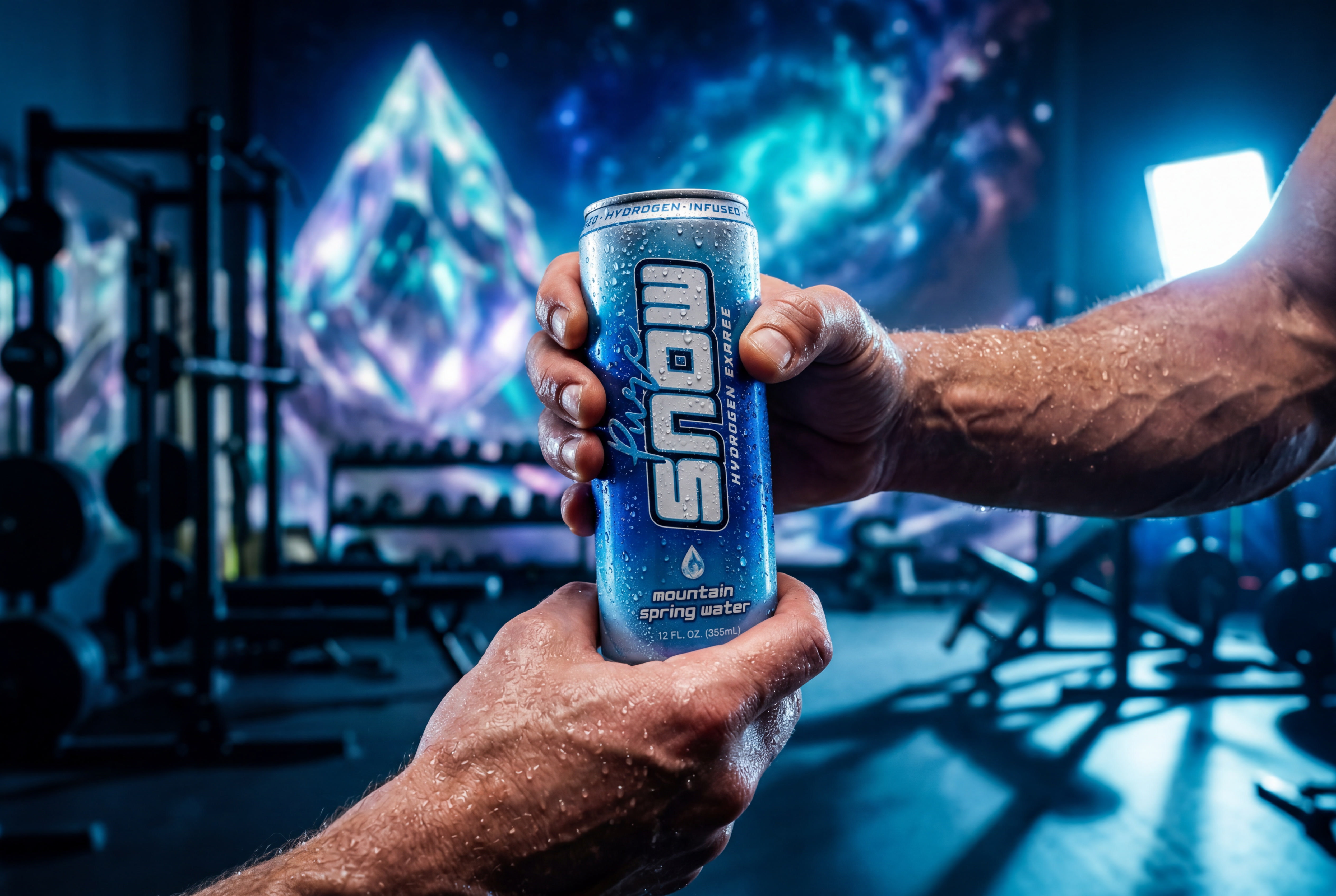
Pure Snow hydrogen water is crafted with exactly this standard in mind, using premium mountain spring water infused with molecular hydrogen and sealed in aluminum cans designed to maintain potency until the moment you open it. If you want to explore the science further or have more questions, the Pure Snow FAQ page is a great place to start.
KEY TAKEAWAY: The research on hydrogen water is real, growing, and scientifically credible — but product quality varies enormously, and only hydrogen water delivered at therapeutic concentrations in proper packaging reflects what the studies actually tested.
If you're ready to experience hydrogen water that's backed by science and built for real results, explore Pure Snow and see what a quality product looks like. Try it for yourself and feel the difference that genuine concentration and clean packaging can make.
FAQ
Q: How many studies have been done on hydrogen water?
A: As of 2026, over 1,500 peer-reviewed studies have examined molecular hydrogen's biological effects. Research spans multiple countries and covers areas from oxidative stress and inflammation to athletic performance and metabolic health.
Q: Is hydrogen water approved by the FDA?
A: Hydrogen water is generally recognized as safe (GRAS) for consumption in the United States. It is not classified as a drug or medical treatment, so it does not carry FDA approval for treating any condition, but it is legal and considered safe to drink daily.
Q: What concentration of hydrogen water do studies typically use?
A: Most research showing measurable biological effects uses hydrogen concentrations of at least 1.0 to 1.6 PPM or higher. Products that fall below this threshold may not deliver the same effects observed in clinical and laboratory studies.
Back to BlogMISCONCEPTION 1: HYDROGEN WATER IS JUST A WELLNESS TREND WITH NO REAL SCIENCE BEHIND IT
This is probably the most widespread assumption, and it's worth addressing head-on. Hydrogen water isn't a trend invented by supplement marketers. Scientific interest in molecular hydrogen as a therapeutic agent dates back to a landmark 2007 study published in Nature Medicine, which found that inhaled hydrogen gas could reduce oxidative damage in a rat model of brain injury. That single paper sparked hundreds of follow-up studies across multiple countries and medical disciplines.
As of today, there are over 1,500 peer-reviewed papers examining molecular hydrogen's potential effects on the human body. These studies span conditions ranging from metabolic syndrome to athletic performance to neurological function. According to a study published in the journal Medical Gas Research, molecular hydrogen shows promising biological activity as a selective antioxidant, meaning it may neutralize harmful free radicals without disrupting beneficial oxidative processes in the body. That's a meaningful distinction that sets it apart from many conventional antioxidant supplements.
Is every finding conclusive? No. Many studies are small, short in duration, or conducted in animal models. Researchers openly acknowledge that larger, long-term human clinical trials are still needed. But dismissing hydrogen water as purely speculative ignores a growing and credible body of scientific inquiry.
MISCONCEPTION 2: ALL HYDROGEN WATER PRODUCTS ARE BACKED BY THE SAME EVIDENCE
Even among people who accept the science of molecular hydrogen, there's a common assumption that all hydrogen water products are created equal and that any can or bottle will deliver the same effects studied in the research. This is not accurate, and it matters more than most consumers realize.
The studies showing measurable biological effects typically use hydrogen water with a concentration of at least 1.0 to 1.6 parts per million (PPM), often higher. Many products on the market fail to meet this threshold — either because of low initial concentration or because hydrogen gas escapes rapidly through packaging that isn't designed to retain it. Plastic bottles, in particular, are highly permeable to dissolved gases, meaning the water may have lost most of its hydrogen content long before you open it.
This is one of the reasons how hydrogen water is packaged and sealed matters so much. Aluminum cans, for example, create a near-impermeable barrier that preserves hydrogen concentration far more effectively than plastic. When evaluating research on hydrogen water, it's worth asking whether the product you're considering actually delivers the concentrations used in those studies — because if it doesn't, the evidence doesn't really apply to it.
MISCONCEPTION 3: IF HYDROGEN WATER WORKED, EVERYONE WOULD ALREADY KNOW ABOUT IT
This argument assumes that the medical and wellness communities adopt beneficial discoveries uniformly and quickly. They don't. Research moves slowly, and molecular hydrogen is still relatively early in the pipeline of formal clinical validation. The fact that it hasn't yet become a mainstream medical recommendation doesn't mean the evidence isn't compelling — it means the research is still maturing.
What the current literature does support fairly consistently is hydrogen water's role as a selective antioxidant with low toxicity and high bioavailability. Because molecular hydrogen is the smallest molecule in existence, it passes through cell membranes easily and can reach areas of the body that larger antioxidant molecules cannot. Early-phase human trials have explored applications in areas like exercise recovery, metabolic health, inflammation response, and cognitive performance. Results have been promising enough to continue funding further investigation.
The honest summary from the research community is this: molecular hydrogen shows genuine therapeutic potential, the mechanism of action is scientifically plausible and partially understood, and more rigorous large-scale trials will clarify the full scope of benefits. That's not a reason to dismiss it — it's a reason to pay attention as the science continues to develop.
WHAT THIS MEANS FOR YOU AS A CONSUMER
Understanding what the research does and doesn't say allows you to make smarter choices. You don't need to believe in miracle claims to find value in hydrogen water. The existing evidence is strong enough to make it a reasonable, low-risk addition to a health-conscious lifestyle — particularly for people focused on recovery, energy, and reducing oxidative stress. The key is choosing a product that actually delivers meaningful hydrogen concentration in packaging that preserves it.
Pure Snow hydrogen water is crafted with exactly this standard in mind, using premium mountain spring water infused with molecular hydrogen and sealed in aluminum cans designed to maintain potency until the moment you open it. If you want to explore the science further or have more questions, the Pure Snow FAQ page is a great place to start.
KEY TAKEAWAY: The research on hydrogen water is real, growing, and scientifically credible — but product quality varies enormously, and only hydrogen water delivered at therapeutic concentrations in proper packaging reflects what the studies actually tested.
If you're ready to experience hydrogen water that's backed by science and built for real results, explore Pure Snow and see what a quality product looks like. Try it for yourself and feel the difference that genuine concentration and clean packaging can make.
FAQ
Q: How many studies have been done on hydrogen water?
A: As of 2026, over 1,500 peer-reviewed studies have examined molecular hydrogen's biological effects. Research spans multiple countries and covers areas from oxidative stress and inflammation to athletic performance and metabolic health.
Q: Is hydrogen water approved by the FDA?
A: Hydrogen water is generally recognized as safe (GRAS) for consumption in the United States. It is not classified as a drug or medical treatment, so it does not carry FDA approval for treating any condition, but it is legal and considered safe to drink daily.
Q: What concentration of hydrogen water do studies typically use?
A: Most research showing measurable biological effects uses hydrogen concentrations of at least 1.0 to 1.6 PPM or higher. Products that fall below this threshold may not deliver the same effects observed in clinical and laboratory studies.