Molecular Hydrogen Health Benefits: What Science Actually Says
If you've been hearing more about hydrogen water in July 2026 and wondering whether the science actually holds up, you're not alone. Molecular hydrogen has quietly moved from fringe wellness circles into peer-reviewed research labs, and the findings are genuinely worth understanding. This isn't another trendy supplement with no substance behind it. Molecular hydrogen health benefits are being studied across dozens of clinical applications, and the results are compelling enough that researchers around the world are paying close attention.
So what exactly is molecular hydrogen, and why does it matter for your health? Let's break it down in a way that's clear, honest, and grounded in real science.
WHAT IS MOLECULAR HYDROGEN AND WHY DOES IT MATTER
Molecular hydrogen is the smallest molecule in existence. Written as H2, it consists of two hydrogen atoms bonded together. Because of its tiny size, it can penetrate cell membranes, cross the blood-brain barrier, and reach parts of the body that larger antioxidant molecules simply cannot access. This is what makes it uniquely interesting from a biological standpoint.
Unlike many antioxidants that indiscriminately neutralize free radicals, molecular hydrogen is selective. It primarily targets the most harmful type of free radical, the hydroxyl radical, without interfering with beneficial reactive oxygen species that your body actually needs for signaling and immune function. This selectivity is one of the reasons researchers are so enthusiastic about its potential.
THE ANTIOXIDANT CASE FOR MOLECULAR HYDROGEN
Oxidative stress is at the root of a wide range of chronic health conditions, from cardiovascular disease and metabolic disorders to neurological decline and accelerated aging. When your body produces more free radicals than it can neutralize, cells and DNA take the hit. Antioxidants are your body's defense system against this damage.
Molecular hydrogen supports this defense in a meaningful way. According to a landmark study published in Nature Medicine, inhaled hydrogen gas reduced oxidative stress damage in a rat model of stroke, demonstrating that molecular hydrogen could act as a therapeutic antioxidant. That study, published in 2007, sparked a wave of global research that has continued to expand ever since. Today, hundreds of studies have explored how molecular hydrogen interacts with the body's oxidative and inflammatory pathways.
MOLECULAR HYDROGEN AND INFLAMMATION
One of the most consistently documented molecular hydrogen health benefits is its ability to modulate inflammatory responses. Chronic low-grade inflammation is now understood to be a driver of many modern diseases, including type 2 diabetes, heart disease, and certain cancers. Reducing unnecessary inflammation without suppressing the immune system entirely is the goal, and molecular hydrogen appears to help do exactly that.
Research suggests that H2 influences key inflammatory signaling pathways, including the NF-kB pathway, which regulates the body's inflammatory response at the cellular level. By helping to quiet excessive inflammation, molecular hydrogen may support better long-term health outcomes across multiple body systems. This makes it relevant not just for athletes recovering from physical stress, but for anyone dealing with the cumulative effects of modern lifestyle stressors.
BRAIN HEALTH AND NEUROPROTECTION
The ability of molecular hydrogen to cross the blood-brain barrier is particularly exciting for researchers studying cognitive health and neuroprotection. The brain is especially vulnerable to oxidative damage because it consumes a disproportionately large amount of oxygen relative to its size, generating significant oxidative byproducts in the process.
Early studies have explored hydrogen's potential role in protecting neurons from damage, supporting cognitive function, and even showing promise in conditions related to neurological decline. While it's important not to overstate conclusions from preliminary research, the mechanistic logic is sound and the early data is encouraging. For anyone interested in long-term brain health, molecular hydrogen is a molecule worth watching.
CELLULAR HEALTH AND ENERGY METABOLISM
Beyond antioxidant and anti-inflammatory effects, molecular hydrogen may also support mitochondrial function. Mitochondria are the energy-producing organelles in your cells, and their efficiency directly affects how energized, focused, and resilient you feel day to day. Oxidative stress is one of the primary drivers of mitochondrial dysfunction, so a molecule that reduces that stress at the cellular level could have meaningful downstream effects on energy and vitality.
This is part of why so many people report feeling more alert and less fatigued when they incorporate hydrogen water into their daily routine. The science suggests it isn't just placebo. There are real biological mechanisms at work, and understanding how hydrogen water works helps explain why delivery method and concentration matter so much for getting these benefits consistently.
HOW PURE SNOW DELIVERS MOLECULAR HYDROGEN EFFECTIVELY
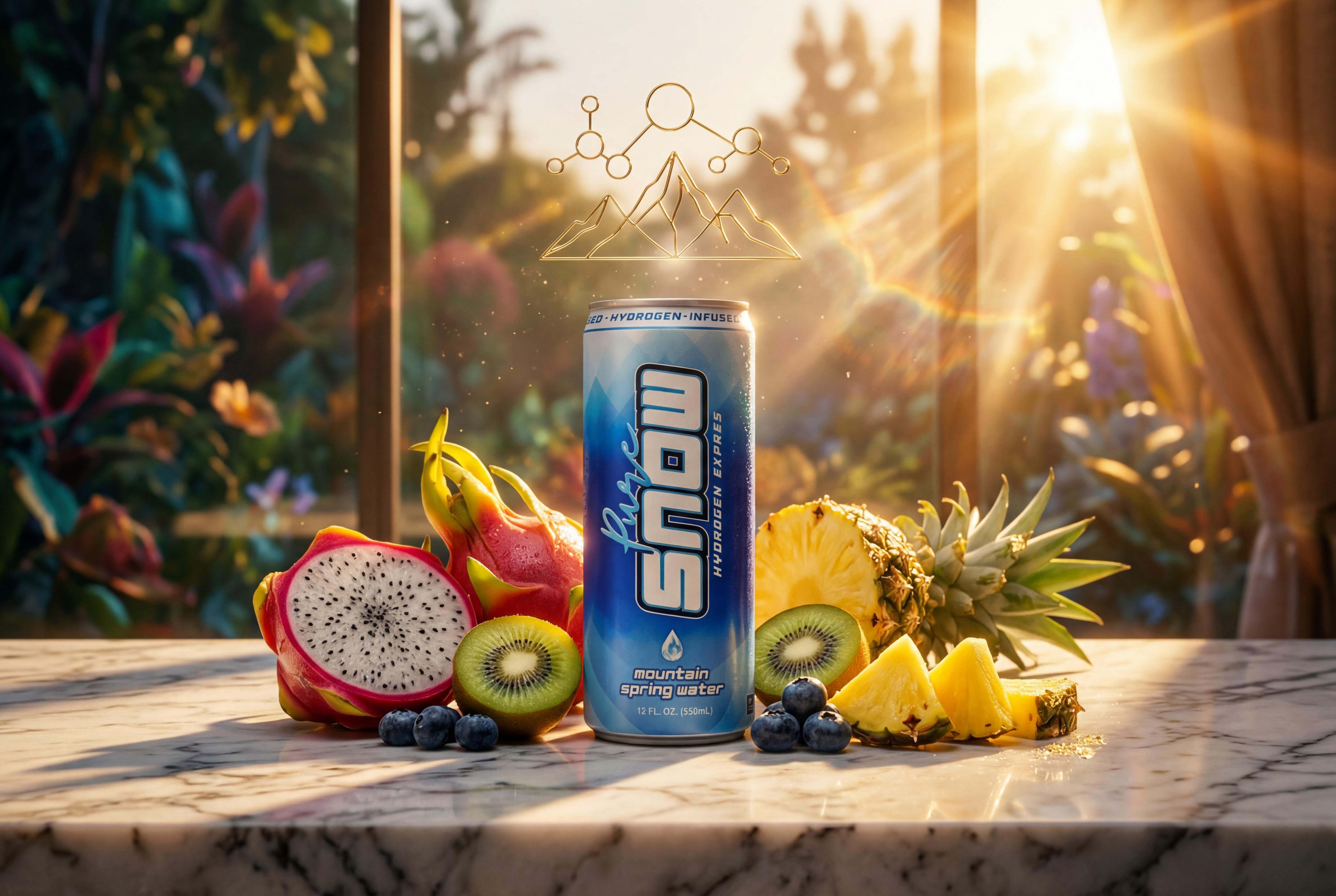
Not all hydrogen water is created equal. The concentration of dissolved hydrogen, the packaging, and the freshness of the water all determine whether you're actually getting a therapeutic dose of H2 or just paying for marketing. Pure Snow uses pharmaceutical-grade aluminum cans to preserve hydrogen concentration, because aluminum is impermeable to gas in a way that plastic simply is not. By the time you open a plastic bottle of hydrogen water, much of the H2 has already escaped.
Pure Snow hydrogen water is crafted from mountain spring water infused with molecular hydrogen at concentrations designed to deliver real, measurable benefits. Every can is sealed to protect potency from production to the moment you drink it. If you're ready to experience the difference, explore Pure Snow's shop and find the option that fits your routine.
KEY TAKEAWAY: Molecular hydrogen is a uniquely selective antioxidant that can reach cells other molecules cannot, with growing scientific evidence supporting its role in reducing oxidative stress, modulating inflammation, and supporting brain and cellular health.
If you're serious about supporting your health at the cellular level, Pure Snow makes it easy to get a consistent, high-quality dose of molecular hydrogen every single day. Try it for yourself and feel the difference that real science and premium sourcing can make.
FAQ
Q: What makes molecular hydrogen different from other antioxidants?
A: Molecular hydrogen is the smallest known antioxidant, allowing it to penetrate cell membranes and cross the blood-brain barrier. It selectively neutralizes the most harmful free radicals without disrupting the beneficial reactive oxygen species your body needs.
Q: How much research exists on molecular hydrogen health benefits?
A: Since the landmark 2007 Nature Medicine study, hundreds of peer-reviewed papers have been published exploring molecular hydrogen's effects on oxidative stress, inflammation, metabolic health, brain function, and more. Research is ongoing and expanding globally.
Q: Is drinking hydrogen water the best way to get molecular hydrogen?
A: Drinking hydrogen-infused water is one of the most practical and accessible delivery methods available. The key is choosing water with a high H2 concentration in airtight, gas-impermeable packaging like aluminum cans to ensure the hydrogen remains dissolved until consumption.
Back to BlogSo what exactly is molecular hydrogen, and why does it matter for your health? Let's break it down in a way that's clear, honest, and grounded in real science.
WHAT IS MOLECULAR HYDROGEN AND WHY DOES IT MATTER
Molecular hydrogen is the smallest molecule in existence. Written as H2, it consists of two hydrogen atoms bonded together. Because of its tiny size, it can penetrate cell membranes, cross the blood-brain barrier, and reach parts of the body that larger antioxidant molecules simply cannot access. This is what makes it uniquely interesting from a biological standpoint.
Unlike many antioxidants that indiscriminately neutralize free radicals, molecular hydrogen is selective. It primarily targets the most harmful type of free radical, the hydroxyl radical, without interfering with beneficial reactive oxygen species that your body actually needs for signaling and immune function. This selectivity is one of the reasons researchers are so enthusiastic about its potential.
THE ANTIOXIDANT CASE FOR MOLECULAR HYDROGEN
Oxidative stress is at the root of a wide range of chronic health conditions, from cardiovascular disease and metabolic disorders to neurological decline and accelerated aging. When your body produces more free radicals than it can neutralize, cells and DNA take the hit. Antioxidants are your body's defense system against this damage.
Molecular hydrogen supports this defense in a meaningful way. According to a landmark study published in Nature Medicine, inhaled hydrogen gas reduced oxidative stress damage in a rat model of stroke, demonstrating that molecular hydrogen could act as a therapeutic antioxidant. That study, published in 2007, sparked a wave of global research that has continued to expand ever since. Today, hundreds of studies have explored how molecular hydrogen interacts with the body's oxidative and inflammatory pathways.
MOLECULAR HYDROGEN AND INFLAMMATION
One of the most consistently documented molecular hydrogen health benefits is its ability to modulate inflammatory responses. Chronic low-grade inflammation is now understood to be a driver of many modern diseases, including type 2 diabetes, heart disease, and certain cancers. Reducing unnecessary inflammation without suppressing the immune system entirely is the goal, and molecular hydrogen appears to help do exactly that.
Research suggests that H2 influences key inflammatory signaling pathways, including the NF-kB pathway, which regulates the body's inflammatory response at the cellular level. By helping to quiet excessive inflammation, molecular hydrogen may support better long-term health outcomes across multiple body systems. This makes it relevant not just for athletes recovering from physical stress, but for anyone dealing with the cumulative effects of modern lifestyle stressors.
BRAIN HEALTH AND NEUROPROTECTION
The ability of molecular hydrogen to cross the blood-brain barrier is particularly exciting for researchers studying cognitive health and neuroprotection. The brain is especially vulnerable to oxidative damage because it consumes a disproportionately large amount of oxygen relative to its size, generating significant oxidative byproducts in the process.
Early studies have explored hydrogen's potential role in protecting neurons from damage, supporting cognitive function, and even showing promise in conditions related to neurological decline. While it's important not to overstate conclusions from preliminary research, the mechanistic logic is sound and the early data is encouraging. For anyone interested in long-term brain health, molecular hydrogen is a molecule worth watching.
CELLULAR HEALTH AND ENERGY METABOLISM
Beyond antioxidant and anti-inflammatory effects, molecular hydrogen may also support mitochondrial function. Mitochondria are the energy-producing organelles in your cells, and their efficiency directly affects how energized, focused, and resilient you feel day to day. Oxidative stress is one of the primary drivers of mitochondrial dysfunction, so a molecule that reduces that stress at the cellular level could have meaningful downstream effects on energy and vitality.
This is part of why so many people report feeling more alert and less fatigued when they incorporate hydrogen water into their daily routine. The science suggests it isn't just placebo. There are real biological mechanisms at work, and understanding how hydrogen water works helps explain why delivery method and concentration matter so much for getting these benefits consistently.
HOW PURE SNOW DELIVERS MOLECULAR HYDROGEN EFFECTIVELY
Not all hydrogen water is created equal. The concentration of dissolved hydrogen, the packaging, and the freshness of the water all determine whether you're actually getting a therapeutic dose of H2 or just paying for marketing. Pure Snow uses pharmaceutical-grade aluminum cans to preserve hydrogen concentration, because aluminum is impermeable to gas in a way that plastic simply is not. By the time you open a plastic bottle of hydrogen water, much of the H2 has already escaped.
Pure Snow hydrogen water is crafted from mountain spring water infused with molecular hydrogen at concentrations designed to deliver real, measurable benefits. Every can is sealed to protect potency from production to the moment you drink it. If you're ready to experience the difference, explore Pure Snow's shop and find the option that fits your routine.
KEY TAKEAWAY: Molecular hydrogen is a uniquely selective antioxidant that can reach cells other molecules cannot, with growing scientific evidence supporting its role in reducing oxidative stress, modulating inflammation, and supporting brain and cellular health.
If you're serious about supporting your health at the cellular level, Pure Snow makes it easy to get a consistent, high-quality dose of molecular hydrogen every single day. Try it for yourself and feel the difference that real science and premium sourcing can make.
FAQ
Q: What makes molecular hydrogen different from other antioxidants?
A: Molecular hydrogen is the smallest known antioxidant, allowing it to penetrate cell membranes and cross the blood-brain barrier. It selectively neutralizes the most harmful free radicals without disrupting the beneficial reactive oxygen species your body needs.
Q: How much research exists on molecular hydrogen health benefits?
A: Since the landmark 2007 Nature Medicine study, hundreds of peer-reviewed papers have been published exploring molecular hydrogen's effects on oxidative stress, inflammation, metabolic health, brain function, and more. Research is ongoing and expanding globally.
Q: Is drinking hydrogen water the best way to get molecular hydrogen?
A: Drinking hydrogen-infused water is one of the most practical and accessible delivery methods available. The key is choosing water with a high H2 concentration in airtight, gas-impermeable packaging like aluminum cans to ensure the hydrogen remains dissolved until consumption.