Molecular Hydrogen Health Benefits: What Science Actually Says
If you've been hearing a lot about molecular hydrogen health benefits in June 2026, you're not alone. Interest in this area of wellness science has grown dramatically over the past few years, and with it has come a wave of both genuine research and misleading claims. Before you decide whether hydrogen water deserves a place in your daily routine, it's worth clearing up a few misconceptions that tend to circulate online. Let's look at what the science actually supports — and what it doesn't.
MISCONCEPTION 1: MOLECULAR HYDROGEN IS JUST A WELLNESS TREND WITH NO REAL SCIENCE BEHIND IT
This is probably the most common pushback people encounter when they first start researching hydrogen water. The assumption is that it belongs in the same category as fad supplements or detox teas — appealing but unsubstantiated. That assumption is wrong. Molecular hydrogen (H2) has been studied in over 1,000 peer-reviewed papers across conditions ranging from metabolic syndrome to neurological health. Researchers have been examining its properties since a landmark 2007 study demonstrated that inhaled hydrogen could reduce oxidative damage in rat brains. The scientific community is genuinely engaged with this molecule, not just wellness bloggers.
What makes H2 scientifically interesting is its size. As the smallest molecule in existence, it can cross cell membranes, the blood-brain barrier, and mitochondrial walls with ease — something most antioxidants simply cannot do. This gives it access to areas of the body where oxidative stress tends to accumulate most. According to a foundational study published in Nature Medicine, molecular hydrogen acts as a selective antioxidant, neutralizing the most harmful free radicals like hydroxyl radicals while leaving beneficial reactive oxygen species intact. That selectivity is what sets it apart from blunt-force antioxidant supplements.
MISCONCEPTION 2: THE BENEFITS ARE ALL ABOUT ANTIOXIDANTS, NOTHING MORE
While the antioxidant angle is real and well-documented, reducing molecular hydrogen health benefits to "it's just an antioxidant" undersells what researchers are actually finding. H2 appears to influence several biological pathways simultaneously, including anti-inflammatory signaling, mitochondrial energy production, and even gene expression related to cellular stress responses.
Studies have explored hydrogen's potential role in supporting brain function, metabolic health, athletic recovery, and gut health. Inflammation reduction is one of the most consistently reported findings across the literature. Researchers have observed decreased markers of systemic inflammation in subjects consuming hydrogen-rich water over periods of several weeks. For athletes, this translates into faster recovery times and reduced muscle fatigue following intense training. For everyday users, it may mean more stable energy levels and a reduction in the low-grade chronic inflammation that underlies many modern health complaints.
It is worth noting that research is ongoing and many studies are still preliminary. The scientific community is cautious about overclaiming, and that caution is appropriate. What we can say with confidence is that the mechanisms are plausible, the early results are promising, and the safety profile is excellent — hydrogen is a naturally occurring molecule that your body already produces in small amounts through gut fermentation.
MISCONCEPTION 3: ALL HYDROGEN WATER PRODUCTS DELIVER THE SAME BENEFITS
This is perhaps the most practically important myth to address, because it affects what you actually put in your body. Not all hydrogen water is created equal. The concentration of dissolved hydrogen, measured in parts per million (PPM), varies enormously between products. A therapeutic dose of hydrogen water is generally considered to start at 1.0 PPM or higher. Many bottled products on the market fall well below this threshold by the time they reach the consumer, largely because hydrogen gas dissipates quickly when exposed to oxygen.
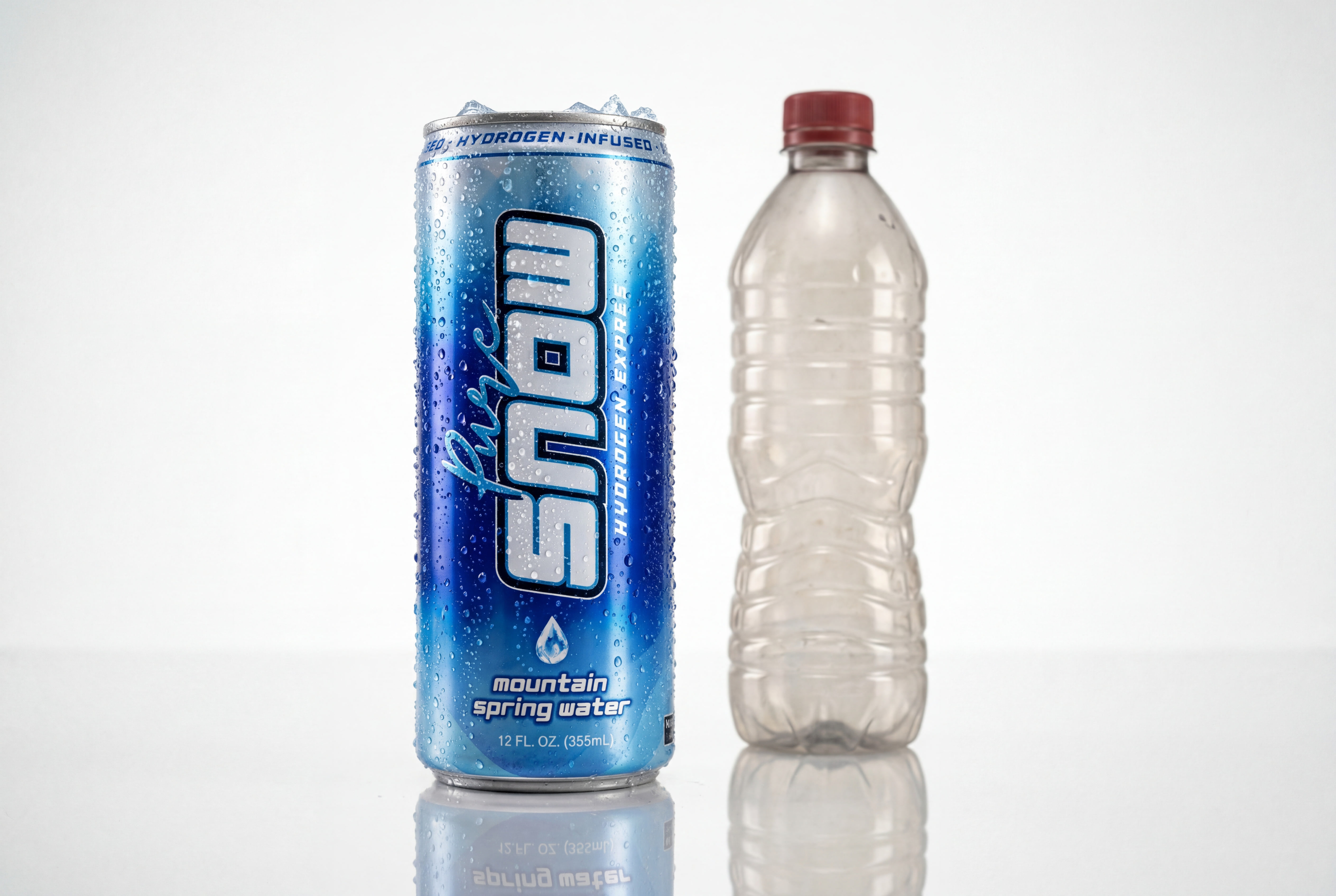
Packaging plays a critical role here. Plastic bottles and even some pouches are permeable to hydrogen gas, meaning the concentration drops significantly between production and consumption. Aluminum cans, by contrast, create an airtight seal that preserves hydrogen concentration from the moment of production through to the moment you open it. This is not a minor detail — it's the difference between receiving an effective dose and drinking water that has lost most of its active properties before you even take a sip.
If you want to understand more about how hydrogen concentration and packaging affect potency, Pure Snow's how it works page breaks down the science in plain language, including what PPM levels actually mean for your health. Choosing a product that maintains its hydrogen concentration through proper sealing and cold chain management is essential if you want to experience the benefits the research describes.
HOW TO MAKE HYDROGEN WATER WORK FOR YOU
Understanding the science is one thing. Getting results requires consistency and product quality working together. Researchers who observe benefits in clinical studies are typically looking at subjects who consume hydrogen-rich water daily over multiple weeks. A single can here and there is unlikely to produce measurable changes. The cumulative effect of regular intake appears to be where the real value lies, particularly for inflammation management and cellular protection.
Start with a high-quality source that guarantees therapeutic PPM levels. Drink it consistently — ideally in the morning or around physical activity when your body's oxidative load is highest. And give it time. Wellness at the cellular level is not an overnight transformation. It's a gradual, compounding process that rewards patience and consistency.
If you're ready to explore a product built around these principles, visit the Pure Snow shop to find a hydrogen water option designed with both science and quality in mind. For questions about what makes one product better than another, the Pure Snow FAQ page is a helpful starting point.
KEY TAKEAWAY: Molecular hydrogen health benefits are grounded in real, peer-reviewed science — but the quality of the product you choose determines whether you actually experience them. Therapeutic concentration, proper packaging, and consistent daily intake are the three factors that matter most.
Exploring hydrogen water doesn't have to be complicated — Pure Snow was built to make the science accessible and the product reliable. Try it for yourself and see what consistent, properly dosed hydrogen water can do for your daily wellness.
FAQ
Q: How much molecular hydrogen do I need to experience health benefits?
A: Most research points to a minimum of 1.0 PPM as a therapeutic threshold. Products that fall below this level may not deliver measurable effects, which is why verifying the concentration of any hydrogen water you purchase is important.
Q: Is it safe to drink molecular hydrogen water every day?
A: Yes. Hydrogen is a naturally occurring molecule that the body already produces through gut microbial activity. No toxicity has been observed in human studies at typical consumption levels, making it one of the safer wellness interventions available.
Q: How quickly will I notice the benefits of molecular hydrogen?
A: Most clinical studies observe measurable changes after two to four weeks of consistent daily intake. Individual results vary depending on baseline health, activity level, and product quality, but patience and consistency are key.
Back to BlogMISCONCEPTION 1: MOLECULAR HYDROGEN IS JUST A WELLNESS TREND WITH NO REAL SCIENCE BEHIND IT
This is probably the most common pushback people encounter when they first start researching hydrogen water. The assumption is that it belongs in the same category as fad supplements or detox teas — appealing but unsubstantiated. That assumption is wrong. Molecular hydrogen (H2) has been studied in over 1,000 peer-reviewed papers across conditions ranging from metabolic syndrome to neurological health. Researchers have been examining its properties since a landmark 2007 study demonstrated that inhaled hydrogen could reduce oxidative damage in rat brains. The scientific community is genuinely engaged with this molecule, not just wellness bloggers.
What makes H2 scientifically interesting is its size. As the smallest molecule in existence, it can cross cell membranes, the blood-brain barrier, and mitochondrial walls with ease — something most antioxidants simply cannot do. This gives it access to areas of the body where oxidative stress tends to accumulate most. According to a foundational study published in Nature Medicine, molecular hydrogen acts as a selective antioxidant, neutralizing the most harmful free radicals like hydroxyl radicals while leaving beneficial reactive oxygen species intact. That selectivity is what sets it apart from blunt-force antioxidant supplements.
MISCONCEPTION 2: THE BENEFITS ARE ALL ABOUT ANTIOXIDANTS, NOTHING MORE
While the antioxidant angle is real and well-documented, reducing molecular hydrogen health benefits to "it's just an antioxidant" undersells what researchers are actually finding. H2 appears to influence several biological pathways simultaneously, including anti-inflammatory signaling, mitochondrial energy production, and even gene expression related to cellular stress responses.
Studies have explored hydrogen's potential role in supporting brain function, metabolic health, athletic recovery, and gut health. Inflammation reduction is one of the most consistently reported findings across the literature. Researchers have observed decreased markers of systemic inflammation in subjects consuming hydrogen-rich water over periods of several weeks. For athletes, this translates into faster recovery times and reduced muscle fatigue following intense training. For everyday users, it may mean more stable energy levels and a reduction in the low-grade chronic inflammation that underlies many modern health complaints.
It is worth noting that research is ongoing and many studies are still preliminary. The scientific community is cautious about overclaiming, and that caution is appropriate. What we can say with confidence is that the mechanisms are plausible, the early results are promising, and the safety profile is excellent — hydrogen is a naturally occurring molecule that your body already produces in small amounts through gut fermentation.
MISCONCEPTION 3: ALL HYDROGEN WATER PRODUCTS DELIVER THE SAME BENEFITS
This is perhaps the most practically important myth to address, because it affects what you actually put in your body. Not all hydrogen water is created equal. The concentration of dissolved hydrogen, measured in parts per million (PPM), varies enormously between products. A therapeutic dose of hydrogen water is generally considered to start at 1.0 PPM or higher. Many bottled products on the market fall well below this threshold by the time they reach the consumer, largely because hydrogen gas dissipates quickly when exposed to oxygen.
Packaging plays a critical role here. Plastic bottles and even some pouches are permeable to hydrogen gas, meaning the concentration drops significantly between production and consumption. Aluminum cans, by contrast, create an airtight seal that preserves hydrogen concentration from the moment of production through to the moment you open it. This is not a minor detail — it's the difference between receiving an effective dose and drinking water that has lost most of its active properties before you even take a sip.
If you want to understand more about how hydrogen concentration and packaging affect potency, Pure Snow's how it works page breaks down the science in plain language, including what PPM levels actually mean for your health. Choosing a product that maintains its hydrogen concentration through proper sealing and cold chain management is essential if you want to experience the benefits the research describes.
HOW TO MAKE HYDROGEN WATER WORK FOR YOU
Understanding the science is one thing. Getting results requires consistency and product quality working together. Researchers who observe benefits in clinical studies are typically looking at subjects who consume hydrogen-rich water daily over multiple weeks. A single can here and there is unlikely to produce measurable changes. The cumulative effect of regular intake appears to be where the real value lies, particularly for inflammation management and cellular protection.
Start with a high-quality source that guarantees therapeutic PPM levels. Drink it consistently — ideally in the morning or around physical activity when your body's oxidative load is highest. And give it time. Wellness at the cellular level is not an overnight transformation. It's a gradual, compounding process that rewards patience and consistency.
If you're ready to explore a product built around these principles, visit the Pure Snow shop to find a hydrogen water option designed with both science and quality in mind. For questions about what makes one product better than another, the Pure Snow FAQ page is a helpful starting point.
KEY TAKEAWAY: Molecular hydrogen health benefits are grounded in real, peer-reviewed science — but the quality of the product you choose determines whether you actually experience them. Therapeutic concentration, proper packaging, and consistent daily intake are the three factors that matter most.
Exploring hydrogen water doesn't have to be complicated — Pure Snow was built to make the science accessible and the product reliable. Try it for yourself and see what consistent, properly dosed hydrogen water can do for your daily wellness.
FAQ
Q: How much molecular hydrogen do I need to experience health benefits?
A: Most research points to a minimum of 1.0 PPM as a therapeutic threshold. Products that fall below this level may not deliver measurable effects, which is why verifying the concentration of any hydrogen water you purchase is important.
Q: Is it safe to drink molecular hydrogen water every day?
A: Yes. Hydrogen is a naturally occurring molecule that the body already produces through gut microbial activity. No toxicity has been observed in human studies at typical consumption levels, making it one of the safer wellness interventions available.
Q: How quickly will I notice the benefits of molecular hydrogen?
A: Most clinical studies observe measurable changes after two to four weeks of consistent daily intake. Individual results vary depending on baseline health, activity level, and product quality, but patience and consistency are key.
