Molecular Hydrogen Health Benefits: What the Science Actually Says
If you've been hearing more about molecular hydrogen health benefits in June 2026, you're not alone. Interest in hydrogen-infused water has grown significantly over the past few years, and with that growth has come a fair share of confusion, bold claims, and skepticism. Before you dismiss it as another wellness trend or, conversely, accept every claim at face value, it's worth taking a clear-eyed look at what the science actually supports — and what common misconceptions are getting in the way of a genuine understanding.
MISCONCEPTION #1: MOLECULAR HYDROGEN IS JUST ANOTHER ANTIOXIDANT BUZZWORD
One of the most persistent myths about molecular hydrogen is that it's simply being marketed as a trendy antioxidant with no real distinction from vitamin C supplements or green tea extracts. This misses something important. What makes molecular hydrogen unique is its size. H2 is the smallest molecule in existence, which means it can penetrate cell membranes, cross the blood-brain barrier, and reach mitochondria in ways that most conventional antioxidants simply cannot. Rather than neutralizing all reactive oxygen species indiscriminately, molecular hydrogen appears to selectively target the most damaging free radicals — specifically hydroxyl radicals and peroxynitrite — while leaving beneficial oxidative processes intact. This selectivity is one of the reasons researchers have taken such a serious interest in it. According to a study published in the journal Antioxidants, molecular hydrogen demonstrates a nuanced antioxidant profile that distinguishes it meaningfully from conventional antioxidant therapies. So no, this isn't just another buzzword — the mechanism is genuinely different.
MISCONCEPTION #2: THE HEALTH BENEFITS ARE EXAGGERATED AND NOT BACKED BY REAL RESEARCH
It's easy to lump hydrogen water in with pseudoscientific wellness products, but doing so ignores a growing body of legitimate peer-reviewed research. Studies have explored the potential of molecular hydrogen across a surprisingly wide range of health areas, including oxidative stress reduction, inflammatory response modulation, cognitive function, athletic recovery, and metabolic health. Researchers in Japan, Korea, and the United States have published findings suggesting that consistent hydrogen water consumption may support cellular health by reducing oxidative damage at the mitochondrial level. This is relevant because mitochondrial dysfunction and chronic oxidative stress are increasingly linked to aging, fatigue, and a range of chronic conditions. The research is still maturing, and it would be irresponsible to claim that hydrogen water cures or treats anything. But dismissing the entire body of research as exaggerated is equally inaccurate. If you want a deeper look at the science behind how this works, Pure Snow's how it works page breaks down the mechanisms in plain, accessible language.
MISCONCEPTION #3: ALL HYDROGEN WATER PRODUCTS DELIVER THE SAME BENEFITS
Perhaps the most practically important misconception is that all hydrogen water is created equal. It isn't. The effectiveness of hydrogen water depends almost entirely on concentration and delivery. Molecular hydrogen is a dissolved gas, and it dissipates quickly when exposed to air, heat, or permeable packaging. Many products on the market — particularly those sold in plastic bottles or as hydrogen tablets dropped into tap water — may contain far less dissolved hydrogen than advertised by the time they reach you. Concentration is typically measured in parts per million (PPM) or in milligrams per liter, and a therapeutically relevant dose generally starts at around 1.0 to 1.6 mg/L or higher. If a product can't verify its hydrogen concentration at the point of consumption, the benefits you're hoping for may simply not be there.
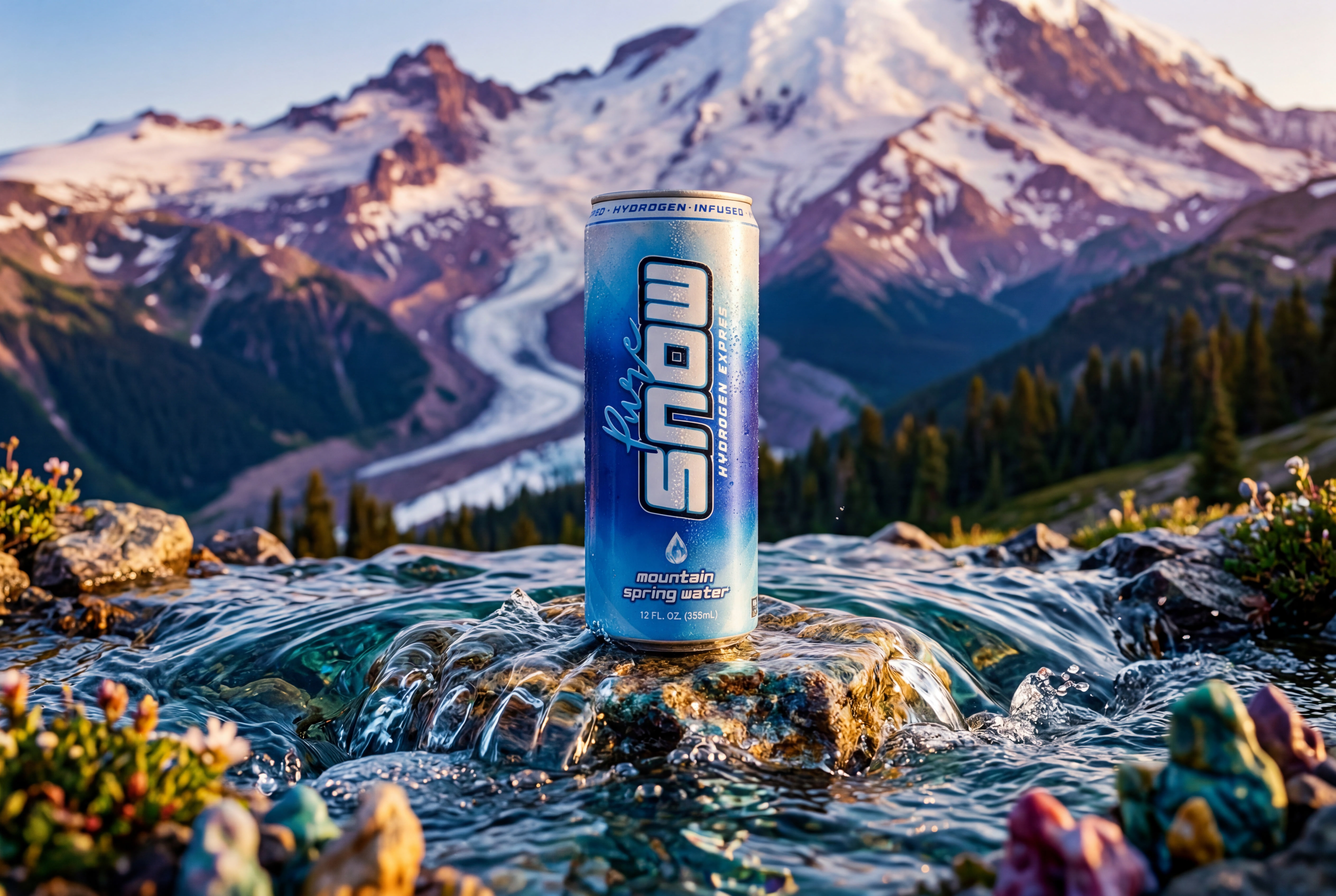
This is why the packaging format matters enormously. Aluminum cans create a far more effective seal against hydrogen dissipation than plastic alternatives, which is why Pure Snow hydrogen water is specifically packaged in sealed aluminum cans to preserve concentration from production all the way to your first sip. Mountain spring water as the base also matters — the mineral profile and natural purity of the water affects both taste and the stability of dissolved hydrogen.
WHAT MOLECULAR HYDROGEN HEALTH BENEFITS ACTUALLY LOOK LIKE IN PRACTICE
When you understand the real science and cut through the noise, the picture becomes clearer. Molecular hydrogen health benefits appear to be most relevant in the following areas: reducing systemic oxidative stress, supporting faster muscle recovery after exercise, promoting a balanced inflammatory response, and potentially supporting cognitive clarity and focus. These aren't mystical claims — they're areas where the oxidative stress mechanism directly applies. Active individuals, people managing high-stress lifestyles, those concerned with healthy aging, and anyone dealing with post-exercise inflammation are the groups most likely to notice a meaningful difference from incorporating quality hydrogen water into their routine.
Consistency also matters. Just as you wouldn't expect a single dose of omega-3s to change your cardiovascular health, a one-time glass of hydrogen water won't deliver transformative results. Regular daily intake at therapeutic concentrations is where researchers have observed the most meaningful effects. If you're curious about how to get started and what a regular supply looks like, you can try Pure Snow in a convenient 12-pack and see how it fits into your daily wellness routine.
KEY TAKEAWAY: Molecular hydrogen health benefits are supported by a growing and credible body of research, but product quality and concentration are everything — choosing a properly sealed, high-concentration hydrogen water is essential to actually experiencing those benefits.
Ready to experience the difference that real, science-backed hydrogen water can make? Explore what makes Pure Snow stand apart at puresnow.ai and give your body the quality it deserves.
FAQ
Q: Are molecular hydrogen health benefits supported by clinical research?
A: Yes, there is a meaningful body of peer-reviewed research exploring molecular hydrogen's effects on oxidative stress, inflammation, and cellular health. While the field is still developing, multiple published studies suggest real biological activity at therapeutic concentrations.
Q: How much hydrogen water do I need to drink to experience benefits?
A: Most research points to a therapeutic threshold starting around 1.0 to 1.6 mg/L of dissolved hydrogen, consumed consistently each day. The exact amount varies by individual and health goal, but daily regular intake is generally considered more effective than occasional use.
Q: Does the type of container hydrogen water comes in actually matter?
A: Absolutely. Molecular hydrogen is a dissolved gas that escapes through permeable materials like plastic. Aluminum cans provide a much tighter seal, preserving hydrogen concentration significantly better from production through to consumption.