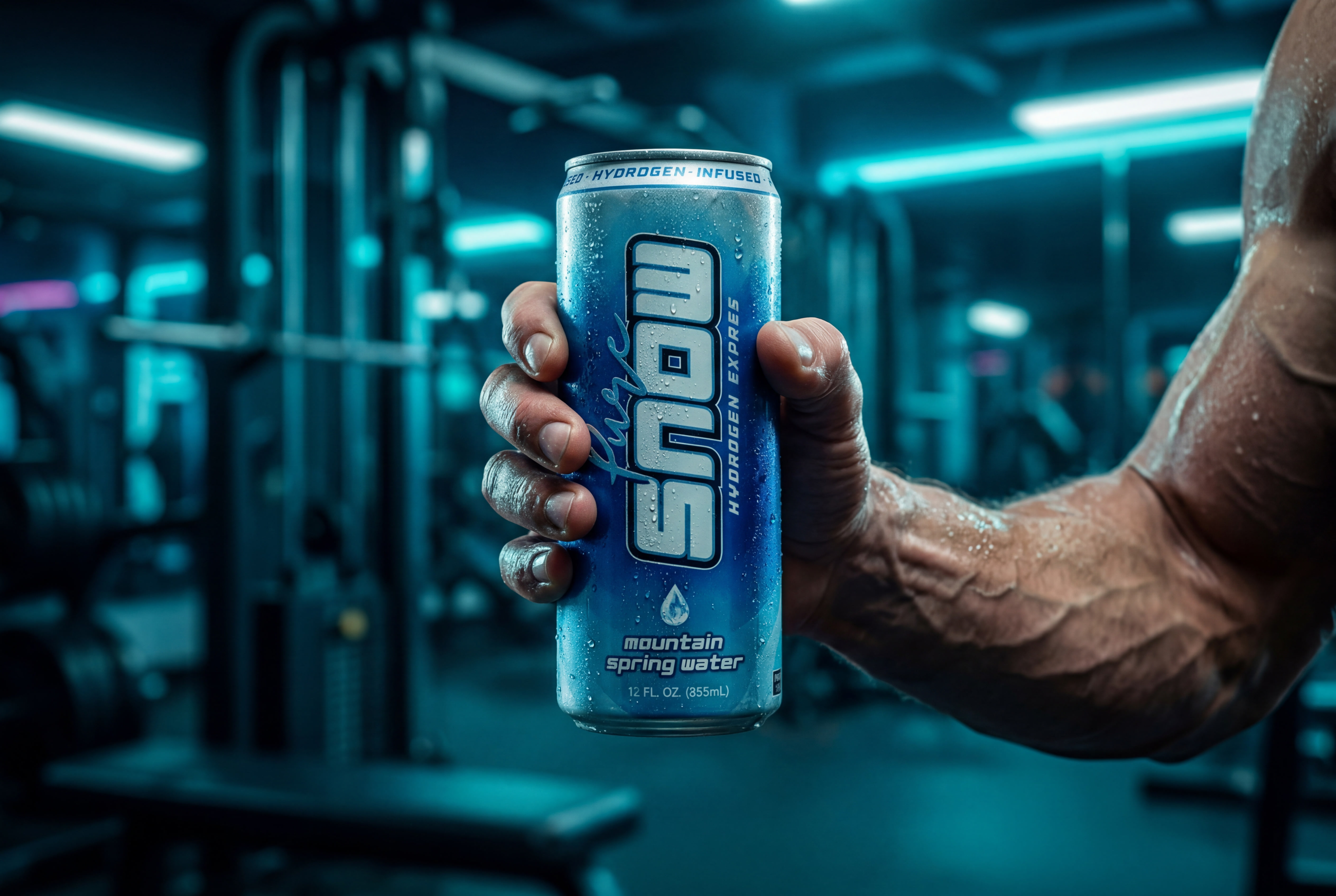
Is Hydrogen Water Safe to Drink Daily? 7 Reassuring Reasons Backed by Science
If you have been curious about hydrogen water but hesitant to make it a daily habit, you are not alone. As of September 2026, hydrogen water has moved firmly from wellness trend to mainstream staple, and the most common question we hear at Pure Snow is a simple one: is hydrogen water safe to drink daily? The short answer is yes, and the longer answer is even more reassuring. Below are seven evidence-based reasons you can feel completely confident making hydrogen water part of your everyday routine.
1. HYDROGEN WATER IS JUST WATER WITH EXTRA HYDROGEN GAS
Let us start with the basics. Hydrogen water is simply purified water infused with molecular hydrogen, also known as H2 gas. There are no added chemicals, minerals, sweeteners, or additives involved in the process. Molecular hydrogen is the smallest and most abundant molecule in the universe, and dissolving it into water does not change the water itself in any harmful way. When you drink hydrogen water, you are drinking water, full stop, with the addition of a dissolved gas that your body can readily use or harmlessly exhale. If you want a deeper look at exactly what happens during infusion, you can explore how Pure Snow hydrogen water works, including what PPM means and why concentration matters.
2. MOLECULAR HYDROGEN IS RECOGNIZED AS SAFE FOR CONSUMPTION
In the United States, molecular hydrogen has been granted GRAS status, which stands for Generally Recognized As Safe, for use in beverages. This designation means qualified experts have reviewed the available evidence and concluded that hydrogen, at the levels used in drinking water, poses no known risk to consumers. Regulatory recognition like this does not happen casually. It reflects decades of use in medical and food contexts, including hydrogen-enriched gas mixtures used safely by deep-sea divers since the 1940s at concentrations far higher than anything found in a can of hydrogen water.
3. RESEARCH HAS CONSISTENTLY SHOWN NO TOXICITY
Scientific interest in molecular hydrogen accelerated dramatically after a landmark 2007 paper demonstrated that hydrogen can act as a selective antioxidant, neutralizing only the most harmful free radicals in the body. According to that study published in Nature Medicine, hydrogen selectively reduced cytotoxic oxygen radicals without disturbing the beneficial reactive species your cells actually need for normal signaling. In the years since, hundreds of studies across animal and human models have investigated hydrogen for a wide range of applications, and a consistent theme has emerged: researchers report an excellent safety profile with no meaningful adverse effects, even with regular daily consumption over extended periods.
4. YOUR BODY ALREADY PRODUCES HYDROGEN NATURALLY
Here is something many people find surprising: your gut bacteria produce molecular hydrogen every single day as a natural byproduct of fermenting fiber. In other words, hydrogen is not a foreign substance to your body. It is something your own microbiome generates constantly. Drinking hydrogen water simply delivers an additional, concentrated dose of a molecule your physiology is already intimately familiar with. Any hydrogen your body does not use is exhaled through your lungs within a short time, which means there is no accumulation and no burden on your liver or kidneys.
5. THERE IS NO KNOWN OVERDOSE THRESHOLD FROM DRINKING IT
Because hydrogen is a gas that dissolves in water only up to a natural saturation limit, there is a built-in ceiling on how much you can consume from drinking hydrogen water. Even if you drank several cans throughout the day, you would still be well within levels studied safely in clinical research. The excess simply diffuses out of your body through respiration. This is very different from supplements where megadosing can create real risks. With hydrogen water, the practical concern is not drinking too much hydrogen. It is simply staying within sensible daily water intake overall, the same guideline that applies to any water.
6. QUALITY PACKAGING PROTECTS BOTH SAFETY AND POTENCY
One legitimate consideration is not the hydrogen itself but the container it comes in. Molecular hydrogen is so small that it escapes through plastic bottles quickly, and plastic can introduce its own concerns over time. That is why premium hydrogen water is packaged in aluminum, which locks in the dissolved hydrogen and keeps the water pristine from canning to sipping. Pure Snow uses aluminum cans specifically because they preserve hydrogen concentration and avoid the drawbacks of plastic altogether. Choosing a well-packaged product means you get both the safety and the actual benefit you are paying for.
7. DAILY CONSISTENCY IS ACTUALLY HOW THE BENEFITS SHOW UP
Far from being a concern, daily consumption is exactly how researchers study hydrogen water. Most human trials involve participants drinking hydrogen water every day for weeks or months, and it is that consistent intake that appears linked to outcomes like reduced markers of oxidative stress and improved recovery. Because hydrogen clears from the body within hours, a single occasional serving is unlikely to move the needle much. Regular daily intake keeps a steady supply available to your cells. If you have more questions about serving sizes, timing, or how hydrogen water fits into your routine, the Pure Snow FAQ page covers the questions we hear most often.
WHO SHOULD STILL CHECK WITH A DOCTOR FIRST
While hydrogen water is remarkably safe for the general population, the same common-sense rule applies here as with any dietary change. If you are pregnant, nursing, managing a chronic medical condition, or taking prescription medications, it is always wise to mention new additions to your routine to your healthcare provider. Not because hydrogen water carries known risks in these situations, but because your doctor knows your full health picture. For virtually everyone else, hydrogen water can be treated exactly like regular water in terms of daily safety, because at its core, that is what it is.
KEY TAKEAWAY: Hydrogen water is safe to drink every day. Molecular hydrogen holds GRAS status, is naturally produced by your own gut bacteria, cannot accumulate in the body, and has shown no toxicity across hundreds of studies, making daily consumption both safe and the most effective way to experience its benefits.
Ready to make hydrogen water part of your daily routine with total confidence? Explore Pure Snow hydrogen water today and taste the difference that premium mountain spring water infused with molecular hydrogen can make.
FAQ
Q: Can I drink hydrogen water every day long term?
A: Yes. Clinical studies have had participants drink hydrogen water daily for months with no reported adverse effects. Any hydrogen your body does not use is naturally exhaled, so there is no buildup over time.
Q: Are there any side effects of hydrogen water?
A: Research to date has not identified meaningful side effects from drinking hydrogen water. It is simply water with dissolved hydrogen gas, a molecule your gut bacteria already produce naturally every day.
Q: How much hydrogen water should I drink per day?
A: Most studies use one to three servings daily, which is a comfortable and effective range for most people. Because hydrogen clears from the body within hours, spreading servings throughout the day helps maintain steady levels.
Back to Blog1. HYDROGEN WATER IS JUST WATER WITH EXTRA HYDROGEN GAS
Let us start with the basics. Hydrogen water is simply purified water infused with molecular hydrogen, also known as H2 gas. There are no added chemicals, minerals, sweeteners, or additives involved in the process. Molecular hydrogen is the smallest and most abundant molecule in the universe, and dissolving it into water does not change the water itself in any harmful way. When you drink hydrogen water, you are drinking water, full stop, with the addition of a dissolved gas that your body can readily use or harmlessly exhale. If you want a deeper look at exactly what happens during infusion, you can explore how Pure Snow hydrogen water works, including what PPM means and why concentration matters.
2. MOLECULAR HYDROGEN IS RECOGNIZED AS SAFE FOR CONSUMPTION
In the United States, molecular hydrogen has been granted GRAS status, which stands for Generally Recognized As Safe, for use in beverages. This designation means qualified experts have reviewed the available evidence and concluded that hydrogen, at the levels used in drinking water, poses no known risk to consumers. Regulatory recognition like this does not happen casually. It reflects decades of use in medical and food contexts, including hydrogen-enriched gas mixtures used safely by deep-sea divers since the 1940s at concentrations far higher than anything found in a can of hydrogen water.
3. RESEARCH HAS CONSISTENTLY SHOWN NO TOXICITY
Scientific interest in molecular hydrogen accelerated dramatically after a landmark 2007 paper demonstrated that hydrogen can act as a selective antioxidant, neutralizing only the most harmful free radicals in the body. According to that study published in Nature Medicine, hydrogen selectively reduced cytotoxic oxygen radicals without disturbing the beneficial reactive species your cells actually need for normal signaling. In the years since, hundreds of studies across animal and human models have investigated hydrogen for a wide range of applications, and a consistent theme has emerged: researchers report an excellent safety profile with no meaningful adverse effects, even with regular daily consumption over extended periods.
4. YOUR BODY ALREADY PRODUCES HYDROGEN NATURALLY
Here is something many people find surprising: your gut bacteria produce molecular hydrogen every single day as a natural byproduct of fermenting fiber. In other words, hydrogen is not a foreign substance to your body. It is something your own microbiome generates constantly. Drinking hydrogen water simply delivers an additional, concentrated dose of a molecule your physiology is already intimately familiar with. Any hydrogen your body does not use is exhaled through your lungs within a short time, which means there is no accumulation and no burden on your liver or kidneys.
5. THERE IS NO KNOWN OVERDOSE THRESHOLD FROM DRINKING IT
Because hydrogen is a gas that dissolves in water only up to a natural saturation limit, there is a built-in ceiling on how much you can consume from drinking hydrogen water. Even if you drank several cans throughout the day, you would still be well within levels studied safely in clinical research. The excess simply diffuses out of your body through respiration. This is very different from supplements where megadosing can create real risks. With hydrogen water, the practical concern is not drinking too much hydrogen. It is simply staying within sensible daily water intake overall, the same guideline that applies to any water.
6. QUALITY PACKAGING PROTECTS BOTH SAFETY AND POTENCY
One legitimate consideration is not the hydrogen itself but the container it comes in. Molecular hydrogen is so small that it escapes through plastic bottles quickly, and plastic can introduce its own concerns over time. That is why premium hydrogen water is packaged in aluminum, which locks in the dissolved hydrogen and keeps the water pristine from canning to sipping. Pure Snow uses aluminum cans specifically because they preserve hydrogen concentration and avoid the drawbacks of plastic altogether. Choosing a well-packaged product means you get both the safety and the actual benefit you are paying for.
7. DAILY CONSISTENCY IS ACTUALLY HOW THE BENEFITS SHOW UP
Far from being a concern, daily consumption is exactly how researchers study hydrogen water. Most human trials involve participants drinking hydrogen water every day for weeks or months, and it is that consistent intake that appears linked to outcomes like reduced markers of oxidative stress and improved recovery. Because hydrogen clears from the body within hours, a single occasional serving is unlikely to move the needle much. Regular daily intake keeps a steady supply available to your cells. If you have more questions about serving sizes, timing, or how hydrogen water fits into your routine, the Pure Snow FAQ page covers the questions we hear most often.
WHO SHOULD STILL CHECK WITH A DOCTOR FIRST
While hydrogen water is remarkably safe for the general population, the same common-sense rule applies here as with any dietary change. If you are pregnant, nursing, managing a chronic medical condition, or taking prescription medications, it is always wise to mention new additions to your routine to your healthcare provider. Not because hydrogen water carries known risks in these situations, but because your doctor knows your full health picture. For virtually everyone else, hydrogen water can be treated exactly like regular water in terms of daily safety, because at its core, that is what it is.
KEY TAKEAWAY: Hydrogen water is safe to drink every day. Molecular hydrogen holds GRAS status, is naturally produced by your own gut bacteria, cannot accumulate in the body, and has shown no toxicity across hundreds of studies, making daily consumption both safe and the most effective way to experience its benefits.
Ready to make hydrogen water part of your daily routine with total confidence? Explore Pure Snow hydrogen water today and taste the difference that premium mountain spring water infused with molecular hydrogen can make.
FAQ
Q: Can I drink hydrogen water every day long term?
A: Yes. Clinical studies have had participants drink hydrogen water daily for months with no reported adverse effects. Any hydrogen your body does not use is naturally exhaled, so there is no buildup over time.
Q: Are there any side effects of hydrogen water?
A: Research to date has not identified meaningful side effects from drinking hydrogen water. It is simply water with dissolved hydrogen gas, a molecule your gut bacteria already produce naturally every day.
Q: How much hydrogen water should I drink per day?
A: Most studies use one to three servings daily, which is a comfortable and effective range for most people. Because hydrogen clears from the body within hours, spreading servings throughout the day helps maintain steady levels.