Hydrogen Water vs Regular Water: What's Actually Different?
If you've been seeing hydrogen water pop up everywhere and wondering whether it's genuinely different from what comes out of your tap, you're not alone. July 2026 has brought a surge of interest in functional beverages, and hydrogen water is one of the most talked-about options on the market right now. But when you put hydrogen water vs regular water side by side, what actually changes? Is it just clever marketing, or is there something real going on at the molecular level? Let's break it down clearly so you can make an informed decision.
WHAT IS REGULAR WATER, EXACTLY?
Regular water — whether it's tap, filtered, or standard bottled spring water — is H₂O. Two hydrogen atoms bonded to one oxygen atom. It's essential for life, hydration, and virtually every biological process in your body. Quality can vary depending on the source and what's been added or removed during treatment, but the fundamental chemical structure is the same. It does not contain any meaningful concentration of dissolved molecular hydrogen gas (H₂). That distinction matters more than most people realize.
WHAT MAKES HYDROGEN WATER DIFFERENT?
Hydrogen water starts as regular water — but then molecular hydrogen gas (H₂) is infused into it under pressure. This dissolved hydrogen is a separate molecule from the hydrogen atoms already bonded into the water structure. Think of it like carbonated water: the base is still H₂O, but CO₂ gas has been dissolved into it. In hydrogen water, the dissolved gas is H₂ instead of CO₂. The result is a beverage that looks and tastes almost identical to regular water, but carries an additional therapeutic agent: molecular hydrogen. This tiny, electrically neutral molecule is the smallest in existence, which means it can penetrate cell membranes and cross the blood-brain barrier in ways that larger molecules cannot. That unique property is central to why researchers have become so interested in it over the past decade.
THE SCIENCE BEHIND THE DIFFERENCE
The key question isn't just whether something is added to the water — it's whether that addition does anything meaningful in the body. Molecular hydrogen has been studied for its potential as a selective antioxidant, meaning it may neutralize only the most harmful free radicals (specifically hydroxyl radicals and peroxynitrite) without interfering with the beneficial reactive oxygen species your body uses for normal signaling. This selectivity is what sets it apart from broad-spectrum antioxidants like vitamin C or E. According to a study published in Free Radical Research, molecular hydrogen acts as a therapeutic antioxidant by selectively reducing cytotoxic oxygen radicals, suggesting real biological activity that goes well beyond what plain water can offer. Regular water hydrates you — and that's genuinely important — but it does not deliver this kind of antioxidant mechanism.
HYDRATION: IS THERE A DIFFERENCE THERE TOO?
Both regular water and hydrogen water hydrate you. Hydration itself comes from the H₂O, not from the dissolved hydrogen gas. So if you're comparing the two purely on hydration, regular water holds its own just fine. Where hydrogen water may pull ahead is in supporting the conditions under which your body recovers and functions after hydration. Some research suggests that reducing oxidative stress — which molecular hydrogen may help with — can support better cellular function, including in muscle tissue and neural pathways. But it's important to be accurate here: hydrogen water is not a replacement for adequate water intake. It's more accurately described as regular water with a potential added functional benefit. Understanding how PPM levels and hydrogen concentration affect potency is essential when evaluating any hydrogen water product.
WHAT ABOUT TASTE AND FEEL?
Most people who try hydrogen water for the first time report that it tastes very similar to regular water — perhaps slightly softer or smoother, but not dramatically different. There's no added flavor, no fizz, and no aftertaste. This is actually one of the appeals for people who want a functional upgrade without changing their daily water habits. If you're used to drinking spring water, the transition to high-quality hydrogen water is seamless.
THE PACKAGING PROBLEM MOST BRANDS IGNORE
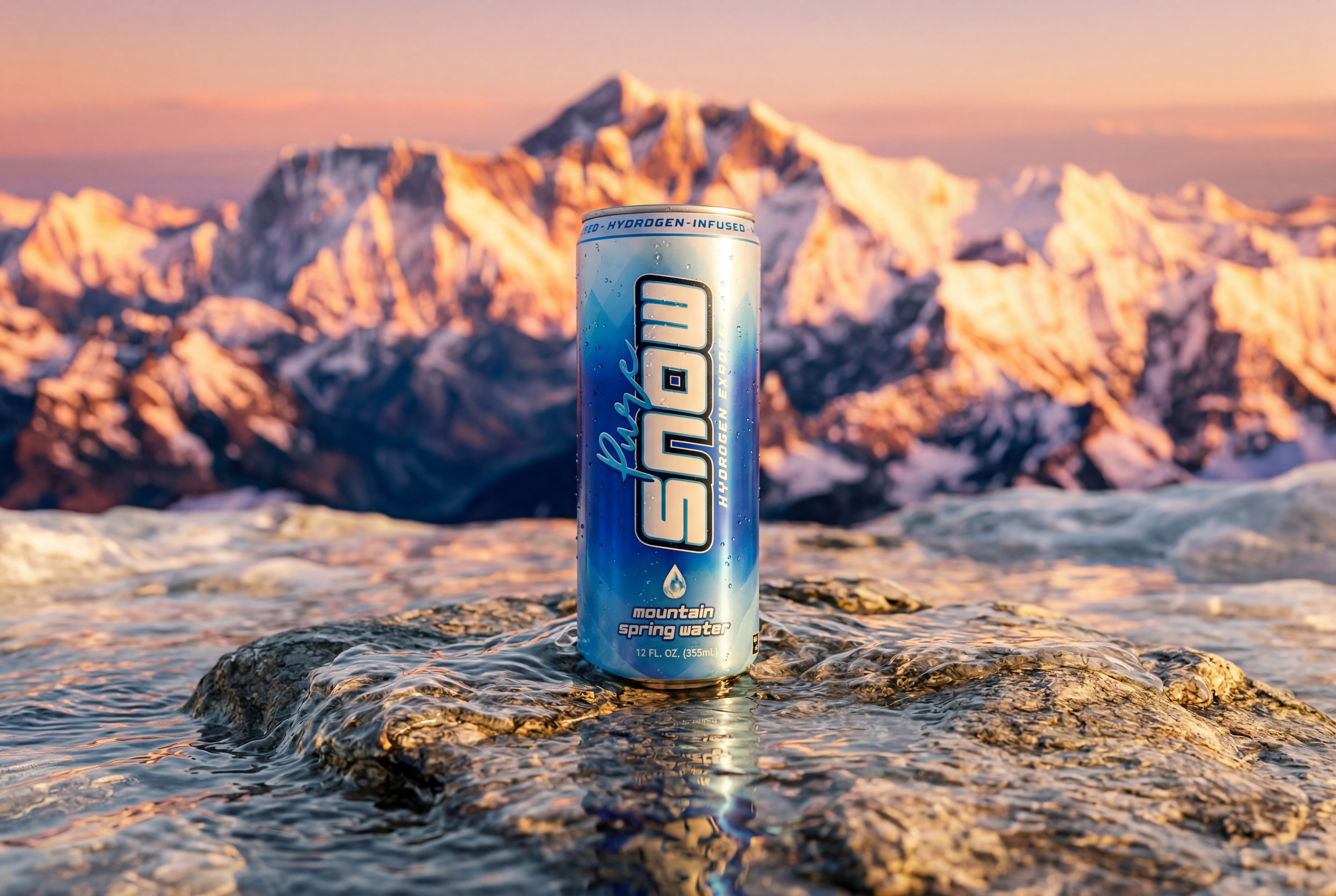
Here's where regular bottled water and most hydrogen water products actually have a critical shared flaw: plastic bottles. Hydrogen gas molecules are so small that they escape through plastic packaging quickly, often leaving you with little to no dissolved hydrogen by the time you drink it. This is why the comparison between hydrogen water vs regular water only matters if the hydrogen water you're drinking actually retains its hydrogen content. Aluminum cans are the gold standard for hydrogen water packaging because they create a true seal that prevents gas escape. Pure Snow hydrogen water is packaged in premium aluminum cans specifically to preserve the dissolved hydrogen concentration until the moment you open it — something most plastic-bottled competitors can't claim.
IS THE PRICE DIFFERENCE JUSTIFIED?
Regular water, especially filtered tap water, is essentially free. Even premium bottled spring water is cheap by comparison to hydrogen water. So is the price gap worth it? That depends on what you're optimizing for. If you're an athlete, someone managing chronic fatigue, or simply looking for a daily wellness habit with scientific backing, the cost of hydrogen water becomes more reasonable in context. If you'd like to explore Pure Snow's pricing and subscribe-and-save options, you'll find it's structured to make daily hydrogen water a sustainable habit rather than an occasional splurge.
KEY TAKEAWAY: Hydrogen water and regular water are both H₂O at their core, but hydrogen water contains dissolved molecular hydrogen gas — a selective antioxidant that regular water simply doesn't provide. The difference is real, measurable, and supported by growing science, but only if the product you choose actually retains its hydrogen concentration through proper packaging.
Ready to experience the difference for yourself? Pure Snow delivers premium mountain spring water infused with molecular hydrogen, sealed in aluminum cans to preserve every bit of its potency. Explore Pure Snow and make July 2026 the month you upgrade your hydration.
FAQ
Q: Does hydrogen water taste different from regular water?
A: Most people find hydrogen water tastes very similar to high-quality regular water — perhaps slightly smoother. There's no added flavor, fizz, or aftertaste, making it easy to swap into your daily routine without any adjustment period.
Q: Can I just add hydrogen to my regular tap water at home?
A: There are hydrogen water generators and tablets available for home use, but their effectiveness varies widely. The concentration of dissolved hydrogen and how long it stays stable depends heavily on the method and container used — aluminum-sealed cans from reputable brands offer far more reliable potency.
Q: Is hydrogen water safe to drink every day instead of regular water?
A: Yes, hydrogen water is considered safe for daily consumption. It contains no additives, no altered pH that would disrupt body chemistry, and the dissolved hydrogen gas is simply exhaled through normal respiration. It can replace your regular daily water intake entirely.
Back to BlogWHAT IS REGULAR WATER, EXACTLY?
Regular water — whether it's tap, filtered, or standard bottled spring water — is H₂O. Two hydrogen atoms bonded to one oxygen atom. It's essential for life, hydration, and virtually every biological process in your body. Quality can vary depending on the source and what's been added or removed during treatment, but the fundamental chemical structure is the same. It does not contain any meaningful concentration of dissolved molecular hydrogen gas (H₂). That distinction matters more than most people realize.
WHAT MAKES HYDROGEN WATER DIFFERENT?
Hydrogen water starts as regular water — but then molecular hydrogen gas (H₂) is infused into it under pressure. This dissolved hydrogen is a separate molecule from the hydrogen atoms already bonded into the water structure. Think of it like carbonated water: the base is still H₂O, but CO₂ gas has been dissolved into it. In hydrogen water, the dissolved gas is H₂ instead of CO₂. The result is a beverage that looks and tastes almost identical to regular water, but carries an additional therapeutic agent: molecular hydrogen. This tiny, electrically neutral molecule is the smallest in existence, which means it can penetrate cell membranes and cross the blood-brain barrier in ways that larger molecules cannot. That unique property is central to why researchers have become so interested in it over the past decade.
THE SCIENCE BEHIND THE DIFFERENCE
The key question isn't just whether something is added to the water — it's whether that addition does anything meaningful in the body. Molecular hydrogen has been studied for its potential as a selective antioxidant, meaning it may neutralize only the most harmful free radicals (specifically hydroxyl radicals and peroxynitrite) without interfering with the beneficial reactive oxygen species your body uses for normal signaling. This selectivity is what sets it apart from broad-spectrum antioxidants like vitamin C or E. According to a study published in Free Radical Research, molecular hydrogen acts as a therapeutic antioxidant by selectively reducing cytotoxic oxygen radicals, suggesting real biological activity that goes well beyond what plain water can offer. Regular water hydrates you — and that's genuinely important — but it does not deliver this kind of antioxidant mechanism.
HYDRATION: IS THERE A DIFFERENCE THERE TOO?
Both regular water and hydrogen water hydrate you. Hydration itself comes from the H₂O, not from the dissolved hydrogen gas. So if you're comparing the two purely on hydration, regular water holds its own just fine. Where hydrogen water may pull ahead is in supporting the conditions under which your body recovers and functions after hydration. Some research suggests that reducing oxidative stress — which molecular hydrogen may help with — can support better cellular function, including in muscle tissue and neural pathways. But it's important to be accurate here: hydrogen water is not a replacement for adequate water intake. It's more accurately described as regular water with a potential added functional benefit. Understanding how PPM levels and hydrogen concentration affect potency is essential when evaluating any hydrogen water product.
WHAT ABOUT TASTE AND FEEL?
Most people who try hydrogen water for the first time report that it tastes very similar to regular water — perhaps slightly softer or smoother, but not dramatically different. There's no added flavor, no fizz, and no aftertaste. This is actually one of the appeals for people who want a functional upgrade without changing their daily water habits. If you're used to drinking spring water, the transition to high-quality hydrogen water is seamless.
THE PACKAGING PROBLEM MOST BRANDS IGNORE
Here's where regular bottled water and most hydrogen water products actually have a critical shared flaw: plastic bottles. Hydrogen gas molecules are so small that they escape through plastic packaging quickly, often leaving you with little to no dissolved hydrogen by the time you drink it. This is why the comparison between hydrogen water vs regular water only matters if the hydrogen water you're drinking actually retains its hydrogen content. Aluminum cans are the gold standard for hydrogen water packaging because they create a true seal that prevents gas escape. Pure Snow hydrogen water is packaged in premium aluminum cans specifically to preserve the dissolved hydrogen concentration until the moment you open it — something most plastic-bottled competitors can't claim.
IS THE PRICE DIFFERENCE JUSTIFIED?
Regular water, especially filtered tap water, is essentially free. Even premium bottled spring water is cheap by comparison to hydrogen water. So is the price gap worth it? That depends on what you're optimizing for. If you're an athlete, someone managing chronic fatigue, or simply looking for a daily wellness habit with scientific backing, the cost of hydrogen water becomes more reasonable in context. If you'd like to explore Pure Snow's pricing and subscribe-and-save options, you'll find it's structured to make daily hydrogen water a sustainable habit rather than an occasional splurge.
KEY TAKEAWAY: Hydrogen water and regular water are both H₂O at their core, but hydrogen water contains dissolved molecular hydrogen gas — a selective antioxidant that regular water simply doesn't provide. The difference is real, measurable, and supported by growing science, but only if the product you choose actually retains its hydrogen concentration through proper packaging.
Ready to experience the difference for yourself? Pure Snow delivers premium mountain spring water infused with molecular hydrogen, sealed in aluminum cans to preserve every bit of its potency. Explore Pure Snow and make July 2026 the month you upgrade your hydration.
FAQ
Q: Does hydrogen water taste different from regular water?
A: Most people find hydrogen water tastes very similar to high-quality regular water — perhaps slightly smoother. There's no added flavor, fizz, or aftertaste, making it easy to swap into your daily routine without any adjustment period.
Q: Can I just add hydrogen to my regular tap water at home?
A: There are hydrogen water generators and tablets available for home use, but their effectiveness varies widely. The concentration of dissolved hydrogen and how long it stays stable depends heavily on the method and container used — aluminum-sealed cans from reputable brands offer far more reliable potency.
Q: Is hydrogen water safe to drink every day instead of regular water?
A: Yes, hydrogen water is considered safe for daily consumption. It contains no additives, no altered pH that would disrupt body chemistry, and the dissolved hydrogen gas is simply exhaled through normal respiration. It can replace your regular daily water intake entirely.