Hydrogen Water vs Regular Water: What's Actually Different?
If you've been hearing more about hydrogen water in June 2026 and wondering whether it's genuinely different from what comes out of your tap, you're not alone. The conversation around hydrogen-infused water has grown significantly over the past few years, and for good reason. But with so many wellness products competing for attention, it's worth slowing down and actually comparing hydrogen water to regular water in a clear, science-grounded way. That's exactly what this post does.
WHAT IS THE CORE DIFFERENCE?
Regular water, whether it comes from a tap, a filter, or a standard bottle, is H2O. It contains two hydrogen atoms and one oxygen atom per molecule. It hydrates you, supports organ function, and is essential to life. There is nothing wrong with regular water. But hydrogen water takes that same H2O base and dissolves additional molecular hydrogen gas (H2) into it. This dissolved hydrogen is a separate molecule — not bonded to the water — that remains in solution until you drink it. That distinction matters more than it might initially seem.
THE KEY COMPARISON: HYDRATION ALONE VS HYDRATION PLUS ANTIOXIDANT ACTIVITY
Regular water does not carry antioxidant properties in any meaningful, measurable way. Hydrogen water, by contrast, delivers molecular hydrogen directly into your body, where it acts as a selective antioxidant. The word "selective" is important here. Unlike broad-spectrum antioxidants that can sometimes interfere with beneficial cellular signaling, molecular hydrogen targets only the most harmful free radicals — specifically hydroxyl radicals and peroxynitrite — while leaving beneficial reactive oxygen species intact. This selectivity is one of the most compelling aspects of hydrogen water from a research perspective. According to a landmark study published in Nature Medicine, inhaled hydrogen gas demonstrated a selective antioxidant effect that reduced brain damage in rats, sparking a wave of subsequent human research into molecular hydrogen as a therapeutic agent.
CONCENTRATION: WHERE REGULAR WATER FALLS FLAT
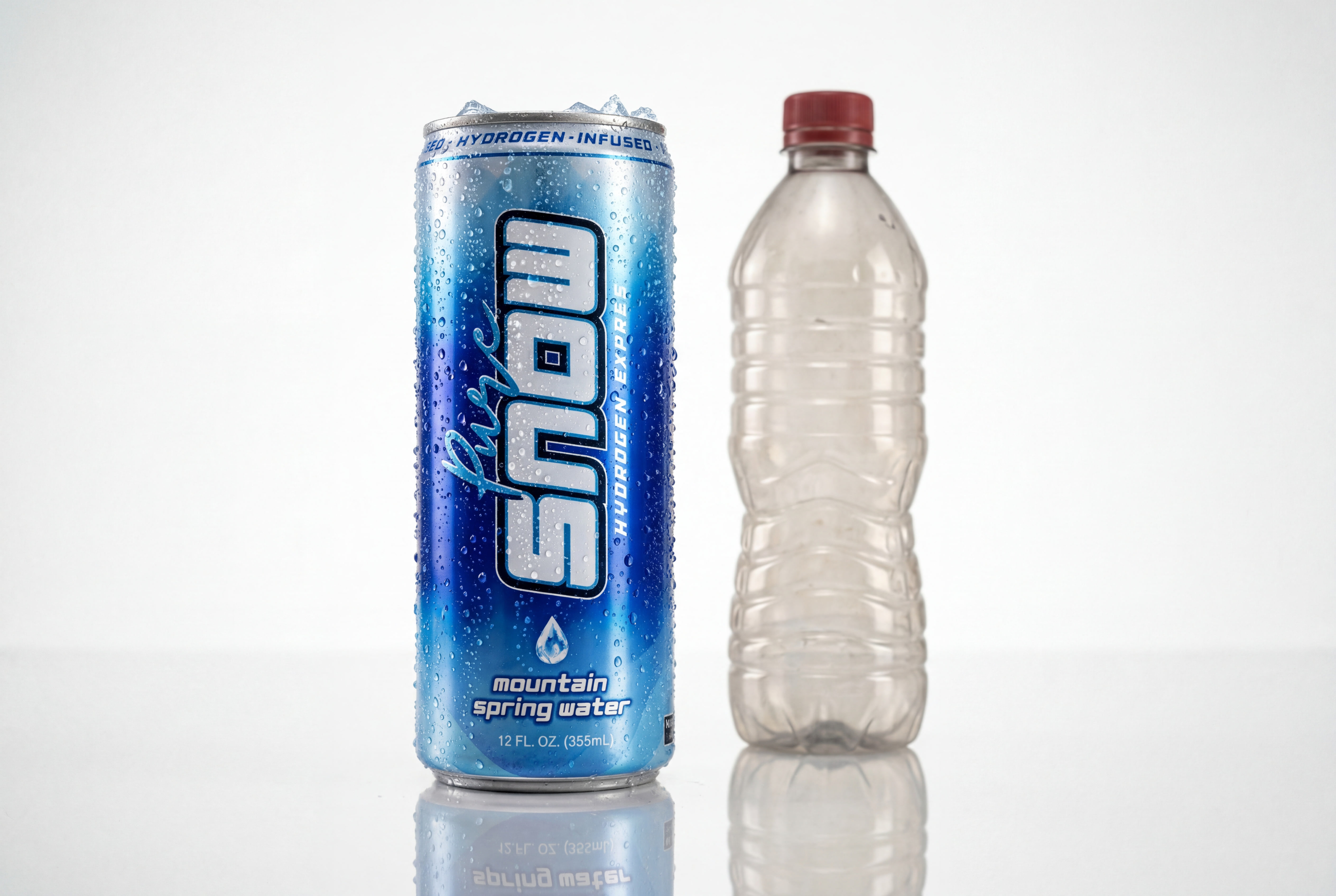
One of the most practical differences between hydrogen water and regular water comes down to measurable hydrogen concentration. Regular water contains trace dissolved hydrogen at levels so negligible they have no biological effect. Hydrogen water, when properly produced and sealed, contains hydrogen at concentrations typically between 1.0 and 1.6 parts per million (PPM) or higher — a range that research suggests may be sufficient to exert antioxidant effects in the body. The delivery method matters enormously here. Aluminum cans, for example, preserve dissolved hydrogen far more effectively than plastic bottles, which allow gas to permeate through the walls over time. If you want to understand the science behind how concentration is measured and why packaging makes such a big difference, Pure Snow's how it works page breaks this down in plain language.
OXIDATIVE STRESS AND WHY THE COMPARISON MATTERS
To understand why hydrogen water may have an edge over regular water for certain people, it helps to understand oxidative stress. Every day, your body produces free radicals as byproducts of metabolism, exercise, stress, pollution, and other factors. When free radical production outpaces your body's ability to neutralize them, oxidative stress accumulates. This contributes to inflammation, cellular damage, and over time, chronic disease risk. Regular water supports the biochemical processes that combat oxidative stress indirectly by enabling enzyme function and circulation. Hydrogen water may do this too, while also directly neutralizing the most damaging free radicals. For people with high activity levels, high stress, or significant environmental exposure, this difference could be meaningful.
TASTE, EXPERIENCE, AND PRACTICAL USE
Beyond the biology, there are practical differences worth noting. Many people report that hydrogen water has a slightly lighter, smoother taste compared to regular tap or even filtered water. This is likely due to the dissolved gas adding a subtle texture and the absence of the minerals or chlorine compounds sometimes found in tap water. Premium hydrogen water brands typically use high-quality source water — often mountain spring water — as their base, which already offers a cleaner taste profile. The experience of drinking hydrogen water, when it's fresh and properly sealed, is noticeably different for many consumers.
WHO BENEFITS MOST FROM MAKING THE SWITCH?
Regular water is sufficient for basic hydration. But if you're an athlete looking to support recovery, someone managing chronic inflammation, a professional dealing with cognitive fatigue, or simply a health-conscious individual trying to reduce oxidative load, hydrogen water offers something regular water cannot. The comparison isn't about replacing regular water entirely — it's about whether an upgrade makes sense for your goals. Most people who incorporate hydrogen water use it strategically, such as before or after exercise, in the morning, or during periods of higher stress, rather than replacing every glass of water they drink throughout the day. If you're ready to explore your options, you can shop Pure Snow hydrogen water and find a format that fits your routine.
KEY TAKEAWAY: Hydrogen water and regular water share the same H2O base, but hydrogen water adds dissolved molecular hydrogen that acts as a selective antioxidant — something regular water simply cannot provide.
Pure Snow is built on the belief that what you drink should actively support your health, not just maintain it. If you're curious about what makes Pure Snow hydrogen water different from everything else on the shelf, we'd love for you to explore the science behind it and experience the difference for yourself.
FAQ
Q: Is hydrogen water actually better than regular water for hydration?
A: Hydrogen water hydrates you just as effectively as regular water, since it uses the same H2O base. The potential advantage lies in the added molecular hydrogen, which may reduce oxidative stress beyond what hydration alone achieves.
Q: Does hydrogen water taste different from regular water?
A: Many people describe hydrogen water as tasting slightly smoother or lighter than tap water. This is partly due to the dissolved hydrogen gas and partly due to the high-quality source water used in premium products like Pure Snow.
Q: How much hydrogen water do I need to drink to notice a difference?
A: Research suggests that consuming at least one to two cans (roughly 250–500ml each) of hydrogen water at a therapeutic concentration of 1.0 PPM or higher per day may be sufficient to support antioxidant activity. Consistency over time appears to be more important than any single large dose.
Back to BlogWHAT IS THE CORE DIFFERENCE?
Regular water, whether it comes from a tap, a filter, or a standard bottle, is H2O. It contains two hydrogen atoms and one oxygen atom per molecule. It hydrates you, supports organ function, and is essential to life. There is nothing wrong with regular water. But hydrogen water takes that same H2O base and dissolves additional molecular hydrogen gas (H2) into it. This dissolved hydrogen is a separate molecule — not bonded to the water — that remains in solution until you drink it. That distinction matters more than it might initially seem.
THE KEY COMPARISON: HYDRATION ALONE VS HYDRATION PLUS ANTIOXIDANT ACTIVITY
Regular water does not carry antioxidant properties in any meaningful, measurable way. Hydrogen water, by contrast, delivers molecular hydrogen directly into your body, where it acts as a selective antioxidant. The word "selective" is important here. Unlike broad-spectrum antioxidants that can sometimes interfere with beneficial cellular signaling, molecular hydrogen targets only the most harmful free radicals — specifically hydroxyl radicals and peroxynitrite — while leaving beneficial reactive oxygen species intact. This selectivity is one of the most compelling aspects of hydrogen water from a research perspective. According to a landmark study published in Nature Medicine, inhaled hydrogen gas demonstrated a selective antioxidant effect that reduced brain damage in rats, sparking a wave of subsequent human research into molecular hydrogen as a therapeutic agent.
CONCENTRATION: WHERE REGULAR WATER FALLS FLAT
One of the most practical differences between hydrogen water and regular water comes down to measurable hydrogen concentration. Regular water contains trace dissolved hydrogen at levels so negligible they have no biological effect. Hydrogen water, when properly produced and sealed, contains hydrogen at concentrations typically between 1.0 and 1.6 parts per million (PPM) or higher — a range that research suggests may be sufficient to exert antioxidant effects in the body. The delivery method matters enormously here. Aluminum cans, for example, preserve dissolved hydrogen far more effectively than plastic bottles, which allow gas to permeate through the walls over time. If you want to understand the science behind how concentration is measured and why packaging makes such a big difference, Pure Snow's how it works page breaks this down in plain language.
OXIDATIVE STRESS AND WHY THE COMPARISON MATTERS
To understand why hydrogen water may have an edge over regular water for certain people, it helps to understand oxidative stress. Every day, your body produces free radicals as byproducts of metabolism, exercise, stress, pollution, and other factors. When free radical production outpaces your body's ability to neutralize them, oxidative stress accumulates. This contributes to inflammation, cellular damage, and over time, chronic disease risk. Regular water supports the biochemical processes that combat oxidative stress indirectly by enabling enzyme function and circulation. Hydrogen water may do this too, while also directly neutralizing the most damaging free radicals. For people with high activity levels, high stress, or significant environmental exposure, this difference could be meaningful.
TASTE, EXPERIENCE, AND PRACTICAL USE
Beyond the biology, there are practical differences worth noting. Many people report that hydrogen water has a slightly lighter, smoother taste compared to regular tap or even filtered water. This is likely due to the dissolved gas adding a subtle texture and the absence of the minerals or chlorine compounds sometimes found in tap water. Premium hydrogen water brands typically use high-quality source water — often mountain spring water — as their base, which already offers a cleaner taste profile. The experience of drinking hydrogen water, when it's fresh and properly sealed, is noticeably different for many consumers.
WHO BENEFITS MOST FROM MAKING THE SWITCH?
Regular water is sufficient for basic hydration. But if you're an athlete looking to support recovery, someone managing chronic inflammation, a professional dealing with cognitive fatigue, or simply a health-conscious individual trying to reduce oxidative load, hydrogen water offers something regular water cannot. The comparison isn't about replacing regular water entirely — it's about whether an upgrade makes sense for your goals. Most people who incorporate hydrogen water use it strategically, such as before or after exercise, in the morning, or during periods of higher stress, rather than replacing every glass of water they drink throughout the day. If you're ready to explore your options, you can shop Pure Snow hydrogen water and find a format that fits your routine.
KEY TAKEAWAY: Hydrogen water and regular water share the same H2O base, but hydrogen water adds dissolved molecular hydrogen that acts as a selective antioxidant — something regular water simply cannot provide.
Pure Snow is built on the belief that what you drink should actively support your health, not just maintain it. If you're curious about what makes Pure Snow hydrogen water different from everything else on the shelf, we'd love for you to explore the science behind it and experience the difference for yourself.
FAQ
Q: Is hydrogen water actually better than regular water for hydration?
A: Hydrogen water hydrates you just as effectively as regular water, since it uses the same H2O base. The potential advantage lies in the added molecular hydrogen, which may reduce oxidative stress beyond what hydration alone achieves.
Q: Does hydrogen water taste different from regular water?
A: Many people describe hydrogen water as tasting slightly smoother or lighter than tap water. This is partly due to the dissolved hydrogen gas and partly due to the high-quality source water used in premium products like Pure Snow.
Q: How much hydrogen water do I need to drink to notice a difference?
A: Research suggests that consuming at least one to two cans (roughly 250–500ml each) of hydrogen water at a therapeutic concentration of 1.0 PPM or higher per day may be sufficient to support antioxidant activity. Consistency over time appears to be more important than any single large dose.