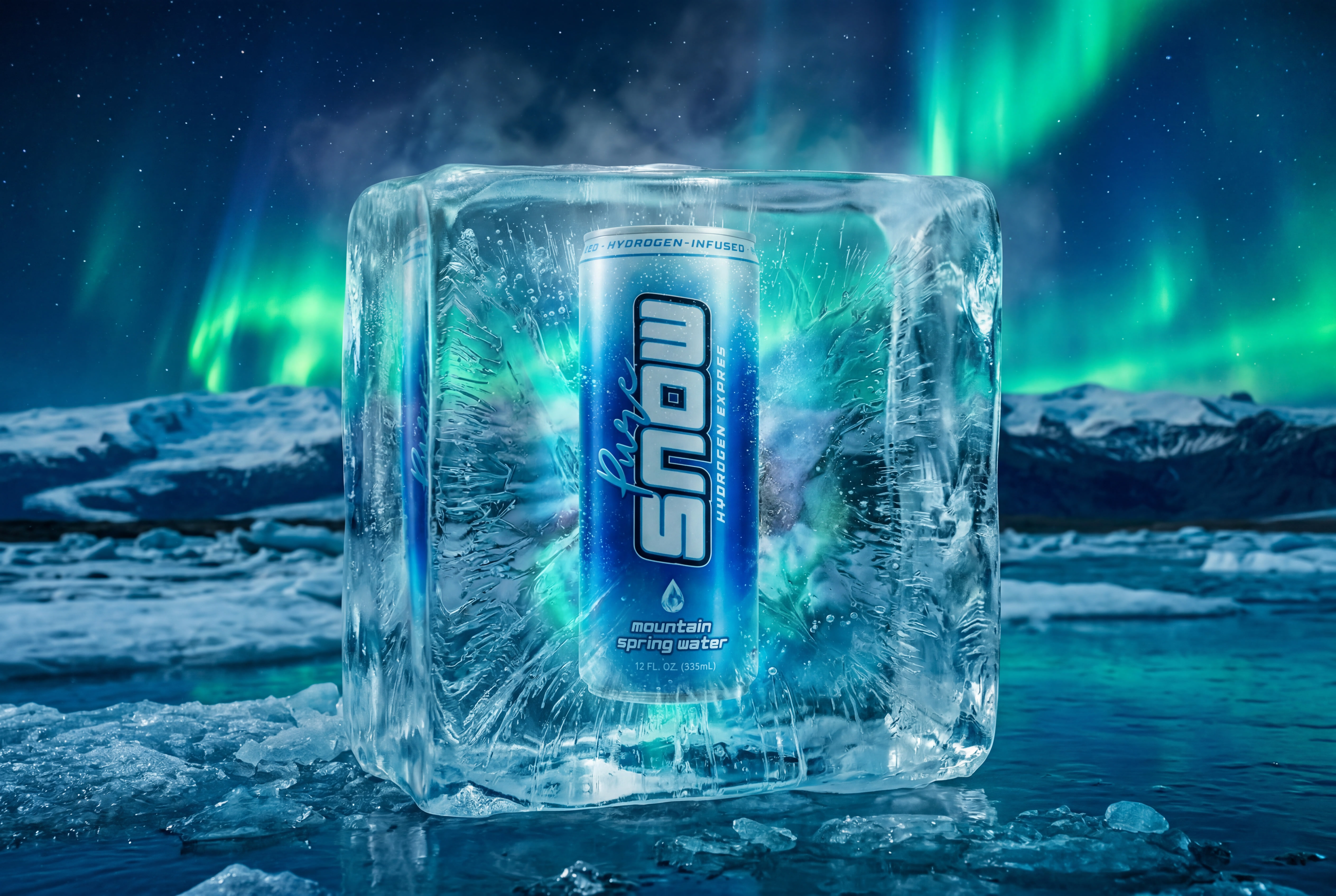
Is Hydrogen Water a Smart Recovery Drink? Breaking Down the Price in 2026
If you've been eyeing hydrogen water as part of your post-workout recovery routine in June 2026, you've probably hit the same wall most people do: the price tag. At first glance, premium hydrogen water looks like a luxury purchase reserved for elite athletes or wellness enthusiasts with deep pockets. But a few common misconceptions are quietly distorting the way most people evaluate the real cost — and the real value — of making it part of their daily routine. Let's clear those up.
MISCONCEPTION #1: HYDROGEN WATER IS PRICED THE SAME AS FANCY BOTTLED WATER
This is one of the most persistent misunderstandings in the hydrogen water space. People look at a can of hydrogen water next to a bottle of sparkling mineral water and assume they're paying a premium for nothing more than branding. They're not the same product. Hydrogen water is specifically manufactured to dissolve molecular hydrogen (H₂) gas into the water at measurable concentrations — typically between 2 and 3 parts per million (PPM) — and then sealed in a way that preserves those levels until the moment you open it.
That last part is critical. The science behind how hydrogen water is packaged matters enormously. Plastic bottles allow hydrogen gas to escape over time, meaning by the time you drink it, you may be getting a fraction of the therapeutic concentration you paid for. Aluminum cans are the gold standard for preservation. So when you're comparing prices, you're not just comparing water — you're comparing delivery systems, and not all of them work.
According to a study published in the Journal of Clinical Biochemistry and Nutrition, molecular hydrogen has demonstrated significant antioxidant properties, selectively neutralizing harmful free radicals without disrupting beneficial reactive oxygen species. That distinction matters for recovery. After intense physical activity, oxidative stress spikes in the body, and targeted antioxidant support — the kind that molecular hydrogen provides — has real implications for how quickly you bounce back.
MISCONCEPTION #2: THE COST PER CAN DOESN'T JUSTIFY DAILY USE
Here's where the math gets interesting. Most people assume that premium hydrogen water is a once-in-a-while treat, not a daily recovery tool. But let's actually look at what you're spending per use. Pure Snow's subscribe and save pricing brings the cost down substantially — we're talking about a 40% discount on your first order when you subscribe, which puts each can in a range that competes favorably with premium energy drinks, recovery powders, and even some electrolyte supplements that don't offer anything close to 2-3 PPM molecular hydrogen.
Compare that to a mid-range post-workout recovery drink at your local supplement store. You're often paying $3 to $5 for a single serving of something loaded with artificial sweeteners, synthetic vitamins, and a long list of ingredients you can't pronounce. Pure Snow is mountain spring water — clean, simple, and infused with actual measurable hydrogen. When you frame it as a functional recovery tool rather than a boutique water purchase, the cost-per-use calculation shifts significantly.
This is especially relevant for athletes, fitness enthusiasts, and active professionals who are already spending money on recovery. If you're buying protein shakes, foam rollers, compression gear, and magnesium supplements, a daily can of quality hydrogen water isn't an indulgence — it's a logical addition to a system you've already built.
MISCONCEPTION #3: ALL HYDROGEN WATER BRANDS CHARGE THE SAME
Not even close. The hydrogen water market has exploded in the past few years, and pricing is all over the map. Some brands charge premium prices for products that can't prove their PPM concentrations. Others sell cheap options that arrive with negligible hydrogen content because of poor packaging choices. The price you pay means very little without transparency about what's actually in the can when you open it.
Pure Snow is built around a specific promise: 2-3 PPM of molecular hydrogen delivered in an aluminum-sealed can, sourced from genuine mountain spring water. You can order a 12-pack directly and see exactly what you're getting — no mystery ingredients, no proprietary blends, no inflated promises. The transparency in both product formulation and pricing is what separates a brand worth trusting from one that's simply riding the hydrogen trend.
When you shop for any hydrogen water product, ask two questions: What is the confirmed PPM concentration? And what is the container made of? If a brand can't answer both clearly, move on. The recovery drink space is full of products that look compelling on the label and underperform in practice. Hydrogen water done right is genuinely different — but only if it's delivered in a format that actually preserves the hydrogen.
WHAT FAIR PRICING ACTUALLY LOOKS LIKE FOR A RECOVERY DRINK
Let's put this in plain terms. A functional recovery drink that delivers measurable molecular hydrogen, comes in a hermetically sealed aluminum can, uses real spring water, and is available through a subscription that discounts your ongoing cost — that's not overpriced. That's competitive with the better alternatives in the recovery space and more straightforward than most of them.
The real question isn't whether hydrogen water is expensive. It's whether what you're getting is worth the price you're paying. For post-workout recovery, daily antioxidant support, and clean hydration without synthetic additives, the answer for a lot of active people is yes — especially when you optimize your purchase through a subscription plan that makes it financially sustainable long-term.
KEY TAKEAWAY: Hydrogen water's recovery drink price only looks high before you compare it fairly — once you factor in subscription savings, aluminum can preservation, and confirmed 2-3 PPM hydrogen content, it competes directly with other premium recovery options on a cost-per-use basis.
Ready to find out what properly dosed hydrogen water feels like after a tough workout? Pure Snow hydrogen water is available now — try your first 12-pack and subscribe to save 40% on your first order while keeping your ongoing costs manageable.
FAQ
Q: How much should I expect to pay for a quality hydrogen water recovery drink per can?
A: A fair price for a properly sealed, aluminum-can hydrogen water with 2-3 PPM concentration typically falls between $2.50 and $4.00 per can at retail. Subscription pricing can bring this down considerably, making daily use realistic for most budgets.
Q: Does hydrogen water actually help with post-workout recovery?
A: Research suggests that molecular hydrogen's selective antioxidant activity may help reduce oxidative stress that spikes after intense exercise. While it's not a replacement for sleep, nutrition, and rest, it can be a meaningful addition to a well-rounded recovery routine.
Q: Why does the can material matter when comparing hydrogen water prices?
A: Aluminum cans create a sealed environment that prevents molecular hydrogen from escaping before you drink it. Plastic bottles are permeable to hydrogen gas, meaning cheaper plastic-packaged options may deliver far less than their advertised PPM by the time they reach you.
Back to BlogMISCONCEPTION #1: HYDROGEN WATER IS PRICED THE SAME AS FANCY BOTTLED WATER
This is one of the most persistent misunderstandings in the hydrogen water space. People look at a can of hydrogen water next to a bottle of sparkling mineral water and assume they're paying a premium for nothing more than branding. They're not the same product. Hydrogen water is specifically manufactured to dissolve molecular hydrogen (H₂) gas into the water at measurable concentrations — typically between 2 and 3 parts per million (PPM) — and then sealed in a way that preserves those levels until the moment you open it.
That last part is critical. The science behind how hydrogen water is packaged matters enormously. Plastic bottles allow hydrogen gas to escape over time, meaning by the time you drink it, you may be getting a fraction of the therapeutic concentration you paid for. Aluminum cans are the gold standard for preservation. So when you're comparing prices, you're not just comparing water — you're comparing delivery systems, and not all of them work.
According to a study published in the Journal of Clinical Biochemistry and Nutrition, molecular hydrogen has demonstrated significant antioxidant properties, selectively neutralizing harmful free radicals without disrupting beneficial reactive oxygen species. That distinction matters for recovery. After intense physical activity, oxidative stress spikes in the body, and targeted antioxidant support — the kind that molecular hydrogen provides — has real implications for how quickly you bounce back.
MISCONCEPTION #2: THE COST PER CAN DOESN'T JUSTIFY DAILY USE
Here's where the math gets interesting. Most people assume that premium hydrogen water is a once-in-a-while treat, not a daily recovery tool. But let's actually look at what you're spending per use. Pure Snow's subscribe and save pricing brings the cost down substantially — we're talking about a 40% discount on your first order when you subscribe, which puts each can in a range that competes favorably with premium energy drinks, recovery powders, and even some electrolyte supplements that don't offer anything close to 2-3 PPM molecular hydrogen.
Compare that to a mid-range post-workout recovery drink at your local supplement store. You're often paying $3 to $5 for a single serving of something loaded with artificial sweeteners, synthetic vitamins, and a long list of ingredients you can't pronounce. Pure Snow is mountain spring water — clean, simple, and infused with actual measurable hydrogen. When you frame it as a functional recovery tool rather than a boutique water purchase, the cost-per-use calculation shifts significantly.
This is especially relevant for athletes, fitness enthusiasts, and active professionals who are already spending money on recovery. If you're buying protein shakes, foam rollers, compression gear, and magnesium supplements, a daily can of quality hydrogen water isn't an indulgence — it's a logical addition to a system you've already built.
MISCONCEPTION #3: ALL HYDROGEN WATER BRANDS CHARGE THE SAME
Not even close. The hydrogen water market has exploded in the past few years, and pricing is all over the map. Some brands charge premium prices for products that can't prove their PPM concentrations. Others sell cheap options that arrive with negligible hydrogen content because of poor packaging choices. The price you pay means very little without transparency about what's actually in the can when you open it.
Pure Snow is built around a specific promise: 2-3 PPM of molecular hydrogen delivered in an aluminum-sealed can, sourced from genuine mountain spring water. You can order a 12-pack directly and see exactly what you're getting — no mystery ingredients, no proprietary blends, no inflated promises. The transparency in both product formulation and pricing is what separates a brand worth trusting from one that's simply riding the hydrogen trend.
When you shop for any hydrogen water product, ask two questions: What is the confirmed PPM concentration? And what is the container made of? If a brand can't answer both clearly, move on. The recovery drink space is full of products that look compelling on the label and underperform in practice. Hydrogen water done right is genuinely different — but only if it's delivered in a format that actually preserves the hydrogen.
WHAT FAIR PRICING ACTUALLY LOOKS LIKE FOR A RECOVERY DRINK
Let's put this in plain terms. A functional recovery drink that delivers measurable molecular hydrogen, comes in a hermetically sealed aluminum can, uses real spring water, and is available through a subscription that discounts your ongoing cost — that's not overpriced. That's competitive with the better alternatives in the recovery space and more straightforward than most of them.
The real question isn't whether hydrogen water is expensive. It's whether what you're getting is worth the price you're paying. For post-workout recovery, daily antioxidant support, and clean hydration without synthetic additives, the answer for a lot of active people is yes — especially when you optimize your purchase through a subscription plan that makes it financially sustainable long-term.
KEY TAKEAWAY: Hydrogen water's recovery drink price only looks high before you compare it fairly — once you factor in subscription savings, aluminum can preservation, and confirmed 2-3 PPM hydrogen content, it competes directly with other premium recovery options on a cost-per-use basis.
Ready to find out what properly dosed hydrogen water feels like after a tough workout? Pure Snow hydrogen water is available now — try your first 12-pack and subscribe to save 40% on your first order while keeping your ongoing costs manageable.
FAQ
Q: How much should I expect to pay for a quality hydrogen water recovery drink per can?
A: A fair price for a properly sealed, aluminum-can hydrogen water with 2-3 PPM concentration typically falls between $2.50 and $4.00 per can at retail. Subscription pricing can bring this down considerably, making daily use realistic for most budgets.
Q: Does hydrogen water actually help with post-workout recovery?
A: Research suggests that molecular hydrogen's selective antioxidant activity may help reduce oxidative stress that spikes after intense exercise. While it's not a replacement for sleep, nutrition, and rest, it can be a meaningful addition to a well-rounded recovery routine.
Q: Why does the can material matter when comparing hydrogen water prices?
A: Aluminum cans create a sealed environment that prevents molecular hydrogen from escaping before you drink it. Plastic bottles are permeable to hydrogen gas, meaning cheaper plastic-packaged options may deliver far less than their advertised PPM by the time they reach you.