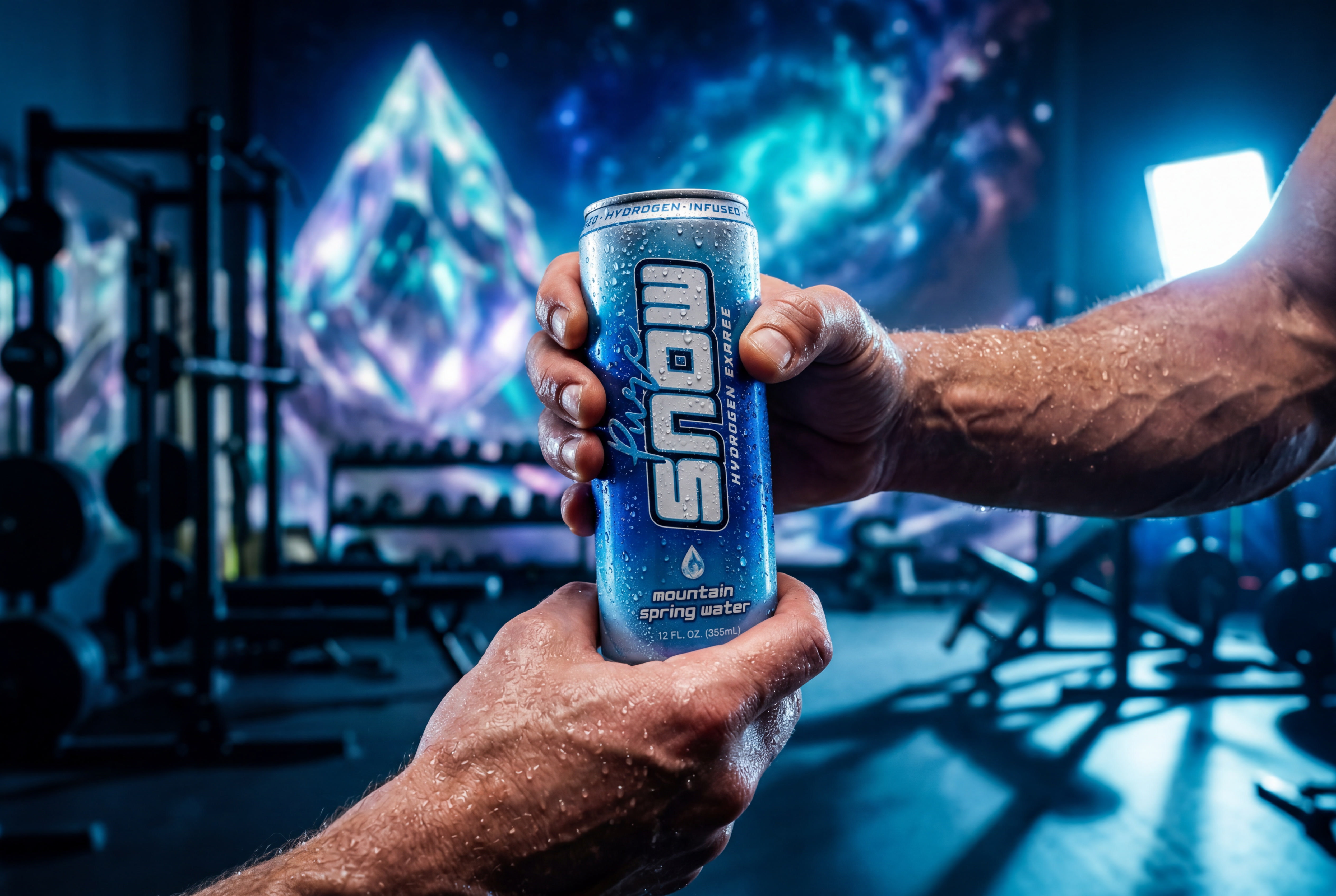
Hydrogen Water for Post-Workout Recovery: A Step-by-Step Guide
If you've been pushing hard in your training sessions this July 2026, you've probably noticed that how you recover matters just as much as how you perform. Sore muscles, lingering fatigue, and that heavy-legged feeling the day after a tough workout are all signs that your body is working overtime to repair itself. That's exactly where hydrogen water for post-workout recovery comes in. Molecular hydrogen has become one of the most talked-about recovery tools among athletes and weekend warriors alike, and the good news is that using it effectively doesn't require a complicated protocol. In this guide, we'll walk you through exactly how to incorporate hydrogen water into your recovery routine, step by step, so you can get the most out of every can.
WHY HYDROGEN WATER SUPPORTS RECOVERY IN THE FIRST PLACE
Before we get into the how, it helps to understand the why. When you exercise intensely, your muscles produce reactive oxygen species, unstable molecules that contribute to oxidative stress, inflammation, and delayed-onset muscle soreness. Some oxidative stress is normal and even beneficial for adaptation, but excessive amounts can slow recovery and leave you feeling drained. Molecular hydrogen is a selective antioxidant, meaning it targets the most harmful free radicals while leaving the beneficial signaling molecules your body needs for adaptation intact. According to a pilot study published in Medical Gas Research, elite athletes who drank hydrogen-rich water before intense exercise showed reduced blood lactate levels and less exercise-induced decline in muscle function compared to a placebo group. That combination of lactate management and muscle protection is exactly what makes hydrogen water such a compelling recovery tool. Now let's put it into practice.
STEP 1: HYDRATE BEFORE YOUR WORKOUT BEGINS
Recovery actually starts before your first rep or your first mile. Drinking a can of hydrogen water 30 to 60 minutes before training gives the dissolved hydrogen time to circulate through your body, so it's already on hand when free radical production spikes during exercise. Think of it as pre-loading your antioxidant defenses. You don't need to overdo it here. One serving is enough to prime your system, and it counts toward your overall daily hydration too.
STEP 2: DRINK HYDROGEN WATER WITHIN 30 MINUTES POST-WORKOUT
The window immediately after exercise is when oxidative stress and inflammation are at their peak, which makes it the most valuable time to get molecular hydrogen into your system. As soon as you finish your cooldown, crack open a cold can and drink it fully. Hydrogen is the smallest molecule in existence, so it absorbs quickly and diffuses easily into tissues, including muscle cells that are actively repairing. Pairing your hydrogen water with your usual post-workout protein or snack works perfectly fine, and the cold, crisp taste of mountain spring water is a welcome bonus after a sweaty session.
STEP 3: PAY ATTENTION TO HYDROGEN CONCENTRATION
Not all hydrogen water delivers the same dose. Concentration is measured in parts per million, or PPM, and it directly affects how much dissolved hydrogen you're actually consuming per serving. Research protocols typically use water with meaningful hydrogen saturation, so a product with a barely detectable concentration won't deliver the same effect. This is also why packaging matters so much. Hydrogen is a tiny, escape-prone molecule, and plastic bottles allow it to leach out over time, while aluminum cans lock it in until the moment you open one. If you want to understand exactly how PPM works and why cans preserve potency better, you can read more about the science behind how hydrogen water works.
STEP 4: DRINK IT PROMPTLY ONCE OPENED
Because molecular hydrogen escapes into the air quickly once its container is opened, hydrogen water is not a sipping-all-afternoon kind of beverage. Once you open a can, plan to finish it within about 15 to 30 minutes to get the full dose of dissolved hydrogen. Leaving it open on your desk for hours means you'll end up drinking great-tasting spring water, but most of the hydrogen will have dissipated. Open it, drink it, and let it go to work.
STEP 5: STAY CONSISTENT ON REST DAYS TOO
Recovery isn't limited to the hours right after training. Muscle repair, inflammation resolution, and glycogen replenishment continue for 24 to 72 hours after a hard session. Drinking hydrogen water on rest days helps maintain a lower baseline of oxidative stress while your body finishes the repair process. Many athletes find that one to two cans per day, every day, is a sustainable rhythm. Consistency beats intensity here, just like it does in training.
STEP 6: TRACK HOW YOU FEEL OVER TWO TO FOUR WEEKS
Molecular hydrogen isn't a stimulant, so you shouldn't expect a jolt-like sensation. Instead, watch for the subtler markers of improved recovery: less morning soreness, quicker bounce-back between sessions, better perceived energy during your second or third consecutive training day, and steadier performance late in workouts. Keep a simple training log and note your soreness levels on a one-to-ten scale. Most people who benefit from hydrogen water notice the difference within a few weeks of consistent use.
STEP 7: DON'T FORGET THE RECOVERY FUNDAMENTALS
Hydrogen water is a powerful supporting tool, not a replacement for the basics. Prioritize seven to nine hours of sleep, eat enough protein and whole foods, manage total hydration, and program adequate rest between hard sessions. Molecular hydrogen works best as part of a complete recovery stack, amplifying good habits rather than compensating for missing ones. If you're curious about serving sizes, subscription options, or how Pure Snow compares cost-wise to other recovery products, the answers to the most common questions about Pure Snow are all in one place.
PUTTING IT ALL TOGETHER
A simple daily protocol looks like this: one can 30 to 60 minutes before training, one can within 30 minutes after training, and one can on rest days to support ongoing repair. That's it. No mixing, no machines, no tablets to dissolve. Because Pure Snow is canned at high hydrogen concentration in aluminum, every can delivers the dose it promises, whether you drink it at the gym, on the trail, or at your desk the next morning.
KEY TAKEAWAY: Molecular hydrogen acts as a selective antioxidant that helps reduce exercise-induced oxidative stress and lactate buildup, and the most effective way to use it is drinking a properly concentrated hydrogen water immediately after training and staying consistent on rest days.
Your body works hard for you in every workout, and it deserves a recovery routine that works just as hard in return. Explore Pure Snow hydrogen-infused mountain spring water today and feel the difference a smarter recovery can make.
FAQ
Q: How soon after a workout should I drink hydrogen water?
A: Aim to drink it within 30 minutes of finishing your workout, when oxidative stress and inflammation are at their highest. Hydrogen absorbs rapidly, so this timing helps it reach recovering muscle tissue when it's needed most. Drinking a can before training can also help pre-load your antioxidant defenses.
Q: Can hydrogen water replace my electrolytes or protein after training?
A: No, hydrogen water complements your recovery nutrition rather than replacing it. You still need protein for muscle repair and electrolytes if you've been sweating heavily. Hydrogen water addresses a different piece of the puzzle, namely oxidative stress and inflammation.
Q: How long does it take to notice recovery benefits from hydrogen water?
A: Most people notice subtler improvements like reduced soreness and quicker bounce-back within two to four weeks of consistent daily use. Hydrogen water isn't a stimulant, so track markers like morning soreness and back-to-back workout performance rather than expecting an immediate sensation.
Back to BlogWHY HYDROGEN WATER SUPPORTS RECOVERY IN THE FIRST PLACE
Before we get into the how, it helps to understand the why. When you exercise intensely, your muscles produce reactive oxygen species, unstable molecules that contribute to oxidative stress, inflammation, and delayed-onset muscle soreness. Some oxidative stress is normal and even beneficial for adaptation, but excessive amounts can slow recovery and leave you feeling drained. Molecular hydrogen is a selective antioxidant, meaning it targets the most harmful free radicals while leaving the beneficial signaling molecules your body needs for adaptation intact. According to a pilot study published in Medical Gas Research, elite athletes who drank hydrogen-rich water before intense exercise showed reduced blood lactate levels and less exercise-induced decline in muscle function compared to a placebo group. That combination of lactate management and muscle protection is exactly what makes hydrogen water such a compelling recovery tool. Now let's put it into practice.
STEP 1: HYDRATE BEFORE YOUR WORKOUT BEGINS
Recovery actually starts before your first rep or your first mile. Drinking a can of hydrogen water 30 to 60 minutes before training gives the dissolved hydrogen time to circulate through your body, so it's already on hand when free radical production spikes during exercise. Think of it as pre-loading your antioxidant defenses. You don't need to overdo it here. One serving is enough to prime your system, and it counts toward your overall daily hydration too.
STEP 2: DRINK HYDROGEN WATER WITHIN 30 MINUTES POST-WORKOUT
The window immediately after exercise is when oxidative stress and inflammation are at their peak, which makes it the most valuable time to get molecular hydrogen into your system. As soon as you finish your cooldown, crack open a cold can and drink it fully. Hydrogen is the smallest molecule in existence, so it absorbs quickly and diffuses easily into tissues, including muscle cells that are actively repairing. Pairing your hydrogen water with your usual post-workout protein or snack works perfectly fine, and the cold, crisp taste of mountain spring water is a welcome bonus after a sweaty session.
STEP 3: PAY ATTENTION TO HYDROGEN CONCENTRATION
Not all hydrogen water delivers the same dose. Concentration is measured in parts per million, or PPM, and it directly affects how much dissolved hydrogen you're actually consuming per serving. Research protocols typically use water with meaningful hydrogen saturation, so a product with a barely detectable concentration won't deliver the same effect. This is also why packaging matters so much. Hydrogen is a tiny, escape-prone molecule, and plastic bottles allow it to leach out over time, while aluminum cans lock it in until the moment you open one. If you want to understand exactly how PPM works and why cans preserve potency better, you can read more about the science behind how hydrogen water works.
STEP 4: DRINK IT PROMPTLY ONCE OPENED
Because molecular hydrogen escapes into the air quickly once its container is opened, hydrogen water is not a sipping-all-afternoon kind of beverage. Once you open a can, plan to finish it within about 15 to 30 minutes to get the full dose of dissolved hydrogen. Leaving it open on your desk for hours means you'll end up drinking great-tasting spring water, but most of the hydrogen will have dissipated. Open it, drink it, and let it go to work.
STEP 5: STAY CONSISTENT ON REST DAYS TOO
Recovery isn't limited to the hours right after training. Muscle repair, inflammation resolution, and glycogen replenishment continue for 24 to 72 hours after a hard session. Drinking hydrogen water on rest days helps maintain a lower baseline of oxidative stress while your body finishes the repair process. Many athletes find that one to two cans per day, every day, is a sustainable rhythm. Consistency beats intensity here, just like it does in training.
STEP 6: TRACK HOW YOU FEEL OVER TWO TO FOUR WEEKS
Molecular hydrogen isn't a stimulant, so you shouldn't expect a jolt-like sensation. Instead, watch for the subtler markers of improved recovery: less morning soreness, quicker bounce-back between sessions, better perceived energy during your second or third consecutive training day, and steadier performance late in workouts. Keep a simple training log and note your soreness levels on a one-to-ten scale. Most people who benefit from hydrogen water notice the difference within a few weeks of consistent use.
STEP 7: DON'T FORGET THE RECOVERY FUNDAMENTALS
Hydrogen water is a powerful supporting tool, not a replacement for the basics. Prioritize seven to nine hours of sleep, eat enough protein and whole foods, manage total hydration, and program adequate rest between hard sessions. Molecular hydrogen works best as part of a complete recovery stack, amplifying good habits rather than compensating for missing ones. If you're curious about serving sizes, subscription options, or how Pure Snow compares cost-wise to other recovery products, the answers to the most common questions about Pure Snow are all in one place.
PUTTING IT ALL TOGETHER
A simple daily protocol looks like this: one can 30 to 60 minutes before training, one can within 30 minutes after training, and one can on rest days to support ongoing repair. That's it. No mixing, no machines, no tablets to dissolve. Because Pure Snow is canned at high hydrogen concentration in aluminum, every can delivers the dose it promises, whether you drink it at the gym, on the trail, or at your desk the next morning.
KEY TAKEAWAY: Molecular hydrogen acts as a selective antioxidant that helps reduce exercise-induced oxidative stress and lactate buildup, and the most effective way to use it is drinking a properly concentrated hydrogen water immediately after training and staying consistent on rest days.
Your body works hard for you in every workout, and it deserves a recovery routine that works just as hard in return. Explore Pure Snow hydrogen-infused mountain spring water today and feel the difference a smarter recovery can make.
FAQ
Q: How soon after a workout should I drink hydrogen water?
A: Aim to drink it within 30 minutes of finishing your workout, when oxidative stress and inflammation are at their highest. Hydrogen absorbs rapidly, so this timing helps it reach recovering muscle tissue when it's needed most. Drinking a can before training can also help pre-load your antioxidant defenses.
Q: Can hydrogen water replace my electrolytes or protein after training?
A: No, hydrogen water complements your recovery nutrition rather than replacing it. You still need protein for muscle repair and electrolytes if you've been sweating heavily. Hydrogen water addresses a different piece of the puzzle, namely oxidative stress and inflammation.
Q: How long does it take to notice recovery benefits from hydrogen water?
A: Most people notice subtler improvements like reduced soreness and quicker bounce-back within two to four weeks of consistent daily use. Hydrogen water isn't a stimulant, so track markers like morning soreness and back-to-back workout performance rather than expecting an immediate sensation.