Hydrogen Water for Post-Workout Recovery: A Step-by-Step Guide to Bouncing Back Faster
If you have been pushing harder in the gym, logging longer trail runs, or finally committing to that fall training block this September 2026, you have probably noticed that recovery is the part of your routine that gets the least attention. We obsess over sets, reps, splits, and macros, yet what happens in the hours after a workout is where the real progress is made. That is exactly where hydrogen water for post-workout recovery comes in. Molecular hydrogen has been studied for its ability to help the body manage exercise-induced oxidative stress, and using it correctly is surprisingly simple. In this guide, we will walk you through a practical, step-by-step approach to making hydrogen water a genuine part of your recovery routine, not just another wellness trend you try once and forget.
WHY RECOVERY IS WHERE HYDROGEN WATER SHINES
Before we get into the steps, it helps to understand the why. When you exercise intensely, your muscles produce reactive oxygen species, sometimes called free radicals. A moderate amount is normal and even beneficial, since it signals your body to adapt and grow stronger. But hard training sessions can push oxidative stress past the point of usefulness, contributing to muscle soreness, fatigue, and slower recovery between sessions. Molecular hydrogen is a selective antioxidant, meaning it appears to target the most harmful free radicals while leaving the beneficial signaling molecules alone. According to a pilot study published in Medical Gas Research, elite athletes who drank hydrogen-rich water before intense exercise showed reduced blood lactate levels and less decline in muscle function compared to a placebo group. That is a compelling reason to give it a place in your gym bag. Now let us break down exactly how to do it.
STEP 1: START WITH A QUALITY HYDROGEN WATER
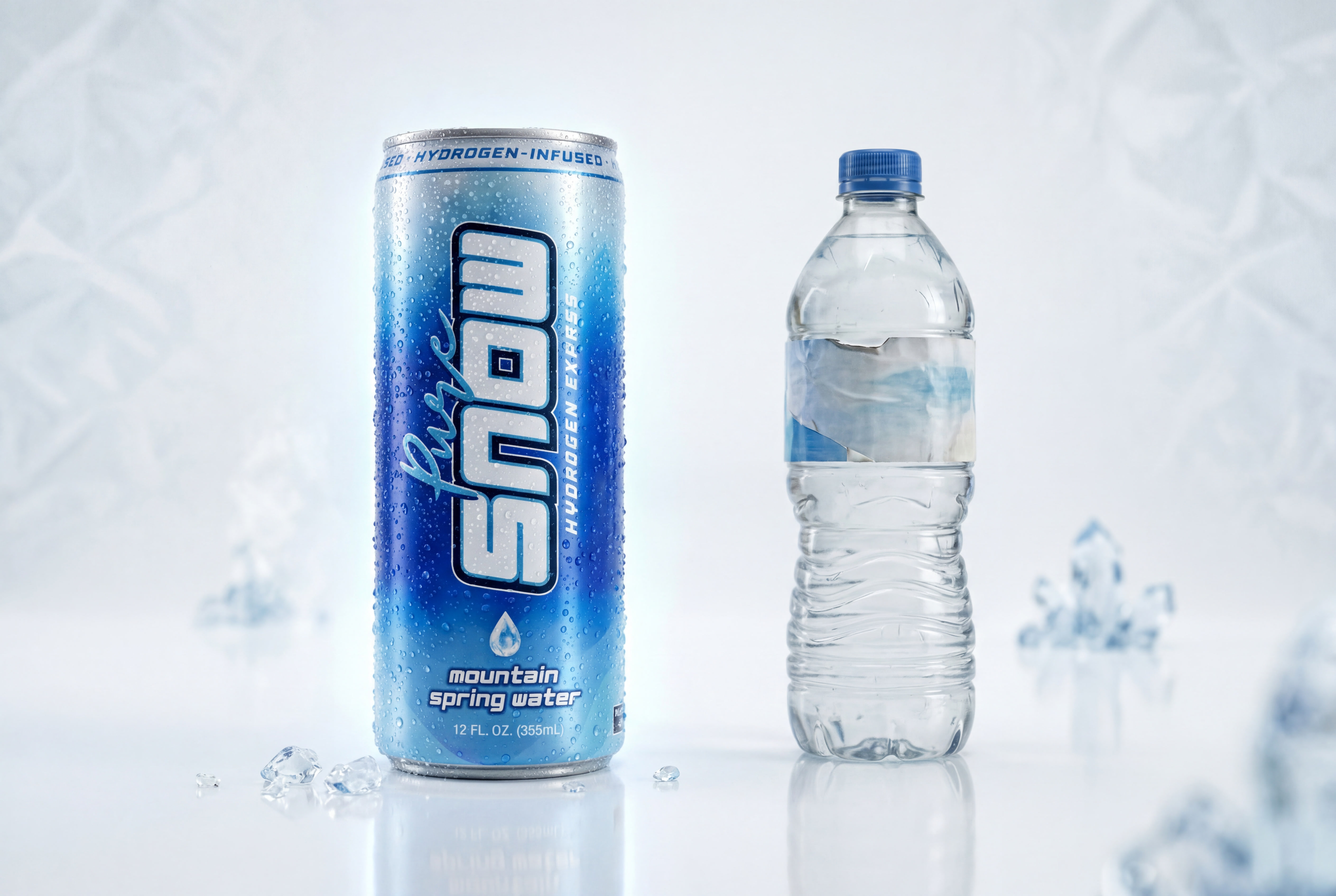
Not all hydrogen water is created equal, and this first step matters more than any other. Hydrogen concentration is measured in parts per million, or PPM, and research suggests you need a meaningful concentration to see benefits. Hydrogen gas also escapes easily through plastic, which is why packaging matters so much. Aluminum cans create an airtight seal that keeps molecular hydrogen locked in until the moment you open it. If you want to understand the science behind concentration levels and why packaging affects potency, you can read more about how Pure Snow hydrogen water works and why we chose aluminum from day one. The bottom line for this step: choose a product with a verified PPM level in packaging designed to hold hydrogen, or you are essentially drinking expensive regular water.
STEP 2: TIME YOUR FIRST CAN AROUND YOUR WORKOUT
Timing is where most people go wrong. Because molecular hydrogen is absorbed quickly and does not linger in the body for long, drinking hydrogen water hours before or after training reduces its usefulness for recovery. The research on athletes generally involves consumption shortly before exercise or in the window immediately afterward. A practical approach is to drink one can about 20 to 30 minutes before your session begins. This gives the hydrogen time to circulate as your body starts producing exercise-induced free radicals. If pre-workout timing does not fit your routine, do not stress. The post-workout window works well too, which brings us to the next step.
STEP 3: DRINK AGAIN WITHIN 30 MINUTES POST-WORKOUT
The 30 minutes after training is when your body is actively dealing with the oxidative load you just created. This is the ideal moment for your second serving of hydrogen water. Crack a cold can as part of your cooldown, alongside your usual post-workout habits like stretching or a protein-rich snack. Because hydrogen water is simply water infused with molecular hydrogen gas, it also contributes to rehydration, which is a recovery essential in its own right. You are not adding another complicated supplement to your stack. You are upgrading something you already do: drinking water after exercise.
STEP 4: DRINK IT FRESH AND FINISH THE CAN
This step is short but important. Once you open a can of hydrogen water, the dissolved hydrogen begins to escape into the air. Unlike a sports drink you can sip over an hour, hydrogen water rewards you for drinking it promptly. Aim to finish the can within 15 to 20 minutes of opening it. Do not pour it into a wide-mouth bottle or a glass and let it sit, since that dramatically speeds up hydrogen loss. Open, drink, recover. Simple.
STEP 5: STAY CONSISTENT AND TRACK HOW YOU FEEL
Like most things in fitness, hydrogen water is not a one-and-done fix. The studies showing benefits for athletes typically involve regular consumption over days or weeks, not a single serving. Commit to using hydrogen water around your workouts for at least three to four weeks, and pay attention to markers like next-day soreness, how quickly you feel ready for your next hard session, and your energy levels during back-to-back training days. Keeping a simple training journal makes it easier to notice real changes. Many athletes find that a subscription model makes consistency effortless, and you can compare options on the Pure Snow pricing page to find a plan that matches your training volume.
STEP 6: PAIR IT WITH SMART RECOVERY FUNDAMENTALS
Hydrogen water works best as part of a complete recovery picture, not a replacement for one. Make sure you are also covering the fundamentals: seven to nine hours of sleep, adequate protein intake, proper overall hydration throughout the day, and planned rest days. Think of hydrogen water as a targeted tool that supports your body's ability to manage oxidative stress, layered on top of habits that do the heavy lifting. Athletes who get the basics right and then add hydrogen water are the ones most likely to notice the difference.
PUTTING IT ALL TOGETHER
Here is your complete routine at a glance. Choose a high-PPM hydrogen water in aluminum packaging. Drink one can 20 to 30 minutes before training. Drink a second can within 30 minutes after finishing. Consume each can promptly after opening. Stay consistent for several weeks while tracking soreness and readiness. Support everything with sleep, nutrition, and hydration. It is a low-effort addition to your routine with research-backed potential, and because hydrogen water is simply water, there is essentially no downside to trying it.
KEY TAKEAWAY: Hydrogen water supports post-workout recovery by helping the body manage exercise-induced oxidative stress, and timing matters most. Drink a high-PPM hydrogen water shortly before and within 30 minutes after training, consistently, for the best results.
Ready to make faster recovery part of your routine? Explore Pure Snow hydrogen-infused mountain spring water and experience what a truly premium hydrogen water tastes like after your next hard session.
FAQ
Q: How much hydrogen water should I drink for post-workout recovery?
A: Most research uses roughly one to two servings around exercise, which translates to one can before and one can after your workout. Consistency over several weeks matters more than drinking large volumes in a single day. Hydrogen water is still just water, so it also counts toward your daily hydration goals.
Q: Can I drink hydrogen water on rest days too?
A: Absolutely. While the recovery benefits are most relevant around training, molecular hydrogen's antioxidant properties may support overall cellular health any day of the week. Many people simply replace one of their regular daily waters with a can of hydrogen water.
Q: Does hydrogen water replace electrolytes or protein after a workout?
A: No, hydrogen water addresses oxidative stress, which is a different piece of the recovery puzzle. You should still replenish electrolytes after sweaty sessions and consume adequate protein to rebuild muscle. Hydrogen water works alongside these fundamentals, not instead of them.
Back to BlogWHY RECOVERY IS WHERE HYDROGEN WATER SHINES
Before we get into the steps, it helps to understand the why. When you exercise intensely, your muscles produce reactive oxygen species, sometimes called free radicals. A moderate amount is normal and even beneficial, since it signals your body to adapt and grow stronger. But hard training sessions can push oxidative stress past the point of usefulness, contributing to muscle soreness, fatigue, and slower recovery between sessions. Molecular hydrogen is a selective antioxidant, meaning it appears to target the most harmful free radicals while leaving the beneficial signaling molecules alone. According to a pilot study published in Medical Gas Research, elite athletes who drank hydrogen-rich water before intense exercise showed reduced blood lactate levels and less decline in muscle function compared to a placebo group. That is a compelling reason to give it a place in your gym bag. Now let us break down exactly how to do it.
STEP 1: START WITH A QUALITY HYDROGEN WATER
Not all hydrogen water is created equal, and this first step matters more than any other. Hydrogen concentration is measured in parts per million, or PPM, and research suggests you need a meaningful concentration to see benefits. Hydrogen gas also escapes easily through plastic, which is why packaging matters so much. Aluminum cans create an airtight seal that keeps molecular hydrogen locked in until the moment you open it. If you want to understand the science behind concentration levels and why packaging affects potency, you can read more about how Pure Snow hydrogen water works and why we chose aluminum from day one. The bottom line for this step: choose a product with a verified PPM level in packaging designed to hold hydrogen, or you are essentially drinking expensive regular water.
STEP 2: TIME YOUR FIRST CAN AROUND YOUR WORKOUT
Timing is where most people go wrong. Because molecular hydrogen is absorbed quickly and does not linger in the body for long, drinking hydrogen water hours before or after training reduces its usefulness for recovery. The research on athletes generally involves consumption shortly before exercise or in the window immediately afterward. A practical approach is to drink one can about 20 to 30 minutes before your session begins. This gives the hydrogen time to circulate as your body starts producing exercise-induced free radicals. If pre-workout timing does not fit your routine, do not stress. The post-workout window works well too, which brings us to the next step.
STEP 3: DRINK AGAIN WITHIN 30 MINUTES POST-WORKOUT
The 30 minutes after training is when your body is actively dealing with the oxidative load you just created. This is the ideal moment for your second serving of hydrogen water. Crack a cold can as part of your cooldown, alongside your usual post-workout habits like stretching or a protein-rich snack. Because hydrogen water is simply water infused with molecular hydrogen gas, it also contributes to rehydration, which is a recovery essential in its own right. You are not adding another complicated supplement to your stack. You are upgrading something you already do: drinking water after exercise.
STEP 4: DRINK IT FRESH AND FINISH THE CAN
This step is short but important. Once you open a can of hydrogen water, the dissolved hydrogen begins to escape into the air. Unlike a sports drink you can sip over an hour, hydrogen water rewards you for drinking it promptly. Aim to finish the can within 15 to 20 minutes of opening it. Do not pour it into a wide-mouth bottle or a glass and let it sit, since that dramatically speeds up hydrogen loss. Open, drink, recover. Simple.
STEP 5: STAY CONSISTENT AND TRACK HOW YOU FEEL
Like most things in fitness, hydrogen water is not a one-and-done fix. The studies showing benefits for athletes typically involve regular consumption over days or weeks, not a single serving. Commit to using hydrogen water around your workouts for at least three to four weeks, and pay attention to markers like next-day soreness, how quickly you feel ready for your next hard session, and your energy levels during back-to-back training days. Keeping a simple training journal makes it easier to notice real changes. Many athletes find that a subscription model makes consistency effortless, and you can compare options on the Pure Snow pricing page to find a plan that matches your training volume.
STEP 6: PAIR IT WITH SMART RECOVERY FUNDAMENTALS
Hydrogen water works best as part of a complete recovery picture, not a replacement for one. Make sure you are also covering the fundamentals: seven to nine hours of sleep, adequate protein intake, proper overall hydration throughout the day, and planned rest days. Think of hydrogen water as a targeted tool that supports your body's ability to manage oxidative stress, layered on top of habits that do the heavy lifting. Athletes who get the basics right and then add hydrogen water are the ones most likely to notice the difference.
PUTTING IT ALL TOGETHER
Here is your complete routine at a glance. Choose a high-PPM hydrogen water in aluminum packaging. Drink one can 20 to 30 minutes before training. Drink a second can within 30 minutes after finishing. Consume each can promptly after opening. Stay consistent for several weeks while tracking soreness and readiness. Support everything with sleep, nutrition, and hydration. It is a low-effort addition to your routine with research-backed potential, and because hydrogen water is simply water, there is essentially no downside to trying it.
KEY TAKEAWAY: Hydrogen water supports post-workout recovery by helping the body manage exercise-induced oxidative stress, and timing matters most. Drink a high-PPM hydrogen water shortly before and within 30 minutes after training, consistently, for the best results.
Ready to make faster recovery part of your routine? Explore Pure Snow hydrogen-infused mountain spring water and experience what a truly premium hydrogen water tastes like after your next hard session.
FAQ
Q: How much hydrogen water should I drink for post-workout recovery?
A: Most research uses roughly one to two servings around exercise, which translates to one can before and one can after your workout. Consistency over several weeks matters more than drinking large volumes in a single day. Hydrogen water is still just water, so it also counts toward your daily hydration goals.
Q: Can I drink hydrogen water on rest days too?
A: Absolutely. While the recovery benefits are most relevant around training, molecular hydrogen's antioxidant properties may support overall cellular health any day of the week. Many people simply replace one of their regular daily waters with a can of hydrogen water.
Q: Does hydrogen water replace electrolytes or protein after a workout?
A: No, hydrogen water addresses oxidative stress, which is a different piece of the recovery puzzle. You should still replenish electrolytes after sweaty sessions and consume adequate protein to rebuild muscle. Hydrogen water works alongside these fundamentals, not instead of them.