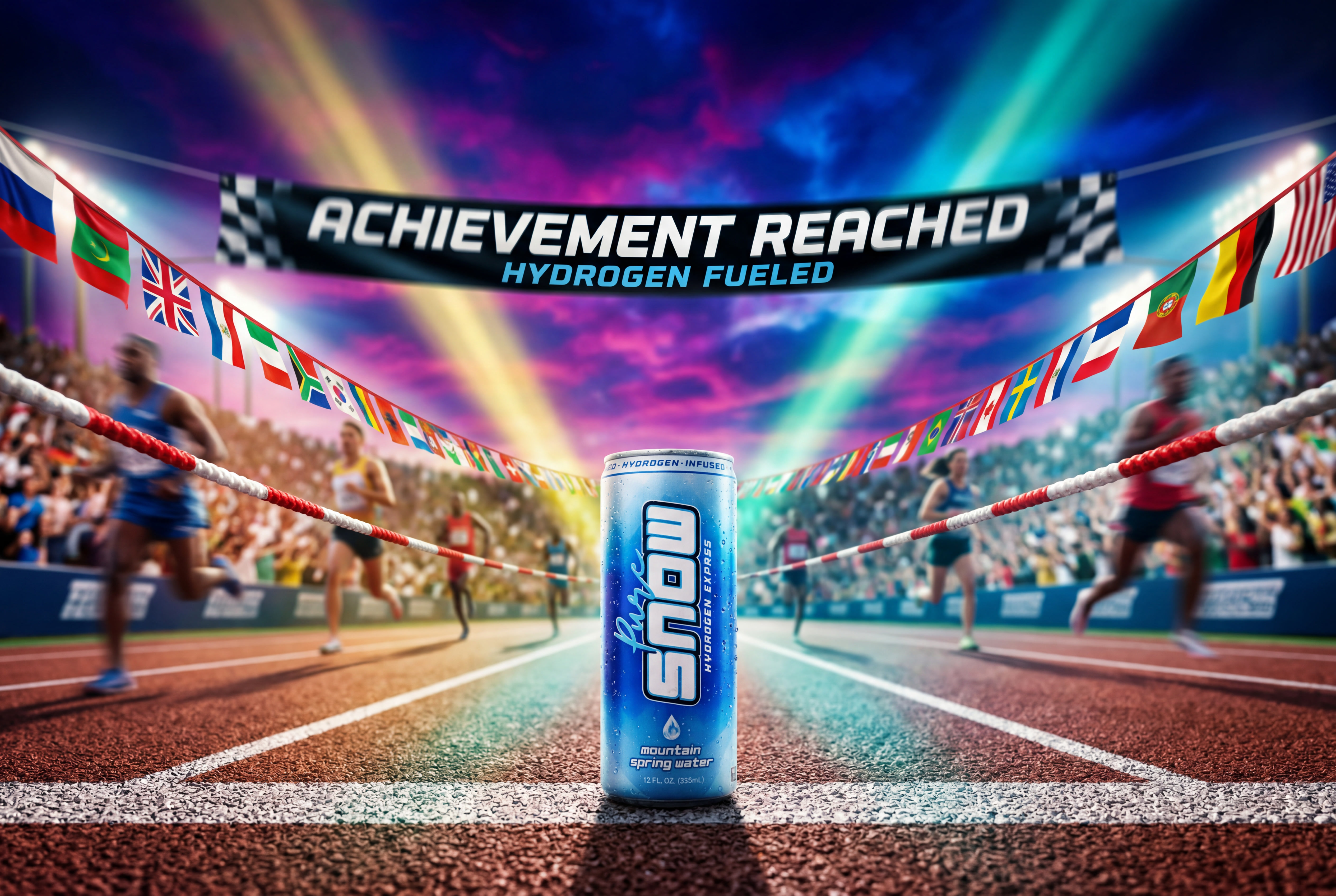
Hydrogen Water for Post-Workout Recovery: A Step-by-Step Guide
If you've been pushing hard in the gym this July 2026 and looking for a simple, science-backed way to bounce back faster between sessions, hydrogen water deserves a spot in your recovery routine. Unlike complicated supplement stacks or expensive recovery gadgets, using hydrogen water for post-workout recovery is refreshingly straightforward. But timing, dosage, and product quality all matter more than most people realize. In this guide, we'll walk you through exactly how to incorporate hydrogen water into your training routine, step by step, so you get the most out of every can.
WHY HYDROGEN WATER SUPPORTS RECOVERY IN THE FIRST PLACE
Before we get into the how, let's quickly cover the why. Intense exercise generates reactive oxygen species, unstable molecules that contribute to oxidative stress, muscle fatigue, and delayed-onset muscle soreness. While some oxidative stress is a normal and even beneficial part of training adaptation, excessive amounts can slow your recovery and leave you feeling drained for days. Molecular hydrogen (H2) is a selective antioxidant, meaning it targets the most harmful free radicals, like hydroxyl radicals, without interfering with the beneficial signaling molecules your body needs to adapt and grow stronger. Because hydrogen is the smallest molecule in existence, it diffuses rapidly into muscle tissue and even crosses cellular membranes with ease. This is what makes it uniquely suited to post-workout recovery compared to bulkier antioxidant compounds. The research here is genuinely promising. According to a pilot study published in Medical Gas Research, elite athletes who drank hydrogen-rich water before intense exercise showed reduced blood lactate levels and less exercise-induced decline in muscle function compared to a placebo group. Now let's turn that science into a practical routine.
STEP 1: CHOOSE A HYDROGEN WATER WITH A MEANINGFUL CONCENTRATION
Not all hydrogen water is created equal, and this is the single most common mistake people make. Hydrogen concentration is measured in parts per million (PPM), and many products on the market deliver less than 0.5 PPM by the time you actually drink them, which is unlikely to produce noticeable benefits. Look for products that deliver at least 1.0 PPM or higher at the moment of consumption. Packaging matters enormously here. Hydrogen escapes plastic bottles quickly because H2 molecules are small enough to pass right through plastic polymers. Aluminum cans, by contrast, create a genuine barrier that locks hydrogen in until you crack the seal. If you want to dig deeper into concentration levels and why packaging determines potency, you can read about how Pure Snow's hydrogen infusion and aluminum canning process works.
STEP 2: TIME YOUR FIRST SERVING AROUND YOUR WORKOUT
For recovery purposes, timing matters. Research suggests drinking hydrogen water shortly before or immediately after exercise gives the hydrogen a chance to be present in your bloodstream when oxidative stress peaks. A practical approach that works for most people is drinking one serving 20 to 30 minutes before training, then a second serving within 30 minutes after finishing. Hydrogen is absorbed and utilized quickly, typically peaking in the blood within about 10 to 15 minutes of drinking, so there's no need to chug it an hour in advance. If you only want to drink one serving, the post-workout window is the priority, since that's when your body is dealing with the largest wave of exercise-induced free radicals.
STEP 3: DRINK IT PROMPTLY AFTER OPENING
This step sounds obvious, but it's where a lot of the benefit gets lost. Once you open a can of hydrogen water, the dissolved H2 begins escaping into the air, just like carbonation leaving a soda. Sipping a can slowly over two hours means you're mostly drinking regular water by the end. Aim to finish your serving within 10 to 15 minutes of opening it. Drink it cold if possible, since colder water holds dissolved gases slightly better, and skip pouring it into a wide glass, which accelerates hydrogen loss. Straight from the can is genuinely the best delivery method.
STEP 4: STAY CONSISTENT ACROSS YOUR TRAINING WEEK
Like most recovery tools, hydrogen water works best as a consistent habit rather than a one-time fix. Several studies on hydrogen water and exercise have used protocols lasting two to four weeks, suggesting that regular intake may support your body's antioxidant systems over time rather than just providing a single acute effect. A sensible baseline for active people is one to two servings on training days, with the option of a serving on rest days to support ongoing recovery. Because you'll be drinking it regularly, cost per can matters. Subscription options can make daily use significantly more affordable, and you can compare Pure Snow's subscribe-and-save pricing to see what a consistent routine actually costs.
STEP 5: PAIR IT WITH RECOVERY FUNDAMENTALS
Hydrogen water is a genuine recovery aid, but it isn't a replacement for the basics. To get the most from it, stack it on top of the fundamentals: adequate protein intake to rebuild muscle tissue, seven to nine hours of sleep, proper overall hydration throughout the day, and sensible programming that doesn't bury you in fatigue week after week. Think of hydrogen water as the finishing layer on a solid recovery foundation. Athletes who already have these basics dialed in tend to notice the difference more clearly, often reporting less lingering soreness and better readiness for their next session.
STEP 6: TRACK HOW YOU FEEL AND ADJUST
Finally, treat your first few weeks like a personal experiment. Note your soreness levels the day after hard sessions, your perceived energy during workouts, and how quickly you feel ready to train again. Individual responses vary, and tracking gives you real data instead of guesswork. Some people notice a difference within the first week, while others find the benefits become more apparent after two to three weeks of consistent use. If you have questions along the way about serving sizes, storage, or anything else, the Pure Snow FAQ page covers the most common ones.
KEY TAKEAWAY: Hydrogen water can meaningfully support post-workout recovery by helping neutralize exercise-induced oxidative stress, but only if you choose a high-PPM product in aluminum packaging, time it around your workouts, and drink it promptly after opening. Consistency across your training week is what turns it from a novelty into a real recovery tool.
Ready to make faster recovery part of your routine? Explore Pure Snow's premium canned hydrogen water and try it after your next workout by visiting the Pure Snow shop today.
FAQ
Q: How soon after a workout should I drink hydrogen water?
A: Aim to drink it within 30 minutes of finishing your workout, when exercise-induced oxidative stress is at its highest. Hydrogen absorbs quickly, typically peaking in the bloodstream within 10 to 15 minutes, so it starts working fast.
Q: Can hydrogen water replace my electrolyte drink after exercise?
A: Not exactly, since hydrogen water addresses oxidative stress rather than electrolyte replacement. For long or sweaty sessions, use both: hydrogen water for recovery support and electrolytes to replace sodium and other minerals lost through sweat.
Q: Will hydrogen water blunt my muscle gains like some antioxidants supposedly do?
A: Current research suggests it won't, because molecular hydrogen is a selective antioxidant that targets harmful free radicals while leaving beneficial exercise-signaling molecules intact. This makes it different from high-dose vitamin C or E supplementation, which some studies suggest may interfere with training adaptations.
Back to BlogWHY HYDROGEN WATER SUPPORTS RECOVERY IN THE FIRST PLACE
Before we get into the how, let's quickly cover the why. Intense exercise generates reactive oxygen species, unstable molecules that contribute to oxidative stress, muscle fatigue, and delayed-onset muscle soreness. While some oxidative stress is a normal and even beneficial part of training adaptation, excessive amounts can slow your recovery and leave you feeling drained for days. Molecular hydrogen (H2) is a selective antioxidant, meaning it targets the most harmful free radicals, like hydroxyl radicals, without interfering with the beneficial signaling molecules your body needs to adapt and grow stronger. Because hydrogen is the smallest molecule in existence, it diffuses rapidly into muscle tissue and even crosses cellular membranes with ease. This is what makes it uniquely suited to post-workout recovery compared to bulkier antioxidant compounds. The research here is genuinely promising. According to a pilot study published in Medical Gas Research, elite athletes who drank hydrogen-rich water before intense exercise showed reduced blood lactate levels and less exercise-induced decline in muscle function compared to a placebo group. Now let's turn that science into a practical routine.
STEP 1: CHOOSE A HYDROGEN WATER WITH A MEANINGFUL CONCENTRATION
Not all hydrogen water is created equal, and this is the single most common mistake people make. Hydrogen concentration is measured in parts per million (PPM), and many products on the market deliver less than 0.5 PPM by the time you actually drink them, which is unlikely to produce noticeable benefits. Look for products that deliver at least 1.0 PPM or higher at the moment of consumption. Packaging matters enormously here. Hydrogen escapes plastic bottles quickly because H2 molecules are small enough to pass right through plastic polymers. Aluminum cans, by contrast, create a genuine barrier that locks hydrogen in until you crack the seal. If you want to dig deeper into concentration levels and why packaging determines potency, you can read about how Pure Snow's hydrogen infusion and aluminum canning process works.
STEP 2: TIME YOUR FIRST SERVING AROUND YOUR WORKOUT
For recovery purposes, timing matters. Research suggests drinking hydrogen water shortly before or immediately after exercise gives the hydrogen a chance to be present in your bloodstream when oxidative stress peaks. A practical approach that works for most people is drinking one serving 20 to 30 minutes before training, then a second serving within 30 minutes after finishing. Hydrogen is absorbed and utilized quickly, typically peaking in the blood within about 10 to 15 minutes of drinking, so there's no need to chug it an hour in advance. If you only want to drink one serving, the post-workout window is the priority, since that's when your body is dealing with the largest wave of exercise-induced free radicals.
STEP 3: DRINK IT PROMPTLY AFTER OPENING
This step sounds obvious, but it's where a lot of the benefit gets lost. Once you open a can of hydrogen water, the dissolved H2 begins escaping into the air, just like carbonation leaving a soda. Sipping a can slowly over two hours means you're mostly drinking regular water by the end. Aim to finish your serving within 10 to 15 minutes of opening it. Drink it cold if possible, since colder water holds dissolved gases slightly better, and skip pouring it into a wide glass, which accelerates hydrogen loss. Straight from the can is genuinely the best delivery method.
STEP 4: STAY CONSISTENT ACROSS YOUR TRAINING WEEK
Like most recovery tools, hydrogen water works best as a consistent habit rather than a one-time fix. Several studies on hydrogen water and exercise have used protocols lasting two to four weeks, suggesting that regular intake may support your body's antioxidant systems over time rather than just providing a single acute effect. A sensible baseline for active people is one to two servings on training days, with the option of a serving on rest days to support ongoing recovery. Because you'll be drinking it regularly, cost per can matters. Subscription options can make daily use significantly more affordable, and you can compare Pure Snow's subscribe-and-save pricing to see what a consistent routine actually costs.
STEP 5: PAIR IT WITH RECOVERY FUNDAMENTALS
Hydrogen water is a genuine recovery aid, but it isn't a replacement for the basics. To get the most from it, stack it on top of the fundamentals: adequate protein intake to rebuild muscle tissue, seven to nine hours of sleep, proper overall hydration throughout the day, and sensible programming that doesn't bury you in fatigue week after week. Think of hydrogen water as the finishing layer on a solid recovery foundation. Athletes who already have these basics dialed in tend to notice the difference more clearly, often reporting less lingering soreness and better readiness for their next session.
STEP 6: TRACK HOW YOU FEEL AND ADJUST
Finally, treat your first few weeks like a personal experiment. Note your soreness levels the day after hard sessions, your perceived energy during workouts, and how quickly you feel ready to train again. Individual responses vary, and tracking gives you real data instead of guesswork. Some people notice a difference within the first week, while others find the benefits become more apparent after two to three weeks of consistent use. If you have questions along the way about serving sizes, storage, or anything else, the Pure Snow FAQ page covers the most common ones.
KEY TAKEAWAY: Hydrogen water can meaningfully support post-workout recovery by helping neutralize exercise-induced oxidative stress, but only if you choose a high-PPM product in aluminum packaging, time it around your workouts, and drink it promptly after opening. Consistency across your training week is what turns it from a novelty into a real recovery tool.
Ready to make faster recovery part of your routine? Explore Pure Snow's premium canned hydrogen water and try it after your next workout by visiting the Pure Snow shop today.
FAQ
Q: How soon after a workout should I drink hydrogen water?
A: Aim to drink it within 30 minutes of finishing your workout, when exercise-induced oxidative stress is at its highest. Hydrogen absorbs quickly, typically peaking in the bloodstream within 10 to 15 minutes, so it starts working fast.
Q: Can hydrogen water replace my electrolyte drink after exercise?
A: Not exactly, since hydrogen water addresses oxidative stress rather than electrolyte replacement. For long or sweaty sessions, use both: hydrogen water for recovery support and electrolytes to replace sodium and other minerals lost through sweat.
Q: Will hydrogen water blunt my muscle gains like some antioxidants supposedly do?
A: Current research suggests it won't, because molecular hydrogen is a selective antioxidant that targets harmful free radicals while leaving beneficial exercise-signaling molecules intact. This makes it different from high-dose vitamin C or E supplementation, which some studies suggest may interfere with training adaptations.
