Hydrogen Water for Gut Health: 3 Common Myths Debunked
If you've been researching hydrogen water for gut health this August 2026, you've probably run into a confusing mix of bold claims and outright dismissals. Some sources promise miracle digestion overnight, while others insist hydrogen water is nothing more than expensive regular water. As with most wellness topics, the truth sits somewhere in the middle, and it's grounded in some genuinely interesting science. Before we dig in, let's name three myths you've likely encountered: first, that hydrogen water does nothing different for your gut than plain water; second, that because your gut bacteria already produce hydrogen, drinking it is pointless; and third, that all hydrogen water products deliver the same results regardless of concentration or packaging. Let's take these one at a time and separate the hype from the evidence.
MYTH 1: HYDROGEN WATER IS NO DIFFERENT FROM REGULAR WATER FOR YOUR GUT
This is the most common dismissal, and it's understandable. Hydrogen water looks, tastes, and pours exactly like ordinary water. The difference is invisible: dissolved molecular hydrogen gas (H2), which is one of the smallest molecules in existence. That tiny size matters. Molecular hydrogen can diffuse rapidly through cell membranes and tissues, including the lining of your digestive tract, in a way that few other compounds can.
Why does that matter for gut health? Your gut lining is a high-traffic zone for oxidative stress. It's constantly exposed to food byproducts, environmental toxins, and the metabolic activity of trillions of microbes. When oxidative stress overwhelms your body's natural defenses, it can contribute to low-grade inflammation in the gut, which researchers have linked to everything from digestive discomfort to broader metabolic issues. Molecular hydrogen is studied as a selective antioxidant, meaning it appears to neutralize the most damaging free radicals, like hydroxyl radicals, while leaving beneficial signaling molecules alone. According to a pilot study published in the Journal of Clinical Biochemistry and Nutrition, participants who drank hydrogen-rich water showed improved antioxidant status and reduced markers of oxidative stress, which is exactly the kind of internal environment a healthy gut prefers. So no, hydrogen water is not chemically identical to tap water. The dissolved H2 gives it a functional property that plain water simply doesn't have.
MYTH 2: YOUR GUT ALREADY MAKES HYDROGEN, SO DRINKING IT IS POINTLESS
This myth actually starts from a true premise. Certain bacteria in your colon do produce hydrogen gas as they ferment dietary fiber, and researchers believe this endogenous hydrogen may be one reason fiber-rich diets are so beneficial. Skeptics conclude that if your body already makes hydrogen, adding more from a can is redundant.
Here's the problem with that logic: endogenous hydrogen production varies enormously from person to person. It depends on your fiber intake, the composition of your microbiome, and even factors like antibiotic use, stress, and age. Many people following a typical Western diet consume far less fiber than recommended, which means their internal hydrogen production is likely modest. Drinking hydrogen water is a way to deliver a measurable, consistent dose of dissolved H2 directly, starting in the stomach and upper digestive tract, regions where bacterial hydrogen production is minimal. It's not about replacing what your gut bacteria do; it's about supplementing it reliably. Think of it the way you'd think of vitamin D: your body can make it from sunlight, but that doesn't make supplementation useless for people who don't get enough. If you want a deeper look at how dissolved hydrogen behaves in the body, our how it works page breaks down the science in plain language.
MYTH 3: ALL HYDROGEN WATER IS THE SAME, SO CONCENTRATION AND PACKAGING DON'T MATTER
This might be the most costly myth of the three, because it leads people to buy products that deliver little to no actual hydrogen. Molecular hydrogen is a gas, and gases escape. The moment hydrogen water is exposed to air, or stored in a container that hydrogen molecules can pass through, the concentration begins to drop. Plastic bottles are notoriously poor at containing H2 because hydrogen molecules are small enough to slowly permeate plastic. A hydrogen water product that measured well at bottling can arrive at your door with a fraction of its original concentration.
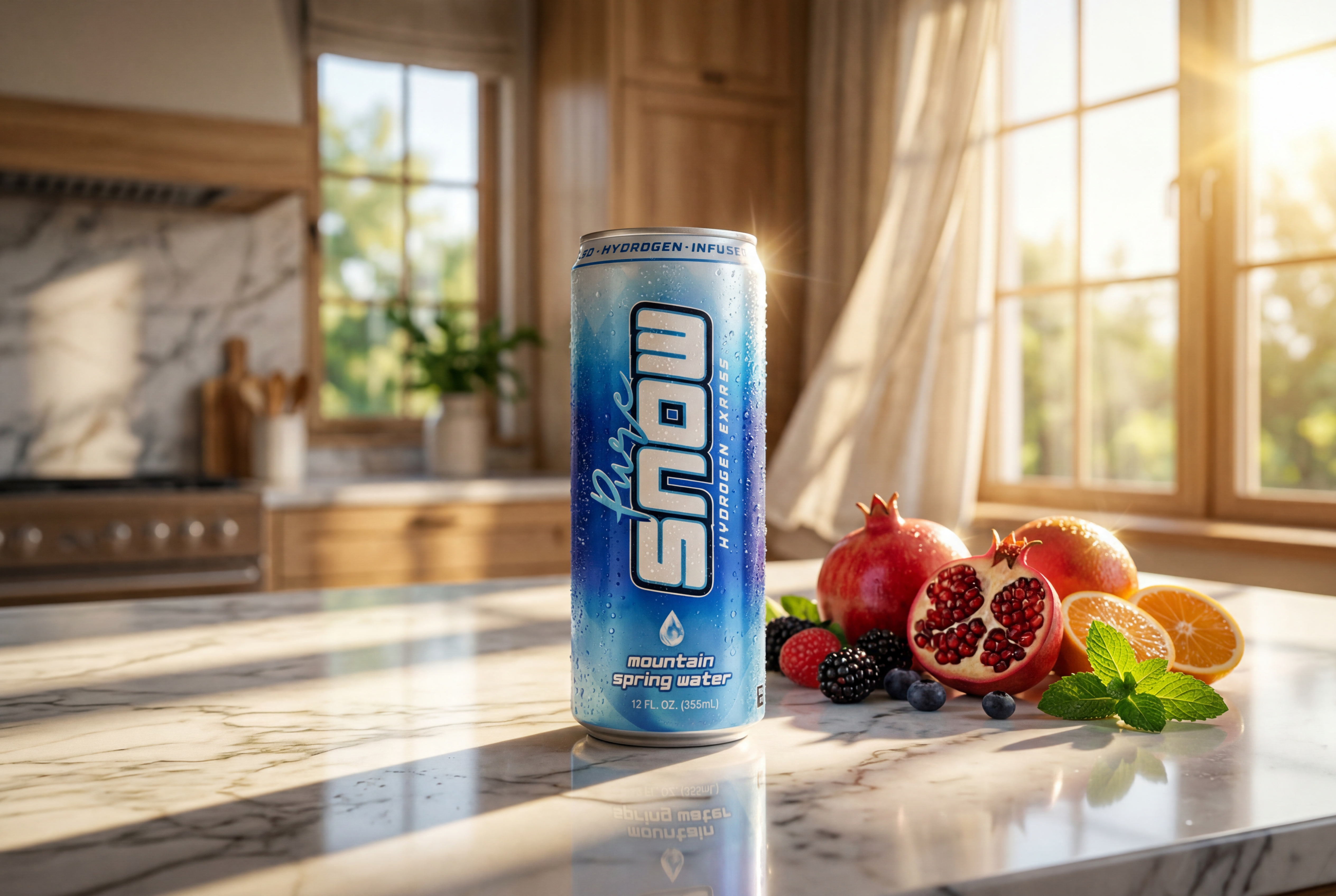
Concentration is measured in parts per million (PPM), and most research uses hydrogen water in a meaningful therapeutic range rather than trace amounts. A product with a vague or unlisted PPM is a red flag. This is exactly why Pure Snow packages its hydrogen-infused mountain spring water in aluminum cans, which create a far more effective barrier against hydrogen escape than plastic, preserving potency from the moment of infusion until the moment you crack it open. If you're evaluating hydrogen water brands, ask two questions: what is the PPM at the time you drink it, and what is the packaging made of? If a brand can't answer both clearly, keep looking. You can find answers to these and other common questions on our FAQ page.
SO WHAT DOES THIS MEAN FOR YOUR GUT?
The honest summary is this: hydrogen water is not a cure-all, and anyone promising it will fix digestive disorders overnight is overselling it. But the research on molecular hydrogen's antioxidant and anti-inflammatory properties is real and growing, and the gut, as one of the body's most oxidatively active environments, is a logical place for those properties to matter. Early studies suggest hydrogen-rich water may support a healthier oxidative balance, and emerging research is exploring its relationship with the gut microbiome itself. Pairing hydrogen water with the fundamentals, a fiber-rich diet, adequate sleep, stress management, and regular movement, gives you the best of both worlds: your gut bacteria producing hydrogen internally, supplemented by a consistent external dose.
The practical takeaways are simple. Choose a product with a verified, meaningful hydrogen concentration. Choose packaging that actually holds the hydrogen in. Drink it fresh, since opened hydrogen water loses potency within hours. And treat it as one supportive habit within a broader gut-friendly lifestyle, not a replacement for one.
KEY TAKEAWAY: Hydrogen water offers a real, science-backed antioxidant property that plain water doesn't, and it may support gut health by helping manage oxidative stress in the digestive tract, but only if the product delivers a verified hydrogen concentration in packaging that preserves it.
If you're ready to experience properly preserved, high-concentration hydrogen water sourced from pristine mountain springs, we'd love for you to try Pure Snow for yourself. Your gut, and the rest of your body, deserves water that does more.
FAQ
Q: Can hydrogen water replace probiotics or fiber for gut health?
A: No. Hydrogen water works through a different mechanism, helping manage oxidative stress rather than feeding or populating your microbiome. Think of it as a complement to fiber, fermented foods, and other gut-friendly habits, not a substitute for them.
Q: How quickly does hydrogen water lose its potency after opening?
A: Dissolved hydrogen begins escaping as soon as the container is opened, and most of it is gone within a few hours. For maximum benefit, drink your hydrogen water shortly after opening rather than sipping it throughout the day.
Q: Is hydrogen water safe to drink every day?
A: Yes. Molecular hydrogen has an excellent safety profile in research, with no known toxicity at the concentrations found in hydrogen water. It's simply water with dissolved H2 gas, so daily consumption is as safe as drinking regular water.
Back to BlogMYTH 1: HYDROGEN WATER IS NO DIFFERENT FROM REGULAR WATER FOR YOUR GUT
This is the most common dismissal, and it's understandable. Hydrogen water looks, tastes, and pours exactly like ordinary water. The difference is invisible: dissolved molecular hydrogen gas (H2), which is one of the smallest molecules in existence. That tiny size matters. Molecular hydrogen can diffuse rapidly through cell membranes and tissues, including the lining of your digestive tract, in a way that few other compounds can.
Why does that matter for gut health? Your gut lining is a high-traffic zone for oxidative stress. It's constantly exposed to food byproducts, environmental toxins, and the metabolic activity of trillions of microbes. When oxidative stress overwhelms your body's natural defenses, it can contribute to low-grade inflammation in the gut, which researchers have linked to everything from digestive discomfort to broader metabolic issues. Molecular hydrogen is studied as a selective antioxidant, meaning it appears to neutralize the most damaging free radicals, like hydroxyl radicals, while leaving beneficial signaling molecules alone. According to a pilot study published in the Journal of Clinical Biochemistry and Nutrition, participants who drank hydrogen-rich water showed improved antioxidant status and reduced markers of oxidative stress, which is exactly the kind of internal environment a healthy gut prefers. So no, hydrogen water is not chemically identical to tap water. The dissolved H2 gives it a functional property that plain water simply doesn't have.
MYTH 2: YOUR GUT ALREADY MAKES HYDROGEN, SO DRINKING IT IS POINTLESS
This myth actually starts from a true premise. Certain bacteria in your colon do produce hydrogen gas as they ferment dietary fiber, and researchers believe this endogenous hydrogen may be one reason fiber-rich diets are so beneficial. Skeptics conclude that if your body already makes hydrogen, adding more from a can is redundant.
Here's the problem with that logic: endogenous hydrogen production varies enormously from person to person. It depends on your fiber intake, the composition of your microbiome, and even factors like antibiotic use, stress, and age. Many people following a typical Western diet consume far less fiber than recommended, which means their internal hydrogen production is likely modest. Drinking hydrogen water is a way to deliver a measurable, consistent dose of dissolved H2 directly, starting in the stomach and upper digestive tract, regions where bacterial hydrogen production is minimal. It's not about replacing what your gut bacteria do; it's about supplementing it reliably. Think of it the way you'd think of vitamin D: your body can make it from sunlight, but that doesn't make supplementation useless for people who don't get enough. If you want a deeper look at how dissolved hydrogen behaves in the body, our how it works page breaks down the science in plain language.
MYTH 3: ALL HYDROGEN WATER IS THE SAME, SO CONCENTRATION AND PACKAGING DON'T MATTER
This might be the most costly myth of the three, because it leads people to buy products that deliver little to no actual hydrogen. Molecular hydrogen is a gas, and gases escape. The moment hydrogen water is exposed to air, or stored in a container that hydrogen molecules can pass through, the concentration begins to drop. Plastic bottles are notoriously poor at containing H2 because hydrogen molecules are small enough to slowly permeate plastic. A hydrogen water product that measured well at bottling can arrive at your door with a fraction of its original concentration.
Concentration is measured in parts per million (PPM), and most research uses hydrogen water in a meaningful therapeutic range rather than trace amounts. A product with a vague or unlisted PPM is a red flag. This is exactly why Pure Snow packages its hydrogen-infused mountain spring water in aluminum cans, which create a far more effective barrier against hydrogen escape than plastic, preserving potency from the moment of infusion until the moment you crack it open. If you're evaluating hydrogen water brands, ask two questions: what is the PPM at the time you drink it, and what is the packaging made of? If a brand can't answer both clearly, keep looking. You can find answers to these and other common questions on our FAQ page.
SO WHAT DOES THIS MEAN FOR YOUR GUT?
The honest summary is this: hydrogen water is not a cure-all, and anyone promising it will fix digestive disorders overnight is overselling it. But the research on molecular hydrogen's antioxidant and anti-inflammatory properties is real and growing, and the gut, as one of the body's most oxidatively active environments, is a logical place for those properties to matter. Early studies suggest hydrogen-rich water may support a healthier oxidative balance, and emerging research is exploring its relationship with the gut microbiome itself. Pairing hydrogen water with the fundamentals, a fiber-rich diet, adequate sleep, stress management, and regular movement, gives you the best of both worlds: your gut bacteria producing hydrogen internally, supplemented by a consistent external dose.
The practical takeaways are simple. Choose a product with a verified, meaningful hydrogen concentration. Choose packaging that actually holds the hydrogen in. Drink it fresh, since opened hydrogen water loses potency within hours. And treat it as one supportive habit within a broader gut-friendly lifestyle, not a replacement for one.
KEY TAKEAWAY: Hydrogen water offers a real, science-backed antioxidant property that plain water doesn't, and it may support gut health by helping manage oxidative stress in the digestive tract, but only if the product delivers a verified hydrogen concentration in packaging that preserves it.
If you're ready to experience properly preserved, high-concentration hydrogen water sourced from pristine mountain springs, we'd love for you to try Pure Snow for yourself. Your gut, and the rest of your body, deserves water that does more.
FAQ
Q: Can hydrogen water replace probiotics or fiber for gut health?
A: No. Hydrogen water works through a different mechanism, helping manage oxidative stress rather than feeding or populating your microbiome. Think of it as a complement to fiber, fermented foods, and other gut-friendly habits, not a substitute for them.
Q: How quickly does hydrogen water lose its potency after opening?
A: Dissolved hydrogen begins escaping as soon as the container is opened, and most of it is gone within a few hours. For maximum benefit, drink your hydrogen water shortly after opening rather than sipping it throughout the day.
Q: Is hydrogen water safe to drink every day?
A: Yes. Molecular hydrogen has an excellent safety profile in research, with no known toxicity at the concentrations found in hydrogen water. It's simply water with dissolved H2 gas, so daily consumption is as safe as drinking regular water.
