Hydrogen Water for Brain Function: Caffeine vs. Molecular Hydrogen Compared
If you've been searching for a mental edge this October 2026, you've probably noticed two very different camps emerging in the wellness world. On one side sits the classic stimulant approach: coffee, energy drinks, and caffeine in all its forms. On the other sits a quieter, newer contender: hydrogen water for brain function. Both promise sharper thinking, but they work in fundamentally different ways. In this post, we'll compare these two approaches head to head so you can decide which one deserves a place in your daily routine, or whether the smartest answer might be both.
THE STIMULANT APPROACH: HOW CAFFEINE SUPPORTS FOCUS
Caffeine is the world's most popular cognitive enhancer for a reason. It works by blocking adenosine receptors in the brain, which temporarily suppresses the feeling of tiredness and increases alertness. The effect is fast, noticeable, and reliable, which is why most people reach for it first thing in the morning.
But the stimulant approach comes with well-known trade-offs. Caffeine doesn't eliminate fatigue; it masks it. When the effect wears off, adenosine floods back in, often producing the familiar afternoon crash. Caffeine can also raise cortisol, disrupt sleep when consumed too late in the day, and lose effectiveness over time as tolerance builds. In short, caffeine borrows energy from later in the day rather than creating genuinely better conditions for your brain to operate.
THE CELLULAR APPROACH: HOW HYDROGEN WATER SUPPORTS THE BRAIN
Hydrogen water takes an entirely different route. Instead of stimulating the nervous system, molecular hydrogen (H2) works at the cellular level. Your brain is one of the most metabolically active organs in your body, consuming roughly 20 percent of your oxygen supply. All of that activity generates reactive oxygen species, a form of oxidative stress that can impair neurons and contribute to brain fog, mental fatigue, and long-term cognitive decline.
Molecular hydrogen is the smallest molecule in existence, small enough to cross the blood-brain barrier, something most antioxidants cannot do. Once inside, it selectively neutralizes the most harmful free radicals, particularly hydroxyl radicals, without disrupting the beneficial signaling molecules your cells need. According to a landmark study published in Nature Medicine, molecular hydrogen acts as a selective antioxidant capable of protecting brain tissue from oxidative damage. This foundational research sparked hundreds of follow-up studies exploring hydrogen's effects on cognition, mood, and neuroprotection.
Unlike caffeine, hydrogen water doesn't deliver a jolt. What many drinkers report instead is a steadier kind of clarity: less mental fog, more sustained focus, and none of the jitters or crash associated with stimulants.
HEAD TO HEAD: SPEED, SUSTAINABILITY, AND SIDE EFFECTS
Let's compare the two approaches across the factors that matter most.
Speed of effect: Caffeine wins on immediacy. You'll feel it within 20 to 45 minutes. Hydrogen water's effects are subtler and tend to build with consistent daily use as oxidative stress is reduced over time.
Sustainability: This is where hydrogen water pulls ahead. There is no known tolerance effect with molecular hydrogen, meaning your body doesn't adapt and demand more to achieve the same benefit. Caffeine, by contrast, requires escalating doses for many regular users.
Side effects: Caffeine can cause anxiety, elevated heart rate, digestive upset, and sleep disruption. Hydrogen water has an exceptional safety profile. Once H2 does its work, the byproduct is simply water. You can drink it in the evening without any concern about staying awake.
Mechanism: Caffeine manipulates your brain's fatigue signals. Hydrogen addresses one of the root contributors to mental fatigue, oxidative stress, at the source. One masks the problem; the other helps your cells manage it.
Long-term brain health: Research on caffeine and long-term cognition is mixed. Research on molecular hydrogen, while still growing, consistently points toward neuroprotective potential, which is why it has become a focus of studies on cognitive aging and recovery.
WHY DELIVERY METHOD MATTERS FOR BRAIN BENEFITS
Here's something the comparison above doesn't capture: not all hydrogen water is created equal. Molecular hydrogen is volatile and escapes quickly from open containers and permeable packaging like plastic bottles. If the hydrogen has dissipated before you drink it, you're just drinking expensive regular water.
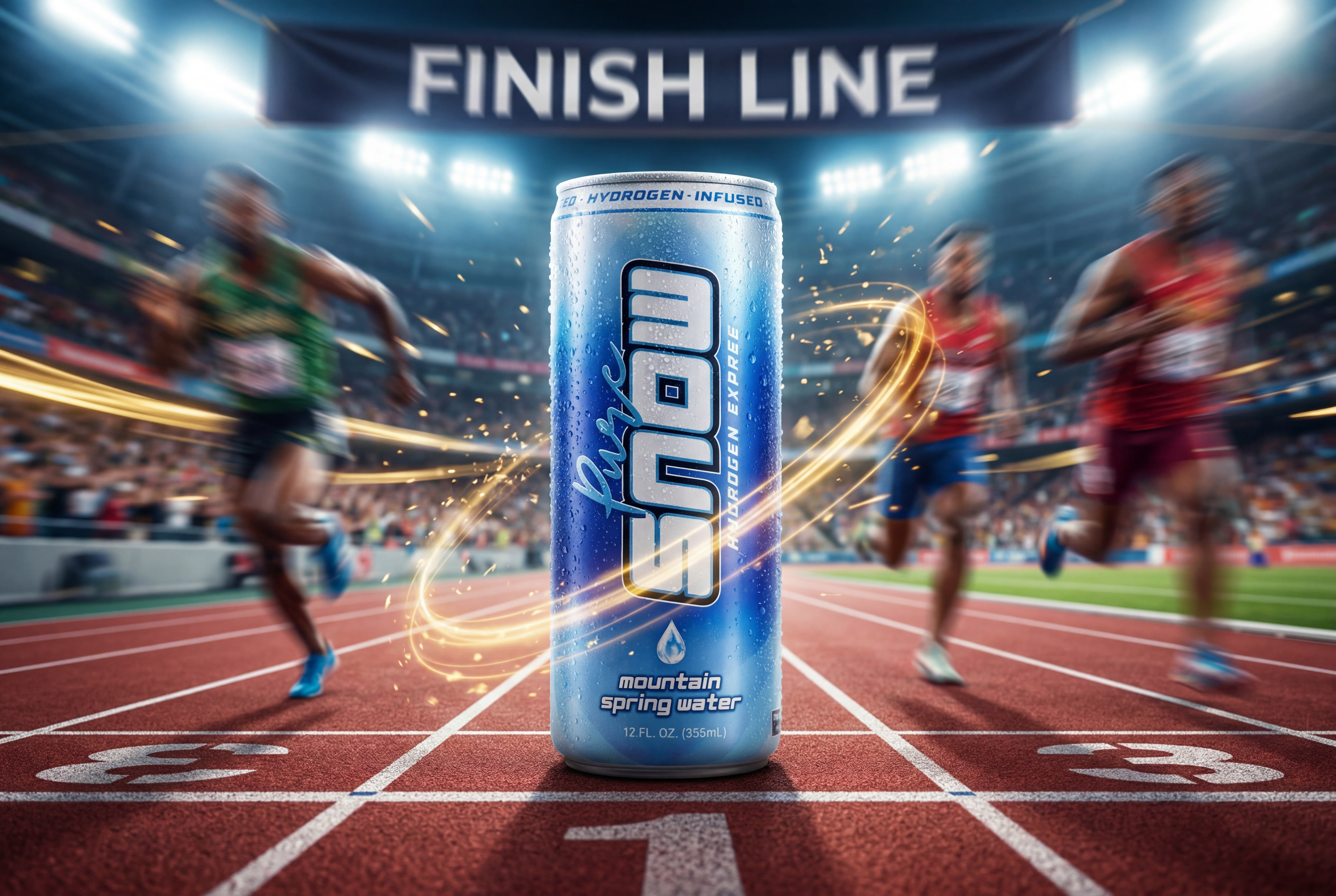
Concentration matters too. Studies suggesting cognitive and antioxidant benefits typically use water with meaningful hydrogen concentrations, measured in parts per million (PPM). At Pure Snow, we infuse premium mountain spring water with molecular hydrogen and seal it in aluminum cans, which preserve hydrogen concentration far better than plastic. You can read more about how our infusion process and PPM levels work if you want the full science behind what's in every can.
CAN YOU COMBINE BOTH APPROACHES?
Absolutely, and many people do. Caffeine and hydrogen water aren't competitors in your body; they operate through completely different mechanisms. A practical routine might look like this: a can of hydrogen water first thing in the morning to hydrate and support your cells, coffee mid-morning for an alertness boost, and another hydrogen water in the afternoon when you'd normally reach for a second coffee. This way you get caffeine's immediate lift without over-relying on it, while hydrogen works in the background supporting the cellular conditions your brain needs to perform. Because hydrogen water is simply water with dissolved H2, it also counts fully toward your daily hydration, and even mild dehydration is one of the most common and overlooked causes of poor concentration. If you're curious what daily use looks like cost-wise, our subscribe and save options make a consistent routine surprisingly affordable.
THE VERDICT
If you need alertness in the next half hour, caffeine remains the fastest tool available. But if you're thinking about sustained mental clarity, long-term brain health, and a focus strategy that doesn't come with a crash, hydrogen water offers something caffeine never can: support at the cellular level, where mental energy actually originates. For most people, the ideal answer isn't choosing one over the other. It's letting caffeine do what it does best in moderation while making hydrogen water the consistent, foundational habit underneath it.
KEY TAKEAWAY: Caffeine masks mental fatigue temporarily, while molecular hydrogen crosses the blood-brain barrier and helps address oxidative stress, a root contributor to brain fog, making hydrogen water a sustainable, crash-free foundation for daily cognitive support.
Ready to experience steady, cellular-level clarity for yourself? Explore Pure Snow hydrogen water and discover what a consistent hydrogen habit can do for your focus.
FAQ
Q: How quickly does hydrogen water affect brain function?
A: Unlike caffeine, hydrogen water doesn't produce an instant jolt. Dissolved hydrogen is absorbed quickly, but the cognitive benefits reported in research and by regular drinkers tend to build with consistent daily use as oxidative stress is reduced over time.
Q: Can hydrogen water replace my morning coffee?
A: It depends on your goals. Hydrogen water won't replicate caffeine's immediate stimulant effect, but many people find that consistent use reduces brain fog enough that they rely on less caffeine overall. The two can also be used together safely.
Q: Is it safe to drink hydrogen water every day for brain health?
A: Yes. Molecular hydrogen has an excellent safety profile with no known toxicity, tolerance buildup, or side effects at the concentrations found in hydrogen water. Once it acts in the body, the only byproduct is water, making it one of the gentlest daily wellness habits available.
Back to BlogTHE STIMULANT APPROACH: HOW CAFFEINE SUPPORTS FOCUS
Caffeine is the world's most popular cognitive enhancer for a reason. It works by blocking adenosine receptors in the brain, which temporarily suppresses the feeling of tiredness and increases alertness. The effect is fast, noticeable, and reliable, which is why most people reach for it first thing in the morning.
But the stimulant approach comes with well-known trade-offs. Caffeine doesn't eliminate fatigue; it masks it. When the effect wears off, adenosine floods back in, often producing the familiar afternoon crash. Caffeine can also raise cortisol, disrupt sleep when consumed too late in the day, and lose effectiveness over time as tolerance builds. In short, caffeine borrows energy from later in the day rather than creating genuinely better conditions for your brain to operate.
THE CELLULAR APPROACH: HOW HYDROGEN WATER SUPPORTS THE BRAIN
Hydrogen water takes an entirely different route. Instead of stimulating the nervous system, molecular hydrogen (H2) works at the cellular level. Your brain is one of the most metabolically active organs in your body, consuming roughly 20 percent of your oxygen supply. All of that activity generates reactive oxygen species, a form of oxidative stress that can impair neurons and contribute to brain fog, mental fatigue, and long-term cognitive decline.
Molecular hydrogen is the smallest molecule in existence, small enough to cross the blood-brain barrier, something most antioxidants cannot do. Once inside, it selectively neutralizes the most harmful free radicals, particularly hydroxyl radicals, without disrupting the beneficial signaling molecules your cells need. According to a landmark study published in Nature Medicine, molecular hydrogen acts as a selective antioxidant capable of protecting brain tissue from oxidative damage. This foundational research sparked hundreds of follow-up studies exploring hydrogen's effects on cognition, mood, and neuroprotection.
Unlike caffeine, hydrogen water doesn't deliver a jolt. What many drinkers report instead is a steadier kind of clarity: less mental fog, more sustained focus, and none of the jitters or crash associated with stimulants.
HEAD TO HEAD: SPEED, SUSTAINABILITY, AND SIDE EFFECTS
Let's compare the two approaches across the factors that matter most.
Speed of effect: Caffeine wins on immediacy. You'll feel it within 20 to 45 minutes. Hydrogen water's effects are subtler and tend to build with consistent daily use as oxidative stress is reduced over time.
Sustainability: This is where hydrogen water pulls ahead. There is no known tolerance effect with molecular hydrogen, meaning your body doesn't adapt and demand more to achieve the same benefit. Caffeine, by contrast, requires escalating doses for many regular users.
Side effects: Caffeine can cause anxiety, elevated heart rate, digestive upset, and sleep disruption. Hydrogen water has an exceptional safety profile. Once H2 does its work, the byproduct is simply water. You can drink it in the evening without any concern about staying awake.
Mechanism: Caffeine manipulates your brain's fatigue signals. Hydrogen addresses one of the root contributors to mental fatigue, oxidative stress, at the source. One masks the problem; the other helps your cells manage it.
Long-term brain health: Research on caffeine and long-term cognition is mixed. Research on molecular hydrogen, while still growing, consistently points toward neuroprotective potential, which is why it has become a focus of studies on cognitive aging and recovery.
WHY DELIVERY METHOD MATTERS FOR BRAIN BENEFITS
Here's something the comparison above doesn't capture: not all hydrogen water is created equal. Molecular hydrogen is volatile and escapes quickly from open containers and permeable packaging like plastic bottles. If the hydrogen has dissipated before you drink it, you're just drinking expensive regular water.
Concentration matters too. Studies suggesting cognitive and antioxidant benefits typically use water with meaningful hydrogen concentrations, measured in parts per million (PPM). At Pure Snow, we infuse premium mountain spring water with molecular hydrogen and seal it in aluminum cans, which preserve hydrogen concentration far better than plastic. You can read more about how our infusion process and PPM levels work if you want the full science behind what's in every can.
CAN YOU COMBINE BOTH APPROACHES?
Absolutely, and many people do. Caffeine and hydrogen water aren't competitors in your body; they operate through completely different mechanisms. A practical routine might look like this: a can of hydrogen water first thing in the morning to hydrate and support your cells, coffee mid-morning for an alertness boost, and another hydrogen water in the afternoon when you'd normally reach for a second coffee. This way you get caffeine's immediate lift without over-relying on it, while hydrogen works in the background supporting the cellular conditions your brain needs to perform. Because hydrogen water is simply water with dissolved H2, it also counts fully toward your daily hydration, and even mild dehydration is one of the most common and overlooked causes of poor concentration. If you're curious what daily use looks like cost-wise, our subscribe and save options make a consistent routine surprisingly affordable.
THE VERDICT
If you need alertness in the next half hour, caffeine remains the fastest tool available. But if you're thinking about sustained mental clarity, long-term brain health, and a focus strategy that doesn't come with a crash, hydrogen water offers something caffeine never can: support at the cellular level, where mental energy actually originates. For most people, the ideal answer isn't choosing one over the other. It's letting caffeine do what it does best in moderation while making hydrogen water the consistent, foundational habit underneath it.
KEY TAKEAWAY: Caffeine masks mental fatigue temporarily, while molecular hydrogen crosses the blood-brain barrier and helps address oxidative stress, a root contributor to brain fog, making hydrogen water a sustainable, crash-free foundation for daily cognitive support.
Ready to experience steady, cellular-level clarity for yourself? Explore Pure Snow hydrogen water and discover what a consistent hydrogen habit can do for your focus.
FAQ
Q: How quickly does hydrogen water affect brain function?
A: Unlike caffeine, hydrogen water doesn't produce an instant jolt. Dissolved hydrogen is absorbed quickly, but the cognitive benefits reported in research and by regular drinkers tend to build with consistent daily use as oxidative stress is reduced over time.
Q: Can hydrogen water replace my morning coffee?
A: It depends on your goals. Hydrogen water won't replicate caffeine's immediate stimulant effect, but many people find that consistent use reduces brain fog enough that they rely on less caffeine overall. The two can also be used together safely.
Q: Is it safe to drink hydrogen water every day for brain health?
A: Yes. Molecular hydrogen has an excellent safety profile with no known toxicity, tolerance buildup, or side effects at the concentrations found in hydrogen water. Once it acts in the body, the only byproduct is water, making it one of the gentlest daily wellness habits available.
