Hydrogen Water for Brain Function: Two Approaches to Sharper Thinking Compared
If you've been searching for ways to support sharper thinking this August 2026, you've probably noticed that most advice falls into one of two camps. The first is the classic approach: stay hydrated with plain water and lean on caffeine when you need a mental boost. The second is newer and gaining serious momentum: drinking hydrogen-infused water to support brain function at the cellular level. Both approaches have their merits, but they work in fundamentally different ways. In this post, we'll put them side by side so you can decide which strategy — or combination — makes the most sense for your brain.
THE CLASSIC APPROACH: PLAIN WATER PLUS CAFFEINE
Let's give credit where it's due. Hydration genuinely matters for cognition. Even mild dehydration — as little as one to two percent of body weight — has been linked to reduced concentration, slower reaction times, and increased perception of task difficulty. Your brain is roughly 75 percent water, and it notices when levels dip. Plain water solves this problem effectively and affordably.
Caffeine, meanwhile, works by blocking adenosine receptors in the brain, temporarily masking fatigue signals and increasing alertness. It's fast, familiar, and effective in the short term. But it comes with well-known trade-offs: tolerance builds quickly, afternoon doses can disrupt sleep, and the crash that follows a caffeine spike can leave you foggier than before. Most importantly, caffeine doesn't address one of the biggest underlying threats to long-term brain health — oxidative stress.
THE NEWER APPROACH: MOLECULAR HYDROGEN FOR THE BRAIN
Hydrogen water takes a completely different route. Instead of stimulating the nervous system, it delivers dissolved molecular hydrogen (H2) — the smallest molecule in existence — which can cross the blood-brain barrier with ease. That's a significant advantage, because many antioxidants are simply too large to reach brain tissue in meaningful amounts.
Once there, molecular hydrogen is thought to act as a selective antioxidant, neutralizing the most damaging free radicals — like hydroxyl radicals — while leaving beneficial signaling molecules alone. The brain is especially vulnerable to oxidative stress because it consumes about 20 percent of the body's oxygen despite making up only 2 percent of its weight. High oxygen consumption means high free radical production, and over time that oxidative burden is associated with mental fatigue, brain fog, and age-related cognitive decline.
The research here is early but genuinely encouraging. In one randomized, double-blind, placebo-controlled trial, adults who drank hydrogen-rich water daily for four weeks showed meaningful improvements in mood, anxiety levels, and autonomic nerve function compared to the placebo group, according to a study published in Medical Gas Research. Other preliminary research has explored hydrogen's potential role in reducing neuroinflammation and supporting mitochondrial function in brain cells — the tiny power plants that fuel every thought you have.
HOW THE TWO APPROACHES ACTUALLY DIFFER
The clearest way to understand the difference is speed versus depth. Caffeine and plain hydration deliver a fast, surface-level effect: you feel more awake within 30 minutes, and adequate hydration keeps baseline cognition steady. Hydrogen water works more quietly, supporting the cellular environment your brain operates in — reducing oxidative stress, supporting mitochondrial energy production, and potentially calming low-grade neuroinflammation over time.
Another key difference is the downside profile. Caffeine has a ceiling: more isn't better, and too much actively works against you through jitters, anxiety, and poor sleep — all of which harm cognition. Molecular hydrogen, by contrast, has shown an excellent safety profile in human studies, with no known toxicity at the concentrations found in hydrogen water. It doesn't overstimulate, doesn't crash, and doesn't interfere with sleep. If anything, some research suggests it may support better sleep quality by reducing oxidative stress in the nervous system.
There's also the delivery question. Plain water is plain water — but hydrogen water quality varies enormously depending on how it's made and packaged. Hydrogen gas escapes plastic bottles rapidly, which is why concentration and packaging matter so much. If you're curious about what PPM means and why aluminum cans preserve hydrogen far better than plastic, our breakdown of how hydrogen water works covers the science in plain language.
WHICH APPROACH SHOULD YOU CHOOSE?
Here's the honest answer: this isn't really an either-or decision. The smartest strategy layers them. Keep your baseline hydration strong, use caffeine intentionally rather than habitually, and add hydrogen water as your cellular-level support — particularly during periods of high mental demand, poor sleep recovery, or intense training, when oxidative stress runs highest.
Where hydrogen water clearly wins is in situations where caffeine fails you: late afternoons when another coffee would wreck your sleep, recovery days when your brain feels drained rather than sleepy, and long-term brain health, where stimulants offer nothing at all. Where the classic approach wins is immediacy — nothing beats caffeine for a fast alertness spike before a big meeting.
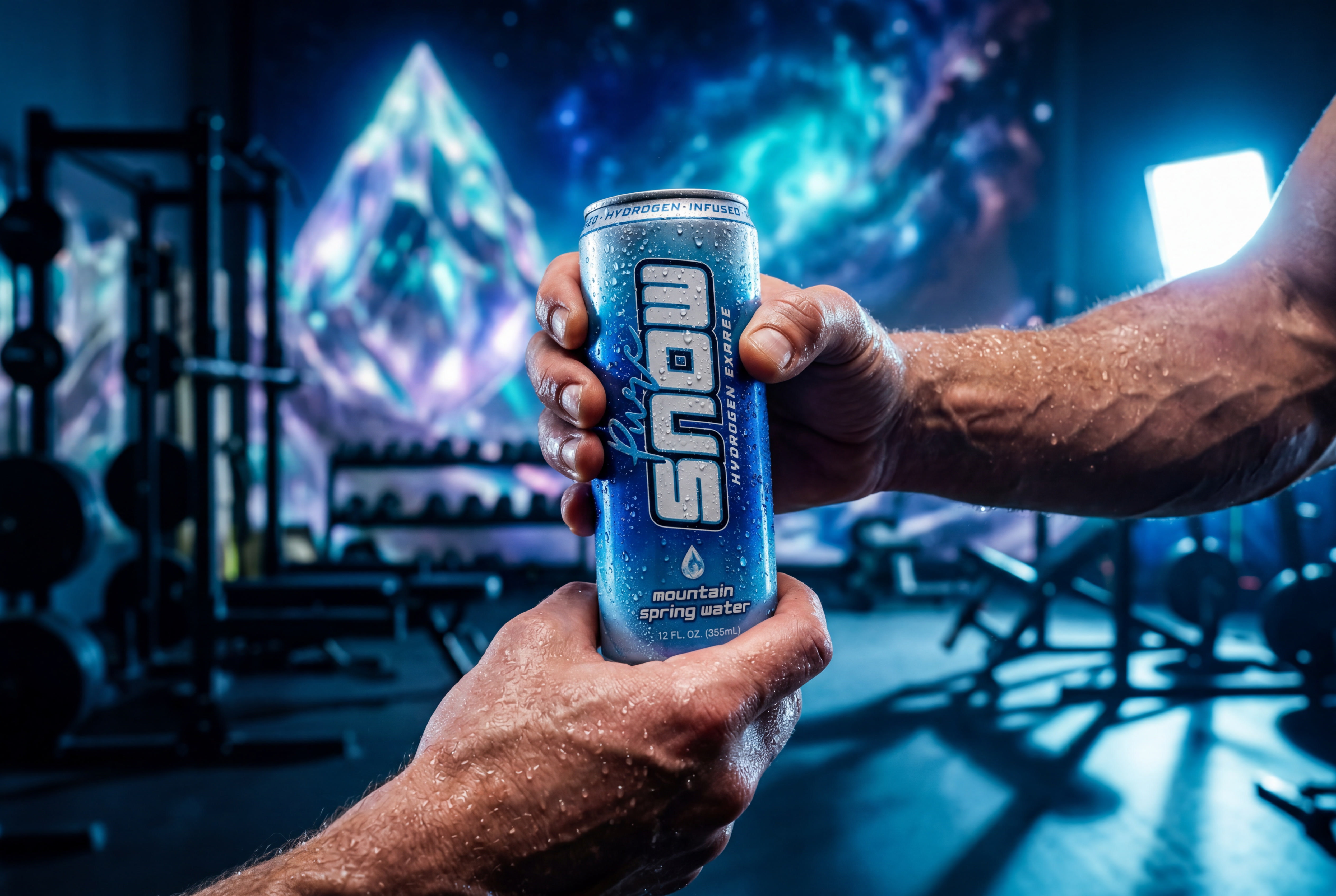
One practical note: consistency matters more with hydrogen water than with caffeine. The cognitive and mood benefits observed in studies came from daily intake over weeks, not a single serving. That's why we designed Pure Snow hydrogen water to be easy to build into a daily routine — premium mountain spring water infused with molecular hydrogen and sealed in aluminum cans that actually keep the hydrogen where it belongs, in the water and eventually in you. If you're weighing the cost of a daily habit, our subscribe and save options make consistency simpler and more affordable.
A REALISTIC TIMELINE FOR RESULTS
Set expectations accordingly. With caffeine, you know within half an hour whether it worked. With hydrogen water, most study protocols ran two to four weeks before measuring outcomes like mood, anxiety, and cognitive fatigue. Some people report feeling clearer within days; for others, the benefits are subtler and cumulative. Think of it less like flipping a light switch and more like improving the wiring — the kind of upgrade you notice most when you look back at how you used to feel.
KEY TAKEAWAY: Caffeine and plain water offer fast, surface-level cognitive support, while hydrogen water works at the cellular level — crossing the blood-brain barrier to help reduce the oxidative stress linked to brain fog and mental fatigue. Used consistently, it's a complement to your routine, not a replacement for good hydration habits.
Your brain does its best work when the cells behind every thought are well supported, and molecular hydrogen is one of the most promising tools science has uncovered for exactly that. Explore what makes Pure Snow different and try a case for yourself — your afternoon focus might just thank you.
FAQ
Q: How much hydrogen water should I drink for brain function benefits?
A: Most human studies used roughly 300 to 600 ml of hydrogen-rich water per day, consumed consistently for several weeks. One to two cans daily is a reasonable starting point. Consistency over time matters more than large single doses.
Q: Can hydrogen water replace my morning coffee?
A: Not directly — hydrogen water isn't a stimulant, so it won't produce caffeine's immediate alertness spike. Instead, it supports the cellular environment your brain runs on, which may reduce mental fatigue over time. Many people use both: coffee for the morning jolt, hydrogen water throughout the day.
Q: How quickly does molecular hydrogen reach the brain?
A: Because H2 is the smallest molecule in existence, it's absorbed rapidly and can cross the blood-brain barrier within minutes of drinking. However, the cognitive and mood benefits seen in research came from daily intake over two to four weeks, so give it time before judging results.
Back to BlogTHE CLASSIC APPROACH: PLAIN WATER PLUS CAFFEINE
Let's give credit where it's due. Hydration genuinely matters for cognition. Even mild dehydration — as little as one to two percent of body weight — has been linked to reduced concentration, slower reaction times, and increased perception of task difficulty. Your brain is roughly 75 percent water, and it notices when levels dip. Plain water solves this problem effectively and affordably.
Caffeine, meanwhile, works by blocking adenosine receptors in the brain, temporarily masking fatigue signals and increasing alertness. It's fast, familiar, and effective in the short term. But it comes with well-known trade-offs: tolerance builds quickly, afternoon doses can disrupt sleep, and the crash that follows a caffeine spike can leave you foggier than before. Most importantly, caffeine doesn't address one of the biggest underlying threats to long-term brain health — oxidative stress.
THE NEWER APPROACH: MOLECULAR HYDROGEN FOR THE BRAIN
Hydrogen water takes a completely different route. Instead of stimulating the nervous system, it delivers dissolved molecular hydrogen (H2) — the smallest molecule in existence — which can cross the blood-brain barrier with ease. That's a significant advantage, because many antioxidants are simply too large to reach brain tissue in meaningful amounts.
Once there, molecular hydrogen is thought to act as a selective antioxidant, neutralizing the most damaging free radicals — like hydroxyl radicals — while leaving beneficial signaling molecules alone. The brain is especially vulnerable to oxidative stress because it consumes about 20 percent of the body's oxygen despite making up only 2 percent of its weight. High oxygen consumption means high free radical production, and over time that oxidative burden is associated with mental fatigue, brain fog, and age-related cognitive decline.
The research here is early but genuinely encouraging. In one randomized, double-blind, placebo-controlled trial, adults who drank hydrogen-rich water daily for four weeks showed meaningful improvements in mood, anxiety levels, and autonomic nerve function compared to the placebo group, according to a study published in Medical Gas Research. Other preliminary research has explored hydrogen's potential role in reducing neuroinflammation and supporting mitochondrial function in brain cells — the tiny power plants that fuel every thought you have.
HOW THE TWO APPROACHES ACTUALLY DIFFER
The clearest way to understand the difference is speed versus depth. Caffeine and plain hydration deliver a fast, surface-level effect: you feel more awake within 30 minutes, and adequate hydration keeps baseline cognition steady. Hydrogen water works more quietly, supporting the cellular environment your brain operates in — reducing oxidative stress, supporting mitochondrial energy production, and potentially calming low-grade neuroinflammation over time.
Another key difference is the downside profile. Caffeine has a ceiling: more isn't better, and too much actively works against you through jitters, anxiety, and poor sleep — all of which harm cognition. Molecular hydrogen, by contrast, has shown an excellent safety profile in human studies, with no known toxicity at the concentrations found in hydrogen water. It doesn't overstimulate, doesn't crash, and doesn't interfere with sleep. If anything, some research suggests it may support better sleep quality by reducing oxidative stress in the nervous system.
There's also the delivery question. Plain water is plain water — but hydrogen water quality varies enormously depending on how it's made and packaged. Hydrogen gas escapes plastic bottles rapidly, which is why concentration and packaging matter so much. If you're curious about what PPM means and why aluminum cans preserve hydrogen far better than plastic, our breakdown of how hydrogen water works covers the science in plain language.
WHICH APPROACH SHOULD YOU CHOOSE?
Here's the honest answer: this isn't really an either-or decision. The smartest strategy layers them. Keep your baseline hydration strong, use caffeine intentionally rather than habitually, and add hydrogen water as your cellular-level support — particularly during periods of high mental demand, poor sleep recovery, or intense training, when oxidative stress runs highest.
Where hydrogen water clearly wins is in situations where caffeine fails you: late afternoons when another coffee would wreck your sleep, recovery days when your brain feels drained rather than sleepy, and long-term brain health, where stimulants offer nothing at all. Where the classic approach wins is immediacy — nothing beats caffeine for a fast alertness spike before a big meeting.
One practical note: consistency matters more with hydrogen water than with caffeine. The cognitive and mood benefits observed in studies came from daily intake over weeks, not a single serving. That's why we designed Pure Snow hydrogen water to be easy to build into a daily routine — premium mountain spring water infused with molecular hydrogen and sealed in aluminum cans that actually keep the hydrogen where it belongs, in the water and eventually in you. If you're weighing the cost of a daily habit, our subscribe and save options make consistency simpler and more affordable.
A REALISTIC TIMELINE FOR RESULTS
Set expectations accordingly. With caffeine, you know within half an hour whether it worked. With hydrogen water, most study protocols ran two to four weeks before measuring outcomes like mood, anxiety, and cognitive fatigue. Some people report feeling clearer within days; for others, the benefits are subtler and cumulative. Think of it less like flipping a light switch and more like improving the wiring — the kind of upgrade you notice most when you look back at how you used to feel.
KEY TAKEAWAY: Caffeine and plain water offer fast, surface-level cognitive support, while hydrogen water works at the cellular level — crossing the blood-brain barrier to help reduce the oxidative stress linked to brain fog and mental fatigue. Used consistently, it's a complement to your routine, not a replacement for good hydration habits.
Your brain does its best work when the cells behind every thought are well supported, and molecular hydrogen is one of the most promising tools science has uncovered for exactly that. Explore what makes Pure Snow different and try a case for yourself — your afternoon focus might just thank you.
FAQ
Q: How much hydrogen water should I drink for brain function benefits?
A: Most human studies used roughly 300 to 600 ml of hydrogen-rich water per day, consumed consistently for several weeks. One to two cans daily is a reasonable starting point. Consistency over time matters more than large single doses.
Q: Can hydrogen water replace my morning coffee?
A: Not directly — hydrogen water isn't a stimulant, so it won't produce caffeine's immediate alertness spike. Instead, it supports the cellular environment your brain runs on, which may reduce mental fatigue over time. Many people use both: coffee for the morning jolt, hydrogen water throughout the day.
Q: How quickly does molecular hydrogen reach the brain?
A: Because H2 is the smallest molecule in existence, it's absorbed rapidly and can cross the blood-brain barrier within minutes of drinking. However, the cognitive and mood benefits seen in research came from daily intake over two to four weeks, so give it time before judging results.
