Hydrogen Water for Athletic Recovery: What Athletes Need to Know
If you've been pushing hard in the gym or on the field this June 2026, you already know that recovery is just as important as the workout itself. Soreness, fatigue, and inflammation can slow your progress and keep you from performing at your best. That's where hydrogen water for athletic recovery is quietly becoming one of the most talked-about tools among serious athletes, trainers, and sports scientists alike. Here are the top tips for understanding how and why hydrogen water can make a real difference in how your body recovers.
WHY RECOVERY MATTERS MORE THAN MOST ATHLETES THINK
Many athletes focus almost entirely on performance — the reps, the miles, the personal records. But recovery is where the real adaptation happens. When you train intensely, your muscles experience microscopic damage, and your body produces reactive oxygen species (ROS), also called free radicals. These unstable molecules trigger oxidative stress, which contributes to muscle soreness, inflammation, and slower tissue repair. Without proper recovery support, this oxidative burden builds up over time, increasing injury risk and limiting long-term gains.
THE SCIENCE BEHIND HYDROGEN WATER AND EXERCISE
Molecular hydrogen (H2) is the smallest molecule in existence, which gives it a unique ability to penetrate cell membranes and reach mitochondria directly. Once inside the cell, molecular hydrogen selectively neutralizes the most harmful free radicals — particularly the hydroxyl radical — without interfering with beneficial ROS that the body uses for normal signaling. This targeted antioxidant action is what makes hydrogen water especially promising for athletic recovery, compared to traditional antioxidant supplements that can blunt the body's own adaptive responses. According to a study published in the Journal of Sports Medicine and Physical Fitness, athletes who consumed hydrogen-rich water experienced reduced blood lactate levels and improved exercise-induced decline of muscle function compared to those drinking regular water. These are meaningful, measurable outcomes for anyone who trains seriously.
TIP 1: TIME YOUR HYDROGEN WATER INTAKE AROUND WORKOUTS
For athletic recovery, timing matters. Drinking hydrogen water immediately before, during, or right after exercise appears to be the most effective window. This is when oxidative stress peaks and your cells are most in need of antioxidant support. Many athletes find that consuming hydrogen water within 30 minutes post-workout helps reduce the feeling of heavy soreness the following day. Think of it as giving your cells a recovery head start while your muscles are still in repair mode.
TIP 2: FOCUS ON CONCENTRATION — NOT JUST VOLUME
Not all hydrogen water is created equal. One of the biggest mistakes athletes make is assuming that any product labeled "hydrogen water" will deliver results. The concentration of dissolved hydrogen, measured in parts per million (PPM), is what determines therapeutic value. Research suggests that concentrations of at least 1.0 PPM are needed to produce meaningful biological effects. Many bottled waters on the market contain far less than this by the time they reach the consumer, especially if stored in plastic containers that allow hydrogen gas to escape. Pure Snow uses aluminum cans specifically engineered to preserve hydrogen concentration, ensuring that what's on the label is what you actually drink.
TIP 3: BE CONSISTENT — RECOVERY IS A DAILY PRACTICE
One can of hydrogen water won't transform your recovery overnight. Like most performance-supporting habits — sleep, protein intake, mobility work — consistency is what produces results. Athletes who incorporate hydrogen water into their daily routine, not just on training days, tend to report more sustained benefits over time. The cumulative reduction in oxidative stress and inflammation supports not just muscle recovery, but also joint health, immune function, and mental clarity — all factors that directly impact how well you perform day after day.
TIP 4: PAIR HYDROGEN WATER WITH OTHER RECOVERY FUNDAMENTALS
Hydrogen water works best as part of a complete recovery strategy, not as a standalone solution. Pair it with adequate sleep, quality nutrition, active recovery movement, and proper hydration throughout the day. Think of hydrogen water as the precision tool in your recovery toolkit — it targets oxidative damage at the cellular level while your other habits handle the bigger picture. Athletes who try to shortcut sleep or nutrition while relying on supplements of any kind will always leave performance on the table.
TIP 5: CHOOSE PACKAGING THAT PROTECTS POTENCY
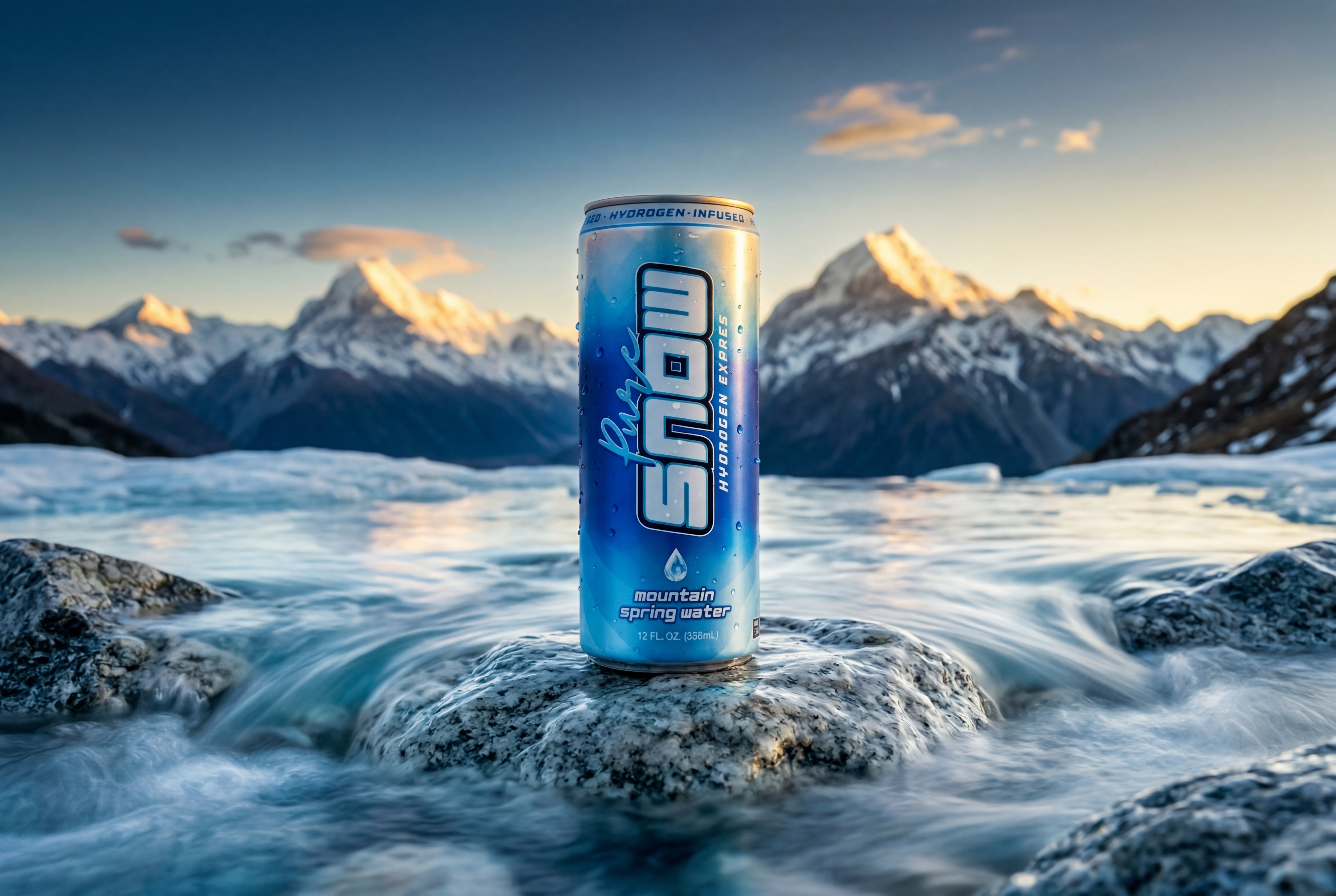
This point cannot be overstated for athletes who want real results. Hydrogen gas is notoriously difficult to keep dissolved in water. Plastic bottles and thin packaging allow H2 molecules to escape within hours or even minutes of opening. Aluminum cans create an airtight, impermeable seal that keeps hydrogen concentration stable until the moment you crack it open. If you're investing in hydrogen water for recovery, make sure the product you choose is packaged in a way that actually preserves the hydrogen. Pure Snow hydrogen water is sourced from mountain spring water and sealed in premium aluminum cans to deliver consistent, high-concentration H2 with every can.
TIP 6: TRACK HOW YOU FEEL OVER TWO TO FOUR WEEKS
Because hydrogen water works at the cellular level, the benefits often accumulate gradually rather than producing an overnight sensation. Encourage yourself to keep a simple training log that notes your perceived soreness, energy levels, sleep quality, and workout performance over a two to four week period after adding hydrogen water to your routine. Many athletes notice a meaningful shift around the two-week mark, particularly in how quickly they feel ready to train again after hard sessions.
KEY TAKEAWAY: For athletes, hydrogen water's ability to selectively neutralize harmful free radicals makes it a scientifically grounded recovery tool — but only when consumed consistently and at a therapeutic concentration preserved in proper packaging.
If you're serious about recovery and want to experience what high-concentration hydrogen water can do for your training, we'd love for you to explore Pure Snow's full lineup and try it for yourself. Your cells work hard every time you train — give them the support they deserve.
FAQ
Q: How soon after a workout should I drink hydrogen water for recovery?
A: Ideally, drink hydrogen water within 30 minutes after exercise, when oxidative stress and free radical activity are at their peak. This window gives molecular hydrogen the best opportunity to neutralize harmful ROS before they cause excessive cellular damage. Some athletes also drink a can before training to provide antioxidant support throughout the session.
Q: How much hydrogen water do I need to support athletic recovery?
A: Most research on exercise recovery uses one to two servings of hydrogen-rich water per day, with concentrations of at least 1.0 PPM. Consistency matters more than large volumes — drinking a single high-quality, properly sealed can daily will generally outperform irregular consumption of lower-quality products.
Q: Can hydrogen water replace my other recovery supplements?
A: Hydrogen water is best viewed as a complement to your existing recovery strategy rather than a replacement. It targets oxidative stress and inflammation at the cellular level, which most traditional supplements do not do with the same precision. However, it works best alongside fundamentals like quality sleep, protein intake, and hydration rather than as a substitute for them.
Back to BlogWHY RECOVERY MATTERS MORE THAN MOST ATHLETES THINK
Many athletes focus almost entirely on performance — the reps, the miles, the personal records. But recovery is where the real adaptation happens. When you train intensely, your muscles experience microscopic damage, and your body produces reactive oxygen species (ROS), also called free radicals. These unstable molecules trigger oxidative stress, which contributes to muscle soreness, inflammation, and slower tissue repair. Without proper recovery support, this oxidative burden builds up over time, increasing injury risk and limiting long-term gains.
THE SCIENCE BEHIND HYDROGEN WATER AND EXERCISE
Molecular hydrogen (H2) is the smallest molecule in existence, which gives it a unique ability to penetrate cell membranes and reach mitochondria directly. Once inside the cell, molecular hydrogen selectively neutralizes the most harmful free radicals — particularly the hydroxyl radical — without interfering with beneficial ROS that the body uses for normal signaling. This targeted antioxidant action is what makes hydrogen water especially promising for athletic recovery, compared to traditional antioxidant supplements that can blunt the body's own adaptive responses. According to a study published in the Journal of Sports Medicine and Physical Fitness, athletes who consumed hydrogen-rich water experienced reduced blood lactate levels and improved exercise-induced decline of muscle function compared to those drinking regular water. These are meaningful, measurable outcomes for anyone who trains seriously.
TIP 1: TIME YOUR HYDROGEN WATER INTAKE AROUND WORKOUTS
For athletic recovery, timing matters. Drinking hydrogen water immediately before, during, or right after exercise appears to be the most effective window. This is when oxidative stress peaks and your cells are most in need of antioxidant support. Many athletes find that consuming hydrogen water within 30 minutes post-workout helps reduce the feeling of heavy soreness the following day. Think of it as giving your cells a recovery head start while your muscles are still in repair mode.
TIP 2: FOCUS ON CONCENTRATION — NOT JUST VOLUME
Not all hydrogen water is created equal. One of the biggest mistakes athletes make is assuming that any product labeled "hydrogen water" will deliver results. The concentration of dissolved hydrogen, measured in parts per million (PPM), is what determines therapeutic value. Research suggests that concentrations of at least 1.0 PPM are needed to produce meaningful biological effects. Many bottled waters on the market contain far less than this by the time they reach the consumer, especially if stored in plastic containers that allow hydrogen gas to escape. Pure Snow uses aluminum cans specifically engineered to preserve hydrogen concentration, ensuring that what's on the label is what you actually drink.
TIP 3: BE CONSISTENT — RECOVERY IS A DAILY PRACTICE
One can of hydrogen water won't transform your recovery overnight. Like most performance-supporting habits — sleep, protein intake, mobility work — consistency is what produces results. Athletes who incorporate hydrogen water into their daily routine, not just on training days, tend to report more sustained benefits over time. The cumulative reduction in oxidative stress and inflammation supports not just muscle recovery, but also joint health, immune function, and mental clarity — all factors that directly impact how well you perform day after day.
TIP 4: PAIR HYDROGEN WATER WITH OTHER RECOVERY FUNDAMENTALS
Hydrogen water works best as part of a complete recovery strategy, not as a standalone solution. Pair it with adequate sleep, quality nutrition, active recovery movement, and proper hydration throughout the day. Think of hydrogen water as the precision tool in your recovery toolkit — it targets oxidative damage at the cellular level while your other habits handle the bigger picture. Athletes who try to shortcut sleep or nutrition while relying on supplements of any kind will always leave performance on the table.
TIP 5: CHOOSE PACKAGING THAT PROTECTS POTENCY
This point cannot be overstated for athletes who want real results. Hydrogen gas is notoriously difficult to keep dissolved in water. Plastic bottles and thin packaging allow H2 molecules to escape within hours or even minutes of opening. Aluminum cans create an airtight, impermeable seal that keeps hydrogen concentration stable until the moment you crack it open. If you're investing in hydrogen water for recovery, make sure the product you choose is packaged in a way that actually preserves the hydrogen. Pure Snow hydrogen water is sourced from mountain spring water and sealed in premium aluminum cans to deliver consistent, high-concentration H2 with every can.
TIP 6: TRACK HOW YOU FEEL OVER TWO TO FOUR WEEKS
Because hydrogen water works at the cellular level, the benefits often accumulate gradually rather than producing an overnight sensation. Encourage yourself to keep a simple training log that notes your perceived soreness, energy levels, sleep quality, and workout performance over a two to four week period after adding hydrogen water to your routine. Many athletes notice a meaningful shift around the two-week mark, particularly in how quickly they feel ready to train again after hard sessions.
KEY TAKEAWAY: For athletes, hydrogen water's ability to selectively neutralize harmful free radicals makes it a scientifically grounded recovery tool — but only when consumed consistently and at a therapeutic concentration preserved in proper packaging.
If you're serious about recovery and want to experience what high-concentration hydrogen water can do for your training, we'd love for you to explore Pure Snow's full lineup and try it for yourself. Your cells work hard every time you train — give them the support they deserve.
FAQ
Q: How soon after a workout should I drink hydrogen water for recovery?
A: Ideally, drink hydrogen water within 30 minutes after exercise, when oxidative stress and free radical activity are at their peak. This window gives molecular hydrogen the best opportunity to neutralize harmful ROS before they cause excessive cellular damage. Some athletes also drink a can before training to provide antioxidant support throughout the session.
Q: How much hydrogen water do I need to support athletic recovery?
A: Most research on exercise recovery uses one to two servings of hydrogen-rich water per day, with concentrations of at least 1.0 PPM. Consistency matters more than large volumes — drinking a single high-quality, properly sealed can daily will generally outperform irregular consumption of lower-quality products.
Q: Can hydrogen water replace my other recovery supplements?
A: Hydrogen water is best viewed as a complement to your existing recovery strategy rather than a replacement. It targets oxidative stress and inflammation at the cellular level, which most traditional supplements do not do with the same precision. However, it works best alongside fundamentals like quality sleep, protein intake, and hydration rather than as a substitute for them.