Hydrogen Water for Athletic Recovery: 7 Reasons Athletes Are Making the Switch
If you train hard, you already know that recovery is where the real gains happen. And this October 2026, more athletes than ever are reaching for hydrogen water as part of their post-training routine. From weekend runners to professional competitors, hydrogen-infused water has moved from fringe curiosity to legitimate recovery tool, backed by a growing body of research. But what exactly makes hydrogen water for athletic recovery worth your attention? Below are seven reasons athletes at every level are making it a staple in their gym bags.
1. MOLECULAR HYDROGEN TARGETS EXERCISE-INDUCED OXIDATIVE STRESS
Hard training is a double-edged sword. It builds strength and endurance, but it also generates reactive oxygen species, unstable molecules that can damage muscle cells and slow recovery when they accumulate faster than your body can neutralize them. Molecular hydrogen is a selective antioxidant, meaning it appears to neutralize the most harmful free radicals, like hydroxyl radicals, without interfering with the beneficial signaling molecules your body actually needs for training adaptation. That selectivity matters. Mega-dosing traditional antioxidants like vitamin C or E around workouts has been shown in some research to blunt training gains. Hydrogen seems to take a smarter approach, calming the damage without shutting down the adaptive response.
2. RESEARCH LINKS HYDROGEN WATER TO REDUCED MUSCLE FATIGUE
This is not just theory. In a pilot study on elite soccer players, researchers found that drinking hydrogen-rich water before intense exercise reduced blood lactate levels and prevented the decline in muscle function typically seen after acute exercise. According to a study published in Medical Gas Research, athletes who consumed hydrogen water experienced less exercise-induced muscle fatigue compared to those drinking placebo water. While the research field is still maturing, results like these are exactly why sports scientists keep studying molecular hydrogen as a recovery aid.
3. IT MAY HELP MANAGE POST-WORKOUT INFLAMMATION
Delayed onset muscle soreness, the stiffness that hits 24 to 48 hours after a tough session, is driven in part by inflammation. Some inflammation is a normal and necessary part of muscle repair, but excessive or prolonged inflammation can keep you sidelined longer than necessary. Molecular hydrogen has been studied for its ability to modulate inflammatory pathways, potentially helping your body strike a better balance between repair and readiness. For athletes training multiple days per week, anything that shortens the window between quality sessions is a meaningful edge.
4. IT SUPPORTS HYDRATION, WHICH IS RECOVERY RULE NUMBER ONE
Here is an underrated point: hydrogen water is still water. Rehydration after exercise is the foundation of every recovery protocol, and dehydration of even two percent of body weight measurably impairs performance and slows recovery. When your recovery drink is hydrogen-infused mountain spring water, you are covering the fundamentals and adding a potential antioxidant benefit on top. You are not choosing between hydration and hydrogen. You get both in the same can.
5. CONCENTRATION AND PACKAGING ACTUALLY MATTER
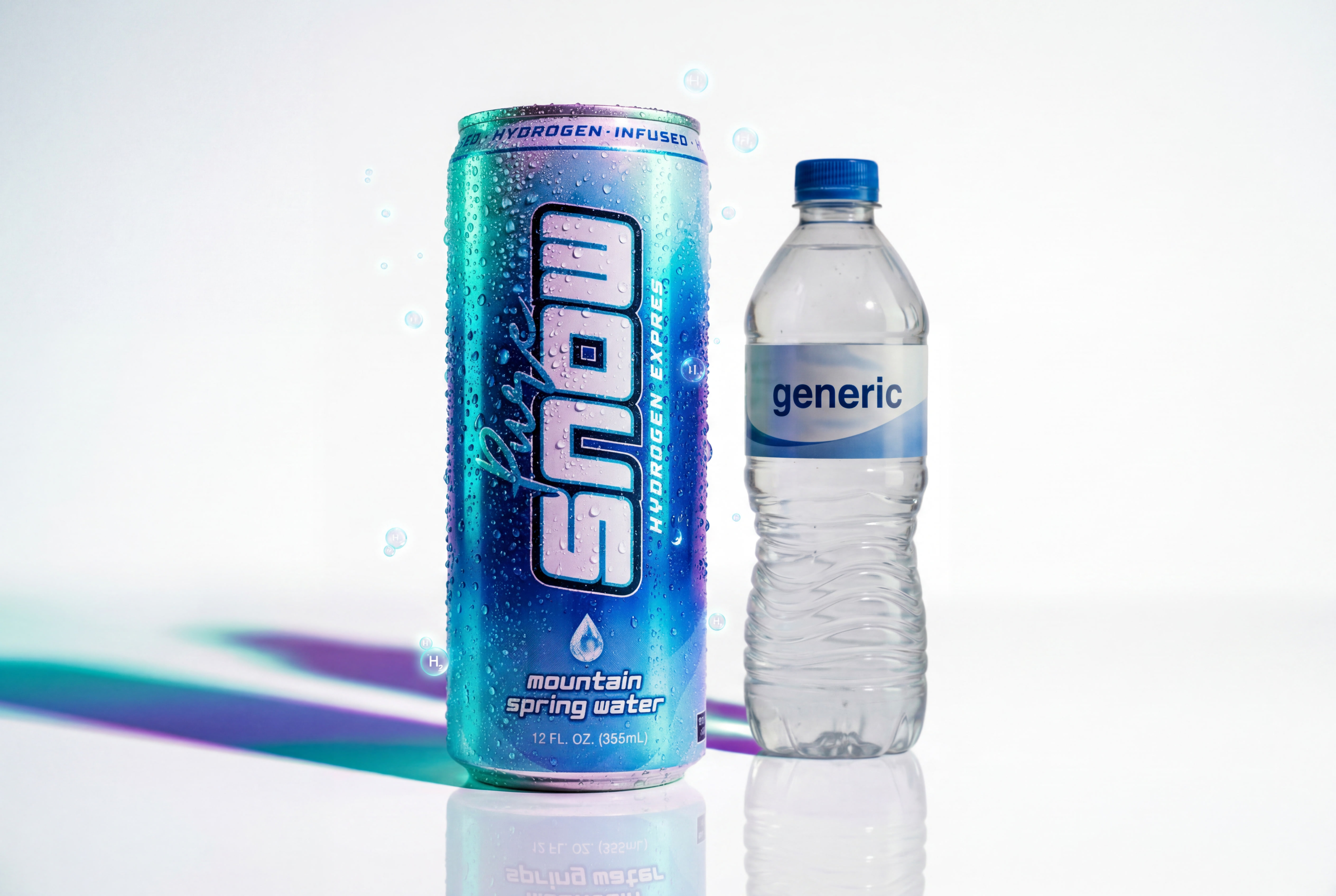
Not all hydrogen water delivers the same punch. Molecular hydrogen is the smallest molecule in the universe, and it escapes through plastic bottles surprisingly quickly, which means a plastic-bottled product may contain far less dissolved hydrogen by the time you drink it than the label suggests. Aluminum cans create a far better barrier, locking in hydrogen at meaningful concentrations until the moment you crack one open. The dissolved hydrogen level, measured in PPM, determines whether you are getting a therapeutic amount or just expensive water. You can learn more about how PPM and aluminum packaging affect hydrogen potency and why these details make or break the product.
6. TIMING IS SIMPLE AND FLEXIBLE
One of the best things about hydrogen water as a recovery tool is how easy it is to use. There is no complicated protocol, no mixing powders, no choking down chalky shakes. Most research protocols involve drinking hydrogen water shortly before exercise, immediately after, or both. A practical approach many athletes use: one can about 30 minutes before training to get ahead of oxidative stress, and one can within the first hour after finishing, when your body is in active repair mode. Because it is just water, it stacks seamlessly with whatever else your recovery routine includes, whether that is protein, electrolytes, or stretching and sleep.
7. IT FITS A CLEAN, NO-COMPROMISE TRAINING LIFESTYLE
Many recovery products come loaded with sugar, artificial sweeteners, dyes, or stimulants that athletes would rather avoid. Hydrogen water contains exactly two things: pristine water and dissolved molecular hydrogen. No calories, no additives, nothing to second-guess. For athletes who are careful about what goes into their bodies, that simplicity is a feature, not a limitation. Pure Snow hydrogen water starts with premium mountain spring water and infuses it with molecular hydrogen, then seals it in aluminum to preserve potency, so what you drink after your hardest session is as clean as your training intentions.
HOW TO BUILD HYDROGEN WATER INTO YOUR RECOVERY ROUTINE
If you want to put these seven reasons into practice, start simple. Keep a few cans cold and accessible, drink one around your training window, and pay attention to how you feel over two to four weeks of consistent use. Recovery improvements tend to show up as subtle but meaningful signals: less lingering soreness, better energy in back-to-back sessions, and a quicker return to baseline after your hardest efforts. Pair it with the non-negotiables, adequate protein, quality sleep, and smart programming, and hydrogen water becomes a low-effort upgrade to an already solid foundation. If you still have questions about dosage, timing, or how it compares to other recovery drinks, the Pure Snow FAQ covers the most common ones athletes ask.
KEY TAKEAWAY: Hydrogen water supports athletic recovery by selectively neutralizing exercise-induced free radicals, helping manage inflammation and muscle fatigue, all while covering your most basic recovery need, hydration, with zero calories or additives.
Ready to see what cleaner, smarter recovery feels like? Explore Pure Snow hydrogen-infused mountain spring water and grab your first cans today to put it to the test after your next hard session.
FAQ
Q: When should I drink hydrogen water for the best recovery results?
A: Most research protocols use hydrogen water shortly before exercise, immediately after, or both. A practical approach is one can about 30 minutes before training and one can within an hour after finishing, when your body is actively repairing muscle tissue.
Q: Can hydrogen water replace my electrolyte or protein drink?
A: No, hydrogen water complements rather than replaces other recovery nutrition. You still need protein for muscle repair and electrolytes after heavy sweating, but hydrogen water can serve as your primary hydration source while adding antioxidant support.
Q: Is hydrogen water safe for daily use by athletes?
A: Yes, molecular hydrogen has an excellent safety profile and the FDA recognizes it as safe for use in beverages. Excess hydrogen is simply exhaled through your breath, so there is no known risk of overconsumption from drinking it daily.
Back to Blog1. MOLECULAR HYDROGEN TARGETS EXERCISE-INDUCED OXIDATIVE STRESS
Hard training is a double-edged sword. It builds strength and endurance, but it also generates reactive oxygen species, unstable molecules that can damage muscle cells and slow recovery when they accumulate faster than your body can neutralize them. Molecular hydrogen is a selective antioxidant, meaning it appears to neutralize the most harmful free radicals, like hydroxyl radicals, without interfering with the beneficial signaling molecules your body actually needs for training adaptation. That selectivity matters. Mega-dosing traditional antioxidants like vitamin C or E around workouts has been shown in some research to blunt training gains. Hydrogen seems to take a smarter approach, calming the damage without shutting down the adaptive response.
2. RESEARCH LINKS HYDROGEN WATER TO REDUCED MUSCLE FATIGUE
This is not just theory. In a pilot study on elite soccer players, researchers found that drinking hydrogen-rich water before intense exercise reduced blood lactate levels and prevented the decline in muscle function typically seen after acute exercise. According to a study published in Medical Gas Research, athletes who consumed hydrogen water experienced less exercise-induced muscle fatigue compared to those drinking placebo water. While the research field is still maturing, results like these are exactly why sports scientists keep studying molecular hydrogen as a recovery aid.
3. IT MAY HELP MANAGE POST-WORKOUT INFLAMMATION
Delayed onset muscle soreness, the stiffness that hits 24 to 48 hours after a tough session, is driven in part by inflammation. Some inflammation is a normal and necessary part of muscle repair, but excessive or prolonged inflammation can keep you sidelined longer than necessary. Molecular hydrogen has been studied for its ability to modulate inflammatory pathways, potentially helping your body strike a better balance between repair and readiness. For athletes training multiple days per week, anything that shortens the window between quality sessions is a meaningful edge.
4. IT SUPPORTS HYDRATION, WHICH IS RECOVERY RULE NUMBER ONE
Here is an underrated point: hydrogen water is still water. Rehydration after exercise is the foundation of every recovery protocol, and dehydration of even two percent of body weight measurably impairs performance and slows recovery. When your recovery drink is hydrogen-infused mountain spring water, you are covering the fundamentals and adding a potential antioxidant benefit on top. You are not choosing between hydration and hydrogen. You get both in the same can.
5. CONCENTRATION AND PACKAGING ACTUALLY MATTER
Not all hydrogen water delivers the same punch. Molecular hydrogen is the smallest molecule in the universe, and it escapes through plastic bottles surprisingly quickly, which means a plastic-bottled product may contain far less dissolved hydrogen by the time you drink it than the label suggests. Aluminum cans create a far better barrier, locking in hydrogen at meaningful concentrations until the moment you crack one open. The dissolved hydrogen level, measured in PPM, determines whether you are getting a therapeutic amount or just expensive water. You can learn more about how PPM and aluminum packaging affect hydrogen potency and why these details make or break the product.
6. TIMING IS SIMPLE AND FLEXIBLE
One of the best things about hydrogen water as a recovery tool is how easy it is to use. There is no complicated protocol, no mixing powders, no choking down chalky shakes. Most research protocols involve drinking hydrogen water shortly before exercise, immediately after, or both. A practical approach many athletes use: one can about 30 minutes before training to get ahead of oxidative stress, and one can within the first hour after finishing, when your body is in active repair mode. Because it is just water, it stacks seamlessly with whatever else your recovery routine includes, whether that is protein, electrolytes, or stretching and sleep.
7. IT FITS A CLEAN, NO-COMPROMISE TRAINING LIFESTYLE
Many recovery products come loaded with sugar, artificial sweeteners, dyes, or stimulants that athletes would rather avoid. Hydrogen water contains exactly two things: pristine water and dissolved molecular hydrogen. No calories, no additives, nothing to second-guess. For athletes who are careful about what goes into their bodies, that simplicity is a feature, not a limitation. Pure Snow hydrogen water starts with premium mountain spring water and infuses it with molecular hydrogen, then seals it in aluminum to preserve potency, so what you drink after your hardest session is as clean as your training intentions.
HOW TO BUILD HYDROGEN WATER INTO YOUR RECOVERY ROUTINE
If you want to put these seven reasons into practice, start simple. Keep a few cans cold and accessible, drink one around your training window, and pay attention to how you feel over two to four weeks of consistent use. Recovery improvements tend to show up as subtle but meaningful signals: less lingering soreness, better energy in back-to-back sessions, and a quicker return to baseline after your hardest efforts. Pair it with the non-negotiables, adequate protein, quality sleep, and smart programming, and hydrogen water becomes a low-effort upgrade to an already solid foundation. If you still have questions about dosage, timing, or how it compares to other recovery drinks, the Pure Snow FAQ covers the most common ones athletes ask.
KEY TAKEAWAY: Hydrogen water supports athletic recovery by selectively neutralizing exercise-induced free radicals, helping manage inflammation and muscle fatigue, all while covering your most basic recovery need, hydration, with zero calories or additives.
Ready to see what cleaner, smarter recovery feels like? Explore Pure Snow hydrogen-infused mountain spring water and grab your first cans today to put it to the test after your next hard session.
FAQ
Q: When should I drink hydrogen water for the best recovery results?
A: Most research protocols use hydrogen water shortly before exercise, immediately after, or both. A practical approach is one can about 30 minutes before training and one can within an hour after finishing, when your body is actively repairing muscle tissue.
Q: Can hydrogen water replace my electrolyte or protein drink?
A: No, hydrogen water complements rather than replaces other recovery nutrition. You still need protein for muscle repair and electrolytes after heavy sweating, but hydrogen water can serve as your primary hydration source while adding antioxidant support.
Q: Is hydrogen water safe for daily use by athletes?
A: Yes, molecular hydrogen has an excellent safety profile and the FDA recognizes it as safe for use in beverages. Excess hydrogen is simply exhaled through your breath, so there is no known risk of overconsumption from drinking it daily.