Hydrogen Water for Athletic Recovery: 7 Reasons It Belongs in Your Gym Bag
If you've been searching for a smarter way to bounce back after hard training sessions this July 2026, you're not alone. Hydrogen water for athletic recovery has become one of the most talked-about topics in sports nutrition, and for good reason. Athletes from weekend warriors to elite competitors are reaching for hydrogen-infused water after workouts, hoping to reduce soreness, fight exercise-induced oxidative stress, and get back to training sooner. But is the hype justified? Below, we break down seven compelling, research-informed reasons hydrogen water deserves a spot in your recovery routine, plus practical tips for getting the most out of every can.
1. IT TARGETS EXERCISE-INDUCED OXIDATIVE STRESS
When you push your body through intense exercise, your cells produce reactive oxygen species, unstable molecules that can damage muscle tissue and slow recovery. While some oxidative stress is a normal and even beneficial part of training adaptation, excessive amounts can leave you sore, fatigued, and inflamed. Molecular hydrogen is a selective antioxidant, meaning it appears to neutralize the most harmful free radicals, like hydroxyl radicals, without interfering with the beneficial signaling molecules your body needs to adapt and grow stronger. That selectivity is what sets hydrogen apart from megadosing traditional antioxidants like vitamin C, which some research suggests may blunt training adaptations when taken in large amounts.
2. RESEARCH SUGGESTS IT MAY REDUCE MUSCLE FATIGUE
One of the most frequently cited studies on this topic looked at elite soccer players performing intense exercise. According to a pilot study published in Medical Gas Research, athletes who drank hydrogen-rich water before exercise showed lower blood lactate levels and less decline in muscle function compared to those who drank placebo water. While this was a small study and more research is ongoing, the results suggest that hydrogen water may help buffer the muscle fatigue that builds up during high-intensity efforts, exactly when recovery matters most.
3. IT MAY HELP TAME POST-WORKOUT INFLAMMATION
Delayed onset muscle soreness, that familiar ache one or two days after a tough session, is driven in part by inflammation in damaged muscle fibers. Emerging research indicates that molecular hydrogen may help modulate inflammatory markers after strenuous exercise. For athletes, this could translate to less lingering soreness and a quicker return to full training capacity. It won't replace smart programming, sleep, and nutrition, but it can be a meaningful addition to a well-rounded recovery stack.
4. IT SUPPORTS HYDRATION, THE FOUNDATION OF RECOVERY
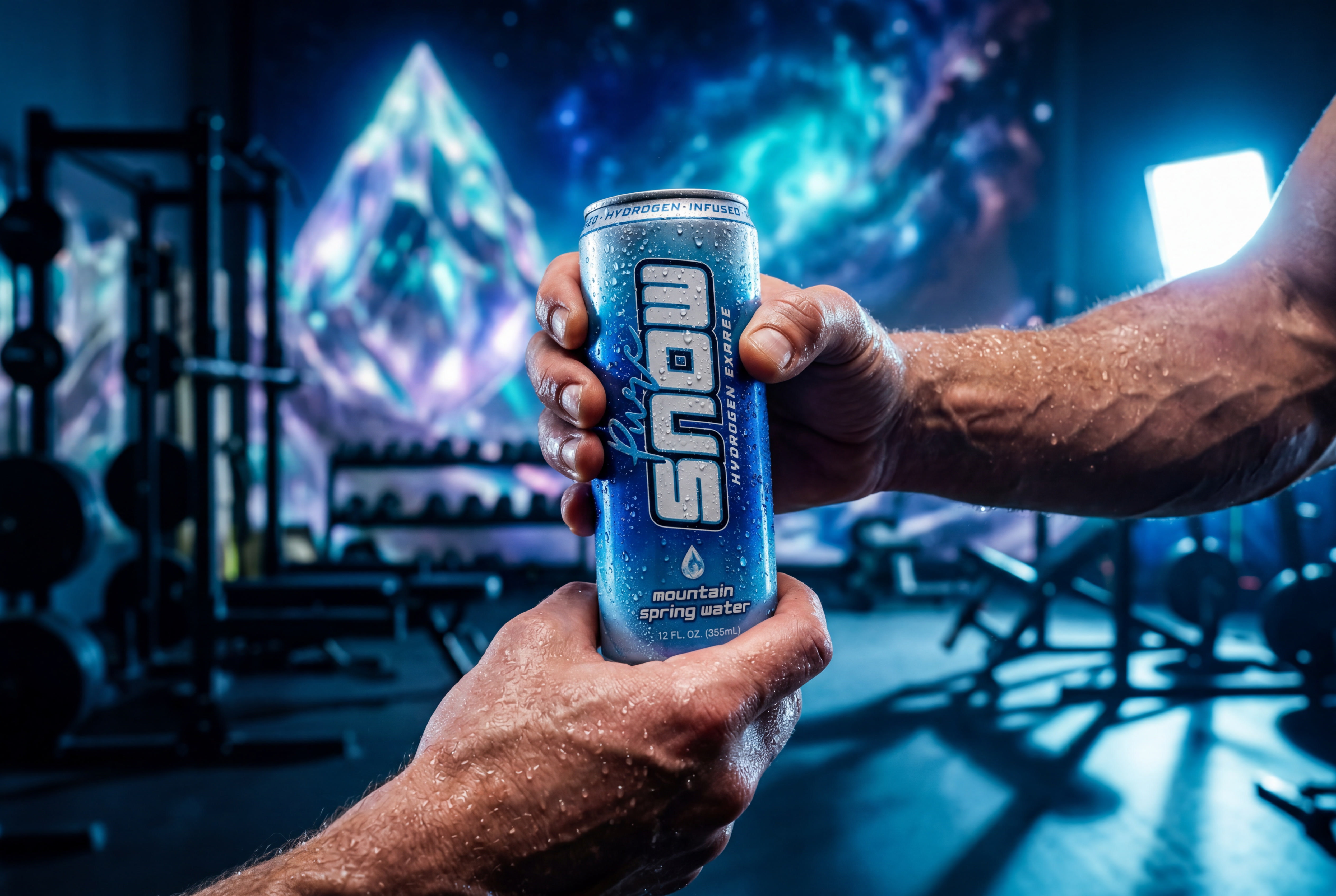
Here's a benefit that's easy to overlook: hydrogen water is still water. Rehydration is the single most fundamental piece of post-exercise recovery, and even mild dehydration can impair muscle repair, cognitive performance, and next-day readiness. When your recovery drink also delivers dissolved molecular hydrogen, you're stacking benefits without adding calories, sugar, or artificial ingredients. Pure Snow starts with pristine mountain spring water, so you're rehydrating with clean, mineral-rich water and getting the hydrogen boost in the same sip.
5. CONCENTRATION AND FRESHNESS MATTER, SO PACKAGING COUNTS
Not all hydrogen water is created equal. Molecular hydrogen is the smallest molecule in existence, and it escapes plastic bottles surprisingly quickly, which means a product's hydrogen concentration, measured in parts per million or PPM, can drop dramatically before it ever reaches your lips. Aluminum cans create a far better barrier, keeping hydrogen locked in until you crack one open. If you want to understand why PPM matters and how canned hydrogen water preserves potency, you can learn more about how Pure Snow's hydrogen infusion and aluminum packaging work. For recovery purposes, a higher, well-preserved concentration means a more meaningful dose of hydrogen when your body needs it.
6. TIMING YOUR INTAKE CAN MAXIMIZE THE BENEFIT
Because dissolved hydrogen doesn't linger in your body for long, timing matters. Many athletes find the sweet spot is drinking hydrogen water within 30 minutes before training or immediately after finishing a session, when oxidative stress and inflammation peak. On heavy training days, some drink one can pre-workout and one post-workout. Consistency also appears to matter more than any single serving, so making hydrogen water a daily habit during intense training blocks is a smarter strategy than sipping it occasionally. If you have questions about serving sizes or daily intake, the Pure Snow FAQ page covers the most common ones.
7. IT'S A LOW-RISK ADDITION TO ANY RECOVERY ROUTINE
One of the strongest arguments for trying hydrogen water is its safety profile. Molecular hydrogen has been studied in hundreds of trials across a range of health applications, and no significant adverse effects have been reported at the concentrations found in hydrogen water. Compare that to some recovery supplements with questionable ingredient lists, and hydrogen water starts to look like one of the simplest, cleanest recovery tools available. You're drinking water, infused with a naturally occurring gas, in a recyclable aluminum can. There's essentially no downside to testing it in your own training and seeing how your body responds.
HOW TO PUT IT ALL TOGETHER
The recovery fundamentals will always come first: quality sleep, adequate protein, smart training volume, and consistent hydration. Hydrogen water isn't a magic shortcut around any of those. But as a complement to the basics, it offers a research-supported way to address oxidative stress and fatigue at the cellular level, with virtually zero risk and genuine convenience. Toss a cold can in your gym bag, drink it right after your last set, and treat it like any other recovery tool: give it a few weeks of consistent use during a real training block, then assess how you feel. Many athletes report less next-day soreness and steadier energy across the week, and the growing body of research suggests there's real science behind that experience.
KEY TAKEAWAY: Hydrogen water may support athletic recovery by selectively neutralizing harmful free radicals, reducing markers of muscle fatigue, and delivering clean hydration, with early research in elite athletes showing lower lactate levels and better muscle function. For best results, choose a high-PPM canned product and drink it consistently around your training sessions.
Ready to see what hydrogen-infused mountain spring water can do for your recovery? Grab your first case of Pure Snow and make your next post-workout drink count.
FAQ
Q: When is the best time to drink hydrogen water for recovery?
A: Most athletes drink hydrogen water within 30 minutes before exercise or immediately after finishing a workout, since dissolved hydrogen doesn't stay in the body for long. On demanding training days, drinking one serving before and one after your session is a popular approach. Consistency over weeks matters more than perfect timing on any single day.
Q: Can hydrogen water replace my electrolyte or protein recovery drink?
A: No, hydrogen water is a complement to your recovery nutrition, not a replacement. You still need protein for muscle repair and electrolytes if you've been sweating heavily. Hydrogen water adds antioxidant support and clean hydration on top of those fundamentals.
Q: Is hydrogen water safe to drink every day during heavy training?
A: Yes, molecular hydrogen has an excellent safety profile, with no significant adverse effects reported in studies at the concentrations found in hydrogen water. It's simply water infused with hydrogen gas, so daily use during intense training blocks is considered safe. As always, consult your physician if you have specific health concerns.
Back to Blog1. IT TARGETS EXERCISE-INDUCED OXIDATIVE STRESS
When you push your body through intense exercise, your cells produce reactive oxygen species, unstable molecules that can damage muscle tissue and slow recovery. While some oxidative stress is a normal and even beneficial part of training adaptation, excessive amounts can leave you sore, fatigued, and inflamed. Molecular hydrogen is a selective antioxidant, meaning it appears to neutralize the most harmful free radicals, like hydroxyl radicals, without interfering with the beneficial signaling molecules your body needs to adapt and grow stronger. That selectivity is what sets hydrogen apart from megadosing traditional antioxidants like vitamin C, which some research suggests may blunt training adaptations when taken in large amounts.
2. RESEARCH SUGGESTS IT MAY REDUCE MUSCLE FATIGUE
One of the most frequently cited studies on this topic looked at elite soccer players performing intense exercise. According to a pilot study published in Medical Gas Research, athletes who drank hydrogen-rich water before exercise showed lower blood lactate levels and less decline in muscle function compared to those who drank placebo water. While this was a small study and more research is ongoing, the results suggest that hydrogen water may help buffer the muscle fatigue that builds up during high-intensity efforts, exactly when recovery matters most.
3. IT MAY HELP TAME POST-WORKOUT INFLAMMATION
Delayed onset muscle soreness, that familiar ache one or two days after a tough session, is driven in part by inflammation in damaged muscle fibers. Emerging research indicates that molecular hydrogen may help modulate inflammatory markers after strenuous exercise. For athletes, this could translate to less lingering soreness and a quicker return to full training capacity. It won't replace smart programming, sleep, and nutrition, but it can be a meaningful addition to a well-rounded recovery stack.
4. IT SUPPORTS HYDRATION, THE FOUNDATION OF RECOVERY
Here's a benefit that's easy to overlook: hydrogen water is still water. Rehydration is the single most fundamental piece of post-exercise recovery, and even mild dehydration can impair muscle repair, cognitive performance, and next-day readiness. When your recovery drink also delivers dissolved molecular hydrogen, you're stacking benefits without adding calories, sugar, or artificial ingredients. Pure Snow starts with pristine mountain spring water, so you're rehydrating with clean, mineral-rich water and getting the hydrogen boost in the same sip.
5. CONCENTRATION AND FRESHNESS MATTER, SO PACKAGING COUNTS
Not all hydrogen water is created equal. Molecular hydrogen is the smallest molecule in existence, and it escapes plastic bottles surprisingly quickly, which means a product's hydrogen concentration, measured in parts per million or PPM, can drop dramatically before it ever reaches your lips. Aluminum cans create a far better barrier, keeping hydrogen locked in until you crack one open. If you want to understand why PPM matters and how canned hydrogen water preserves potency, you can learn more about how Pure Snow's hydrogen infusion and aluminum packaging work. For recovery purposes, a higher, well-preserved concentration means a more meaningful dose of hydrogen when your body needs it.
6. TIMING YOUR INTAKE CAN MAXIMIZE THE BENEFIT
Because dissolved hydrogen doesn't linger in your body for long, timing matters. Many athletes find the sweet spot is drinking hydrogen water within 30 minutes before training or immediately after finishing a session, when oxidative stress and inflammation peak. On heavy training days, some drink one can pre-workout and one post-workout. Consistency also appears to matter more than any single serving, so making hydrogen water a daily habit during intense training blocks is a smarter strategy than sipping it occasionally. If you have questions about serving sizes or daily intake, the Pure Snow FAQ page covers the most common ones.
7. IT'S A LOW-RISK ADDITION TO ANY RECOVERY ROUTINE
One of the strongest arguments for trying hydrogen water is its safety profile. Molecular hydrogen has been studied in hundreds of trials across a range of health applications, and no significant adverse effects have been reported at the concentrations found in hydrogen water. Compare that to some recovery supplements with questionable ingredient lists, and hydrogen water starts to look like one of the simplest, cleanest recovery tools available. You're drinking water, infused with a naturally occurring gas, in a recyclable aluminum can. There's essentially no downside to testing it in your own training and seeing how your body responds.
HOW TO PUT IT ALL TOGETHER
The recovery fundamentals will always come first: quality sleep, adequate protein, smart training volume, and consistent hydration. Hydrogen water isn't a magic shortcut around any of those. But as a complement to the basics, it offers a research-supported way to address oxidative stress and fatigue at the cellular level, with virtually zero risk and genuine convenience. Toss a cold can in your gym bag, drink it right after your last set, and treat it like any other recovery tool: give it a few weeks of consistent use during a real training block, then assess how you feel. Many athletes report less next-day soreness and steadier energy across the week, and the growing body of research suggests there's real science behind that experience.
KEY TAKEAWAY: Hydrogen water may support athletic recovery by selectively neutralizing harmful free radicals, reducing markers of muscle fatigue, and delivering clean hydration, with early research in elite athletes showing lower lactate levels and better muscle function. For best results, choose a high-PPM canned product and drink it consistently around your training sessions.
Ready to see what hydrogen-infused mountain spring water can do for your recovery? Grab your first case of Pure Snow and make your next post-workout drink count.
FAQ
Q: When is the best time to drink hydrogen water for recovery?
A: Most athletes drink hydrogen water within 30 minutes before exercise or immediately after finishing a workout, since dissolved hydrogen doesn't stay in the body for long. On demanding training days, drinking one serving before and one after your session is a popular approach. Consistency over weeks matters more than perfect timing on any single day.
Q: Can hydrogen water replace my electrolyte or protein recovery drink?
A: No, hydrogen water is a complement to your recovery nutrition, not a replacement. You still need protein for muscle repair and electrolytes if you've been sweating heavily. Hydrogen water adds antioxidant support and clean hydration on top of those fundamentals.
Q: Is hydrogen water safe to drink every day during heavy training?
A: Yes, molecular hydrogen has an excellent safety profile, with no significant adverse effects reported in studies at the concentrations found in hydrogen water. It's simply water infused with hydrogen gas, so daily use during intense training blocks is considered safe. As always, consult your physician if you have specific health concerns.
