Hydrogen Water for Athletic Recovery: What Athletes Need to Know
If you've been stepping up your training this July 2026 and wondering how to recover smarter between sessions, hydrogen water might be the edge you've been looking for. Athletes at every level are increasingly turning to molecular hydrogen as a natural, science-backed way to support the body after hard workouts. And the research behind it is more compelling than most people realize.
Recovery isn't just about rest. It's about what happens inside your cells after intense physical effort. When you push hard in the gym, on the track, or in the pool, your body generates a significant amount of free radicals and reactive oxygen species. These unstable molecules damage muscle tissue, trigger inflammation, and contribute to the soreness and fatigue you feel in the hours and days that follow. This is where hydrogen water enters the conversation.
WHAT MAKES HYDROGEN WATER DIFFERENT FOR RECOVERY
Molecular hydrogen is one of the smallest molecules in existence, which means it can penetrate cell membranes and even cross the blood-brain barrier with ease. Unlike many antioxidants that are too large to reach certain cellular compartments, hydrogen targets free radicals directly at the mitochondrial level. This makes it uniquely suited to addressing the kind of oxidative stress that exercise creates deep within your cells.
When you drink hydrogen-infused water, you're delivering dissolved molecular hydrogen directly into your body. It gets absorbed quickly through the digestive tract and begins working systemically. This isn't a supplement that sits in your gut waiting to be processed. It moves fast, which matters for athletes who need timely recovery support. Understanding how hydrogen water works at the molecular level can help you make better decisions about when and how to use it around your training schedule.
WHAT THE SCIENCE ACTUALLY SHOWS
The evidence supporting hydrogen water for athletic recovery has grown considerably over the past decade. One of the most cited areas of research focuses on lactic acid and muscle fatigue. Exercise-induced lactic acid buildup is a primary driver of that heavy, burning sensation in your muscles during and after intense effort. Several studies have found that hydrogen water consumption can reduce blood lactate levels following exercise.
According to a study published in the Medical Gas Research journal, athletes who consumed hydrogen-rich water experienced a significant reduction in peak torque decline and lactate buildup compared to those who drank regular water. This suggests that hydrogen water doesn't just help you feel better after a workout — it may actually support physical performance and the quality of your output over time.
Beyond lactic acid, hydrogen water has also been studied for its role in reducing exercise-induced inflammation. Chronic inflammation is one of the most stubborn barriers to consistent athletic performance. When inflammation doesn't resolve efficiently between sessions, it accumulates and increases injury risk. Molecular hydrogen appears to help modulate inflammatory markers, supporting the body's natural ability to recover and rebuild.
TOP TIPS FOR USING HYDROGEN WATER IN YOUR RECOVERY ROUTINE
1. Drink hydrogen water within 30 minutes after your workout. This is when your body is most actively responding to the oxidative and inflammatory load you've just created. Timing matters, and getting hydrogen into your system while that window is open can maximize its benefit.
2. Don't wait until you're sore to start. Consistency is key. Athletes who incorporate hydrogen water daily tend to see more cumulative benefit than those who use it reactively. Your cells benefit from a steady reduction in background oxidative stress, not just emergency intervention after a particularly brutal session.
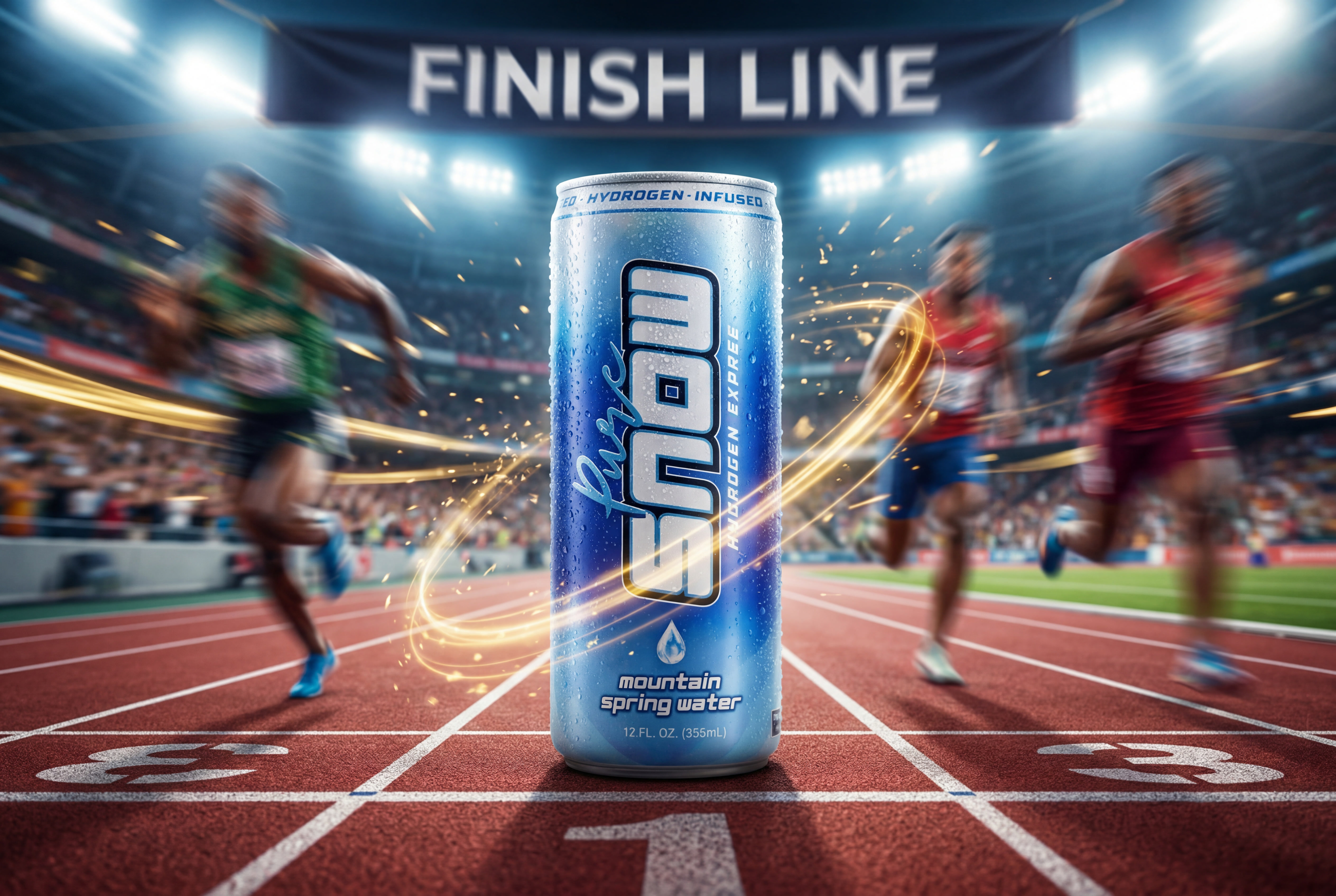
3. Choose packaging that preserves potency. Hydrogen gas dissipates quickly when exposed to light, air, or heat. Aluminum cans are far superior to plastic bottles for maintaining hydrogen concentration because they create a true barrier against permeation. This is one of the core reasons Pure Snow hydrogen water is packaged exclusively in aluminum cans — to protect what's inside until the moment you open it.
4. Pay attention to PPM levels. Not all hydrogen water products deliver meaningful amounts of molecular hydrogen. Look for products that clearly disclose their concentration. A therapeutic dose generally starts at 1 PPM or higher. Many products on the market fall short of this threshold, especially those sold in plastic bottles with long shelf lives.
5. Pair hydrogen water with a complete recovery protocol. Hydrogen water isn't a magic fix, but it works exceptionally well alongside sleep, proper nutrition, and mobility work. Think of it as one smart layer in a recovery stack that's designed to support your biology rather than override it.
6. Stay hydrated beyond hydrogen water alone. While hydrogen water provides targeted antioxidant support, your total hydration needs during heavy training periods are significant. Use hydrogen water strategically around your sessions and continue to hydrate with quality water throughout the day.
WHY ATHLETES ARE MAKING THE SWITCH
Part of what makes hydrogen water appealing to athletes is that it's completely natural and free from stimulants, additives, or recovery ingredients that might cause side effects or appear on banned substance lists. It's just water with dissolved molecular hydrogen. That simplicity is also its strength. You're not adding complexity to your recovery stack. You're enhancing what your body already knows how to do. If you want to explore options for getting started with Pure Snow, it's easier than ever to make hydrogen water a daily part of your routine.
KEY TAKEAWAY: Hydrogen water supports athletic recovery by reducing oxidative stress and lactic acid buildup at the cellular level, making it a practical and science-backed tool for athletes who want to recover faster and perform more consistently.
If you're serious about your training and want to understand what's actually going on inside your body when you recover, Pure Snow hydrogen water is worth exploring. Visit Pure Snow to learn more about the science, the sourcing, and why the packaging makes all the difference — then give it a try for yourself.
FAQ
Q: When is the best time to drink hydrogen water for athletic recovery?
A: The most effective window is within 30 minutes after your workout, when your body is actively managing oxidative stress and inflammation. Drinking hydrogen water consistently each day also helps reduce background oxidative load over time.
Q: How much hydrogen water do I need to see recovery benefits?
A: Most research uses 1 to 2 liters per day of hydrogen-rich water at concentrations of 1 PPM or higher. Starting with one can per day around your training session is a practical entry point, with room to increase based on your activity level.
Q: Is hydrogen water safe for athletes to use long-term?
A: Yes. Molecular hydrogen has an excellent safety profile and is recognized as non-toxic even at high concentrations. It contains no banned substances, no stimulants, and no synthetic additives, making it suitable for daily use across all levels of athletic training.
Back to BlogRecovery isn't just about rest. It's about what happens inside your cells after intense physical effort. When you push hard in the gym, on the track, or in the pool, your body generates a significant amount of free radicals and reactive oxygen species. These unstable molecules damage muscle tissue, trigger inflammation, and contribute to the soreness and fatigue you feel in the hours and days that follow. This is where hydrogen water enters the conversation.
WHAT MAKES HYDROGEN WATER DIFFERENT FOR RECOVERY
Molecular hydrogen is one of the smallest molecules in existence, which means it can penetrate cell membranes and even cross the blood-brain barrier with ease. Unlike many antioxidants that are too large to reach certain cellular compartments, hydrogen targets free radicals directly at the mitochondrial level. This makes it uniquely suited to addressing the kind of oxidative stress that exercise creates deep within your cells.
When you drink hydrogen-infused water, you're delivering dissolved molecular hydrogen directly into your body. It gets absorbed quickly through the digestive tract and begins working systemically. This isn't a supplement that sits in your gut waiting to be processed. It moves fast, which matters for athletes who need timely recovery support. Understanding how hydrogen water works at the molecular level can help you make better decisions about when and how to use it around your training schedule.
WHAT THE SCIENCE ACTUALLY SHOWS
The evidence supporting hydrogen water for athletic recovery has grown considerably over the past decade. One of the most cited areas of research focuses on lactic acid and muscle fatigue. Exercise-induced lactic acid buildup is a primary driver of that heavy, burning sensation in your muscles during and after intense effort. Several studies have found that hydrogen water consumption can reduce blood lactate levels following exercise.
According to a study published in the Medical Gas Research journal, athletes who consumed hydrogen-rich water experienced a significant reduction in peak torque decline and lactate buildup compared to those who drank regular water. This suggests that hydrogen water doesn't just help you feel better after a workout — it may actually support physical performance and the quality of your output over time.
Beyond lactic acid, hydrogen water has also been studied for its role in reducing exercise-induced inflammation. Chronic inflammation is one of the most stubborn barriers to consistent athletic performance. When inflammation doesn't resolve efficiently between sessions, it accumulates and increases injury risk. Molecular hydrogen appears to help modulate inflammatory markers, supporting the body's natural ability to recover and rebuild.
TOP TIPS FOR USING HYDROGEN WATER IN YOUR RECOVERY ROUTINE
1. Drink hydrogen water within 30 minutes after your workout. This is when your body is most actively responding to the oxidative and inflammatory load you've just created. Timing matters, and getting hydrogen into your system while that window is open can maximize its benefit.
2. Don't wait until you're sore to start. Consistency is key. Athletes who incorporate hydrogen water daily tend to see more cumulative benefit than those who use it reactively. Your cells benefit from a steady reduction in background oxidative stress, not just emergency intervention after a particularly brutal session.
3. Choose packaging that preserves potency. Hydrogen gas dissipates quickly when exposed to light, air, or heat. Aluminum cans are far superior to plastic bottles for maintaining hydrogen concentration because they create a true barrier against permeation. This is one of the core reasons Pure Snow hydrogen water is packaged exclusively in aluminum cans — to protect what's inside until the moment you open it.
4. Pay attention to PPM levels. Not all hydrogen water products deliver meaningful amounts of molecular hydrogen. Look for products that clearly disclose their concentration. A therapeutic dose generally starts at 1 PPM or higher. Many products on the market fall short of this threshold, especially those sold in plastic bottles with long shelf lives.
5. Pair hydrogen water with a complete recovery protocol. Hydrogen water isn't a magic fix, but it works exceptionally well alongside sleep, proper nutrition, and mobility work. Think of it as one smart layer in a recovery stack that's designed to support your biology rather than override it.
6. Stay hydrated beyond hydrogen water alone. While hydrogen water provides targeted antioxidant support, your total hydration needs during heavy training periods are significant. Use hydrogen water strategically around your sessions and continue to hydrate with quality water throughout the day.
WHY ATHLETES ARE MAKING THE SWITCH
Part of what makes hydrogen water appealing to athletes is that it's completely natural and free from stimulants, additives, or recovery ingredients that might cause side effects or appear on banned substance lists. It's just water with dissolved molecular hydrogen. That simplicity is also its strength. You're not adding complexity to your recovery stack. You're enhancing what your body already knows how to do. If you want to explore options for getting started with Pure Snow, it's easier than ever to make hydrogen water a daily part of your routine.
KEY TAKEAWAY: Hydrogen water supports athletic recovery by reducing oxidative stress and lactic acid buildup at the cellular level, making it a practical and science-backed tool for athletes who want to recover faster and perform more consistently.
If you're serious about your training and want to understand what's actually going on inside your body when you recover, Pure Snow hydrogen water is worth exploring. Visit Pure Snow to learn more about the science, the sourcing, and why the packaging makes all the difference — then give it a try for yourself.
FAQ
Q: When is the best time to drink hydrogen water for athletic recovery?
A: The most effective window is within 30 minutes after your workout, when your body is actively managing oxidative stress and inflammation. Drinking hydrogen water consistently each day also helps reduce background oxidative load over time.
Q: How much hydrogen water do I need to see recovery benefits?
A: Most research uses 1 to 2 liters per day of hydrogen-rich water at concentrations of 1 PPM or higher. Starting with one can per day around your training session is a practical entry point, with room to increase based on your activity level.
Q: Is hydrogen water safe for athletes to use long-term?
A: Yes. Molecular hydrogen has an excellent safety profile and is recognized as non-toxic even at high concentrations. It contains no banned substances, no stimulants, and no synthetic additives, making it suitable for daily use across all levels of athletic training.