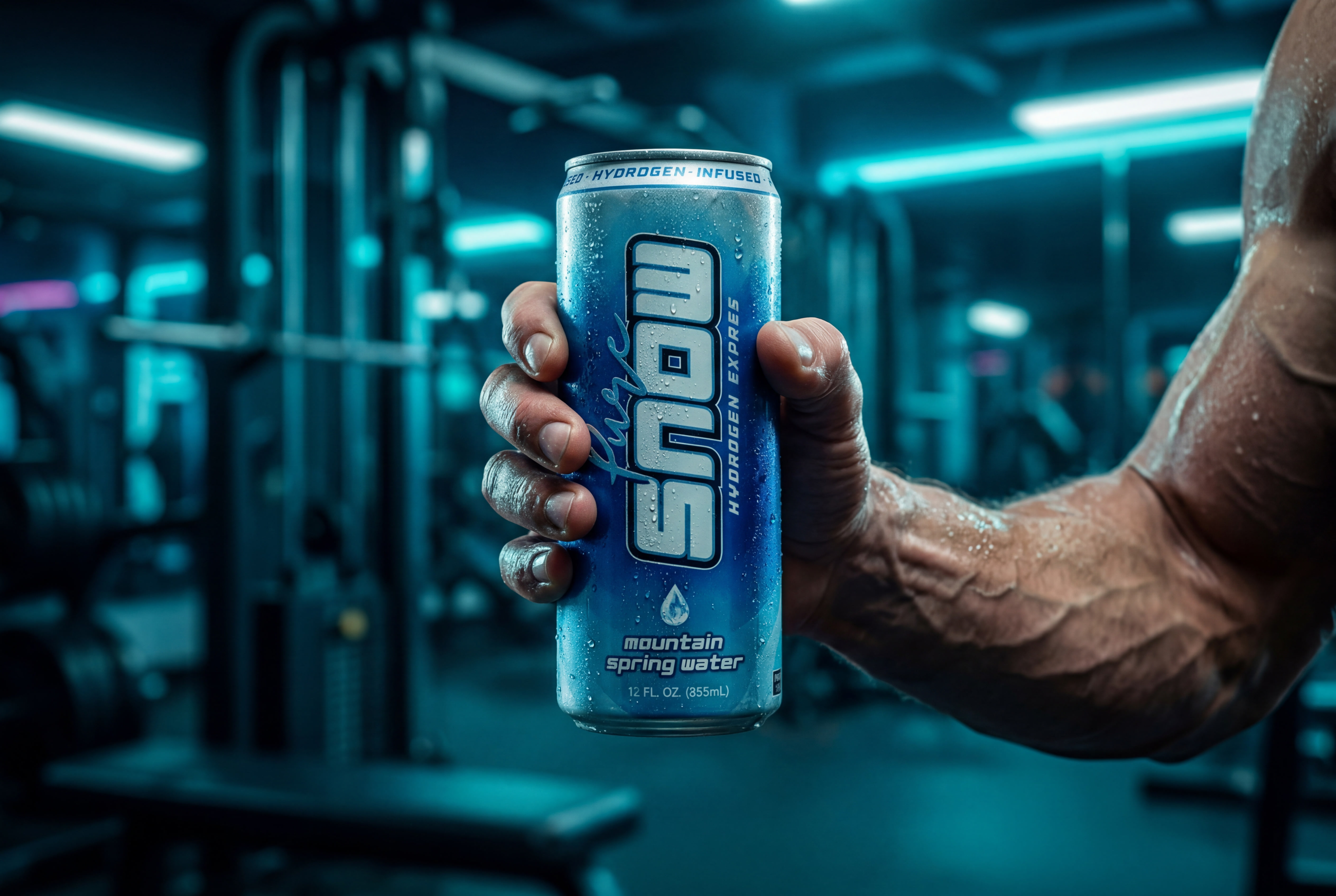
Hydrogen Water Clinical Studies Explained: The Pure Snow Guide to the Science
If you've been curious about hydrogen water this August 2026, you've probably noticed two very different conversations happening at once. On one side, wellness enthusiasts describe it as a game-changer for recovery, energy, and inflammation. On the other, skeptics dismiss it as just another hydration trend. The truth lives in the middle, and it lives in the research. In this guide, we'll walk through hydrogen water clinical studies in plain language, explain what scientists have actually found, and show you why Pure Snow was built from the ground up to deliver the concentrations these studies actually used.
WHY CLINICAL STUDIES MATTER IN THE HYDROGEN WATER WORLD
The hydrogen water market has exploded over the past few years, and unfortunately, marketing claims have sometimes outpaced the evidence behind them. That's exactly why understanding the clinical literature matters. Molecular hydrogen (H2) is one of the more genuinely studied compounds in the functional beverage space, with hundreds of published papers spanning cell studies, animal models, and human trials. But not all of that research is equal, and not all hydrogen water products deliver what the studies tested. At Pure Snow, we made a deliberate choice to anchor everything we do to the science, from our hydrogen concentration to our packaging, and you can read more about that approach on our how it works page.
THE STUDY THAT STARTED IT ALL
Modern interest in molecular hydrogen traces back to a landmark 2007 paper published in Nature Medicine. According to research by Ohsawa and colleagues published in Nature Medicine, molecular hydrogen acts as a selective antioxidant, meaning it appears to neutralize the most damaging free radicals, like hydroxyl radicals, while leaving beneficial signaling molecules alone. This selectivity is what made scientists sit up and pay attention. Most antioxidants are blunt instruments; hydrogen appeared to be a scalpel. That single paper sparked a wave of follow-up research across cardiology, sports science, neurology, and metabolic health that continues today.
WHAT HUMAN TRIALS HAVE ACTUALLY EXAMINED
Since 2007, human clinical trials on hydrogen-rich water have explored a range of outcomes. Studies in athletes have looked at markers of muscle fatigue, lactate accumulation, and post-exercise recovery, with several small trials reporting reduced fatigue and improved performance markers after drinking hydrogen water before or after exercise. Research in adults with metabolic concerns has examined oxidative stress markers and lipid profiles, with some trials showing modest improvements. Other studies have investigated inflammation markers, quality-of-life measures, and even mood and anxiety scores.
Here's the honest summary: many of these trials show promising, measurable effects, particularly on oxidative stress and exercise recovery. But most are small, often involving 20 to 60 participants, and durations are usually a few weeks to a few months. That means hydrogen water research is best described as encouraging and growing, not settled. Any brand telling you hydrogen water is a proven cure for anything is overstating the evidence. Any critic telling you there's no research at all hasn't read the literature.
HOW TO READ A HYDROGEN WATER STUDY LIKE A PRO
When you encounter a hydrogen water study, three details matter most. First, the concentration, measured in parts per million (PPM). Many positive trials used water containing roughly 1.0 to 1.6 PPM of dissolved hydrogen or higher. Second, the dose and timing, meaning how much participants drank and when. Third, the delivery method, because hydrogen is the smallest molecule in the universe and escapes through most packaging, especially plastic. A study using freshly prepared high-concentration hydrogen water tells you little about a product that lost its hydrogen sitting on a shelf.
WHERE PURE SNOW FITS INTO THE SCIENCE
This is where Pure Snow stands apart in the canned hydrogen water market, and it's not an accident. We started with pristine mountain spring water, then engineered our infusion process to hit hydrogen concentrations consistent with what clinical research actually used, not a trace amount added for marketing purposes. Just as importantly, we package exclusively in aluminum cans. Aluminum creates a far better barrier against hydrogen escape than plastic bottles, which means the concentration printed on our can reflects what actually reaches your glass. When the entire premise of a product depends on a dissolved gas, packaging isn't a design choice. It's a scientific one.
We also believe in transparency over hype. You won't find us claiming hydrogen water cures disease, because the research doesn't say that. What the research does suggest is that consistently drinking properly concentrated hydrogen water may support your body's response to oxidative stress, aid exercise recovery, and complement an already healthy lifestyle. That's a claim we can stand behind, and it's the standard we hold ourselves to. If you're wondering about specifics like daily servings, storage, or how our cans preserve potency, our FAQ page covers the most common questions we hear.
WHAT'S NEXT FOR HYDROGEN WATER RESEARCH
The field is maturing quickly. Larger randomized controlled trials are underway, researchers are working to standardize dosing protocols, and reviews are consolidating what dozens of smaller studies have found. As of 2026, the trajectory is clear: molecular hydrogen is being taken seriously by legitimate research institutions, and the coming years should sharpen our understanding of optimal doses, ideal timing, and which populations benefit most. Pure Snow follows this research closely, because our product roadmap is tied to the science, not to trends.
KEY TAKEAWAY: Hydrogen water clinical studies show promising effects on oxidative stress and exercise recovery, but concentration and packaging determine whether a product can actually deliver what the research tested. Pure Snow's aluminum-canned, clinically informed hydrogen concentrations are designed to close that gap.
If you're ready to experience hydrogen water made the way the science intended, we'd love for you to see what makes Pure Snow different. Explore our shop and taste premium hydrogen-infused mountain spring water for yourself.
FAQ
Q: How many clinical studies exist on hydrogen water?
A: Hundreds of papers have been published on molecular hydrogen since 2007, including dozens of human trials examining exercise recovery, oxidative stress, and metabolic markers. Most human studies are small, so the evidence is considered promising but still developing.
Q: What hydrogen concentration did most positive studies use?
A: Many trials showing benefits used water with roughly 1.0 to 1.6 PPM of dissolved hydrogen or more. This is why concentration matters so much when choosing a product, since some hydrogen waters contain only trace amounts by the time you drink them.
Q: Does packaging really affect hydrogen water potency?
A: Yes, significantly. Hydrogen is the smallest molecule in existence and escapes easily through plastic, while aluminum cans provide a much stronger barrier. That's why Pure Snow packages exclusively in aluminum to preserve the concentration you're paying for.
Back to BlogWHY CLINICAL STUDIES MATTER IN THE HYDROGEN WATER WORLD
The hydrogen water market has exploded over the past few years, and unfortunately, marketing claims have sometimes outpaced the evidence behind them. That's exactly why understanding the clinical literature matters. Molecular hydrogen (H2) is one of the more genuinely studied compounds in the functional beverage space, with hundreds of published papers spanning cell studies, animal models, and human trials. But not all of that research is equal, and not all hydrogen water products deliver what the studies tested. At Pure Snow, we made a deliberate choice to anchor everything we do to the science, from our hydrogen concentration to our packaging, and you can read more about that approach on our how it works page.
THE STUDY THAT STARTED IT ALL
Modern interest in molecular hydrogen traces back to a landmark 2007 paper published in Nature Medicine. According to research by Ohsawa and colleagues published in Nature Medicine, molecular hydrogen acts as a selective antioxidant, meaning it appears to neutralize the most damaging free radicals, like hydroxyl radicals, while leaving beneficial signaling molecules alone. This selectivity is what made scientists sit up and pay attention. Most antioxidants are blunt instruments; hydrogen appeared to be a scalpel. That single paper sparked a wave of follow-up research across cardiology, sports science, neurology, and metabolic health that continues today.
WHAT HUMAN TRIALS HAVE ACTUALLY EXAMINED
Since 2007, human clinical trials on hydrogen-rich water have explored a range of outcomes. Studies in athletes have looked at markers of muscle fatigue, lactate accumulation, and post-exercise recovery, with several small trials reporting reduced fatigue and improved performance markers after drinking hydrogen water before or after exercise. Research in adults with metabolic concerns has examined oxidative stress markers and lipid profiles, with some trials showing modest improvements. Other studies have investigated inflammation markers, quality-of-life measures, and even mood and anxiety scores.
Here's the honest summary: many of these trials show promising, measurable effects, particularly on oxidative stress and exercise recovery. But most are small, often involving 20 to 60 participants, and durations are usually a few weeks to a few months. That means hydrogen water research is best described as encouraging and growing, not settled. Any brand telling you hydrogen water is a proven cure for anything is overstating the evidence. Any critic telling you there's no research at all hasn't read the literature.
HOW TO READ A HYDROGEN WATER STUDY LIKE A PRO
When you encounter a hydrogen water study, three details matter most. First, the concentration, measured in parts per million (PPM). Many positive trials used water containing roughly 1.0 to 1.6 PPM of dissolved hydrogen or higher. Second, the dose and timing, meaning how much participants drank and when. Third, the delivery method, because hydrogen is the smallest molecule in the universe and escapes through most packaging, especially plastic. A study using freshly prepared high-concentration hydrogen water tells you little about a product that lost its hydrogen sitting on a shelf.
WHERE PURE SNOW FITS INTO THE SCIENCE
This is where Pure Snow stands apart in the canned hydrogen water market, and it's not an accident. We started with pristine mountain spring water, then engineered our infusion process to hit hydrogen concentrations consistent with what clinical research actually used, not a trace amount added for marketing purposes. Just as importantly, we package exclusively in aluminum cans. Aluminum creates a far better barrier against hydrogen escape than plastic bottles, which means the concentration printed on our can reflects what actually reaches your glass. When the entire premise of a product depends on a dissolved gas, packaging isn't a design choice. It's a scientific one.
We also believe in transparency over hype. You won't find us claiming hydrogen water cures disease, because the research doesn't say that. What the research does suggest is that consistently drinking properly concentrated hydrogen water may support your body's response to oxidative stress, aid exercise recovery, and complement an already healthy lifestyle. That's a claim we can stand behind, and it's the standard we hold ourselves to. If you're wondering about specifics like daily servings, storage, or how our cans preserve potency, our FAQ page covers the most common questions we hear.
WHAT'S NEXT FOR HYDROGEN WATER RESEARCH
The field is maturing quickly. Larger randomized controlled trials are underway, researchers are working to standardize dosing protocols, and reviews are consolidating what dozens of smaller studies have found. As of 2026, the trajectory is clear: molecular hydrogen is being taken seriously by legitimate research institutions, and the coming years should sharpen our understanding of optimal doses, ideal timing, and which populations benefit most. Pure Snow follows this research closely, because our product roadmap is tied to the science, not to trends.
KEY TAKEAWAY: Hydrogen water clinical studies show promising effects on oxidative stress and exercise recovery, but concentration and packaging determine whether a product can actually deliver what the research tested. Pure Snow's aluminum-canned, clinically informed hydrogen concentrations are designed to close that gap.
If you're ready to experience hydrogen water made the way the science intended, we'd love for you to see what makes Pure Snow different. Explore our shop and taste premium hydrogen-infused mountain spring water for yourself.
FAQ
Q: How many clinical studies exist on hydrogen water?
A: Hundreds of papers have been published on molecular hydrogen since 2007, including dozens of human trials examining exercise recovery, oxidative stress, and metabolic markers. Most human studies are small, so the evidence is considered promising but still developing.
Q: What hydrogen concentration did most positive studies use?
A: Many trials showing benefits used water with roughly 1.0 to 1.6 PPM of dissolved hydrogen or more. This is why concentration matters so much when choosing a product, since some hydrogen waters contain only trace amounts by the time you drink them.
Q: Does packaging really affect hydrogen water potency?
A: Yes, significantly. Hydrogen is the smallest molecule in existence and escapes easily through plastic, while aluminum cans provide a much stronger barrier. That's why Pure Snow packages exclusively in aluminum to preserve the concentration you're paying for.