Hydrogen Water Bottle vs Canned Hydrogen Water: 3 Myths Debunked
If you have been comparing hydrogen water options this September 2026, you have probably noticed something confusing: some brands sell hydrogen water in plastic bottles, others in aluminum cans, and a few sell portable hydrogen water bottle generators you fill yourself. Along the way, you have likely run into some persistent myths about which format actually works. The truth is that when it comes to molecular hydrogen, packaging is not a cosmetic detail. It is the single biggest factor determining whether the hydrogen you paid for is still in the water when you drink it. Today we are going to name three of the most common misconceptions in the hydrogen water bottle vs canned hydrogen water debate, and then take them apart one by one.
Myth number one: all hydrogen water packaging performs about the same. Myth number two: a hydrogen water bottle generator is always the better value because you can make unlimited hydrogen water at home. Myth number three: plastic bottles hold hydrogen just fine as long as you drink the water quickly. Each of these sounds reasonable on the surface. Each one falls apart under scrutiny. Let us dig in.
MYTH 1: ALL PACKAGING HOLDS HYDROGEN EQUALLY WELL
This is the most consequential myth, so it deserves the most attention. Molecular hydrogen is the smallest molecule in the universe. Two hydrogen atoms bonded together create a molecule so tiny that it can slip through materials that easily contain water, carbon dioxide, or oxygen. Plastic, in particular, is porous at the molecular level. Hydrogen gas dissolved in water inside a plastic bottle begins escaping through the walls of the container almost immediately. Within days to weeks, depending on the plastic and storage conditions, a plastic-bottled hydrogen water can lose most or all of its dissolved hydrogen. You are left holding an expensive bottle of ordinary water.
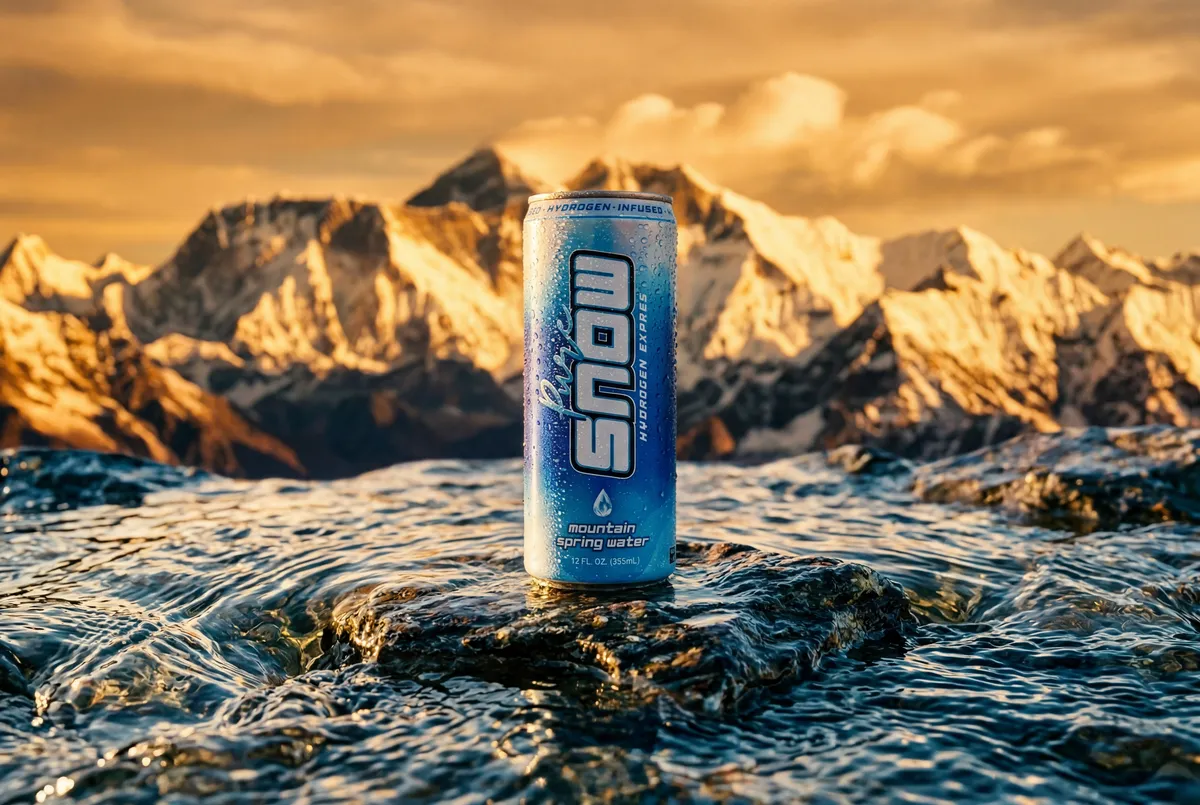
Aluminum tells a different story. Aluminum cans are effectively impermeable to hydrogen gas, which is why premium hydrogen water brands package in cans rather than bottles. A properly sealed aluminum can with minimal headspace can maintain its hydrogen concentration, measured in parts per million or PPM, for months. If you want to understand exactly how dissolved hydrogen concentration works and why the can matters so much, we break down the science of PPM and aluminum packaging in detail on our site.
Glass, for the record, also holds hydrogen well, but glass is heavy, fragile, and expensive to ship, which is why aluminum has become the gold standard for shelf-stable hydrogen water.
MYTH 2: A HYDROGEN WATER BOTTLE GENERATOR IS ALWAYS THE BETTER VALUE
Portable hydrogen water bottles, the rechargeable devices that use electrolysis to infuse hydrogen into water on demand, have real appeal. You fill them with water, press a button, wait a few minutes, and drink. Over time, the per-serving cost can look attractive compared to buying canned hydrogen water. But the value calculation is more complicated than the marketing suggests.
First, quality varies enormously between devices. Inexpensive generators often produce hydrogen concentrations well below 1.0 PPM, and some produce byproducts like chlorine or ozone if they lack proper membrane technology. Testing from independent reviewers has repeatedly shown that advertised PPM numbers on budget devices rarely match real-world output. Second, output depends heavily on your source water. Mineral content, temperature, and purity all affect how much hydrogen actually dissolves. Third, electrodes degrade over time, meaning the device that produced 1.2 PPM on day one may produce far less a year later, with no obvious warning to the user.
Canned hydrogen water flips that equation. The concentration is set and verified at the time of canning, the aluminum seals it in, and what is printed on the can is what you drink. There is no maintenance, no charging, no electrode replacement, and no guesswork. For people who value consistency and convenience, and who want their hydrogen dose to be reliable rather than variable, cans often deliver better real-world value even at a higher sticker price per serving.
MYTH 3: PLASTIC BOTTLES ARE FINE IF YOU DRINK THEM QUICKLY
This myth contains a kernel of truth, which is what makes it stubborn. Yes, if you could drink a plastic-bottled hydrogen water the moment it was sealed at the factory, you would get most of the hydrogen. The problem is the supply chain. That bottle was filled, warehoused, shipped, stocked on a shelf, and possibly stored in a warm distribution center for weeks or months before it reached you. Hydrogen was escaping through the plastic the entire time. By the moment of purchase, the loss has already happened. Drinking it quickly after opening does not recover hydrogen that leaked out during the previous ninety days.
This matters because hydrogen concentration is directly tied to the potential benefit. Research interest in molecular hydrogen took off after a landmark study published in Nature Medicine showed that molecular hydrogen can act as a selective antioxidant, neutralizing harmful hydroxyl radicals without disrupting beneficial signaling molecules. But those effects depend on hydrogen actually being present in the water at a meaningful concentration when you drink it. A can that preserves its stated PPM from the canning line to your lips is delivering the product as intended. A plastic bottle that has quietly vented its hydrogen through its own walls is not.
SO WHICH SHOULD YOU CHOOSE?
If you are a dedicated daily user who enjoys tinkering, does not mind maintenance, and invests in a high-quality, independently tested generator, a hydrogen water bottle can work well. For everyone else, canned hydrogen water is the simpler, more reliable choice: verified concentration, no degradation on the shelf, no device upkeep, and grab-and-go convenience for the gym, the office, or travel. At Pure Snow, we can premium mountain spring water infused with molecular hydrogen in aluminum precisely because it is the only practical format that guarantees the hydrogen survives the journey to you. If you have more questions about storage, concentration, or how long an opened can stays potent, our frequently asked questions page covers the details.
KEY TAKEAWAY: Molecular hydrogen escapes through plastic and degrades in inconsistent generator devices, so canned hydrogen water in aluminum is the most reliable way to ensure the hydrogen concentration you pay for is the concentration you actually drink.
Ready to taste the difference that proper packaging makes? Explore Pure Snow canned hydrogen water and experience hydrogen-infused mountain spring water the way it was meant to be delivered.
FAQ
Q: How long does canned hydrogen water keep its hydrogen?
A: Sealed aluminum cans are effectively impermeable to hydrogen gas, so a properly canned hydrogen water maintains its stated PPM for many months. Once opened, however, hydrogen begins escaping into the air, so drink the can within about thirty minutes for the full benefit.
Q: Why do some brands still sell hydrogen water in plastic bottles?
A: Plastic is cheaper to produce and fill than aluminum, so some brands prioritize cost over hydrogen retention. Unfortunately, because hydrogen is the smallest molecule in existence, it permeates plastic walls and much of it can be gone before the bottle reaches the customer.
Q: Are hydrogen water bottle generators safe to use?
A: High-quality generators with proton exchange membrane technology are generally safe and produce clean hydrogen. Budget devices without proper membranes can introduce byproducts like chlorine or ozone, so if you go the generator route, research the device carefully and verify independent testing.
Back to BlogMyth number one: all hydrogen water packaging performs about the same. Myth number two: a hydrogen water bottle generator is always the better value because you can make unlimited hydrogen water at home. Myth number three: plastic bottles hold hydrogen just fine as long as you drink the water quickly. Each of these sounds reasonable on the surface. Each one falls apart under scrutiny. Let us dig in.
MYTH 1: ALL PACKAGING HOLDS HYDROGEN EQUALLY WELL
This is the most consequential myth, so it deserves the most attention. Molecular hydrogen is the smallest molecule in the universe. Two hydrogen atoms bonded together create a molecule so tiny that it can slip through materials that easily contain water, carbon dioxide, or oxygen. Plastic, in particular, is porous at the molecular level. Hydrogen gas dissolved in water inside a plastic bottle begins escaping through the walls of the container almost immediately. Within days to weeks, depending on the plastic and storage conditions, a plastic-bottled hydrogen water can lose most or all of its dissolved hydrogen. You are left holding an expensive bottle of ordinary water.
Aluminum tells a different story. Aluminum cans are effectively impermeable to hydrogen gas, which is why premium hydrogen water brands package in cans rather than bottles. A properly sealed aluminum can with minimal headspace can maintain its hydrogen concentration, measured in parts per million or PPM, for months. If you want to understand exactly how dissolved hydrogen concentration works and why the can matters so much, we break down the science of PPM and aluminum packaging in detail on our site.
Glass, for the record, also holds hydrogen well, but glass is heavy, fragile, and expensive to ship, which is why aluminum has become the gold standard for shelf-stable hydrogen water.
MYTH 2: A HYDROGEN WATER BOTTLE GENERATOR IS ALWAYS THE BETTER VALUE
Portable hydrogen water bottles, the rechargeable devices that use electrolysis to infuse hydrogen into water on demand, have real appeal. You fill them with water, press a button, wait a few minutes, and drink. Over time, the per-serving cost can look attractive compared to buying canned hydrogen water. But the value calculation is more complicated than the marketing suggests.
First, quality varies enormously between devices. Inexpensive generators often produce hydrogen concentrations well below 1.0 PPM, and some produce byproducts like chlorine or ozone if they lack proper membrane technology. Testing from independent reviewers has repeatedly shown that advertised PPM numbers on budget devices rarely match real-world output. Second, output depends heavily on your source water. Mineral content, temperature, and purity all affect how much hydrogen actually dissolves. Third, electrodes degrade over time, meaning the device that produced 1.2 PPM on day one may produce far less a year later, with no obvious warning to the user.
Canned hydrogen water flips that equation. The concentration is set and verified at the time of canning, the aluminum seals it in, and what is printed on the can is what you drink. There is no maintenance, no charging, no electrode replacement, and no guesswork. For people who value consistency and convenience, and who want their hydrogen dose to be reliable rather than variable, cans often deliver better real-world value even at a higher sticker price per serving.
MYTH 3: PLASTIC BOTTLES ARE FINE IF YOU DRINK THEM QUICKLY
This myth contains a kernel of truth, which is what makes it stubborn. Yes, if you could drink a plastic-bottled hydrogen water the moment it was sealed at the factory, you would get most of the hydrogen. The problem is the supply chain. That bottle was filled, warehoused, shipped, stocked on a shelf, and possibly stored in a warm distribution center for weeks or months before it reached you. Hydrogen was escaping through the plastic the entire time. By the moment of purchase, the loss has already happened. Drinking it quickly after opening does not recover hydrogen that leaked out during the previous ninety days.
This matters because hydrogen concentration is directly tied to the potential benefit. Research interest in molecular hydrogen took off after a landmark study published in Nature Medicine showed that molecular hydrogen can act as a selective antioxidant, neutralizing harmful hydroxyl radicals without disrupting beneficial signaling molecules. But those effects depend on hydrogen actually being present in the water at a meaningful concentration when you drink it. A can that preserves its stated PPM from the canning line to your lips is delivering the product as intended. A plastic bottle that has quietly vented its hydrogen through its own walls is not.
SO WHICH SHOULD YOU CHOOSE?
If you are a dedicated daily user who enjoys tinkering, does not mind maintenance, and invests in a high-quality, independently tested generator, a hydrogen water bottle can work well. For everyone else, canned hydrogen water is the simpler, more reliable choice: verified concentration, no degradation on the shelf, no device upkeep, and grab-and-go convenience for the gym, the office, or travel. At Pure Snow, we can premium mountain spring water infused with molecular hydrogen in aluminum precisely because it is the only practical format that guarantees the hydrogen survives the journey to you. If you have more questions about storage, concentration, or how long an opened can stays potent, our frequently asked questions page covers the details.
KEY TAKEAWAY: Molecular hydrogen escapes through plastic and degrades in inconsistent generator devices, so canned hydrogen water in aluminum is the most reliable way to ensure the hydrogen concentration you pay for is the concentration you actually drink.
Ready to taste the difference that proper packaging makes? Explore Pure Snow canned hydrogen water and experience hydrogen-infused mountain spring water the way it was meant to be delivered.
FAQ
Q: How long does canned hydrogen water keep its hydrogen?
A: Sealed aluminum cans are effectively impermeable to hydrogen gas, so a properly canned hydrogen water maintains its stated PPM for many months. Once opened, however, hydrogen begins escaping into the air, so drink the can within about thirty minutes for the full benefit.
Q: Why do some brands still sell hydrogen water in plastic bottles?
A: Plastic is cheaper to produce and fill than aluminum, so some brands prioritize cost over hydrogen retention. Unfortunately, because hydrogen is the smallest molecule in existence, it permeates plastic walls and much of it can be gone before the bottle reaches the customer.
Q: Are hydrogen water bottle generators safe to use?
A: High-quality generators with proton exchange membrane technology are generally safe and produce clean hydrogen. Budget devices without proper membranes can introduce byproducts like chlorine or ozone, so if you go the generator route, research the device carefully and verify independent testing.