Hydrogen Water Bottle vs Canned Hydrogen Water: 3 Myths Debunked
If you have been researching hydrogen water this August 2026, you have probably noticed something confusing: some brands sell it in plastic bottles, some in glass, some in pouches, and some in aluminum cans. The packaging debate matters far more with hydrogen water than with almost any other beverage, because molecular hydrogen is the smallest molecule in the universe and it will escape through the wrong container long before you ever take a sip. Yet when it comes to the hydrogen water bottle vs canned hydrogen water question, a few stubborn myths keep circulating. Today we are going to name three of the most common misconceptions and debunk them one by one, so you can make a genuinely informed choice about what you are drinking.
Here are the three myths we hear most often: first, that packaging does not really matter as long as the hydrogen concentration was high at bottling. Second, that plastic hydrogen water bottles are just as effective as cans because they are sealed. And third, that reusable hydrogen water generator bottles always deliver a better product than pre-packaged options. Let us take these apart with actual science.
MYTH 1: PACKAGING DOES NOT MATTER IF THE CONCENTRATION IS HIGH AT BOTTLING
This myth sounds reasonable on the surface. If a brand infuses its water to a strong concentration, say 2 to 3 PPM, surely there is enough hydrogen in there to survive the journey to your fridge, right? Unfortunately, no. Molecular hydrogen, or H2, is so small that it diffuses through most materials with ease. A high starting concentration means very little if the container cannot hold onto it. Think of it like filling a balloon with helium: a strong fill does not help if the balloon material lets gas seep out overnight.
What actually matters is the combination of starting concentration and the barrier properties of the packaging. Aluminum is essentially impermeable to hydrogen gas, which is why properly canned hydrogen water can maintain a therapeutic concentration for months. This is not a small detail. The health research on molecular hydrogen, including the landmark study published in Nature Medicine that first demonstrated hydrogen acting as a selective antioxidant, is based on people and subjects actually receiving meaningful doses of dissolved H2. If your water has off-gassed by the time you drink it, you are essentially drinking expensive plain water. You can read more about how concentration and packaging work together on the Pure Snow how it works page, which breaks down PPM levels and why aluminum was the only packaging choice that made scientific sense.
MYTH 2: PLASTIC HYDROGEN WATER BOTTLES ARE JUST AS GOOD BECAUSE THEY ARE SEALED
A sealed cap keeps liquid in, but it does not keep hydrogen in. Standard PET plastic, the material used in most single-use water bottles, is porous at the molecular level. Hydrogen molecules pass directly through the walls of the bottle itself, no open cap required. Studies on gas permeability consistently show that plastic containers lose dissolved hydrogen rapidly, often dropping to negligible levels within days or weeks depending on the plastic type, wall thickness, and storage temperature.
Some brands attempt to solve this with multi-layer pouches that include an aluminum layer, and those do perform better than plain plastic. But pouches introduce their own tradeoffs: they are harder to recycle, awkward to drink from, and typically more expensive to produce. An aluminum can gives you the best of both worlds. It provides a near-total barrier against hydrogen escape, it is infinitely recyclable, and it chills quickly and travels well. There is also the environmental angle to consider: aluminum has one of the highest recycling rates of any beverage packaging material, while single-use plastic bottles remain a major source of waste. When you compare a hydrogen water bottle vs canned hydrogen water on retention, sustainability, and convenience, the can wins on all three counts.
MYTH 3: A REUSABLE HYDROGEN GENERATOR BOTTLE IS ALWAYS THE BETTER CHOICE
Reusable hydrogen water bottles, the electric devices that generate H2 through electrolysis on demand, have become popular, and to be fair, they have real advantages. You can make hydrogen water fresh whenever you want, and over years of use the per-serving cost can come down. But the myth is that they are always the superior option, and that simply is not true for everyone.
First, quality varies enormously. Budget generator bottles often produce low concentrations, sometimes under 0.5 PPM, well below the levels used in most clinical research. Some cheaper models without proper membrane technology can also introduce unwanted byproducts like chlorine or ozone depending on your source water. Second, the hydrogen they produce still dissipates quickly, so you need to drink it within minutes of generation. Third, they require charging, cleaning, maintenance, and a decent upfront investment, often several hundred dollars for a quality unit.
Canned hydrogen water flips that equation. Every can is infused under controlled conditions to a verified concentration, sealed in an impermeable container, and ready the moment you open it. There is no device to charge, no membrane to replace, and no guesswork about what dose you are actually getting. You crack the can, drink it promptly, and receive the concentration printed on the label. For people who want consistency, portability, and zero maintenance, pre-packaged cans are the more practical route, and if cost is a concern, options like a subscribe and save plan narrow the price gap considerably over time.
SO WHICH ONE SHOULD YOU CHOOSE?
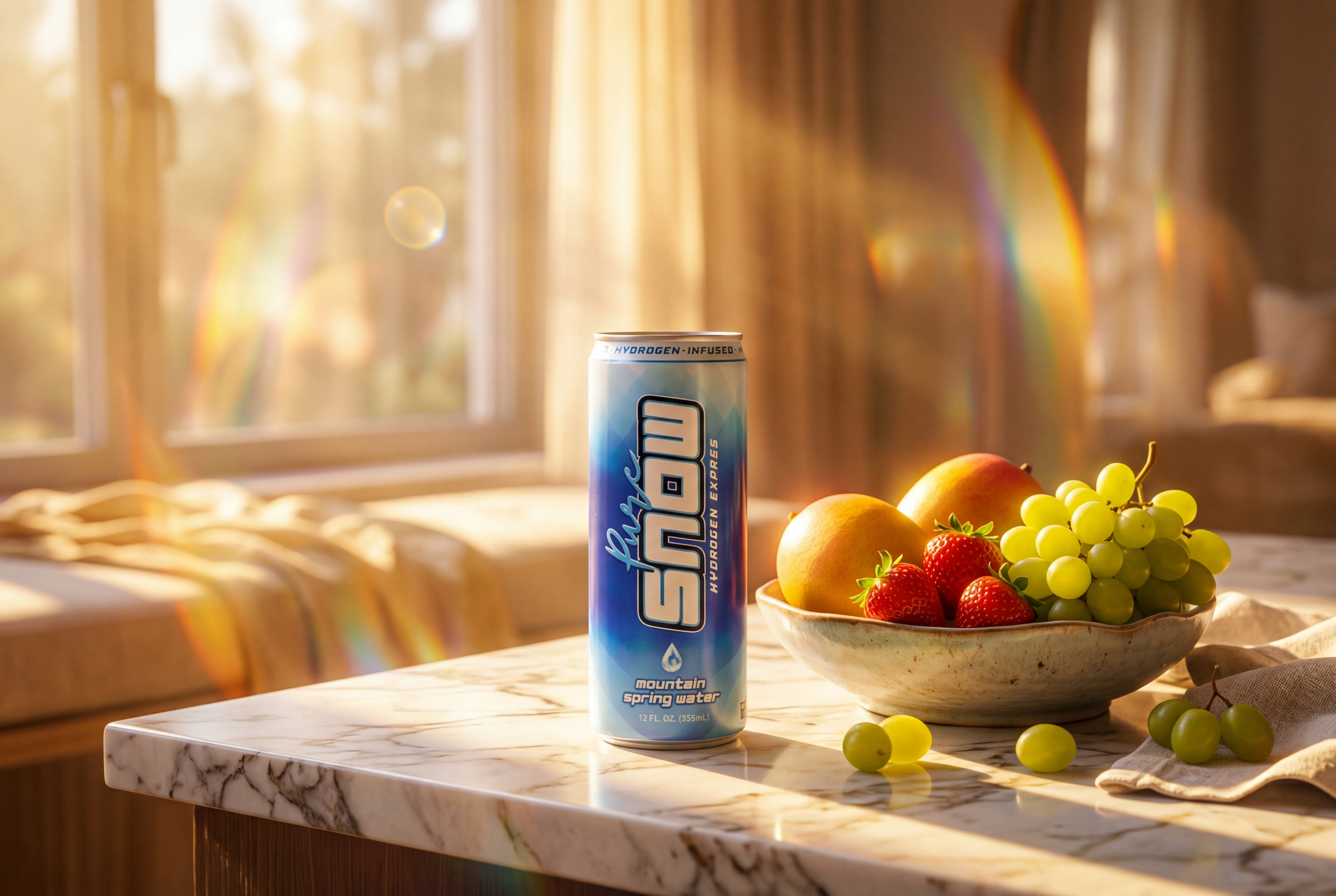
The honest answer depends on your lifestyle. If you are highly disciplined, willing to invest in a premium generator bottle, and always drink immediately after generating, a reusable device can work well. But for most people, the reliability of canned hydrogen water is hard to beat. You get a lab-verified concentration in every serving, packaging that actually holds the hydrogen until you open it, and grab-and-go convenience for the gym, the office, or the trail. Pure Snow cans start with pristine mountain spring water, infuse it with molecular hydrogen at a meaningful therapeutic concentration, and seal it in aluminum specifically because it is the only mainstream packaging that keeps H2 where it belongs: in your water, not in the air.
KEY TAKEAWAY: The container is just as important as the concentration when it comes to hydrogen water, and aluminum cans dramatically outperform plastic bottles at retaining dissolved H2. For most people, canned hydrogen water offers the most reliable, consistent, and convenient way to get a verified dose.
Ready to taste the difference that proper packaging makes? Head over to the Pure Snow shop and try premium canned hydrogen water for yourself.
FAQ
Q: How long does hydrogen stay in a can compared to a plastic bottle?
A: Aluminum cans can retain dissolved hydrogen for many months because aluminum is essentially impermeable to H2 gas. Plastic bottles, by contrast, can lose most of their hydrogen within days to weeks as the gas diffuses directly through the bottle walls.
Q: Should I drink canned hydrogen water right after opening it?
A: Yes, ideally within a few minutes of opening. Once the seal is broken, hydrogen begins escaping into the air, so drinking promptly ensures you get the full concentration listed on the can.
Q: Are hydrogen generator bottles a waste of money?
A: Not necessarily, but quality varies widely and cheaper models often produce concentrations below research-backed levels. If you want guaranteed, verified concentrations without maintenance or upfront device costs, canned hydrogen water is the more dependable option.
Back to BlogHere are the three myths we hear most often: first, that packaging does not really matter as long as the hydrogen concentration was high at bottling. Second, that plastic hydrogen water bottles are just as effective as cans because they are sealed. And third, that reusable hydrogen water generator bottles always deliver a better product than pre-packaged options. Let us take these apart with actual science.
MYTH 1: PACKAGING DOES NOT MATTER IF THE CONCENTRATION IS HIGH AT BOTTLING
This myth sounds reasonable on the surface. If a brand infuses its water to a strong concentration, say 2 to 3 PPM, surely there is enough hydrogen in there to survive the journey to your fridge, right? Unfortunately, no. Molecular hydrogen, or H2, is so small that it diffuses through most materials with ease. A high starting concentration means very little if the container cannot hold onto it. Think of it like filling a balloon with helium: a strong fill does not help if the balloon material lets gas seep out overnight.
What actually matters is the combination of starting concentration and the barrier properties of the packaging. Aluminum is essentially impermeable to hydrogen gas, which is why properly canned hydrogen water can maintain a therapeutic concentration for months. This is not a small detail. The health research on molecular hydrogen, including the landmark study published in Nature Medicine that first demonstrated hydrogen acting as a selective antioxidant, is based on people and subjects actually receiving meaningful doses of dissolved H2. If your water has off-gassed by the time you drink it, you are essentially drinking expensive plain water. You can read more about how concentration and packaging work together on the Pure Snow how it works page, which breaks down PPM levels and why aluminum was the only packaging choice that made scientific sense.
MYTH 2: PLASTIC HYDROGEN WATER BOTTLES ARE JUST AS GOOD BECAUSE THEY ARE SEALED
A sealed cap keeps liquid in, but it does not keep hydrogen in. Standard PET plastic, the material used in most single-use water bottles, is porous at the molecular level. Hydrogen molecules pass directly through the walls of the bottle itself, no open cap required. Studies on gas permeability consistently show that plastic containers lose dissolved hydrogen rapidly, often dropping to negligible levels within days or weeks depending on the plastic type, wall thickness, and storage temperature.
Some brands attempt to solve this with multi-layer pouches that include an aluminum layer, and those do perform better than plain plastic. But pouches introduce their own tradeoffs: they are harder to recycle, awkward to drink from, and typically more expensive to produce. An aluminum can gives you the best of both worlds. It provides a near-total barrier against hydrogen escape, it is infinitely recyclable, and it chills quickly and travels well. There is also the environmental angle to consider: aluminum has one of the highest recycling rates of any beverage packaging material, while single-use plastic bottles remain a major source of waste. When you compare a hydrogen water bottle vs canned hydrogen water on retention, sustainability, and convenience, the can wins on all three counts.
MYTH 3: A REUSABLE HYDROGEN GENERATOR BOTTLE IS ALWAYS THE BETTER CHOICE
Reusable hydrogen water bottles, the electric devices that generate H2 through electrolysis on demand, have become popular, and to be fair, they have real advantages. You can make hydrogen water fresh whenever you want, and over years of use the per-serving cost can come down. But the myth is that they are always the superior option, and that simply is not true for everyone.
First, quality varies enormously. Budget generator bottles often produce low concentrations, sometimes under 0.5 PPM, well below the levels used in most clinical research. Some cheaper models without proper membrane technology can also introduce unwanted byproducts like chlorine or ozone depending on your source water. Second, the hydrogen they produce still dissipates quickly, so you need to drink it within minutes of generation. Third, they require charging, cleaning, maintenance, and a decent upfront investment, often several hundred dollars for a quality unit.
Canned hydrogen water flips that equation. Every can is infused under controlled conditions to a verified concentration, sealed in an impermeable container, and ready the moment you open it. There is no device to charge, no membrane to replace, and no guesswork about what dose you are actually getting. You crack the can, drink it promptly, and receive the concentration printed on the label. For people who want consistency, portability, and zero maintenance, pre-packaged cans are the more practical route, and if cost is a concern, options like a subscribe and save plan narrow the price gap considerably over time.
SO WHICH ONE SHOULD YOU CHOOSE?
The honest answer depends on your lifestyle. If you are highly disciplined, willing to invest in a premium generator bottle, and always drink immediately after generating, a reusable device can work well. But for most people, the reliability of canned hydrogen water is hard to beat. You get a lab-verified concentration in every serving, packaging that actually holds the hydrogen until you open it, and grab-and-go convenience for the gym, the office, or the trail. Pure Snow cans start with pristine mountain spring water, infuse it with molecular hydrogen at a meaningful therapeutic concentration, and seal it in aluminum specifically because it is the only mainstream packaging that keeps H2 where it belongs: in your water, not in the air.
KEY TAKEAWAY: The container is just as important as the concentration when it comes to hydrogen water, and aluminum cans dramatically outperform plastic bottles at retaining dissolved H2. For most people, canned hydrogen water offers the most reliable, consistent, and convenient way to get a verified dose.
Ready to taste the difference that proper packaging makes? Head over to the Pure Snow shop and try premium canned hydrogen water for yourself.
FAQ
Q: How long does hydrogen stay in a can compared to a plastic bottle?
A: Aluminum cans can retain dissolved hydrogen for many months because aluminum is essentially impermeable to H2 gas. Plastic bottles, by contrast, can lose most of their hydrogen within days to weeks as the gas diffuses directly through the bottle walls.
Q: Should I drink canned hydrogen water right after opening it?
A: Yes, ideally within a few minutes of opening. Once the seal is broken, hydrogen begins escaping into the air, so drinking promptly ensures you get the full concentration listed on the can.
Q: Are hydrogen generator bottles a waste of money?
A: Not necessarily, but quality varies widely and cheaper models often produce concentrations below research-backed levels. If you want guaranteed, verified concentrations without maintenance or upfront device costs, canned hydrogen water is the more dependable option.