Hydrogen Water Bottle vs Canned Hydrogen Water: 3 Myths That Need to Go
If you have been researching the hydrogen water bottle vs canned hydrogen water debate this October 2026, you have probably run into a lot of confident claims and very little clarity. Some people insist that a hydrogen generator bottle is the only serious way to drink molecular hydrogen. Others say cans are a gimmick. The truth is more nuanced, and much of what gets repeated online simply does not hold up. Today we are tackling three of the most persistent myths about hydrogen water bottles and canned hydrogen water, so you can make a decision based on how molecular hydrogen actually behaves rather than on marketing noise.
Before we dig in, a quick refresher on why the container matters at all. Molecular hydrogen is the smallest molecule in the universe. It escapes through plastic, slips past loose seals, and dissipates from an open glass within a couple of hours. That physical reality shapes everything about how hydrogen water should be made, stored, and consumed. According to a landmark study published in Nature Medicine, molecular hydrogen acts as a selective antioxidant, reducing harmful hydroxyl radicals in the body. But that benefit only shows up if the hydrogen is still in the water when it reaches your lips. With that in mind, let us bust some myths.
MYTH 1: HYDROGEN WATER BOTTLES ALWAYS DELIVER HIGHER CONCENTRATIONS
This is probably the most common claim, and it sounds reasonable on the surface. A hydrogen generator bottle makes fresh hydrogen water on demand, so it must be more potent, right? Not necessarily. The concentration a generator bottle produces depends heavily on the quality of its electrolysis membrane, the run time, the source water you pour in, and how well the device has been maintained. Many consumer-grade bottles produce somewhere between 0.5 and 1.2 PPM under ideal conditions, and that output degrades as the membrane ages or accumulates mineral buildup. Hard tap water, skipped cleaning cycles, and worn electrodes all quietly chip away at performance, and most users have no way to measure what they are actually getting.
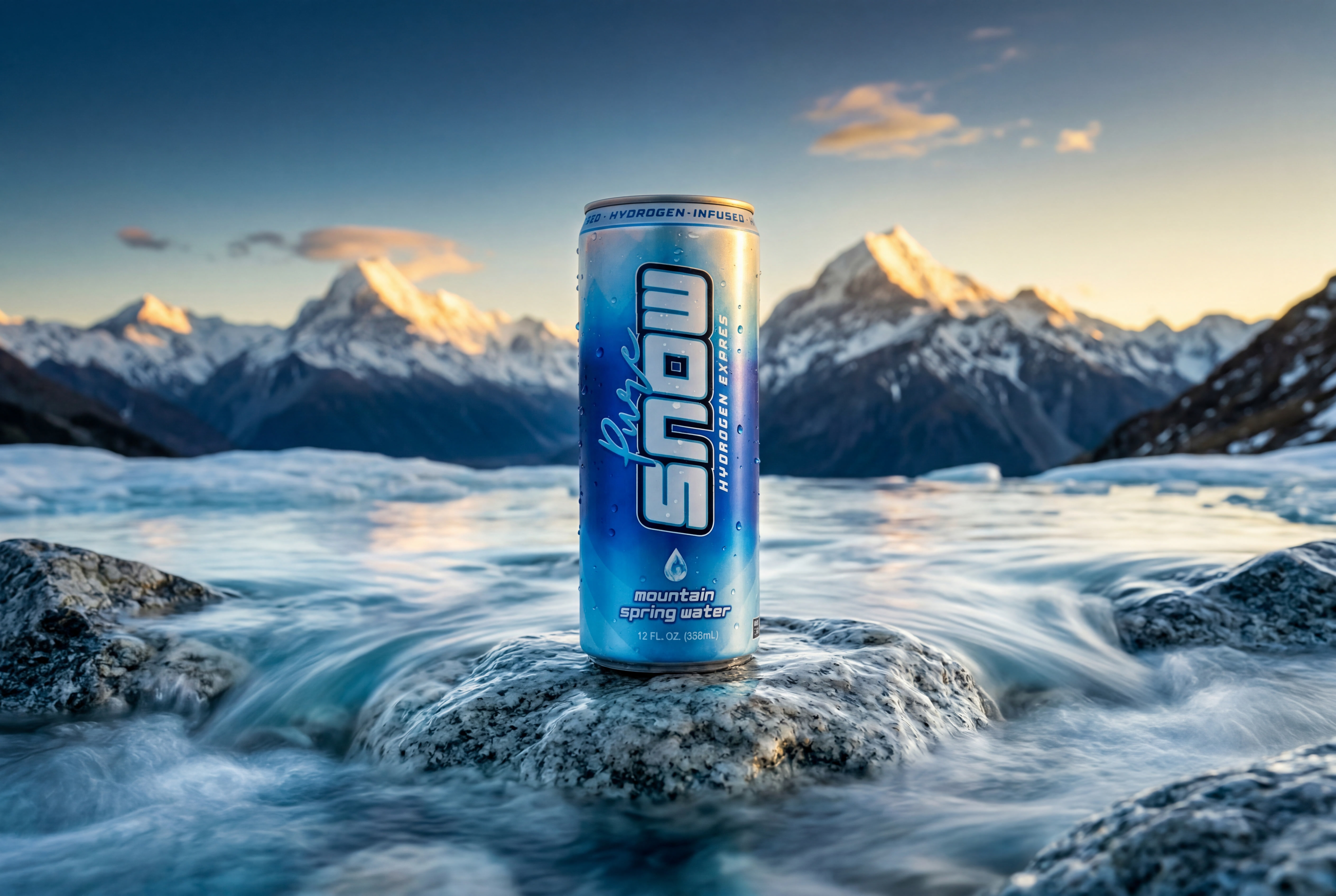
Professionally canned hydrogen water, by contrast, is infused under controlled pressure in a sealed environment and then locked inside an aluminum can that hydrogen cannot escape. That means the concentration is consistent from the first can to the last, and it is verifiable rather than assumed. If you want to understand how pressurized infusion and PPM levels work in more detail, our breakdown of how Pure Snow hydrogen water is made walks through the full process. The short version: a well-made can does not just match a generator bottle on concentration. It often beats it, with none of the guesswork.
MYTH 2: CANS LOSE THEIR HYDROGEN ON THE SHELF
Here is where people get the science backwards. Yes, hydrogen escapes containers easily, which is exactly why packaging material is the deciding factor. Hydrogen molecules pass straight through plastic bottles within days, which is why you should be skeptical of any hydrogen water sold in PET plastic. Glass performs better but struggles at the cap seal. Aluminum, however, is effectively impermeable to hydrogen gas. A properly sealed, pressurized aluminum can holds its dissolved hydrogen for months, maintaining concentration until the moment you crack it open.
Compare that to the real-world workflow of a generator bottle. You run a cycle, which takes five to ten minutes, and then you need to drink the water fairly quickly, because once the cycle ends the hydrogen begins off-gassing from the open or loosely capped container. If you make a batch in the morning and sip it over several hours, you are drinking progressively weaker hydrogen water as the day goes on. The can wins on stability precisely because it was engineered around the escape problem rather than hoping you drink fast enough to outrun it. Pure Snow chose aluminum cans for exactly this reason, pairing hydrogen-locking packaging with premium mountain spring water. You can read more about why we built the brand this way on the Pure Snow story page.
MYTH 3: A GENERATOR BOTTLE IS ALWAYS THE CHEAPER OPTION
The upfront math seems obvious. Buy a bottle once, make unlimited hydrogen water forever. But the full picture is less tidy. Quality hydrogen generator bottles typically cost between 80 and 300 dollars, and the cheap ones often produce low or inconsistent concentrations, sometimes alongside unwanted byproducts like chlorine or ozone if they lack a proper membrane. The good ones require replacement membranes, regular cleaning with citric acid, filtered source water, and charging. Membranes degrade over one to two years, and when output drops, most users never notice because they cannot test concentration at home. You may end up paying a premium for water that quietly stopped being hydrogen water months ago.
Canned hydrogen water carries a per-can cost, but that cost buys certainty: verified concentration, zero maintenance, no charging, no cleaning, and grab-and-go convenience for the gym, the office, or travel. For many people, especially those who drink one or two servings a day, a subscription model lands in a similar monthly range as the true all-in cost of maintaining a quality generator bottle, without any of the variability. If you want to see how the numbers shake out, our subscribe and save pricing makes the comparison easy.
SO WHICH ONE IS RIGHT FOR YOU?
To be fair, generator bottles are not useless. If you are a dedicated tinkerer who enjoys maintaining equipment, uses filtered water, replaces membranes on schedule, and drinks each batch immediately, a high-end bottle can serve you well. But for most people, the honest answer is that consistency beats theoretical convenience. The entire value of hydrogen water rests on actually getting a meaningful dose of dissolved hydrogen, and a pressurized aluminum can is the most reliable way to guarantee that dose every single time. No charging, no cleaning, no wondering whether your membrane has quietly degraded. Just open, drink, and get the full concentration the label promises.
KEY TAKEAWAY: The hydrogen water bottle vs canned hydrogen water debate comes down to consistency. Pressurized aluminum cans lock in a verified hydrogen concentration until the moment you open them, while generator bottles depend on maintenance, source water, and drinking speed to deliver anything close to their advertised potency.
If you are ready to skip the guesswork and taste what consistently potent hydrogen water is like, Pure Snow delivers premium mountain spring water infused with molecular hydrogen in hydrogen-locking aluminum cans. Head over to the Pure Snow shop and try it for yourself.
FAQ
Q: How long does canned hydrogen water stay potent after opening?
A: Once opened, dissolved hydrogen begins escaping into the air, so you should drink a can within about 15 to 30 minutes for the full benefit. Unopened, a properly sealed aluminum can maintains its hydrogen concentration for months because hydrogen cannot pass through aluminum.
Q: Can I just buy hydrogen water in plastic bottles instead?
A: It is not recommended. Hydrogen molecules are small enough to pass directly through plastic, meaning most of the dissolved hydrogen escapes within days of bottling. Aluminum cans are the gold standard because they are effectively impermeable to hydrogen gas.
Q: Do hydrogen generator bottles produce anything harmful?
A: Low-quality generator bottles without a proper proton exchange membrane can produce trace chlorine or ozone as electrolysis byproducts. High-end models with SPE and PEM technology avoid this, but they cost significantly more and still require regular maintenance to perform safely and effectively.
Back to BlogBefore we dig in, a quick refresher on why the container matters at all. Molecular hydrogen is the smallest molecule in the universe. It escapes through plastic, slips past loose seals, and dissipates from an open glass within a couple of hours. That physical reality shapes everything about how hydrogen water should be made, stored, and consumed. According to a landmark study published in Nature Medicine, molecular hydrogen acts as a selective antioxidant, reducing harmful hydroxyl radicals in the body. But that benefit only shows up if the hydrogen is still in the water when it reaches your lips. With that in mind, let us bust some myths.
MYTH 1: HYDROGEN WATER BOTTLES ALWAYS DELIVER HIGHER CONCENTRATIONS
This is probably the most common claim, and it sounds reasonable on the surface. A hydrogen generator bottle makes fresh hydrogen water on demand, so it must be more potent, right? Not necessarily. The concentration a generator bottle produces depends heavily on the quality of its electrolysis membrane, the run time, the source water you pour in, and how well the device has been maintained. Many consumer-grade bottles produce somewhere between 0.5 and 1.2 PPM under ideal conditions, and that output degrades as the membrane ages or accumulates mineral buildup. Hard tap water, skipped cleaning cycles, and worn electrodes all quietly chip away at performance, and most users have no way to measure what they are actually getting.
Professionally canned hydrogen water, by contrast, is infused under controlled pressure in a sealed environment and then locked inside an aluminum can that hydrogen cannot escape. That means the concentration is consistent from the first can to the last, and it is verifiable rather than assumed. If you want to understand how pressurized infusion and PPM levels work in more detail, our breakdown of how Pure Snow hydrogen water is made walks through the full process. The short version: a well-made can does not just match a generator bottle on concentration. It often beats it, with none of the guesswork.
MYTH 2: CANS LOSE THEIR HYDROGEN ON THE SHELF
Here is where people get the science backwards. Yes, hydrogen escapes containers easily, which is exactly why packaging material is the deciding factor. Hydrogen molecules pass straight through plastic bottles within days, which is why you should be skeptical of any hydrogen water sold in PET plastic. Glass performs better but struggles at the cap seal. Aluminum, however, is effectively impermeable to hydrogen gas. A properly sealed, pressurized aluminum can holds its dissolved hydrogen for months, maintaining concentration until the moment you crack it open.
Compare that to the real-world workflow of a generator bottle. You run a cycle, which takes five to ten minutes, and then you need to drink the water fairly quickly, because once the cycle ends the hydrogen begins off-gassing from the open or loosely capped container. If you make a batch in the morning and sip it over several hours, you are drinking progressively weaker hydrogen water as the day goes on. The can wins on stability precisely because it was engineered around the escape problem rather than hoping you drink fast enough to outrun it. Pure Snow chose aluminum cans for exactly this reason, pairing hydrogen-locking packaging with premium mountain spring water. You can read more about why we built the brand this way on the Pure Snow story page.
MYTH 3: A GENERATOR BOTTLE IS ALWAYS THE CHEAPER OPTION
The upfront math seems obvious. Buy a bottle once, make unlimited hydrogen water forever. But the full picture is less tidy. Quality hydrogen generator bottles typically cost between 80 and 300 dollars, and the cheap ones often produce low or inconsistent concentrations, sometimes alongside unwanted byproducts like chlorine or ozone if they lack a proper membrane. The good ones require replacement membranes, regular cleaning with citric acid, filtered source water, and charging. Membranes degrade over one to two years, and when output drops, most users never notice because they cannot test concentration at home. You may end up paying a premium for water that quietly stopped being hydrogen water months ago.
Canned hydrogen water carries a per-can cost, but that cost buys certainty: verified concentration, zero maintenance, no charging, no cleaning, and grab-and-go convenience for the gym, the office, or travel. For many people, especially those who drink one or two servings a day, a subscription model lands in a similar monthly range as the true all-in cost of maintaining a quality generator bottle, without any of the variability. If you want to see how the numbers shake out, our subscribe and save pricing makes the comparison easy.
SO WHICH ONE IS RIGHT FOR YOU?
To be fair, generator bottles are not useless. If you are a dedicated tinkerer who enjoys maintaining equipment, uses filtered water, replaces membranes on schedule, and drinks each batch immediately, a high-end bottle can serve you well. But for most people, the honest answer is that consistency beats theoretical convenience. The entire value of hydrogen water rests on actually getting a meaningful dose of dissolved hydrogen, and a pressurized aluminum can is the most reliable way to guarantee that dose every single time. No charging, no cleaning, no wondering whether your membrane has quietly degraded. Just open, drink, and get the full concentration the label promises.
KEY TAKEAWAY: The hydrogen water bottle vs canned hydrogen water debate comes down to consistency. Pressurized aluminum cans lock in a verified hydrogen concentration until the moment you open them, while generator bottles depend on maintenance, source water, and drinking speed to deliver anything close to their advertised potency.
If you are ready to skip the guesswork and taste what consistently potent hydrogen water is like, Pure Snow delivers premium mountain spring water infused with molecular hydrogen in hydrogen-locking aluminum cans. Head over to the Pure Snow shop and try it for yourself.
FAQ
Q: How long does canned hydrogen water stay potent after opening?
A: Once opened, dissolved hydrogen begins escaping into the air, so you should drink a can within about 15 to 30 minutes for the full benefit. Unopened, a properly sealed aluminum can maintains its hydrogen concentration for months because hydrogen cannot pass through aluminum.
Q: Can I just buy hydrogen water in plastic bottles instead?
A: It is not recommended. Hydrogen molecules are small enough to pass directly through plastic, meaning most of the dissolved hydrogen escapes within days of bottling. Aluminum cans are the gold standard because they are effectively impermeable to hydrogen gas.
Q: Do hydrogen generator bottles produce anything harmful?
A: Low-quality generator bottles without a proper proton exchange membrane can produce trace chlorine or ozone as electrolysis byproducts. High-end models with SPE and PEM technology avoid this, but they cost significantly more and still require regular maintenance to perform safely and effectively.