Hydrogen Water Benefits Science: What the Research Actually Shows
If you've been hearing more about hydrogen water in June 2026 and wondering whether the science actually holds up, you're not alone. Interest in molecular hydrogen as a health tool has grown considerably over the past few years, and with that growth comes a flood of bold claims — some grounded in real research, others less so. So what does the science genuinely say about hydrogen water benefits? Let's start with the questions people ask most often, and work through the answers carefully.
WHAT EXACTLY ARE THE CLAIMED BENEFITS OF HYDROGEN WATER?
The most discussed benefits of hydrogen water center on its antioxidant properties, its potential to reduce inflammation, and its possible effects on energy, recovery, and cognitive function. Molecular hydrogen (H₂) is a tiny, neutral molecule that can penetrate cell membranes, cross the blood-brain barrier, and reach mitochondria — places that most conventional antioxidants simply cannot access. This unique bioavailability is what makes researchers interested in it as a therapeutic agent rather than just a wellness trend.
The core mechanism is selective antioxidation. Unlike broad-spectrum antioxidants that neutralize all reactive oxygen species (ROS), molecular hydrogen appears to target specifically the most harmful free radicals — particularly hydroxyl radicals (•OH) and peroxynitrite — without disrupting beneficial ROS that your body actually needs for immune signaling and cellular repair. This selectivity is a significant part of why hydrogen water research has attracted serious scientific attention.
IS THERE ACTUAL SCIENTIFIC EVIDENCE TO SUPPORT THESE BENEFITS?
Yes — and it's more substantive than many people realize. Peer-reviewed research has explored hydrogen water in contexts ranging from athletic recovery and metabolic health to neurological protection and inflammatory conditions. According to a study published in the journal Medical Gas Research, molecular hydrogen demonstrates therapeutic potential across a wide range of disease models, with favorable safety profiles and growing clinical evidence in human trials. The study highlights hydrogen's ability to modulate oxidative stress and inflammation at the cellular level, which are two underlying factors in a broad spectrum of chronic health issues.
Human studies have examined hydrogen water in the context of exercise-induced muscle fatigue, showing reductions in lactate accumulation and oxidative stress markers after physical activity. Other clinical trials have looked at its effects on metabolic syndrome, type 2 diabetes risk markers, and even cognitive decline in aging populations. While research is still ongoing and the field is relatively young, the body of evidence is growing steadily and with consistent direction: molecular hydrogen appears to be biologically active and beneficial in multiple physiological contexts.
HOW DO HYDROGEN WATER BENEFITS COMPARE ACROSS DELIVERY METHODS?
Not all hydrogen water is created equal, and this is an important nuance when evaluating the science. The concentration of dissolved molecular hydrogen — measured in parts per million (PPM) — directly affects whether you're receiving a therapeutic dose. Many hydrogen water products on the market contain concentrations too low to replicate the results seen in clinical studies. To understand what concentration levels actually matter, learn more about how hydrogen water works and what PPM means for efficacy.
Delivery format also matters. Hydrogen gas dissipates quickly once a container is opened, which is why packaging integrity is critical. Canned hydrogen water — particularly when sealed in aluminum — preserves dissolved hydrogen far more effectively than plastic bottles, which are permeable to gas over time. This isn't just a marketing distinction; it has real implications for whether the hydrogen you're consuming is still bioavailable when it reaches you.
WHAT DOES THE SCIENCE SAY ABOUT INFLAMMATION AND RECOVERY SPECIFICALLY?
Two of the most researched and replicated areas in hydrogen water science are inflammation reduction and post-exercise recovery. Chronic low-grade inflammation is now understood to be a root driver of numerous modern health conditions, from cardiovascular disease to metabolic disorders to neurodegenerative decline. Molecular hydrogen's ability to reduce pro-inflammatory cytokines and modulate NF-κB signaling pathways — without suppressing necessary immune function — makes it a compelling subject for ongoing research.
For athletes and active individuals, the data around hydrogen water and exercise recovery is particularly promising. Studies have shown reduced muscle fatigue, lower levels of blood lactate, and decreased markers of oxidative damage following exercise when hydrogen water was consumed before or during physical activity. These findings align with the proposed mechanism: by neutralizing excess free radicals generated during intense exercise, molecular hydrogen allows the body to recover faster and with less cellular damage.
PUTTING THE SCIENCE INTO PRACTICE
Understanding the science is useful, but the practical question is how to actually benefit from it. Consistency matters — hydrogen water consumed regularly and at an appropriate concentration is more likely to yield results than occasional use at low PPM levels. Timing may also play a role; consuming hydrogen water before or during exercise, or first thing in the morning, is consistent with how many studies have structured their protocols.
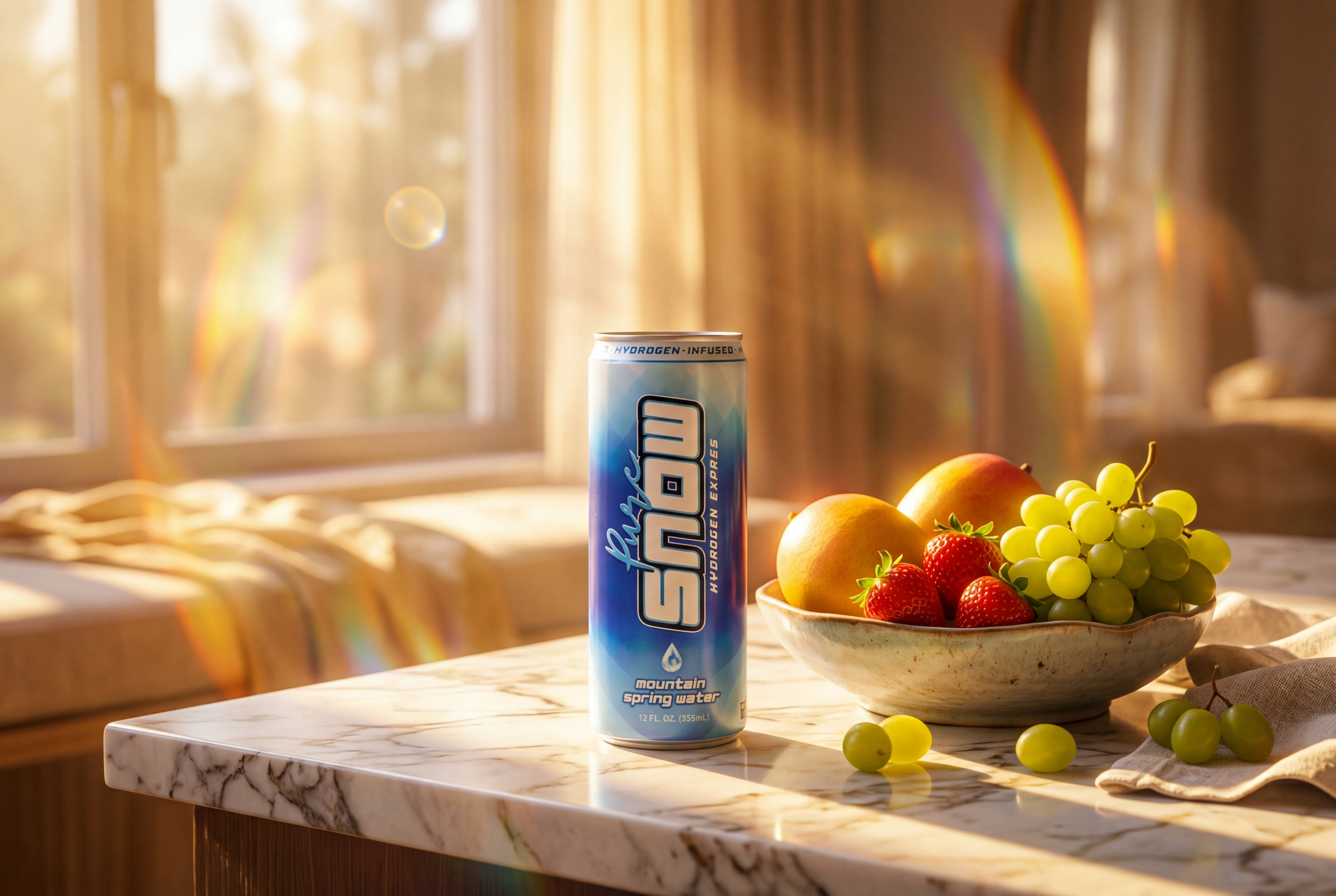
If you're considering adding hydrogen water to your routine, it's worth choosing a product that prioritizes concentration, packaging integrity, and sourcing. Pure Snow hydrogen water is crafted with all of these factors in mind — from the mountain spring source to the aluminum can seal that keeps dissolved hydrogen locked in until you're ready to drink it.
KEY TAKEAWAY: The science behind hydrogen water benefits is real, peer-reviewed, and growing — with the strongest evidence pointing to its antioxidant selectivity, anti-inflammatory effects, and recovery support when consumed at therapeutic concentrations.
Ready to experience what hydrogen water can do for you? Explore Pure Snow's hydrogen water offerings and see why more people are making it part of their daily wellness routine. The science is there — now it's just a matter of trying it for yourself.
FAQ
Q: How much scientific research exists on hydrogen water benefits?
A: There are hundreds of peer-reviewed studies and clinical trials exploring molecular hydrogen's effects on oxidative stress, inflammation, metabolic health, and recovery. The field has grown significantly over the past decade, with human trials increasingly supporting results seen in earlier animal studies.
Q: Do I need a high PPM to get the benefits seen in research studies?
A: Yes, concentration matters. Most clinical studies use hydrogen concentrations at or above 1.0 PPM to achieve measurable effects. Products with very low dissolved hydrogen may not reach the threshold needed to replicate study outcomes, which is why choosing a high-quality, properly sealed product is important.
Q: Is hydrogen water safe to consume daily based on current science?
A: Current research consistently shows molecular hydrogen to be safe for regular consumption, with no known toxic dose in humans. Because it is selective in targeting harmful free radicals rather than all ROS, it does not carry the same risks associated with high-dose conventional antioxidant supplementation.
Back to BlogWHAT EXACTLY ARE THE CLAIMED BENEFITS OF HYDROGEN WATER?
The most discussed benefits of hydrogen water center on its antioxidant properties, its potential to reduce inflammation, and its possible effects on energy, recovery, and cognitive function. Molecular hydrogen (H₂) is a tiny, neutral molecule that can penetrate cell membranes, cross the blood-brain barrier, and reach mitochondria — places that most conventional antioxidants simply cannot access. This unique bioavailability is what makes researchers interested in it as a therapeutic agent rather than just a wellness trend.
The core mechanism is selective antioxidation. Unlike broad-spectrum antioxidants that neutralize all reactive oxygen species (ROS), molecular hydrogen appears to target specifically the most harmful free radicals — particularly hydroxyl radicals (•OH) and peroxynitrite — without disrupting beneficial ROS that your body actually needs for immune signaling and cellular repair. This selectivity is a significant part of why hydrogen water research has attracted serious scientific attention.
IS THERE ACTUAL SCIENTIFIC EVIDENCE TO SUPPORT THESE BENEFITS?
Yes — and it's more substantive than many people realize. Peer-reviewed research has explored hydrogen water in contexts ranging from athletic recovery and metabolic health to neurological protection and inflammatory conditions. According to a study published in the journal Medical Gas Research, molecular hydrogen demonstrates therapeutic potential across a wide range of disease models, with favorable safety profiles and growing clinical evidence in human trials. The study highlights hydrogen's ability to modulate oxidative stress and inflammation at the cellular level, which are two underlying factors in a broad spectrum of chronic health issues.
Human studies have examined hydrogen water in the context of exercise-induced muscle fatigue, showing reductions in lactate accumulation and oxidative stress markers after physical activity. Other clinical trials have looked at its effects on metabolic syndrome, type 2 diabetes risk markers, and even cognitive decline in aging populations. While research is still ongoing and the field is relatively young, the body of evidence is growing steadily and with consistent direction: molecular hydrogen appears to be biologically active and beneficial in multiple physiological contexts.
HOW DO HYDROGEN WATER BENEFITS COMPARE ACROSS DELIVERY METHODS?
Not all hydrogen water is created equal, and this is an important nuance when evaluating the science. The concentration of dissolved molecular hydrogen — measured in parts per million (PPM) — directly affects whether you're receiving a therapeutic dose. Many hydrogen water products on the market contain concentrations too low to replicate the results seen in clinical studies. To understand what concentration levels actually matter, learn more about how hydrogen water works and what PPM means for efficacy.
Delivery format also matters. Hydrogen gas dissipates quickly once a container is opened, which is why packaging integrity is critical. Canned hydrogen water — particularly when sealed in aluminum — preserves dissolved hydrogen far more effectively than plastic bottles, which are permeable to gas over time. This isn't just a marketing distinction; it has real implications for whether the hydrogen you're consuming is still bioavailable when it reaches you.
WHAT DOES THE SCIENCE SAY ABOUT INFLAMMATION AND RECOVERY SPECIFICALLY?
Two of the most researched and replicated areas in hydrogen water science are inflammation reduction and post-exercise recovery. Chronic low-grade inflammation is now understood to be a root driver of numerous modern health conditions, from cardiovascular disease to metabolic disorders to neurodegenerative decline. Molecular hydrogen's ability to reduce pro-inflammatory cytokines and modulate NF-κB signaling pathways — without suppressing necessary immune function — makes it a compelling subject for ongoing research.
For athletes and active individuals, the data around hydrogen water and exercise recovery is particularly promising. Studies have shown reduced muscle fatigue, lower levels of blood lactate, and decreased markers of oxidative damage following exercise when hydrogen water was consumed before or during physical activity. These findings align with the proposed mechanism: by neutralizing excess free radicals generated during intense exercise, molecular hydrogen allows the body to recover faster and with less cellular damage.
PUTTING THE SCIENCE INTO PRACTICE
Understanding the science is useful, but the practical question is how to actually benefit from it. Consistency matters — hydrogen water consumed regularly and at an appropriate concentration is more likely to yield results than occasional use at low PPM levels. Timing may also play a role; consuming hydrogen water before or during exercise, or first thing in the morning, is consistent with how many studies have structured their protocols.
If you're considering adding hydrogen water to your routine, it's worth choosing a product that prioritizes concentration, packaging integrity, and sourcing. Pure Snow hydrogen water is crafted with all of these factors in mind — from the mountain spring source to the aluminum can seal that keeps dissolved hydrogen locked in until you're ready to drink it.
KEY TAKEAWAY: The science behind hydrogen water benefits is real, peer-reviewed, and growing — with the strongest evidence pointing to its antioxidant selectivity, anti-inflammatory effects, and recovery support when consumed at therapeutic concentrations.
Ready to experience what hydrogen water can do for you? Explore Pure Snow's hydrogen water offerings and see why more people are making it part of their daily wellness routine. The science is there — now it's just a matter of trying it for yourself.
FAQ
Q: How much scientific research exists on hydrogen water benefits?
A: There are hundreds of peer-reviewed studies and clinical trials exploring molecular hydrogen's effects on oxidative stress, inflammation, metabolic health, and recovery. The field has grown significantly over the past decade, with human trials increasingly supporting results seen in earlier animal studies.
Q: Do I need a high PPM to get the benefits seen in research studies?
A: Yes, concentration matters. Most clinical studies use hydrogen concentrations at or above 1.0 PPM to achieve measurable effects. Products with very low dissolved hydrogen may not reach the threshold needed to replicate study outcomes, which is why choosing a high-quality, properly sealed product is important.
Q: Is hydrogen water safe to consume daily based on current science?
A: Current research consistently shows molecular hydrogen to be safe for regular consumption, with no known toxic dose in humans. Because it is selective in targeting harmful free radicals rather than all ROS, it does not carry the same risks associated with high-dose conventional antioxidant supplementation.