Hydrogen Water and Oxidative Stress: What the Science Actually Tells Us
If you've been exploring wellness trends this June 2026, you've likely come across the phrase "oxidative stress" paired with hydrogen water more times than you can count. The claims can sound almost too good to be true — drink hydrogen-infused water and neutralize the free radicals damaging your cells? But before you write it off as marketing hype, it's worth looking at what the research actually shows. There are a few persistent misconceptions floating around about hydrogen water and oxidative stress, and clearing them up might change how you think about what you're putting in your body.
MISCONCEPTION #1: OXIDATIVE STRESS IS JUST A WELLNESS BUZZWORD WITH NO REAL SCIENCE BEHIND IT
This is one of the most common dismissals, and it misses a significant body of established science. Oxidative stress occurs when there is an imbalance between free radicals — unstable molecules that damage cells, proteins, and DNA — and the body's antioxidant defenses. This imbalance has been directly linked to chronic inflammation, accelerated aging, cardiovascular disease, neurodegenerative conditions, and metabolic dysfunction. It's not a made-up concept. It's a measurable biological process that researchers have studied for decades. When people hear "antioxidants," they typically think of blueberries or vitamin C, but the mechanism being targeted is exactly this: reducing the excess free radicals that cause cellular damage over time. Understanding oxidative stress as a real and serious physiological process is the first step to evaluating whether hydrogen water is a legitimate tool — or just clever branding.
MISCONCEPTION #2: HYDROGEN WATER WORKS THE SAME WAY AS OTHER ANTIOXIDANTS
This is where the science gets genuinely interesting. Most antioxidants work by donating electrons to neutralize free radicals, but they aren't particularly selective. They can sometimes interfere with beneficial reactive oxygen species that the body uses for signaling and immune response. Molecular hydrogen, on the other hand, behaves differently. Research suggests that H2 selectively targets the most harmful free radicals — specifically hydroxyl radicals and peroxynitrite — without disrupting the ones your body actually needs. This selectivity is a meaningful distinction. According to a study published in the journal Free Radical Research, molecular hydrogen has demonstrated antioxidant properties that selectively reduce cytotoxic oxygen radicals, suggesting a more targeted mechanism than traditional antioxidant supplementation. This isn't a fringe claim. It's the foundation of why hydrogen water research has gained serious traction in academic and clinical communities over the past two decades.
MISCONCEPTION #3: THE AMOUNT OF HYDROGEN IN WATER IS TOO SMALL TO HAVE ANY REAL EFFECT
Skeptics often point to the small concentrations of dissolved hydrogen gas in water and conclude there simply isn't enough to matter biologically. This thinking, while understandable, misunderstands how molecular hydrogen works at the cellular level. H2 is the smallest molecule in existence, which means it can penetrate cell membranes, cross the blood-brain barrier, and access mitochondria — parts of the cell that larger antioxidant molecules simply cannot reach. Its effectiveness isn't purely about concentration in the same way you'd evaluate a vitamin dosage. The therapeutic potential comes from where H2 can go inside the body and how efficiently it can interact with harmful radicals at a cellular and subcellular level. Even at relatively low concentrations, the bioavailability of molecular hydrogen is significantly higher than many other antioxidants because of its size and diffusion capacity.
WHY CONCENTRATION AND DELIVERY METHOD STILL MATTER
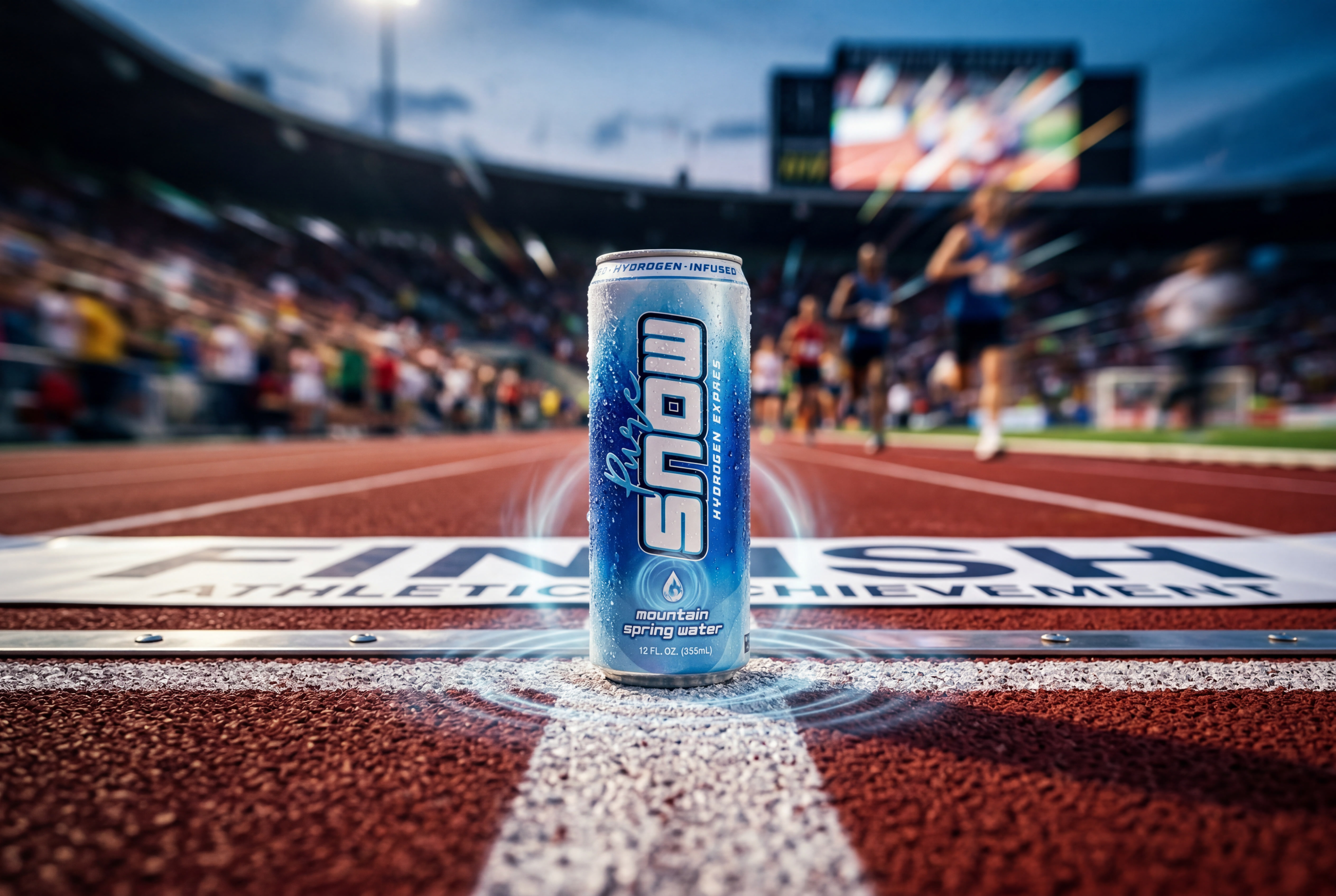
That said, not all hydrogen water products are created equal. Hydrogen gas is notoriously difficult to keep dissolved in water — it dissipates quickly when exposed to air, light, and temperature fluctuations. This is why packaging and concentration levels matter enormously. Products stored in plastic bottles or poorly sealed containers lose their hydrogen content rapidly, often long before they reach the consumer. Aluminum cans offer a superior seal that preserves dissolved hydrogen far more effectively. If you're curious about how Pure Snow approaches this, the science behind Pure Snow's hydrogen-infused water explains how their canning process and concentration levels are designed to maintain therapeutic potency from production to your first sip.
HOW OXIDATIVE STRESS SHOWS UP IN EVERYDAY LIFE
It's easy to think of oxidative stress as an abstract biological process, but its effects are surprisingly tangible. Chronic fatigue, slower post-exercise recovery, brain fog, premature skin aging, and persistent low-grade inflammation are all associated with elevated oxidative stress. Athletes are especially susceptible because intense physical activity generates significant free radical activity. But sedentary lifestyles, poor sleep, high-sugar diets, environmental pollution, and chronic stress also accelerate oxidative damage. For people dealing with any of these factors — which, realistically, is most of us — the appeal of a simple daily habit that may help regulate free radical activity is entirely rational, not just wellness wishful thinking.
WHAT THIS MEANS FOR YOUR DAILY ROUTINE
The honest answer is that hydrogen water isn't a cure-all. No single product is. But if the science on molecular hydrogen and oxidative stress continues to develop the way it has over the past decade, it's increasingly difficult to dismiss hydrogen-infused water as nothing more than a premium novelty. The mechanism is real. The selectivity is unique. And the delivery, when done correctly, can make H2 bioavailable in ways that support your body's antioxidant systems without overwhelming them. If you're ready to explore what consistent hydrogen water intake might do for you, try a 12-pack of Pure Snow hydrogen-infused mountain spring water and experience the difference a quality product makes.
KEY TAKEAWAY:
Molecular hydrogen targets the most damaging free radicals selectively and can reach cellular areas other antioxidants cannot, making hydrogen water a scientifically grounded approach to managing oxidative stress — not just a wellness trend.
If you're serious about understanding what you're putting in your body and why it matters, Pure Snow was built with that same commitment to transparency and quality. Visit Pure Snow's website to learn more about their hydrogen-infused mountain spring water and take the first step toward a more intentional hydration routine.
FAQ
Q: What is the connection between hydrogen water and oxidative stress?
A: Hydrogen water contains dissolved molecular hydrogen (H2), which research suggests can selectively neutralize the most harmful free radicals responsible for oxidative stress. Unlike broad antioxidants, H2 targets specific cytotoxic radicals without interfering with beneficial reactive oxygen species the body uses for normal signaling.
Q: How quickly does hydrogen water lose its antioxidant properties?
A: Dissolved hydrogen gas can dissipate relatively quickly when exposed to air, heat, or light — which is why packaging matters significantly. Aluminum cans provide a better seal than plastic bottles, helping maintain hydrogen concentration from production through consumption.
Q: Can drinking hydrogen water help with exercise-related oxidative stress?
A: Emerging research suggests hydrogen water may support recovery by reducing exercise-induced oxidative damage at the cellular level. Because molecular hydrogen can penetrate mitochondria — where much of the free radical activity during exercise occurs — it may be particularly well-suited for post-workout recovery support.