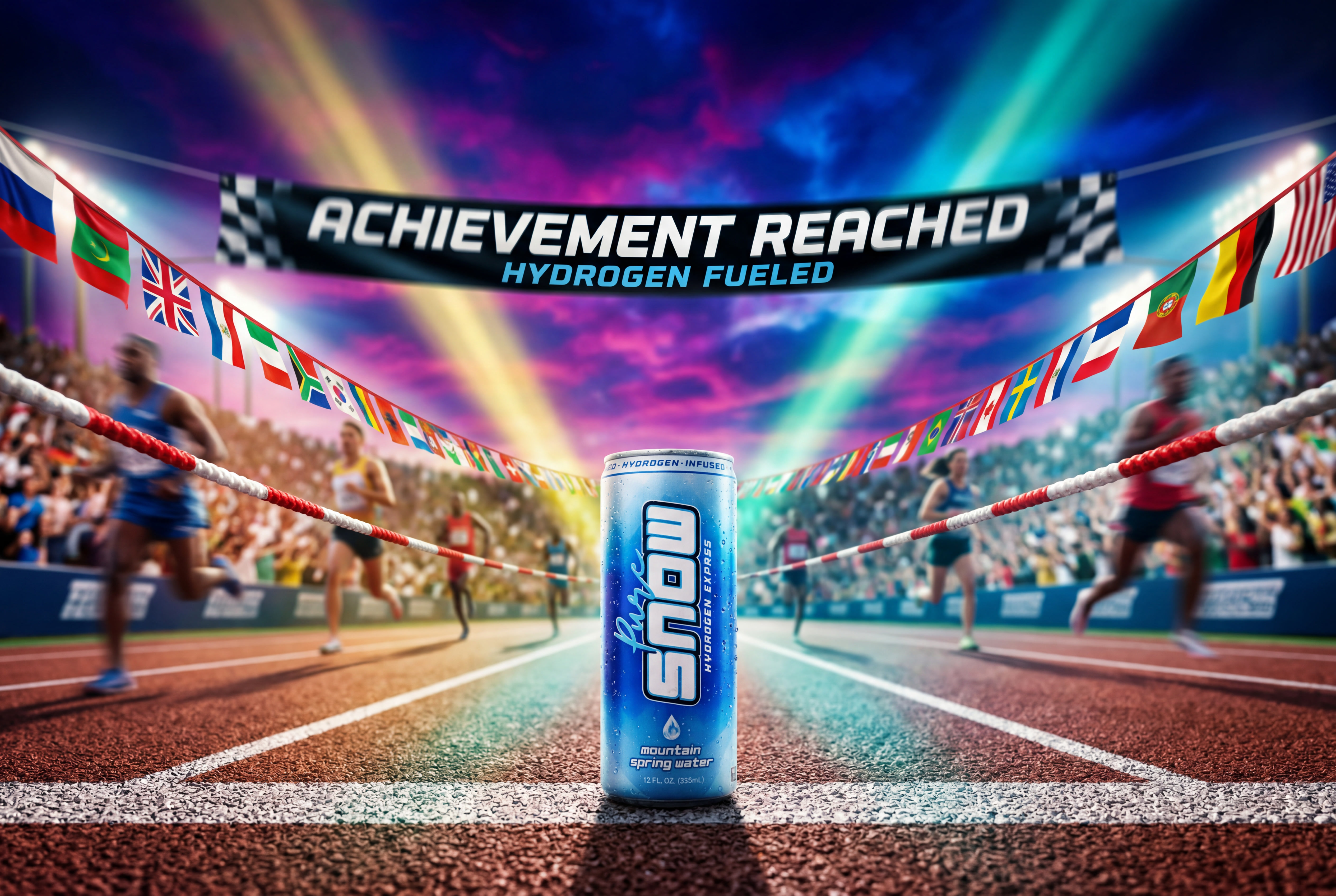
Hydrogen Water and Inflammation Research: 3 Common Myths Debunked
If you've been reading about hydrogen water and inflammation research this August 2026, you've probably noticed something frustrating: the conversation is full of extremes. On one side, enthusiastic claims that hydrogen water cures everything from joint pain to chronic disease. On the other, dismissive takes insisting it's nothing more than expensive water with a marketing budget. As is so often the case, the truth lives somewhere in the middle, and it's far more interesting than either extreme suggests. Today, we're taking a clear-eyed look at three of the most common myths surrounding hydrogen water and inflammation, and unpacking what the peer-reviewed research actually shows.
MYTH 1: HYDROGEN WATER IS JUST A PLACEBO WITH NO REAL MECHANISM
This is probably the most common criticism, and it's understandable. Water infused with a gas you can't see, taste, or smell sounds like the setup for a wellness scam. But molecular hydrogen (H2) has a well-documented biological rationale that has been studied in laboratories around the world for nearly two decades.
The turning point came in 2007, when researchers demonstrated that molecular hydrogen acts as a selective antioxidant, neutralizing some of the most damaging free radicals in the body, particularly hydroxyl radicals, without disrupting the beneficial reactive species your cells use for normal signaling. According to a landmark study published in Nature Medicine, hydrogen selectively reduced cytotoxic oxygen radicals and protected tissue from oxidative damage. That single paper kicked off a wave of research, and hundreds of studies have followed, examining hydrogen's effects on oxidative stress and inflammatory markers in both animal models and human trials.
Why does this matter for inflammation specifically? Oxidative stress and inflammation are deeply intertwined. Excess free radicals can activate inflammatory pathways like NF-kB, which ramps up production of pro-inflammatory cytokines such as TNF-alpha and IL-6. By helping neutralize the most reactive of those radicals, molecular hydrogen appears to dampen one of the upstream triggers of chronic, low-grade inflammation. That's not placebo territory. That's a plausible, studied mechanism.
Because hydrogen is the smallest molecule in existence, it also diffuses easily across cell membranes and even the blood-brain barrier, reaching places many conventional antioxidants can't. If you're curious about how that tiny molecule gets dissolved into water in the first place, our how it works page breaks down the science and why concentration, measured in PPM, matters so much.
MYTH 2: THE RESEARCH IS ALL HYPE AND NONE OF IT INVOLVES HUMANS
Skeptics sometimes claim hydrogen water research consists entirely of petri dishes and mice. That was a fair critique fifteen years ago. It isn't anymore.
Human clinical trials have examined hydrogen-rich water across a range of populations. Studies in adults with metabolic syndrome have reported reductions in markers of oxidative stress and improvements in inflammatory biomarkers after several weeks of daily hydrogen water consumption. Research in athletes has explored hydrogen water's effect on exercise-induced inflammation and muscle fatigue, with several trials showing reduced blood lactate levels and improved recovery markers. Other pilot studies have looked at rheumatoid arthritis, where participants drinking hydrogen-rich water showed decreases in oxidative stress markers alongside symptom improvements.
Now, honesty matters here, and it's part of why we write these posts the way we do. Many of these human studies are small, some lack ideal controls, and researchers consistently call for larger, longer trials. The scientific picture is promising and growing, not settled and final. Anyone telling you hydrogen water is a proven treatment for inflammatory disease is overstating the evidence. But anyone telling you there's no human research at all simply hasn't read the literature. The reality: a genuinely encouraging body of clinical work exists, and it keeps expanding every year.
MYTH 3: ALL HYDROGEN WATER DELIVERS THE SAME ANTI-INFLAMMATORY POTENTIAL
Here's the myth that trips up even people who believe in the science. Hydrogen water is not a single, standardized product. The variable that matters most is dissolved hydrogen concentration, and it varies wildly between products.
Molecular hydrogen is notoriously difficult to keep dissolved in water. It's the lightest element in the universe, and it escapes quickly through permeable packaging like standard plastic bottles. A product that left the factory with a meaningful hydrogen concentration may deliver a fraction of it by the time you drink it. Most of the human studies showing measurable effects on oxidative stress and inflammatory markers used water with concentrations in the range of 1 to 3 PPM or higher, consumed relatively soon after preparation or from packaging engineered to retain the gas.
This is exactly why packaging matters so much, and why Pure Snow hydrogen water comes in aluminum cans rather than plastic. Aluminum provides a far superior barrier against hydrogen escape, which means the concentration listed is much closer to the concentration you actually consume. If you're comparing products, don't just ask whether it's hydrogen water. Ask what the dissolved hydrogen concentration is at the time of drinking, because that's the number the research cares about.
SO WHAT SHOULD A THOUGHTFUL READER ACTUALLY TAKE FROM THE RESEARCH?
Stripped of both hype and cynicism, here's a fair summary of where hydrogen water and inflammation research stands today. First, molecular hydrogen has a legitimate, well-described mechanism: selective antioxidant activity that can influence upstream drivers of inflammation. Second, human clinical trials, while often small, have repeatedly shown reductions in oxidative stress markers and, in several studies, improvements in inflammatory biomarkers across populations ranging from athletes to adults with metabolic conditions. Third, hydrogen water is remarkably safe. Hydrogen gas has a long history of safe use, and no meaningful adverse effects have been reported at the concentrations found in hydrogen water.
The reasonable conclusion is that hydrogen water is a low-risk, science-backed addition to a healthy routine, not a replacement for medical care, exercise, sleep, or a good diet. It's one more tool that may help your body manage oxidative stress, which sits at the root of so much chronic inflammation. If you still have questions about dosage, timing, or how hydrogen water fits into your day, our frequently asked questions page covers the topics readers ask about most.
KEY TAKEAWAY: Hydrogen water is neither a miracle cure nor a placebo. Peer-reviewed research shows molecular hydrogen acts as a selective antioxidant that can reduce oxidative stress and inflammatory markers, but concentration and packaging determine whether you actually get a meaningful dose.
If you're ready to experience hydrogen water the way the research intended, with a high, stable concentration protected by aluminum from the moment it's canned, we'd love for you to give Pure Snow a try. Explore our mountain spring hydrogen water and see what a difference real science-backed hydration can make.
FAQ
Q: Does hydrogen water reduce inflammation immediately?
A: No single can will transform your inflammatory markers overnight. Most human studies showing benefits involved consistent daily consumption over several weeks. Think of hydrogen water as a long-term habit rather than a quick fix.
Q: How much hydrogen water do studies typically use?
A: Most clinical trials use roughly 0.5 to 1.5 liters per day of water containing 1 to 3 PPM of dissolved hydrogen. Consistency and concentration both matter, so choose a product that clearly states its PPM at the time of drinking.
Q: Is hydrogen water safe to drink alongside anti-inflammatory medications?
A: Hydrogen water has an excellent safety profile and no known harmful interactions, since it's simply water with dissolved hydrogen gas. That said, it should complement, not replace, any treatment plan, so always keep your doctor informed about your wellness routine.
Back to BlogMYTH 1: HYDROGEN WATER IS JUST A PLACEBO WITH NO REAL MECHANISM
This is probably the most common criticism, and it's understandable. Water infused with a gas you can't see, taste, or smell sounds like the setup for a wellness scam. But molecular hydrogen (H2) has a well-documented biological rationale that has been studied in laboratories around the world for nearly two decades.
The turning point came in 2007, when researchers demonstrated that molecular hydrogen acts as a selective antioxidant, neutralizing some of the most damaging free radicals in the body, particularly hydroxyl radicals, without disrupting the beneficial reactive species your cells use for normal signaling. According to a landmark study published in Nature Medicine, hydrogen selectively reduced cytotoxic oxygen radicals and protected tissue from oxidative damage. That single paper kicked off a wave of research, and hundreds of studies have followed, examining hydrogen's effects on oxidative stress and inflammatory markers in both animal models and human trials.
Why does this matter for inflammation specifically? Oxidative stress and inflammation are deeply intertwined. Excess free radicals can activate inflammatory pathways like NF-kB, which ramps up production of pro-inflammatory cytokines such as TNF-alpha and IL-6. By helping neutralize the most reactive of those radicals, molecular hydrogen appears to dampen one of the upstream triggers of chronic, low-grade inflammation. That's not placebo territory. That's a plausible, studied mechanism.
Because hydrogen is the smallest molecule in existence, it also diffuses easily across cell membranes and even the blood-brain barrier, reaching places many conventional antioxidants can't. If you're curious about how that tiny molecule gets dissolved into water in the first place, our how it works page breaks down the science and why concentration, measured in PPM, matters so much.
MYTH 2: THE RESEARCH IS ALL HYPE AND NONE OF IT INVOLVES HUMANS
Skeptics sometimes claim hydrogen water research consists entirely of petri dishes and mice. That was a fair critique fifteen years ago. It isn't anymore.
Human clinical trials have examined hydrogen-rich water across a range of populations. Studies in adults with metabolic syndrome have reported reductions in markers of oxidative stress and improvements in inflammatory biomarkers after several weeks of daily hydrogen water consumption. Research in athletes has explored hydrogen water's effect on exercise-induced inflammation and muscle fatigue, with several trials showing reduced blood lactate levels and improved recovery markers. Other pilot studies have looked at rheumatoid arthritis, where participants drinking hydrogen-rich water showed decreases in oxidative stress markers alongside symptom improvements.
Now, honesty matters here, and it's part of why we write these posts the way we do. Many of these human studies are small, some lack ideal controls, and researchers consistently call for larger, longer trials. The scientific picture is promising and growing, not settled and final. Anyone telling you hydrogen water is a proven treatment for inflammatory disease is overstating the evidence. But anyone telling you there's no human research at all simply hasn't read the literature. The reality: a genuinely encouraging body of clinical work exists, and it keeps expanding every year.
MYTH 3: ALL HYDROGEN WATER DELIVERS THE SAME ANTI-INFLAMMATORY POTENTIAL
Here's the myth that trips up even people who believe in the science. Hydrogen water is not a single, standardized product. The variable that matters most is dissolved hydrogen concentration, and it varies wildly between products.
Molecular hydrogen is notoriously difficult to keep dissolved in water. It's the lightest element in the universe, and it escapes quickly through permeable packaging like standard plastic bottles. A product that left the factory with a meaningful hydrogen concentration may deliver a fraction of it by the time you drink it. Most of the human studies showing measurable effects on oxidative stress and inflammatory markers used water with concentrations in the range of 1 to 3 PPM or higher, consumed relatively soon after preparation or from packaging engineered to retain the gas.
This is exactly why packaging matters so much, and why Pure Snow hydrogen water comes in aluminum cans rather than plastic. Aluminum provides a far superior barrier against hydrogen escape, which means the concentration listed is much closer to the concentration you actually consume. If you're comparing products, don't just ask whether it's hydrogen water. Ask what the dissolved hydrogen concentration is at the time of drinking, because that's the number the research cares about.
SO WHAT SHOULD A THOUGHTFUL READER ACTUALLY TAKE FROM THE RESEARCH?
Stripped of both hype and cynicism, here's a fair summary of where hydrogen water and inflammation research stands today. First, molecular hydrogen has a legitimate, well-described mechanism: selective antioxidant activity that can influence upstream drivers of inflammation. Second, human clinical trials, while often small, have repeatedly shown reductions in oxidative stress markers and, in several studies, improvements in inflammatory biomarkers across populations ranging from athletes to adults with metabolic conditions. Third, hydrogen water is remarkably safe. Hydrogen gas has a long history of safe use, and no meaningful adverse effects have been reported at the concentrations found in hydrogen water.
The reasonable conclusion is that hydrogen water is a low-risk, science-backed addition to a healthy routine, not a replacement for medical care, exercise, sleep, or a good diet. It's one more tool that may help your body manage oxidative stress, which sits at the root of so much chronic inflammation. If you still have questions about dosage, timing, or how hydrogen water fits into your day, our frequently asked questions page covers the topics readers ask about most.
KEY TAKEAWAY: Hydrogen water is neither a miracle cure nor a placebo. Peer-reviewed research shows molecular hydrogen acts as a selective antioxidant that can reduce oxidative stress and inflammatory markers, but concentration and packaging determine whether you actually get a meaningful dose.
If you're ready to experience hydrogen water the way the research intended, with a high, stable concentration protected by aluminum from the moment it's canned, we'd love for you to give Pure Snow a try. Explore our mountain spring hydrogen water and see what a difference real science-backed hydration can make.
FAQ
Q: Does hydrogen water reduce inflammation immediately?
A: No single can will transform your inflammatory markers overnight. Most human studies showing benefits involved consistent daily consumption over several weeks. Think of hydrogen water as a long-term habit rather than a quick fix.
Q: How much hydrogen water do studies typically use?
A: Most clinical trials use roughly 0.5 to 1.5 liters per day of water containing 1 to 3 PPM of dissolved hydrogen. Consistency and concentration both matter, so choose a product that clearly states its PPM at the time of drinking.
Q: Is hydrogen water safe to drink alongside anti-inflammatory medications?
A: Hydrogen water has an excellent safety profile and no known harmful interactions, since it's simply water with dissolved hydrogen gas. That said, it should complement, not replace, any treatment plan, so always keep your doctor informed about your wellness routine.