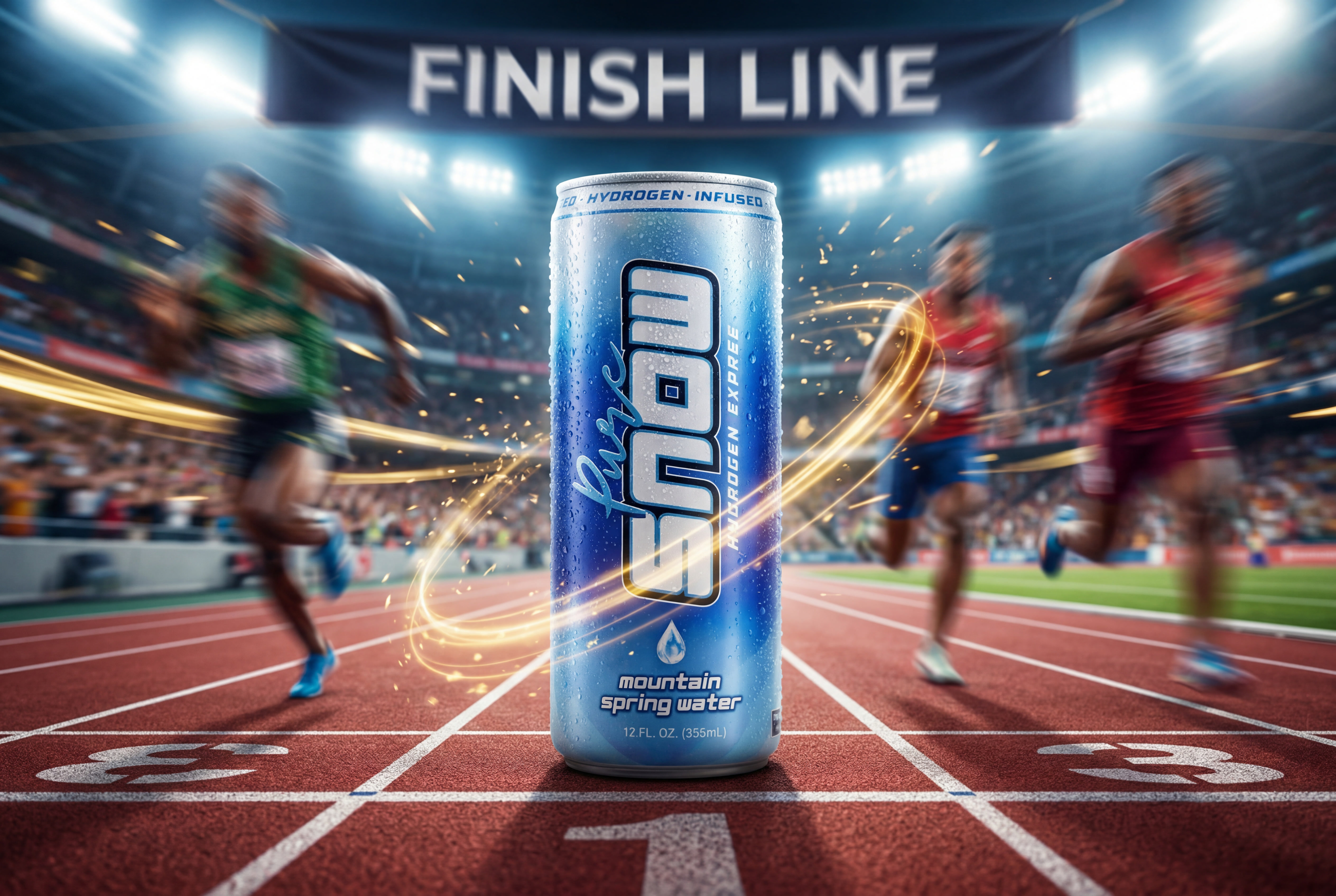
Hydrogen Water and Cellular Health: What's Really Happening Inside Your Body
If you've been paying attention to the wellness space in June 2026, you've probably noticed hydrogen water showing up everywhere — from athletic recovery circles to longevity-focused communities. But beyond the buzz, there's a genuinely fascinating story happening at the cellular level. Understanding how hydrogen water interacts with your body's cells helps explain why so many people are making it a daily habit, and why the science behind it continues to attract serious research attention.
WHAT DOES "CELLULAR HEALTH" ACTUALLY MEAN?
Cellular health refers to how well your individual cells are functioning — their ability to produce energy, repair damage, communicate with each other, and resist stress. Every tissue, organ, and system in your body depends on healthy cells doing their jobs correctly. When cells are under chronic stress — from poor diet, environmental toxins, intense exercise, or simply aging — their function declines. That decline shows up as fatigue, brain fog, slower recovery, and over time, more serious health concerns. Supporting cellular health means giving your cells the conditions they need to stay resilient, repair efficiently, and operate at full capacity.
THE ROLE OF OXIDATIVE STRESS IN CELLULAR DAMAGE
One of the biggest threats to cellular health is oxidative stress. This occurs when there's an imbalance between free radicals — unstable molecules produced during normal metabolism and intensified by stress, pollution, and exercise — and the antioxidants your body uses to neutralize them. Free radicals don't discriminate. They can damage cell membranes, mitochondrial DNA, and proteins, disrupting the very machinery that keeps your cells alive and functional. This is where molecular hydrogen enters the picture in a genuinely interesting way.
HOW MOLECULAR HYDROGEN TARGETS CELLULAR STRESS
Molecular hydrogen (H2) is the smallest molecule in existence, which gives it a remarkable ability that most antioxidants lack: it can penetrate cell membranes, cross the blood-brain barrier, and even enter mitochondria — the energy-producing organelles inside your cells. Once inside, hydrogen selectively neutralizes the most harmful free radicals, particularly hydroxyl radicals and peroxynitrite, without disrupting the beneficial reactive oxygen species your body uses for signaling and immune function. This selectivity is considered one of hydrogen's most clinically significant properties. According to a study published in Free Radical Research, molecular hydrogen acts as a therapeutic antioxidant by selectively reducing cytotoxic oxygen radicals, suggesting meaningful implications for oxidative stress-related cellular damage.
MITOCHONDRIA: THE CELLULAR HEALTH CONNECTION
Your mitochondria are ground zero for cellular energy production. They convert nutrients into ATP — the fuel your cells run on. Mitochondria are also among the most vulnerable structures in the cell when it comes to oxidative damage, and declining mitochondrial function is closely linked to aging, fatigue, and chronic disease. Because molecular hydrogen is small enough to enter mitochondria directly, researchers believe it may help protect mitochondrial DNA and support more efficient energy production. For people who struggle with low energy or slow recovery, this mitochondrial connection is particularly relevant. It's not a stimulant effect — it's cellular support working from the inside out.
INFLAMMATION, GENE EXPRESSION, AND THE BIGGER PICTURE
Hydrogen's influence on cellular health doesn't stop at antioxidant activity. Research has shown that molecular hydrogen may also modulate gene expression related to inflammation and cellular stress response. Specifically, it appears to activate Nrf2, a transcription factor that signals cells to produce their own protective antioxidant enzymes. This means hydrogen water may not just neutralize existing free radicals — it may help your cells become more resilient over time by upregulating their natural defense systems. This is a meaningful distinction from simply taking a vitamin C supplement, for example. The conversation is happening at the level of cellular signaling.
WHY CONCENTRATION AND DELIVERY MATTER
Not all hydrogen water is created equal. For hydrogen to reach your cells, it needs to be present in the water at a meaningful concentration — typically measured in parts per million (PPM) — and it needs to stay stable until the moment you drink it. Hydrogen is a gas, and it dissipates quickly when exposed to air or stored in permeable containers. This is why packaging matters enormously. Aluminum cans provide an airtight, impermeable seal that preserves hydrogen concentration better than plastic bottles, which allow hydrogen to escape over time. Learn more about how Pure Snow approaches hydrogen concentration and packaging to ensure what's on the label actually reaches your cells.
WHAT THIS MEANS FOR YOUR DAILY WELLNESS ROUTINE
Supporting cellular health isn't about one dramatic intervention — it's about consistent, daily habits that reduce the burden of oxidative stress over time. Drinking hydrogen water regularly gives your cells ongoing access to a molecule that works at their level, in places most supplements simply can't reach. Whether you're an athlete looking to recover faster, someone managing the effects of a demanding lifestyle, or simply someone who wants to invest in long-term wellness, cellular health is the right place to focus your attention. Pure Snow hydrogen-infused mountain spring water is designed with exactly this kind of cellular-level thinking in mind — clean water, meaningful hydrogen concentration, and packaging that protects both.
KEY TAKEAWAY: Molecular hydrogen supports cellular health by penetrating cell membranes and mitochondria to selectively neutralize the most damaging free radicals, offering a type of antioxidant support that operates at a level most conventional supplements cannot reach.
If you're ready to experience the difference that cellular-level hydration can make, we'd love for you to explore what Pure Snow has to offer. Try a 12-pack of Pure Snow hydrogen-infused mountain spring water and give your cells the support they deserve.
FAQ
Q: How does hydrogen water support cellular health differently than regular antioxidant supplements?
A: Most antioxidant supplements are too large to penetrate cell membranes or enter mitochondria. Molecular hydrogen is the smallest molecule in existence, allowing it to reach cellular structures — including mitochondrial DNA — that other antioxidants simply cannot access.
Q: How much hydrogen water do you need to drink to see cellular benefits?
A: Research suggests that consistency matters more than large single doses. Drinking one to two cans of high-concentration hydrogen water daily provides ongoing antioxidant support, though individual needs may vary based on activity level and overall health.
Q: Does hydrogen water lose its effectiveness before I drink it?
A: Yes, hydrogen is a gas and will escape from water over time, especially through permeable containers like plastic bottles. Aluminum cans provide an airtight seal that preserves hydrogen concentration significantly better, which is why Pure Snow uses sealed aluminum cans for its hydrogen-infused water.