How Much Hydrogen Water Should You Drink Per Day? Your Questions Answered
If you've recently discovered hydrogen water, chances are you've found yourself asking the same questions almost everyone asks at the start: How much hydrogen water should I actually drink per day? Is one can enough, or do I need several? And does it matter when I drink it? As interest in molecular hydrogen continues to grow this October 2026, these are the questions we hear most often from new Pure Snow customers, and they deserve clear, honest answers grounded in what the research actually shows. Let's tackle each one.
HOW MUCH HYDROGEN WATER SHOULD YOU DRINK PER DAY?
The short answer: most research on molecular hydrogen uses between 1 and 3 servings of hydrogen-rich water per day, which typically translates to roughly 1 to 3 milligrams of dissolved hydrogen daily. The longer answer is that the amount of water matters less than the amount of hydrogen dissolved in that water. This is where concentration, measured in parts per million or PPM, becomes the key variable.
A can of hydrogen water with a high concentration delivers meaningfully more molecular hydrogen per serving than a weakly infused bottle, which means you can drink less water while still reaching a therapeutic intake. To put numbers on it: a 500 ml serving at 2 PPM delivers about 1 milligram of molecular hydrogen, which falls squarely within the range used in many human studies. If your hydrogen water is only infused at 0.5 PPM, you'd need to drink four times as much to get the same dose. That's why understanding how hydrogen water is made and measured is so important before deciding how many servings you need.
For most healthy adults, one to two cans of high-concentration hydrogen water per day is a sensible, research-aligned starting point. Athletes, people managing high levels of oxidative stress, or those drinking hydrogen water for recovery purposes sometimes move toward the higher end of two to three servings daily.
IS ONE SERVING ENOUGH, OR DO I NEED SEVERAL?
This depends on your goals and your product's concentration. Molecular hydrogen is unusual among supplements in that it doesn't accumulate in the body. It's the smallest molecule in existence, it diffuses rapidly through tissues, and whatever isn't used is exhaled through your breath within about an hour. That means hydrogen water works more like a wave than a reservoir: each serving creates a temporary spike of hydrogen availability in your system.
Because of this, many researchers believe that spacing servings throughout the day may be more useful than drinking a large amount all at once. One can in the morning and one in the afternoon, for example, creates two distinct hydrogen exposures rather than a single larger one. Foundational research, including the landmark study published in Nature Medicine that first demonstrated molecular hydrogen's ability to selectively neutralize harmful free radicals, helped establish that even relatively modest hydrogen exposures can produce measurable antioxidant effects. You don't need enormous quantities; you need consistent, adequately concentrated servings.
If you're drinking a premium product with a high dissolved hydrogen concentration, one serving per day is a legitimate starting point. If you're experimenting with lower-concentration products, you may need multiple servings just to reach the intake levels studies typically use, which can get expensive and impractical quickly.
DOES TIMING MATTER?
To a degree, yes. Because hydrogen clears from the body quickly, timing your intake around moments when oxidative stress is elevated may help you get more from each serving. Here are the windows most people find useful.
First thing in the morning: drinking hydrogen water on an empty stomach may improve absorption, and it's an easy habit to anchor to your routine. Before or after exercise: physical exertion temporarily increases oxidative stress, and several studies on athletic recovery have had participants drink hydrogen water shortly before or after training sessions. During the afternoon slump: some users report drinking a serving mid-afternoon as part of their focus and energy routine.
That said, don't overthink it. Consistency beats perfect timing. The people who report the most noticeable benefits are almost always the ones who drink hydrogen water daily over weeks and months, not the ones who optimize the clock but drink it sporadically.
CAN YOU DRINK TOO MUCH HYDROGEN WATER?
Molecular hydrogen has an excellent safety profile. It occurs naturally in your body as a byproduct of gut bacteria fermentation, it has no known toxicity at the concentrations found in hydrogen water, and excess hydrogen is simply exhaled. Regulatory bodies in multiple countries have recognized hydrogen as safe for use in beverages. The practical ceiling on hydrogen water intake is really just the same ceiling that applies to water in general: drinking extreme volumes of any water in a short period isn't wise. Within normal hydration habits, there's no established upper limit of concern for the hydrogen itself.
In other words, the question isn't really whether you can drink too much. It's whether you're drinking enough, at a high enough concentration, consistently enough to matter.
WHY CONCENTRATION CHANGES THE MATH
It's worth repeating because it's the single most misunderstood part of this topic: two hydrogen waters can look identical on the shelf and deliver wildly different hydrogen doses. Hydrogen gas escapes easily from water, especially through plastic bottles, which are slightly permeable to the tiny hydrogen molecule. Aluminum cans, by contrast, create an impermeable barrier that locks hydrogen in until the moment you open it. This is one of the core reasons Pure Snow is packaged in aluminum, and why we're transparent about our concentration levels. If you're comparing products or trying to calculate your daily intake, our frequently asked questions page breaks down the details, and it's worth factoring packaging and PPM into any cost-per-milligram comparison before you commit to a daily routine.
A SIMPLE DAILY FRAMEWORK
If you want a straightforward plan to start with, try this. Week one: drink one can of high-concentration hydrogen water each morning. Weeks two through four: add a second can before or after exercise, or in the mid-afternoon. After one month: assess how you feel in terms of recovery, energy, and general wellbeing, and adjust from there. Some people settle happily at one can per day; others find two or three servings fits their lifestyle and goals better. Because hydrogen water is simply water plus dissolved hydrogen gas, it also counts fully toward your normal daily hydration, so it replaces rather than adds to your fluid intake.
KEY TAKEAWAY: Most research supports roughly 1 to 3 milligrams of molecular hydrogen daily, which means one to two cans of high-concentration hydrogen water is enough for most people. Concentration and consistency matter far more than sheer volume.
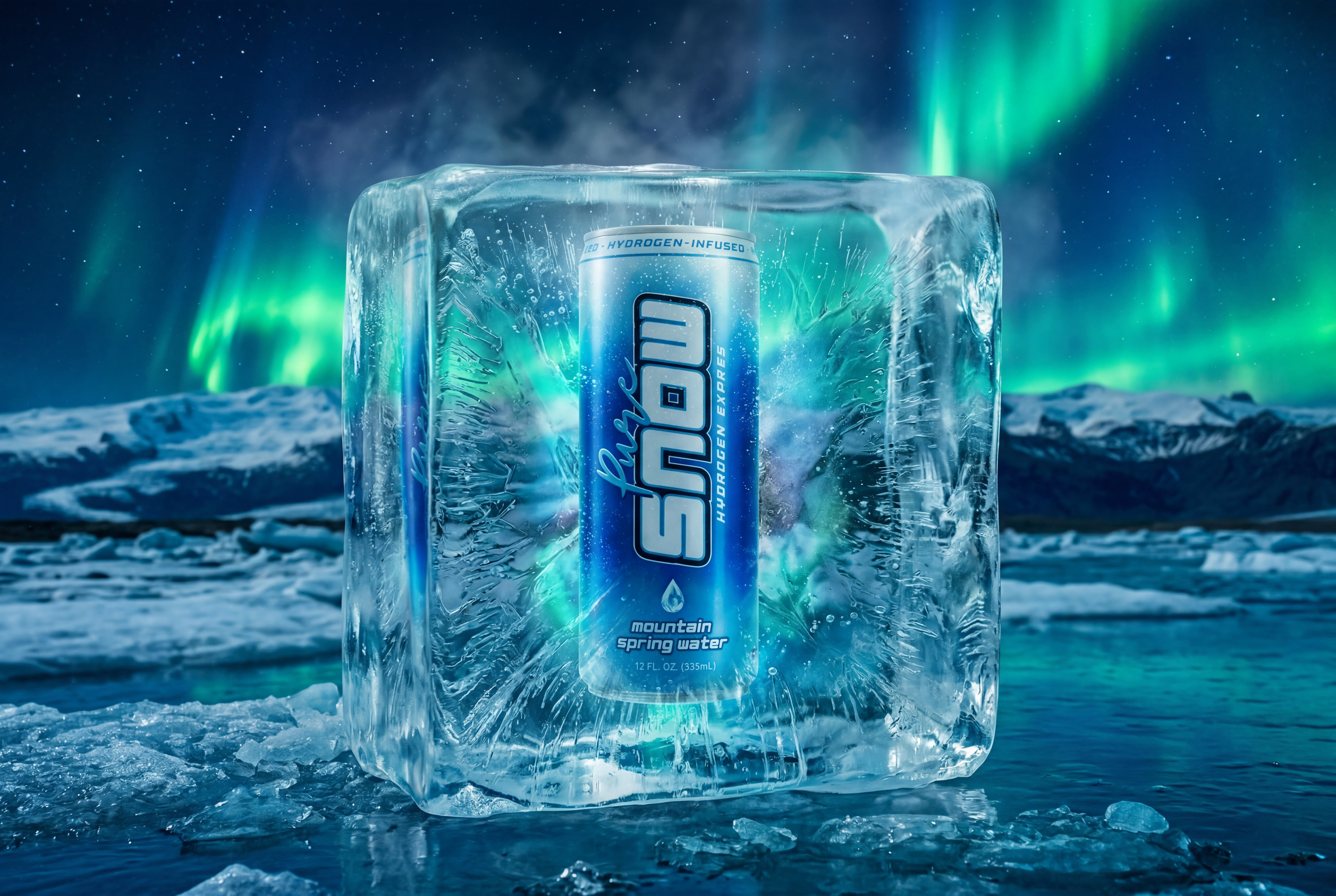
Ready to build your own daily hydrogen routine with mountain spring water infused at a concentration that actually matches the research? Explore Pure Snow hydrogen water and taste the difference a premium can makes.
FAQ
Q: Can I drink hydrogen water instead of regular water?
A: Yes. Hydrogen water is simply high-quality water with dissolved molecular hydrogen, so it hydrates you exactly like regular water. It counts fully toward your daily fluid intake, though most people drink a mix of both for cost reasons.
Q: Should I drink hydrogen water all at once or sip it slowly?
A: Drink it relatively soon after opening, within about 30 minutes, because hydrogen gas escapes once the can is open. Sipping over several hours means much of the hydrogen will have dissipated before you finish.
Q: Will I notice benefits from one can a day?
A: Many people do, especially with a high-concentration product consumed consistently over several weeks. Molecular hydrogen's effects are subtle and cumulative, so give any daily routine at least three to four weeks before evaluating results.
Back to BlogHOW MUCH HYDROGEN WATER SHOULD YOU DRINK PER DAY?
The short answer: most research on molecular hydrogen uses between 1 and 3 servings of hydrogen-rich water per day, which typically translates to roughly 1 to 3 milligrams of dissolved hydrogen daily. The longer answer is that the amount of water matters less than the amount of hydrogen dissolved in that water. This is where concentration, measured in parts per million or PPM, becomes the key variable.
A can of hydrogen water with a high concentration delivers meaningfully more molecular hydrogen per serving than a weakly infused bottle, which means you can drink less water while still reaching a therapeutic intake. To put numbers on it: a 500 ml serving at 2 PPM delivers about 1 milligram of molecular hydrogen, which falls squarely within the range used in many human studies. If your hydrogen water is only infused at 0.5 PPM, you'd need to drink four times as much to get the same dose. That's why understanding how hydrogen water is made and measured is so important before deciding how many servings you need.
For most healthy adults, one to two cans of high-concentration hydrogen water per day is a sensible, research-aligned starting point. Athletes, people managing high levels of oxidative stress, or those drinking hydrogen water for recovery purposes sometimes move toward the higher end of two to three servings daily.
IS ONE SERVING ENOUGH, OR DO I NEED SEVERAL?
This depends on your goals and your product's concentration. Molecular hydrogen is unusual among supplements in that it doesn't accumulate in the body. It's the smallest molecule in existence, it diffuses rapidly through tissues, and whatever isn't used is exhaled through your breath within about an hour. That means hydrogen water works more like a wave than a reservoir: each serving creates a temporary spike of hydrogen availability in your system.
Because of this, many researchers believe that spacing servings throughout the day may be more useful than drinking a large amount all at once. One can in the morning and one in the afternoon, for example, creates two distinct hydrogen exposures rather than a single larger one. Foundational research, including the landmark study published in Nature Medicine that first demonstrated molecular hydrogen's ability to selectively neutralize harmful free radicals, helped establish that even relatively modest hydrogen exposures can produce measurable antioxidant effects. You don't need enormous quantities; you need consistent, adequately concentrated servings.
If you're drinking a premium product with a high dissolved hydrogen concentration, one serving per day is a legitimate starting point. If you're experimenting with lower-concentration products, you may need multiple servings just to reach the intake levels studies typically use, which can get expensive and impractical quickly.
DOES TIMING MATTER?
To a degree, yes. Because hydrogen clears from the body quickly, timing your intake around moments when oxidative stress is elevated may help you get more from each serving. Here are the windows most people find useful.
First thing in the morning: drinking hydrogen water on an empty stomach may improve absorption, and it's an easy habit to anchor to your routine. Before or after exercise: physical exertion temporarily increases oxidative stress, and several studies on athletic recovery have had participants drink hydrogen water shortly before or after training sessions. During the afternoon slump: some users report drinking a serving mid-afternoon as part of their focus and energy routine.
That said, don't overthink it. Consistency beats perfect timing. The people who report the most noticeable benefits are almost always the ones who drink hydrogen water daily over weeks and months, not the ones who optimize the clock but drink it sporadically.
CAN YOU DRINK TOO MUCH HYDROGEN WATER?
Molecular hydrogen has an excellent safety profile. It occurs naturally in your body as a byproduct of gut bacteria fermentation, it has no known toxicity at the concentrations found in hydrogen water, and excess hydrogen is simply exhaled. Regulatory bodies in multiple countries have recognized hydrogen as safe for use in beverages. The practical ceiling on hydrogen water intake is really just the same ceiling that applies to water in general: drinking extreme volumes of any water in a short period isn't wise. Within normal hydration habits, there's no established upper limit of concern for the hydrogen itself.
In other words, the question isn't really whether you can drink too much. It's whether you're drinking enough, at a high enough concentration, consistently enough to matter.
WHY CONCENTRATION CHANGES THE MATH
It's worth repeating because it's the single most misunderstood part of this topic: two hydrogen waters can look identical on the shelf and deliver wildly different hydrogen doses. Hydrogen gas escapes easily from water, especially through plastic bottles, which are slightly permeable to the tiny hydrogen molecule. Aluminum cans, by contrast, create an impermeable barrier that locks hydrogen in until the moment you open it. This is one of the core reasons Pure Snow is packaged in aluminum, and why we're transparent about our concentration levels. If you're comparing products or trying to calculate your daily intake, our frequently asked questions page breaks down the details, and it's worth factoring packaging and PPM into any cost-per-milligram comparison before you commit to a daily routine.
A SIMPLE DAILY FRAMEWORK
If you want a straightforward plan to start with, try this. Week one: drink one can of high-concentration hydrogen water each morning. Weeks two through four: add a second can before or after exercise, or in the mid-afternoon. After one month: assess how you feel in terms of recovery, energy, and general wellbeing, and adjust from there. Some people settle happily at one can per day; others find two or three servings fits their lifestyle and goals better. Because hydrogen water is simply water plus dissolved hydrogen gas, it also counts fully toward your normal daily hydration, so it replaces rather than adds to your fluid intake.
KEY TAKEAWAY: Most research supports roughly 1 to 3 milligrams of molecular hydrogen daily, which means one to two cans of high-concentration hydrogen water is enough for most people. Concentration and consistency matter far more than sheer volume.
Ready to build your own daily hydrogen routine with mountain spring water infused at a concentration that actually matches the research? Explore Pure Snow hydrogen water and taste the difference a premium can makes.
FAQ
Q: Can I drink hydrogen water instead of regular water?
A: Yes. Hydrogen water is simply high-quality water with dissolved molecular hydrogen, so it hydrates you exactly like regular water. It counts fully toward your daily fluid intake, though most people drink a mix of both for cost reasons.
Q: Should I drink hydrogen water all at once or sip it slowly?
A: Drink it relatively soon after opening, within about 30 minutes, because hydrogen gas escapes once the can is open. Sipping over several hours means much of the hydrogen will have dissipated before you finish.
Q: Will I notice benefits from one can a day?
A: Many people do, especially with a high-concentration product consumed consistently over several weeks. Molecular hydrogen's effects are subtle and cumulative, so give any daily routine at least three to four weeks before evaluating results.