How Much Hydrogen Water Should You Drink Per Day? Common Questions Answered
If you've recently discovered hydrogen water, you probably have questions. Is one can a day enough? Can you drink too much? Does timing matter? These are the three questions we hear most often from readers, and this August 2026 feels like the perfect time to answer them clearly, because interest in molecular hydrogen has never been higher and the amount of conflicting advice online has never been more confusing. In this post, we'll walk through each of these common questions using what the current research actually suggests, so you can build a hydrogen water routine that makes sense for your body and your lifestyle.
QUESTION ONE: HOW MUCH HYDROGEN WATER DO I ACTUALLY NEED PER DAY?
Here's the honest answer: there is no single officially established daily dose of hydrogen water, but the research gives us a very useful range to work with. Most human studies exploring the benefits of molecular hydrogen have used between 1 and 3 milligrams of dissolved hydrogen per day, typically delivered through 500 milliliters to 1.5 liters of hydrogen-rich water. The foundational research in this field, including a landmark study published in Nature Medicine, demonstrated that molecular hydrogen can act as a selective antioxidant, neutralizing harmful free radicals while leaving beneficial signaling molecules alone. Follow-up human trials have generally aimed for that 1 to 3 milligram daily window when studying outcomes like exercise recovery, oxidative stress markers, and metabolic health.
What does that mean in practical terms? It depends heavily on the concentration of the water you're drinking. Concentration is measured in PPM, or parts per million, and this is where many people get tripped up. A hydrogen water with a concentration of 1 PPM contains roughly 1 milligram of hydrogen per liter. A higher-concentration product, say 2 to 3 PPM, delivers meaningfully more hydrogen per serving, which means you can reach the research-backed range with less volume. If you want a deeper explanation of what PPM means and why it matters so much, our breakdown of how hydrogen water works covers the science in plain language.
For most people, one to two servings of a well-made, high-concentration hydrogen water per day lands comfortably within the range used in clinical research. If you're drinking a lower-concentration product, you may need considerably more volume to get the same amount of dissolved hydrogen, which is one reason concentration matters more than total ounces consumed.
QUESTION TWO: CAN YOU DRINK TOO MUCH HYDROGEN WATER?
This is a fair concern, and the reassuring answer is that molecular hydrogen has an outstanding safety profile. Hydrogen gas is not foreign to your body. Your gut bacteria naturally produce hydrogen every day as part of normal digestion, so your system is already well acquainted with it. Any hydrogen your body doesn't use is simply exhaled through your lungs. It doesn't accumulate, it doesn't strain your kidneys or liver, and studies to date have reported no toxicity at the doses used in hydrogen water.
That said, more is not automatically better. Once you've reached a saturating dose, drinking additional hydrogen water doesn't appear to stack extra benefits on top. The hydrogen simply gets exhaled. This is actually good news for your routine and your budget: rather than chugging hydrogen water all day, you're better off drinking one or two properly concentrated servings and then hydrating normally with regular water for the rest of the day. Consistency over weeks and months, not massive single-day intake, is what the research associates with measurable outcomes.
One important caveat: hydrogen water is a complement to healthy habits, not a replacement for them. It won't offset poor sleep, a nutrient-poor diet, or chronic stress. Think of it as one well-supported tool in a broader wellness toolkit.
QUESTION THREE: DOES IT MATTER WHEN YOU DRINK IT?
Timing matters less than consistency, but there are a few smart strategies worth knowing. First, hydrogen is a fast-moving molecule. It's the smallest molecule in existence, which is exactly why it can diffuse into cells and tissues so easily, but it also means it escapes from water quickly once a container is opened. Drink your hydrogen water promptly after opening rather than sipping it slowly over several hours. An opened can that sits on your desk all afternoon will have lost most of its dissolved hydrogen by the time you finish it.
Second, many people time their hydrogen water around exercise. Several studies on athletic performance and recovery had participants drink hydrogen water shortly before or after training sessions, when oxidative stress is elevated. If you're active, drinking a serving within an hour of your workout is a reasonable, research-informed habit.
Third, drinking on a relatively empty stomach may allow for faster absorption, so first thing in the morning is a popular choice. But honestly, the best time to drink hydrogen water is whichever time you'll actually remember to do it every day.
WHY CONCENTRATION AND PACKAGING CHANGE THE MATH
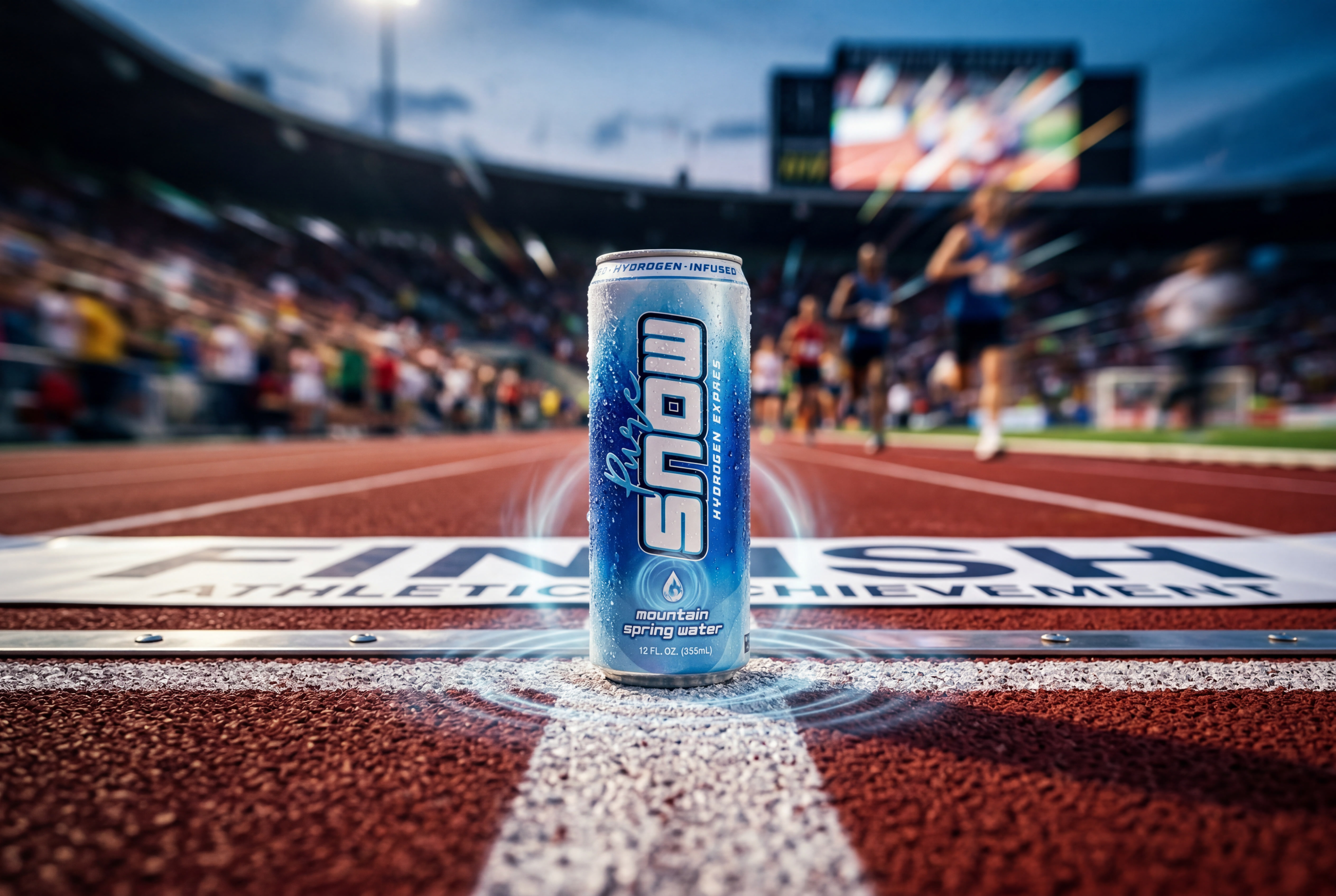
Here's something most articles on daily dosage skip: the amount of hydrogen listed on a label only matters if that hydrogen is still in the water when you drink it. Molecular hydrogen escapes through plastic over time, which is why serious hydrogen water products use aluminum. Aluminum cans create an airtight, impermeable barrier that keeps hydrogen locked in solution until the moment you open it. This is a core reason Pure Snow chose infused mountain spring water in aluminum cans, and it's why we encourage readers to check concentration and packaging before assuming any hydrogen water will deliver a therapeutic dose. If you have more questions about storage, shelf life, or serving sizes, our frequently asked questions page covers the details.
When you factor in concentration and packaging together, the daily math becomes simple. A high-PPM hydrogen water in an aluminum can, consumed fresh, means one to two servings per day reliably puts you in the range used in human studies. A low-concentration product in plastic, opened and sipped slowly, may deliver almost no hydrogen at all, no matter how much you drink.
BUILDING YOUR DAILY ROUTINE
Putting it all together, here's a sensible starting framework. Begin with one serving of high-concentration hydrogen water per day, consumed promptly after opening. If you're athletic or dealing with elevated physical stress, consider a second serving timed around your training. Stay consistent for at least four to eight weeks, since that's the timeframe most studies used before measuring outcomes. And keep drinking regular water throughout the day for baseline hydration, because hydrogen water is about the hydrogen, not about replacing your total water intake.
KEY TAKEAWAY: Research suggests 1 to 3 milligrams of molecular hydrogen daily, which most people can reach with one to two servings of high-concentration hydrogen water consumed fresh from an airtight aluminum can. Consistency over weeks matters far more than drinking large volumes in a single day.
Ready to make hydrogen water an effortless part of your daily routine? Explore Pure Snow hydrogen-infused mountain spring water and taste what premium concentration and pristine sourcing feel like for yourself.
FAQ
Q: Is it safe to drink hydrogen water every day?
A: Yes, molecular hydrogen has an excellent safety record in human studies, and your body already produces hydrogen naturally through gut bacteria. Any excess is simply exhaled through your lungs, so daily consumption at typical serving sizes is considered safe.
Q: Should I drink hydrogen water instead of regular water?
A: No, hydrogen water is a supplement to your hydration routine, not a replacement for it. Drink one to two servings of hydrogen water for the dissolved hydrogen, then continue drinking regular water throughout the day for baseline hydration.
Q: How quickly should I drink hydrogen water after opening it?
A: Drink it within about 15 to 30 minutes of opening for maximum benefit. Molecular hydrogen is the smallest molecule in existence and escapes from open containers quickly, so an opened can loses potency the longer it sits.
Back to BlogQUESTION ONE: HOW MUCH HYDROGEN WATER DO I ACTUALLY NEED PER DAY?
Here's the honest answer: there is no single officially established daily dose of hydrogen water, but the research gives us a very useful range to work with. Most human studies exploring the benefits of molecular hydrogen have used between 1 and 3 milligrams of dissolved hydrogen per day, typically delivered through 500 milliliters to 1.5 liters of hydrogen-rich water. The foundational research in this field, including a landmark study published in Nature Medicine, demonstrated that molecular hydrogen can act as a selective antioxidant, neutralizing harmful free radicals while leaving beneficial signaling molecules alone. Follow-up human trials have generally aimed for that 1 to 3 milligram daily window when studying outcomes like exercise recovery, oxidative stress markers, and metabolic health.
What does that mean in practical terms? It depends heavily on the concentration of the water you're drinking. Concentration is measured in PPM, or parts per million, and this is where many people get tripped up. A hydrogen water with a concentration of 1 PPM contains roughly 1 milligram of hydrogen per liter. A higher-concentration product, say 2 to 3 PPM, delivers meaningfully more hydrogen per serving, which means you can reach the research-backed range with less volume. If you want a deeper explanation of what PPM means and why it matters so much, our breakdown of how hydrogen water works covers the science in plain language.
For most people, one to two servings of a well-made, high-concentration hydrogen water per day lands comfortably within the range used in clinical research. If you're drinking a lower-concentration product, you may need considerably more volume to get the same amount of dissolved hydrogen, which is one reason concentration matters more than total ounces consumed.
QUESTION TWO: CAN YOU DRINK TOO MUCH HYDROGEN WATER?
This is a fair concern, and the reassuring answer is that molecular hydrogen has an outstanding safety profile. Hydrogen gas is not foreign to your body. Your gut bacteria naturally produce hydrogen every day as part of normal digestion, so your system is already well acquainted with it. Any hydrogen your body doesn't use is simply exhaled through your lungs. It doesn't accumulate, it doesn't strain your kidneys or liver, and studies to date have reported no toxicity at the doses used in hydrogen water.
That said, more is not automatically better. Once you've reached a saturating dose, drinking additional hydrogen water doesn't appear to stack extra benefits on top. The hydrogen simply gets exhaled. This is actually good news for your routine and your budget: rather than chugging hydrogen water all day, you're better off drinking one or two properly concentrated servings and then hydrating normally with regular water for the rest of the day. Consistency over weeks and months, not massive single-day intake, is what the research associates with measurable outcomes.
One important caveat: hydrogen water is a complement to healthy habits, not a replacement for them. It won't offset poor sleep, a nutrient-poor diet, or chronic stress. Think of it as one well-supported tool in a broader wellness toolkit.
QUESTION THREE: DOES IT MATTER WHEN YOU DRINK IT?
Timing matters less than consistency, but there are a few smart strategies worth knowing. First, hydrogen is a fast-moving molecule. It's the smallest molecule in existence, which is exactly why it can diffuse into cells and tissues so easily, but it also means it escapes from water quickly once a container is opened. Drink your hydrogen water promptly after opening rather than sipping it slowly over several hours. An opened can that sits on your desk all afternoon will have lost most of its dissolved hydrogen by the time you finish it.
Second, many people time their hydrogen water around exercise. Several studies on athletic performance and recovery had participants drink hydrogen water shortly before or after training sessions, when oxidative stress is elevated. If you're active, drinking a serving within an hour of your workout is a reasonable, research-informed habit.
Third, drinking on a relatively empty stomach may allow for faster absorption, so first thing in the morning is a popular choice. But honestly, the best time to drink hydrogen water is whichever time you'll actually remember to do it every day.
WHY CONCENTRATION AND PACKAGING CHANGE THE MATH
Here's something most articles on daily dosage skip: the amount of hydrogen listed on a label only matters if that hydrogen is still in the water when you drink it. Molecular hydrogen escapes through plastic over time, which is why serious hydrogen water products use aluminum. Aluminum cans create an airtight, impermeable barrier that keeps hydrogen locked in solution until the moment you open it. This is a core reason Pure Snow chose infused mountain spring water in aluminum cans, and it's why we encourage readers to check concentration and packaging before assuming any hydrogen water will deliver a therapeutic dose. If you have more questions about storage, shelf life, or serving sizes, our frequently asked questions page covers the details.
When you factor in concentration and packaging together, the daily math becomes simple. A high-PPM hydrogen water in an aluminum can, consumed fresh, means one to two servings per day reliably puts you in the range used in human studies. A low-concentration product in plastic, opened and sipped slowly, may deliver almost no hydrogen at all, no matter how much you drink.
BUILDING YOUR DAILY ROUTINE
Putting it all together, here's a sensible starting framework. Begin with one serving of high-concentration hydrogen water per day, consumed promptly after opening. If you're athletic or dealing with elevated physical stress, consider a second serving timed around your training. Stay consistent for at least four to eight weeks, since that's the timeframe most studies used before measuring outcomes. And keep drinking regular water throughout the day for baseline hydration, because hydrogen water is about the hydrogen, not about replacing your total water intake.
KEY TAKEAWAY: Research suggests 1 to 3 milligrams of molecular hydrogen daily, which most people can reach with one to two servings of high-concentration hydrogen water consumed fresh from an airtight aluminum can. Consistency over weeks matters far more than drinking large volumes in a single day.
Ready to make hydrogen water an effortless part of your daily routine? Explore Pure Snow hydrogen-infused mountain spring water and taste what premium concentration and pristine sourcing feel like for yourself.
FAQ
Q: Is it safe to drink hydrogen water every day?
A: Yes, molecular hydrogen has an excellent safety record in human studies, and your body already produces hydrogen naturally through gut bacteria. Any excess is simply exhaled through your lungs, so daily consumption at typical serving sizes is considered safe.
Q: Should I drink hydrogen water instead of regular water?
A: No, hydrogen water is a supplement to your hydration routine, not a replacement for it. Drink one to two servings of hydrogen water for the dissolved hydrogen, then continue drinking regular water throughout the day for baseline hydration.
Q: How quickly should I drink hydrogen water after opening it?
A: Drink it within about 15 to 30 minutes of opening for maximum benefit. Molecular hydrogen is the smallest molecule in existence and escapes from open containers quickly, so an opened can loses potency the longer it sits.
