How Is Hydrogen Water Made? Your Most Common Questions, Answered
If you've been exploring the world of hydrogen water this July 2026, you've probably found yourself asking a few questions that seem to come up again and again. How is hydrogen water made in the first place? Is it just regular water with bubbles in it? And does the way it's made actually affect how much benefit you get from drinking it? These are exactly the right questions to ask, because the production method behind hydrogen water matters far more than most people realize. In this post, we'll answer each of these questions clearly, walk through the main methods used to make hydrogen water, and explain what separates a well-made product from one that has lost most of its hydrogen before it ever reaches your lips.
QUESTION ONE: WHAT EXACTLY IS HYDROGEN WATER?
Before we get into how it's made, it helps to understand what hydrogen water actually is. Hydrogen water is simply water that has been infused with additional molecular hydrogen gas, known as H2. This is the smallest molecule in the universe, made up of two hydrogen atoms bonded together. Because H2 is so tiny and neutral in charge, it can diffuse easily throughout the body, which is part of what makes it so interesting to researchers. Importantly, hydrogen water is not the same as alkaline water, and it doesn't change the water's taste, color, or pH in any meaningful way. The water looks and tastes like ordinary water. The difference is invisible: dissolved hydrogen gas held in solution, measured in parts per million, or PPM.
Scientific interest in molecular hydrogen took off after a landmark 2007 study published in Nature Medicine showed that hydrogen gas could act as a selective antioxidant, targeting particularly harmful free radicals. Since then, hundreds of studies have explored hydrogen's potential effects, and the question of how to get enough hydrogen into water, and keep it there, has become central to the entire category.
QUESTION TWO: HOW IS HYDROGEN WATER ACTUALLY MADE?
There are a few primary methods used to make hydrogen water, and each comes with trade-offs in concentration, convenience, and stability.
The first method is electrolysis. This is what most home hydrogen water bottles and machines use. An electric current is passed through water, splitting some of the H2O molecules into hydrogen and oxygen gas. The hydrogen dissolves into the water, while the oxygen is typically vented away. Electrolysis is convenient, but the hydrogen concentration achieved by consumer devices varies widely, and cheaper units often produce very low PPM levels. Water quality and mineral content also affect how well electrolysis works.
The second method is direct gas infusion, sometimes called bubbling or dissolution. In this process, pure pressurized hydrogen gas is injected directly into water, often under controlled pressure to force more gas into solution. This is the method typically used by premium bottled and canned hydrogen water producers because it allows for higher, more consistent concentrations. When done under pressure and sealed immediately in an airtight container, direct infusion can achieve dissolved hydrogen levels well above what most home devices produce.
The third method involves hydrogen-producing tablets, usually made with elemental magnesium. When dropped into water, the magnesium reacts with H2O to release hydrogen gas. Tablets are portable and inexpensive, but they alter the water's mineral content, can leave a chalky taste, and require an open container, which means hydrogen begins escaping the moment the reaction finishes.
QUESTION THREE: DOES THE PRODUCTION METHOD REALLY MATTER?
Yes, and here's why: molecular hydrogen is the lightest, most escape-prone gas in existence. It doesn't just dissolve into water reluctantly; it also leaves water eagerly. An open glass of hydrogen water can lose a significant portion of its dissolved hydrogen within 30 minutes to a couple of hours. This means two things matter enormously: how much hydrogen is infused at the start, and how well the packaging holds it in.
Concentration is measured in PPM, and research suggests that meaningful concentrations generally start around 0.5 to 1.6 PPM, with higher levels delivering more molecular hydrogen per serving. A product that starts at a low concentration and then loses hydrogen through permeable packaging may deliver very little H2 by the time you drink it. This is why plastic bottles are a poor match for hydrogen water: hydrogen molecules are small enough to slowly pass right through plastic. Aluminum, on the other hand, creates a true gas-tight barrier, which is why serious hydrogen water brands package in aluminum cans. You can read more about the science behind concentration, PPM, and packaging on our how it works page.
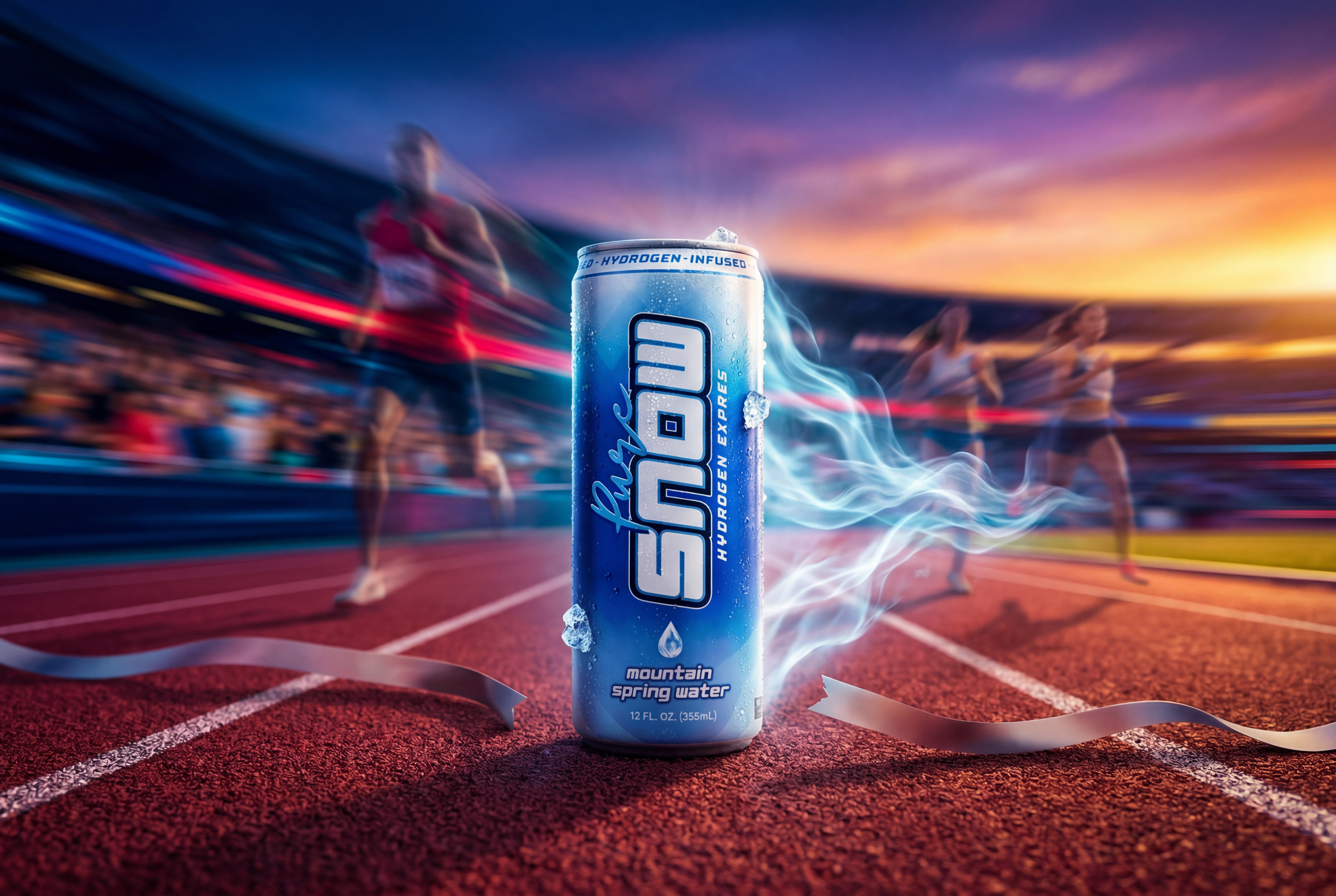
At Pure Snow, we start with premium mountain spring water and use pressurized direct infusion to dissolve high concentrations of molecular hydrogen, then seal everything in aluminum cans immediately. That combination of high starting concentration and impermeable packaging means the hydrogen you pay for is actually still in the water when you open it.
WHAT ABOUT MAKING HYDROGEN WATER AT HOME?
Home devices have improved over the years, and for some people they're a reasonable option. But there are practical realities worth knowing. Many affordable electrolysis bottles produce inconsistent or low PPM levels, and some poorly designed units can introduce unwanted byproducts like chlorine or ozone if they lack proper membrane technology. Testing your actual hydrogen concentration requires reagent drops or meters that most people never buy, so you're often drinking on faith. Tablets solve the equipment problem but introduce taste and mineral changes, and the hydrogen begins dissipating right away in an open glass.
Pre-made canned hydrogen water removes the guesswork entirely. The infusion happens under industrial pressure control, the concentration is verified, and the sealed aluminum can preserves potency until the moment you drink it. For anyone comparing costs between devices, tablets, and ready-to-drink options, our pricing page breaks down what a consistent daily hydrogen habit actually costs.
HOW TO CHOOSE A WELL-MADE HYDROGEN WATER
When evaluating any hydrogen water product, look for three things. First, a clearly stated hydrogen concentration in PPM, ideally verified at the time of consumption rather than at the time of production. Second, packaging that actually retains hydrogen, which means aluminum rather than plastic. Third, transparency about the water source and infusion method. If a brand can't tell you how its hydrogen water is made, that's a signal worth paying attention to. Freshness matters too: because hydrogen escapes over time even from good packaging, products with clear production standards and proper sealing deliver far more consistent results.
KEY TAKEAWAY: Hydrogen water is made by dissolving molecular hydrogen gas into water through electrolysis, pressurized direct infusion, or magnesium tablets, and the method matters because hydrogen escapes easily. Pressurized infusion sealed in aluminum cans delivers the highest, most reliable concentration by the time you actually drink it.
Now that you know how hydrogen water is made, you can taste the difference that careful production makes for yourself. Explore Pure Snow's canned hydrogen water and experience premium mountain spring water infused with molecular hydrogen, sealed at peak potency.
FAQ
Q: Can I make hydrogen water at home?
A: Yes, using an electrolysis bottle or magnesium tablets. However, home methods often produce lower or inconsistent hydrogen concentrations, and open containers lose hydrogen quickly. Pre-made canned hydrogen water offers verified concentrations without the guesswork.
Q: Why is hydrogen water sold in aluminum cans instead of plastic bottles?
A: Hydrogen is the smallest molecule in existence and can slowly permeate through plastic, causing the water to lose potency on the shelf. Aluminum creates a gas-tight barrier that keeps dissolved hydrogen locked in until you open the can.
Q: How long does hydrogen stay in water after opening?
A: Once opened, dissolved hydrogen begins escaping immediately, with significant losses possible within 30 minutes to a couple of hours. For maximum benefit, drink hydrogen water soon after opening rather than letting it sit.
Back to BlogQUESTION ONE: WHAT EXACTLY IS HYDROGEN WATER?
Before we get into how it's made, it helps to understand what hydrogen water actually is. Hydrogen water is simply water that has been infused with additional molecular hydrogen gas, known as H2. This is the smallest molecule in the universe, made up of two hydrogen atoms bonded together. Because H2 is so tiny and neutral in charge, it can diffuse easily throughout the body, which is part of what makes it so interesting to researchers. Importantly, hydrogen water is not the same as alkaline water, and it doesn't change the water's taste, color, or pH in any meaningful way. The water looks and tastes like ordinary water. The difference is invisible: dissolved hydrogen gas held in solution, measured in parts per million, or PPM.
Scientific interest in molecular hydrogen took off after a landmark 2007 study published in Nature Medicine showed that hydrogen gas could act as a selective antioxidant, targeting particularly harmful free radicals. Since then, hundreds of studies have explored hydrogen's potential effects, and the question of how to get enough hydrogen into water, and keep it there, has become central to the entire category.
QUESTION TWO: HOW IS HYDROGEN WATER ACTUALLY MADE?
There are a few primary methods used to make hydrogen water, and each comes with trade-offs in concentration, convenience, and stability.
The first method is electrolysis. This is what most home hydrogen water bottles and machines use. An electric current is passed through water, splitting some of the H2O molecules into hydrogen and oxygen gas. The hydrogen dissolves into the water, while the oxygen is typically vented away. Electrolysis is convenient, but the hydrogen concentration achieved by consumer devices varies widely, and cheaper units often produce very low PPM levels. Water quality and mineral content also affect how well electrolysis works.
The second method is direct gas infusion, sometimes called bubbling or dissolution. In this process, pure pressurized hydrogen gas is injected directly into water, often under controlled pressure to force more gas into solution. This is the method typically used by premium bottled and canned hydrogen water producers because it allows for higher, more consistent concentrations. When done under pressure and sealed immediately in an airtight container, direct infusion can achieve dissolved hydrogen levels well above what most home devices produce.
The third method involves hydrogen-producing tablets, usually made with elemental magnesium. When dropped into water, the magnesium reacts with H2O to release hydrogen gas. Tablets are portable and inexpensive, but they alter the water's mineral content, can leave a chalky taste, and require an open container, which means hydrogen begins escaping the moment the reaction finishes.
QUESTION THREE: DOES THE PRODUCTION METHOD REALLY MATTER?
Yes, and here's why: molecular hydrogen is the lightest, most escape-prone gas in existence. It doesn't just dissolve into water reluctantly; it also leaves water eagerly. An open glass of hydrogen water can lose a significant portion of its dissolved hydrogen within 30 minutes to a couple of hours. This means two things matter enormously: how much hydrogen is infused at the start, and how well the packaging holds it in.
Concentration is measured in PPM, and research suggests that meaningful concentrations generally start around 0.5 to 1.6 PPM, with higher levels delivering more molecular hydrogen per serving. A product that starts at a low concentration and then loses hydrogen through permeable packaging may deliver very little H2 by the time you drink it. This is why plastic bottles are a poor match for hydrogen water: hydrogen molecules are small enough to slowly pass right through plastic. Aluminum, on the other hand, creates a true gas-tight barrier, which is why serious hydrogen water brands package in aluminum cans. You can read more about the science behind concentration, PPM, and packaging on our how it works page.
At Pure Snow, we start with premium mountain spring water and use pressurized direct infusion to dissolve high concentrations of molecular hydrogen, then seal everything in aluminum cans immediately. That combination of high starting concentration and impermeable packaging means the hydrogen you pay for is actually still in the water when you open it.
WHAT ABOUT MAKING HYDROGEN WATER AT HOME?
Home devices have improved over the years, and for some people they're a reasonable option. But there are practical realities worth knowing. Many affordable electrolysis bottles produce inconsistent or low PPM levels, and some poorly designed units can introduce unwanted byproducts like chlorine or ozone if they lack proper membrane technology. Testing your actual hydrogen concentration requires reagent drops or meters that most people never buy, so you're often drinking on faith. Tablets solve the equipment problem but introduce taste and mineral changes, and the hydrogen begins dissipating right away in an open glass.
Pre-made canned hydrogen water removes the guesswork entirely. The infusion happens under industrial pressure control, the concentration is verified, and the sealed aluminum can preserves potency until the moment you drink it. For anyone comparing costs between devices, tablets, and ready-to-drink options, our pricing page breaks down what a consistent daily hydrogen habit actually costs.
HOW TO CHOOSE A WELL-MADE HYDROGEN WATER
When evaluating any hydrogen water product, look for three things. First, a clearly stated hydrogen concentration in PPM, ideally verified at the time of consumption rather than at the time of production. Second, packaging that actually retains hydrogen, which means aluminum rather than plastic. Third, transparency about the water source and infusion method. If a brand can't tell you how its hydrogen water is made, that's a signal worth paying attention to. Freshness matters too: because hydrogen escapes over time even from good packaging, products with clear production standards and proper sealing deliver far more consistent results.
KEY TAKEAWAY: Hydrogen water is made by dissolving molecular hydrogen gas into water through electrolysis, pressurized direct infusion, or magnesium tablets, and the method matters because hydrogen escapes easily. Pressurized infusion sealed in aluminum cans delivers the highest, most reliable concentration by the time you actually drink it.
Now that you know how hydrogen water is made, you can taste the difference that careful production makes for yourself. Explore Pure Snow's canned hydrogen water and experience premium mountain spring water infused with molecular hydrogen, sealed at peak potency.
FAQ
Q: Can I make hydrogen water at home?
A: Yes, using an electrolysis bottle or magnesium tablets. However, home methods often produce lower or inconsistent hydrogen concentrations, and open containers lose hydrogen quickly. Pre-made canned hydrogen water offers verified concentrations without the guesswork.
Q: Why is hydrogen water sold in aluminum cans instead of plastic bottles?
A: Hydrogen is the smallest molecule in existence and can slowly permeate through plastic, causing the water to lose potency on the shelf. Aluminum creates a gas-tight barrier that keeps dissolved hydrogen locked in until you open the can.
Q: How long does hydrogen stay in water after opening?
A: Once opened, dissolved hydrogen begins escaping immediately, with significant losses possible within 30 minutes to a couple of hours. For maximum benefit, drink hydrogen water soon after opening rather than letting it sit.