Does Hydrogen Water Actually Work? A Pure Snow Guide to the Science and the Standard
If you've been scrolling through wellness trends this August 2026, you've almost certainly come across hydrogen water — and you've probably asked yourself the same question everyone does: does hydrogen water actually work, or is it just another overhyped bottle on the shelf? It's a fair question, and at Pure Snow, we welcome it. As a brand built entirely around hydrogen-infused mountain spring water, we believe the answer should come from science, not slogans. In this guide, we'll walk through what the research actually says, why so many hydrogen water products fall short of their promises, and how Pure Snow was designed from the ground up to deliver hydrogen water the way the science says it should be delivered.
WHAT THE SCIENCE ACTUALLY SAYS
Let's start with the honest answer: yes, molecular hydrogen has demonstrated real, measurable effects in scientific research — but the details matter enormously. Molecular hydrogen (H2) is the smallest molecule in existence, which allows it to diffuse rapidly through cell membranes and even cross the blood-brain barrier. The modern wave of hydrogen research began in earnest when a landmark study published in Nature Medicine showed that molecular hydrogen acts as a selective antioxidant, neutralizing the most damaging free radicals in the body while leaving beneficial signaling molecules alone. Since then, hundreds of studies have explored hydrogen's potential effects on oxidative stress, inflammation, exercise recovery, and metabolic health.
That selectivity is what makes hydrogen genuinely interesting to researchers. Many antioxidants are blunt instruments — they neutralize everything, including reactive molecules your body actually needs. Hydrogen appears to target hydroxyl radicals, the most cytotoxic of the reactive oxygen species, without disrupting normal cellular signaling. Human trials have reported improvements in markers of oxidative stress, reduced muscle fatigue in athletes, and better recovery outcomes, though researchers agree that larger, longer-term studies are still needed. So the fair scientific summary is this: hydrogen water is not a miracle cure, but it is far from a placebo. The mechanism is real, the early evidence is promising, and the biggest variable is whether the product you're drinking actually contains meaningful hydrogen at all.
WHY MOST HYDROGEN WATER FAILS THE TEST
Here's the uncomfortable truth about the hydrogen water market: many products simply don't work, not because hydrogen doesn't work, but because the hydrogen is gone before you ever take a sip. Molecular hydrogen is extraordinarily small and escapes through most packaging materials. Plastic bottles are essentially useless for hydrogen water — H2 molecules pass straight through the plastic walls within days, sometimes hours. A hydrogen water product that was infused at a strong concentration at the factory can arrive at your door with almost nothing left.
Concentration matters too. Hydrogen content is measured in parts per million (PPM), and researchers generally consider concentrations above 1.0 PPM to be within the therapeutic range used in most clinical studies. Products that don't disclose their PPM, or that test far below their label claims, are one of the biggest reasons people try hydrogen water and feel nothing. If you want to understand how concentration, packaging, and dissolution all fit together, we break down the full picture on our how it works page.
THE PURE SNOW DIFFERENCE: BUILT TO ACTUALLY WORK
This is exactly why Pure Snow exists. When we set out to create a hydrogen water worth drinking, we started with the two factors that determine whether the science translates to your glass: the water itself and the vessel that holds it.
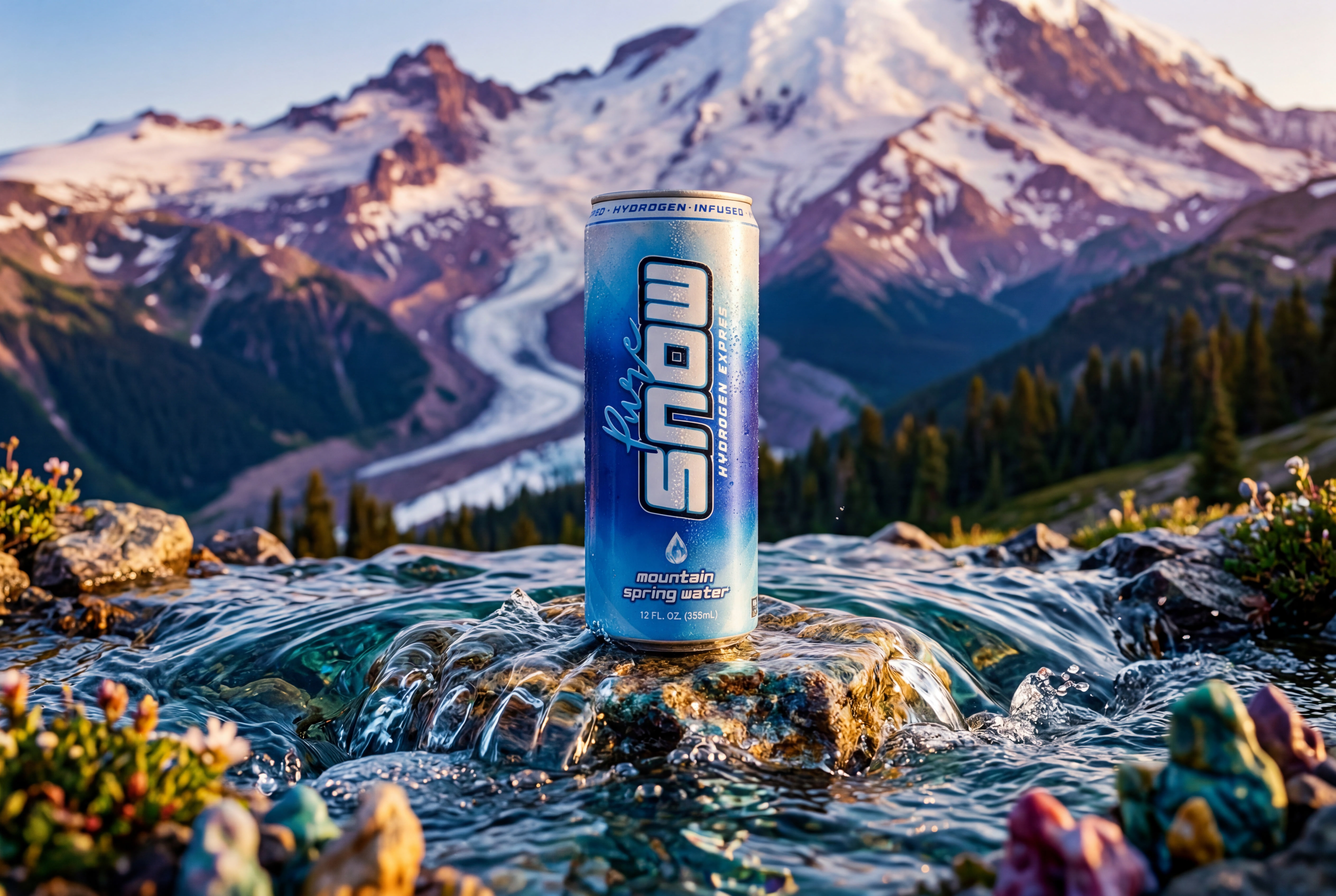
First, the water. Pure Snow begins with premium mountain spring water — naturally filtered, mineral-rich, and clean at the source. We didn't want to infuse hydrogen into reprocessed municipal water; we wanted the foundation to be as pure as the science on top of it.
Second, the can. Pure Snow is packaged exclusively in aluminum cans, and this is not an aesthetic choice. Aluminum is one of the only widely available packaging materials that molecular hydrogen cannot escape through. While plastic bottles bleed hydrogen from the moment they're filled, a properly sealed aluminum can locks the hydrogen in, preserving therapeutic concentrations from our facility to your fridge. When you crack open a can of Pure Snow, you're getting the hydrogen concentration we infused — not a fraction of it.
Third, transparency. We infuse Pure Snow to a clinically relevant hydrogen concentration and we stand behind it, because we know that the difference between hydrogen water that works and hydrogen water that doesn't comes down to what's actually dissolved in the water when you drink it. That commitment to doing it right is the reason our founders started this company in the first place, and it shapes every decision we make at Pure Snow.
HOW TO GET RESULTS FROM HYDROGEN WATER
If you want to give hydrogen water a genuine trial rather than a half-hearted one, a few practical guidelines will help. Drink it fresh — hydrogen begins escaping the moment a can or bottle is opened, so finish it within a few minutes rather than sipping over hours. Drink it consistently — most clinical studies involved daily consumption over weeks, not a single serving. Many people drink one to two cans per day, often in the morning or around exercise, when oxidative stress tends to spike. And pay attention to how you feel over two to four weeks: recovery after workouts, energy levels, and general wellbeing are where people most commonly notice a difference.
Finally, set fair expectations. Hydrogen water is a wellness tool, not a replacement for sleep, nutrition, or medical care. The research suggests it works best as a consistent, supportive habit — one that's remarkably easy to maintain when it tastes like crisp mountain spring water.
THE BOTTOM LINE ON HYDROGEN WATER
So, does hydrogen water actually work? The science says molecular hydrogen has real, selective antioxidant activity and promising human research behind it. The catch is that most of the market undermines that science with leaky packaging and vague concentrations. The question isn't really whether hydrogen water works — it's whether the hydrogen water you're holding still contains hydrogen. That's the problem Pure Snow was built to solve, with mountain spring water, therapeutic hydrogen concentrations, and aluminum cans that keep the hydrogen where it belongs: in your glass, not in the air.
KEY TAKEAWAY: Molecular hydrogen has genuine, research-backed antioxidant effects, but hydrogen water only works if the hydrogen is still present when you drink it — which is why concentration and aluminum packaging make all the difference.
If you're ready to experience hydrogen water done right, we'd love for you to taste the difference for yourself. Explore the Pure Snow shop and make crisp, hydrogen-rich mountain spring water part of your daily routine.
FAQ
Q: How quickly does hydrogen water work?
A: Molecular hydrogen is absorbed rapidly and peaks in the bloodstream within about 15 to 30 minutes of drinking. However, most studies showing benefits for recovery, oxidative stress, and energy involved consistent daily consumption over several weeks, so think of it as a habit rather than a one-time fix.
Q: Why is canned hydrogen water better than bottled?
A: Hydrogen molecules are small enough to escape directly through plastic, meaning bottled hydrogen water often loses most of its hydrogen before you drink it. Aluminum cans are impermeable to hydrogen gas, which is why Pure Snow uses cans exclusively to preserve therapeutic concentrations until the moment you open one.
Q: Is hydrogen water safe to drink every day?
A: Yes, molecular hydrogen has an excellent safety profile and has been consumed daily in numerous human studies without adverse effects. Hydrogen water is simply water with dissolved H2 gas, so it hydrates you exactly like regular water while adding the potential antioxidant benefits of molecular hydrogen.
Back to BlogWHAT THE SCIENCE ACTUALLY SAYS
Let's start with the honest answer: yes, molecular hydrogen has demonstrated real, measurable effects in scientific research — but the details matter enormously. Molecular hydrogen (H2) is the smallest molecule in existence, which allows it to diffuse rapidly through cell membranes and even cross the blood-brain barrier. The modern wave of hydrogen research began in earnest when a landmark study published in Nature Medicine showed that molecular hydrogen acts as a selective antioxidant, neutralizing the most damaging free radicals in the body while leaving beneficial signaling molecules alone. Since then, hundreds of studies have explored hydrogen's potential effects on oxidative stress, inflammation, exercise recovery, and metabolic health.
That selectivity is what makes hydrogen genuinely interesting to researchers. Many antioxidants are blunt instruments — they neutralize everything, including reactive molecules your body actually needs. Hydrogen appears to target hydroxyl radicals, the most cytotoxic of the reactive oxygen species, without disrupting normal cellular signaling. Human trials have reported improvements in markers of oxidative stress, reduced muscle fatigue in athletes, and better recovery outcomes, though researchers agree that larger, longer-term studies are still needed. So the fair scientific summary is this: hydrogen water is not a miracle cure, but it is far from a placebo. The mechanism is real, the early evidence is promising, and the biggest variable is whether the product you're drinking actually contains meaningful hydrogen at all.
WHY MOST HYDROGEN WATER FAILS THE TEST
Here's the uncomfortable truth about the hydrogen water market: many products simply don't work, not because hydrogen doesn't work, but because the hydrogen is gone before you ever take a sip. Molecular hydrogen is extraordinarily small and escapes through most packaging materials. Plastic bottles are essentially useless for hydrogen water — H2 molecules pass straight through the plastic walls within days, sometimes hours. A hydrogen water product that was infused at a strong concentration at the factory can arrive at your door with almost nothing left.
Concentration matters too. Hydrogen content is measured in parts per million (PPM), and researchers generally consider concentrations above 1.0 PPM to be within the therapeutic range used in most clinical studies. Products that don't disclose their PPM, or that test far below their label claims, are one of the biggest reasons people try hydrogen water and feel nothing. If you want to understand how concentration, packaging, and dissolution all fit together, we break down the full picture on our how it works page.
THE PURE SNOW DIFFERENCE: BUILT TO ACTUALLY WORK
This is exactly why Pure Snow exists. When we set out to create a hydrogen water worth drinking, we started with the two factors that determine whether the science translates to your glass: the water itself and the vessel that holds it.
First, the water. Pure Snow begins with premium mountain spring water — naturally filtered, mineral-rich, and clean at the source. We didn't want to infuse hydrogen into reprocessed municipal water; we wanted the foundation to be as pure as the science on top of it.
Second, the can. Pure Snow is packaged exclusively in aluminum cans, and this is not an aesthetic choice. Aluminum is one of the only widely available packaging materials that molecular hydrogen cannot escape through. While plastic bottles bleed hydrogen from the moment they're filled, a properly sealed aluminum can locks the hydrogen in, preserving therapeutic concentrations from our facility to your fridge. When you crack open a can of Pure Snow, you're getting the hydrogen concentration we infused — not a fraction of it.
Third, transparency. We infuse Pure Snow to a clinically relevant hydrogen concentration and we stand behind it, because we know that the difference between hydrogen water that works and hydrogen water that doesn't comes down to what's actually dissolved in the water when you drink it. That commitment to doing it right is the reason our founders started this company in the first place, and it shapes every decision we make at Pure Snow.
HOW TO GET RESULTS FROM HYDROGEN WATER
If you want to give hydrogen water a genuine trial rather than a half-hearted one, a few practical guidelines will help. Drink it fresh — hydrogen begins escaping the moment a can or bottle is opened, so finish it within a few minutes rather than sipping over hours. Drink it consistently — most clinical studies involved daily consumption over weeks, not a single serving. Many people drink one to two cans per day, often in the morning or around exercise, when oxidative stress tends to spike. And pay attention to how you feel over two to four weeks: recovery after workouts, energy levels, and general wellbeing are where people most commonly notice a difference.
Finally, set fair expectations. Hydrogen water is a wellness tool, not a replacement for sleep, nutrition, or medical care. The research suggests it works best as a consistent, supportive habit — one that's remarkably easy to maintain when it tastes like crisp mountain spring water.
THE BOTTOM LINE ON HYDROGEN WATER
So, does hydrogen water actually work? The science says molecular hydrogen has real, selective antioxidant activity and promising human research behind it. The catch is that most of the market undermines that science with leaky packaging and vague concentrations. The question isn't really whether hydrogen water works — it's whether the hydrogen water you're holding still contains hydrogen. That's the problem Pure Snow was built to solve, with mountain spring water, therapeutic hydrogen concentrations, and aluminum cans that keep the hydrogen where it belongs: in your glass, not in the air.
KEY TAKEAWAY: Molecular hydrogen has genuine, research-backed antioxidant effects, but hydrogen water only works if the hydrogen is still present when you drink it — which is why concentration and aluminum packaging make all the difference.
If you're ready to experience hydrogen water done right, we'd love for you to taste the difference for yourself. Explore the Pure Snow shop and make crisp, hydrogen-rich mountain spring water part of your daily routine.
FAQ
Q: How quickly does hydrogen water work?
A: Molecular hydrogen is absorbed rapidly and peaks in the bloodstream within about 15 to 30 minutes of drinking. However, most studies showing benefits for recovery, oxidative stress, and energy involved consistent daily consumption over several weeks, so think of it as a habit rather than a one-time fix.
Q: Why is canned hydrogen water better than bottled?
A: Hydrogen molecules are small enough to escape directly through plastic, meaning bottled hydrogen water often loses most of its hydrogen before you drink it. Aluminum cans are impermeable to hydrogen gas, which is why Pure Snow uses cans exclusively to preserve therapeutic concentrations until the moment you open one.
Q: Is hydrogen water safe to drink every day?
A: Yes, molecular hydrogen has an excellent safety profile and has been consumed daily in numerous human studies without adverse effects. Hydrogen water is simply water with dissolved H2 gas, so it hydrates you exactly like regular water while adding the potential antioxidant benefits of molecular hydrogen.
