Does Hydrogen Water Actually Work? The Pure Snow Guide to Separating Science from Hype
If you've been scrolling through wellness content this August 2026, you've almost certainly seen hydrogen water pop up in your feed. Athletes are drinking it, longevity researchers are studying it, and skeptics are asking the question we hear most often at Pure Snow: does hydrogen water actually work? It's a fair question, and honestly, it's the right one to ask. The wellness world is crowded with products that promise everything and deliver very little. So rather than giving you marketing spin, we want to walk you through what the science actually says, what makes the difference between hydrogen water that works and hydrogen water that doesn't, and why we built Pure Snow the way we did.
WHAT THE RESEARCH ACTUALLY SHOWS
Let's start with the foundation. Molecular hydrogen (H2) is the smallest molecule in existence, which allows it to diffuse rapidly through cell membranes and even cross the blood-brain barrier. The modern scientific interest in hydrogen began in earnest with a landmark 2007 study published in Nature Medicine, which demonstrated that molecular hydrogen acts as a selective antioxidant, neutralizing the most harmful free radicals while leaving beneficial reactive molecules alone. That selectivity matters. Unlike high-dose antioxidant supplements, which can blunt your body's natural adaptive responses, hydrogen appears to target only the destructive oxidative stress that damages cells.
Since that 2007 paper, hundreds of studies have explored molecular hydrogen across areas like exercise recovery, metabolic health, inflammation, and cognitive function. The research is still evolving, and we'll always be honest about that. Not every study is large, and not every result is dramatic. But the overall body of evidence points in a consistent direction: when hydrogen water is consumed at a meaningful concentration, measurable biological effects follow, including reduced markers of oxidative stress and inflammation in multiple human trials.
THE CATCH: MOST HYDROGEN WATER DOESN'T DELIVER
Here's where the honest answer to "does hydrogen water actually work" gets more nuanced. Hydrogen water works when it actually contains hydrogen. That sounds obvious, but it's the single biggest problem in this market. Molecular hydrogen is a gas, and it escapes from water quickly. Plastic bottles are porous at the molecular level, which means hydrogen literally seeps through the walls of the bottle while it sits on a shelf. Many products that were infused at a respectable concentration at the factory contain almost no dissolved hydrogen by the time you drink them.
Concentration matters too. Research suggests that hydrogen concentration, measured in parts per million (PPM), needs to reach a therapeutic threshold to produce the effects seen in clinical studies. Water with trace amounts of hydrogen is, functionally, just water. If you've tried a hydrogen water product before and felt nothing, there's a good chance you were drinking something that had already lost its potency. You can learn more about why concentration and packaging matter so much on our page explaining how Pure Snow hydrogen water works.
WHY PURE SNOW WAS BUILT DIFFERENTLY
This is exactly the problem Pure Snow set out to solve. We didn't start with a marketing plan; we started with the science and worked backward to the packaging. Every decision we made was in service of one goal: making sure the hydrogen you pay for is the hydrogen you actually drink.
First, the source. Pure Snow begins with premium mountain spring water, naturally filtered and mineral-rich, before a single molecule of hydrogen is added. We believe the base water matters, both for taste and for the overall experience of drinking something clean and crisp.
Second, the infusion. We infuse our water with molecular hydrogen at a high concentration designed to meet the therapeutic levels referenced in published research, not the trace amounts that let a brand slap "hydrogen" on a label.
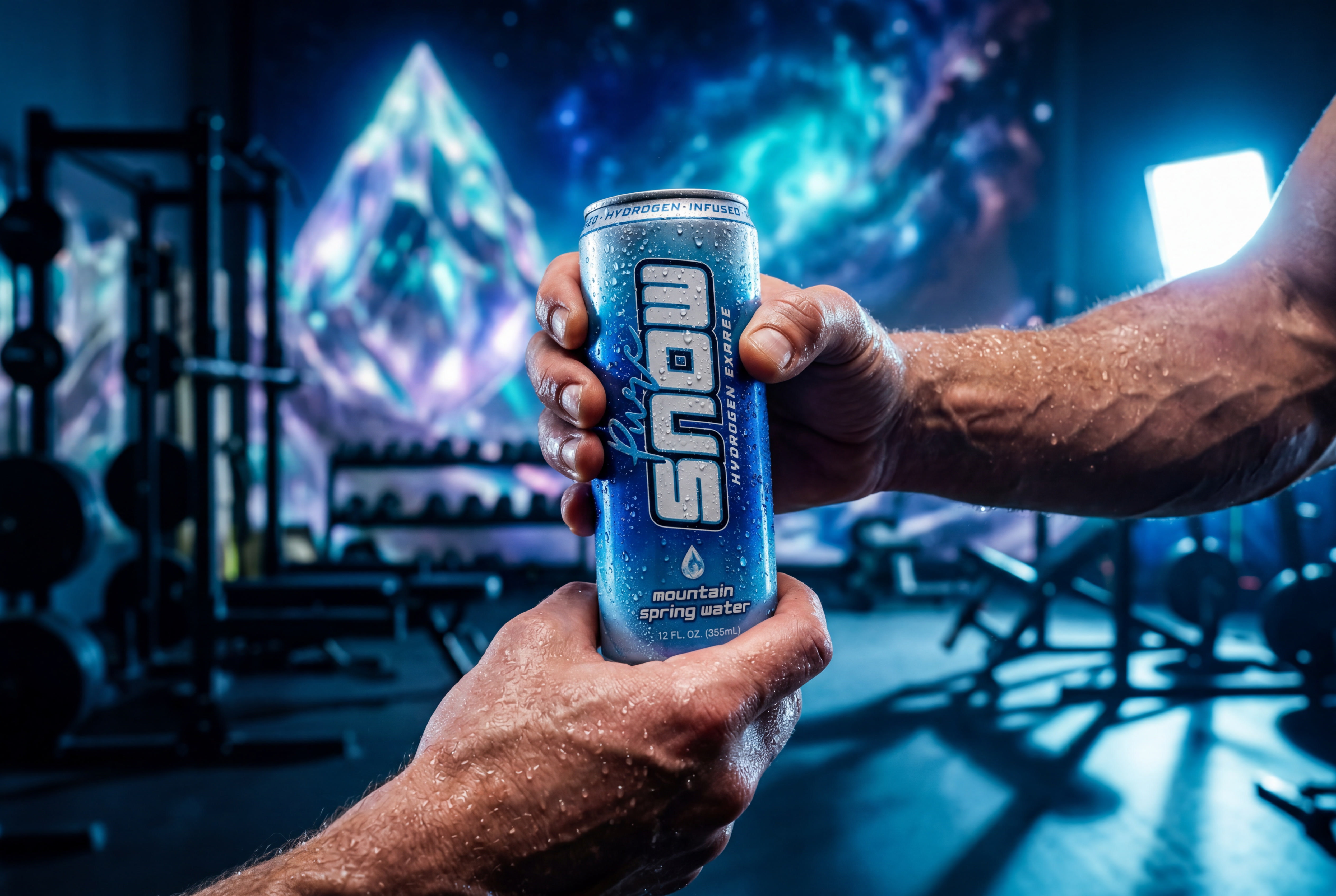
Third, and most importantly, the can. Pure Snow comes in aluminum cans, not plastic bottles, and this is not an aesthetic choice. Aluminum is effectively impermeable to hydrogen gas. Where plastic lets hydrogen escape over days and weeks, a properly sealed aluminum can locks it in until the moment you crack it open. It's the difference between a product that works in the lab and a product that works in your hand. If you're curious about the people and the thinking behind these decisions, our story goes deeper into why we refused to compromise on packaging.
HOW TO EVALUATE ANY HYDROGEN WATER (INCLUDING OURS)
We encourage healthy skepticism, even toward Pure Snow. When you're evaluating whether a hydrogen water will actually work, ask three questions. One: what is the hydrogen concentration in PPM at the time of consumption, not at the time of bottling? Two: is it packaged in aluminum or another hydrogen-impermeable material? Three: does the brand talk about real research, or just vague wellness promises? A brand that can't answer those questions clearly probably can't deliver hydrogen to your glass.
We also encourage realistic expectations. Hydrogen water is not a miracle cure, and anyone who tells you otherwise is overselling it. What the research supports is a genuinely interesting, low-risk tool for supporting recovery, reducing oxidative stress, and complementing a healthy lifestyle. Most people who benefit from it drink it consistently, often daily, the same way you'd approach any wellness habit.
SO, DOES IT ACTUALLY WORK?
Based on the current science, the honest answer is yes, with conditions. Molecular hydrogen has demonstrated real, measurable effects in peer-reviewed human studies, particularly around oxidative stress, inflammation, and exercise recovery. But those effects depend entirely on drinking water that still contains a meaningful concentration of hydrogen when it reaches your lips. That's the gap between the research and most of the products on the market, and it's the gap Pure Snow exists to close. High-concentration infusion, pristine mountain spring water, and aluminum cans that keep hydrogen locked in: that's not marketing language, it's the checklist the science demands.
KEY TAKEAWAY: Hydrogen water does work according to a growing body of peer-reviewed research, but only when it contains a therapeutic concentration of hydrogen at the moment you drink it, which is why concentration and hydrogen-impermeable aluminum packaging matter more than any other factor.
If you're ready to experience hydrogen water the way the research intended, we'd love for you to try Pure Snow for yourself. Explore our shop and taste the difference that real science and real mountain spring water make.
FAQ
Q: How quickly does hydrogen escape from hydrogen water?
A: Once a container is opened, dissolved hydrogen begins escaping within minutes to a few hours, so it's best to drink hydrogen water soon after opening. In plastic bottles, hydrogen can escape even before opening because plastic is permeable at the molecular level, which is why Pure Snow uses sealed aluminum cans.
Q: How much hydrogen water should I drink to see benefits?
A: Most human studies showing benefits used roughly one to three servings of high-concentration hydrogen water per day, consumed consistently over weeks. Consistency matters more than volume, so a daily can is a reasonable starting point for most people.
Q: Is hydrogen water safe to drink every day?
A: Yes. Molecular hydrogen has an excellent safety profile in the published research, with no known toxicity at the concentrations found in hydrogen water. It's simply water with dissolved hydrogen gas, so it hydrates you just like regular water while delivering hydrogen's added antioxidant activity.
Back to BlogWHAT THE RESEARCH ACTUALLY SHOWS
Let's start with the foundation. Molecular hydrogen (H2) is the smallest molecule in existence, which allows it to diffuse rapidly through cell membranes and even cross the blood-brain barrier. The modern scientific interest in hydrogen began in earnest with a landmark 2007 study published in Nature Medicine, which demonstrated that molecular hydrogen acts as a selective antioxidant, neutralizing the most harmful free radicals while leaving beneficial reactive molecules alone. That selectivity matters. Unlike high-dose antioxidant supplements, which can blunt your body's natural adaptive responses, hydrogen appears to target only the destructive oxidative stress that damages cells.
Since that 2007 paper, hundreds of studies have explored molecular hydrogen across areas like exercise recovery, metabolic health, inflammation, and cognitive function. The research is still evolving, and we'll always be honest about that. Not every study is large, and not every result is dramatic. But the overall body of evidence points in a consistent direction: when hydrogen water is consumed at a meaningful concentration, measurable biological effects follow, including reduced markers of oxidative stress and inflammation in multiple human trials.
THE CATCH: MOST HYDROGEN WATER DOESN'T DELIVER
Here's where the honest answer to "does hydrogen water actually work" gets more nuanced. Hydrogen water works when it actually contains hydrogen. That sounds obvious, but it's the single biggest problem in this market. Molecular hydrogen is a gas, and it escapes from water quickly. Plastic bottles are porous at the molecular level, which means hydrogen literally seeps through the walls of the bottle while it sits on a shelf. Many products that were infused at a respectable concentration at the factory contain almost no dissolved hydrogen by the time you drink them.
Concentration matters too. Research suggests that hydrogen concentration, measured in parts per million (PPM), needs to reach a therapeutic threshold to produce the effects seen in clinical studies. Water with trace amounts of hydrogen is, functionally, just water. If you've tried a hydrogen water product before and felt nothing, there's a good chance you were drinking something that had already lost its potency. You can learn more about why concentration and packaging matter so much on our page explaining how Pure Snow hydrogen water works.
WHY PURE SNOW WAS BUILT DIFFERENTLY
This is exactly the problem Pure Snow set out to solve. We didn't start with a marketing plan; we started with the science and worked backward to the packaging. Every decision we made was in service of one goal: making sure the hydrogen you pay for is the hydrogen you actually drink.
First, the source. Pure Snow begins with premium mountain spring water, naturally filtered and mineral-rich, before a single molecule of hydrogen is added. We believe the base water matters, both for taste and for the overall experience of drinking something clean and crisp.
Second, the infusion. We infuse our water with molecular hydrogen at a high concentration designed to meet the therapeutic levels referenced in published research, not the trace amounts that let a brand slap "hydrogen" on a label.
Third, and most importantly, the can. Pure Snow comes in aluminum cans, not plastic bottles, and this is not an aesthetic choice. Aluminum is effectively impermeable to hydrogen gas. Where plastic lets hydrogen escape over days and weeks, a properly sealed aluminum can locks it in until the moment you crack it open. It's the difference between a product that works in the lab and a product that works in your hand. If you're curious about the people and the thinking behind these decisions, our story goes deeper into why we refused to compromise on packaging.
HOW TO EVALUATE ANY HYDROGEN WATER (INCLUDING OURS)
We encourage healthy skepticism, even toward Pure Snow. When you're evaluating whether a hydrogen water will actually work, ask three questions. One: what is the hydrogen concentration in PPM at the time of consumption, not at the time of bottling? Two: is it packaged in aluminum or another hydrogen-impermeable material? Three: does the brand talk about real research, or just vague wellness promises? A brand that can't answer those questions clearly probably can't deliver hydrogen to your glass.
We also encourage realistic expectations. Hydrogen water is not a miracle cure, and anyone who tells you otherwise is overselling it. What the research supports is a genuinely interesting, low-risk tool for supporting recovery, reducing oxidative stress, and complementing a healthy lifestyle. Most people who benefit from it drink it consistently, often daily, the same way you'd approach any wellness habit.
SO, DOES IT ACTUALLY WORK?
Based on the current science, the honest answer is yes, with conditions. Molecular hydrogen has demonstrated real, measurable effects in peer-reviewed human studies, particularly around oxidative stress, inflammation, and exercise recovery. But those effects depend entirely on drinking water that still contains a meaningful concentration of hydrogen when it reaches your lips. That's the gap between the research and most of the products on the market, and it's the gap Pure Snow exists to close. High-concentration infusion, pristine mountain spring water, and aluminum cans that keep hydrogen locked in: that's not marketing language, it's the checklist the science demands.
KEY TAKEAWAY: Hydrogen water does work according to a growing body of peer-reviewed research, but only when it contains a therapeutic concentration of hydrogen at the moment you drink it, which is why concentration and hydrogen-impermeable aluminum packaging matter more than any other factor.
If you're ready to experience hydrogen water the way the research intended, we'd love for you to try Pure Snow for yourself. Explore our shop and taste the difference that real science and real mountain spring water make.
FAQ
Q: How quickly does hydrogen escape from hydrogen water?
A: Once a container is opened, dissolved hydrogen begins escaping within minutes to a few hours, so it's best to drink hydrogen water soon after opening. In plastic bottles, hydrogen can escape even before opening because plastic is permeable at the molecular level, which is why Pure Snow uses sealed aluminum cans.
Q: How much hydrogen water should I drink to see benefits?
A: Most human studies showing benefits used roughly one to three servings of high-concentration hydrogen water per day, consumed consistently over weeks. Consistency matters more than volume, so a daily can is a reasonable starting point for most people.
Q: Is hydrogen water safe to drink every day?
A: Yes. Molecular hydrogen has an excellent safety profile in the published research, with no known toxicity at the concentrations found in hydrogen water. It's simply water with dissolved hydrogen gas, so it hydrates you just like regular water while delivering hydrogen's added antioxidant activity.
