Cheapest Cost Per Can Hydrogen Water: What You're Really Paying For in 2026
If you've been shopping for hydrogen water in June 2026, you've probably noticed a wide range of prices and wondered what's actually driving the difference. Some cans sell for under a dollar, others push past three dollars each, and it's not always obvious what you're getting for your money. Before you grab whatever looks cheapest, it's worth understanding what the cost per can actually reflects — because in the hydrogen water market, the gap between affordable and cheap can make a real difference in whether the product works at all.
MYTH 1: THE CHEAPEST CAN IS ALWAYS THE BEST DEAL
This is probably the most common mistake shoppers make when comparing hydrogen water options. A low sticker price can be misleading if the product inside doesn't deliver meaningful hydrogen concentration. Hydrogen water is only effective when it contains dissolved molecular hydrogen at therapeutic levels — typically cited in the range of 1 to 3 PPM or higher. According to research published in the Journal of Clinical Biochemistry and Nutrition, molecular hydrogen at relevant concentrations has demonstrated antioxidant and anti-inflammatory properties in peer-reviewed studies. If your low-cost can contains minimal dissolved hydrogen due to poor packaging or an inferior sealing process, you're essentially paying for sparkling water with a wellness label. The cost per can only matters if the can actually delivers what it promises.
MYTH 2: ALL ALUMINUM CANS PRESERVE HYDROGEN EQUALLY
Another widespread misconception is that any canned hydrogen water will hold its concentration over time. The reality is that hydrogen is one of the smallest molecules in existence, which means it escapes through inferior seals and packaging at a rate that can leave your "hydrogen water" nearly hydrogen-free by the time you drink it. Premium brands invest heavily in airtight sealing technology and proper fill processes to lock in concentration. Understanding how hydrogen water is sealed and delivered makes it much easier to evaluate whether a low cost per can is genuinely economical or just cheap in the way that matters most — quality.
MYTH 3: YOU HAVE TO SPEND A LOT TO GET QUALITY HYDROGEN WATER
Here's where the myth-busting goes the other direction: premium does not have to mean unaffordable. The assumption that serious hydrogen water is always expensive keeps a lot of people away from the category entirely, when actually the right subscription or bundle can bring the cost per can to a very competitive level without sacrificing the science behind the product. This is exactly the space Pure Snow was built to occupy — delivering 2 to 3 PPM hydrogen-infused mountain spring water at a price point that doesn't require you to choose between quality and your budget.
WHAT ACTUALLY DETERMINES COST PER CAN
When you break down what goes into a hydrogen water product, several factors drive the cost. The source water matters — mountain spring water with a clean mineral profile is more costly to source and process than filtered tap water. Hydrogen infusion technology matters — achieving consistent 2 to 3 PPM levels requires precision equipment and quality control. Packaging matters — food-grade aluminum cans with proper airtight seals cost more than flimsy alternatives. And distribution matters — brands that ship directly to consumers often offer better pricing than those that pass retail markup to the buyer. When you evaluate cost per can, you're really evaluating all of these layers simultaneously.
HOW PURE SNOW STACKS UP ON COST PER CAN
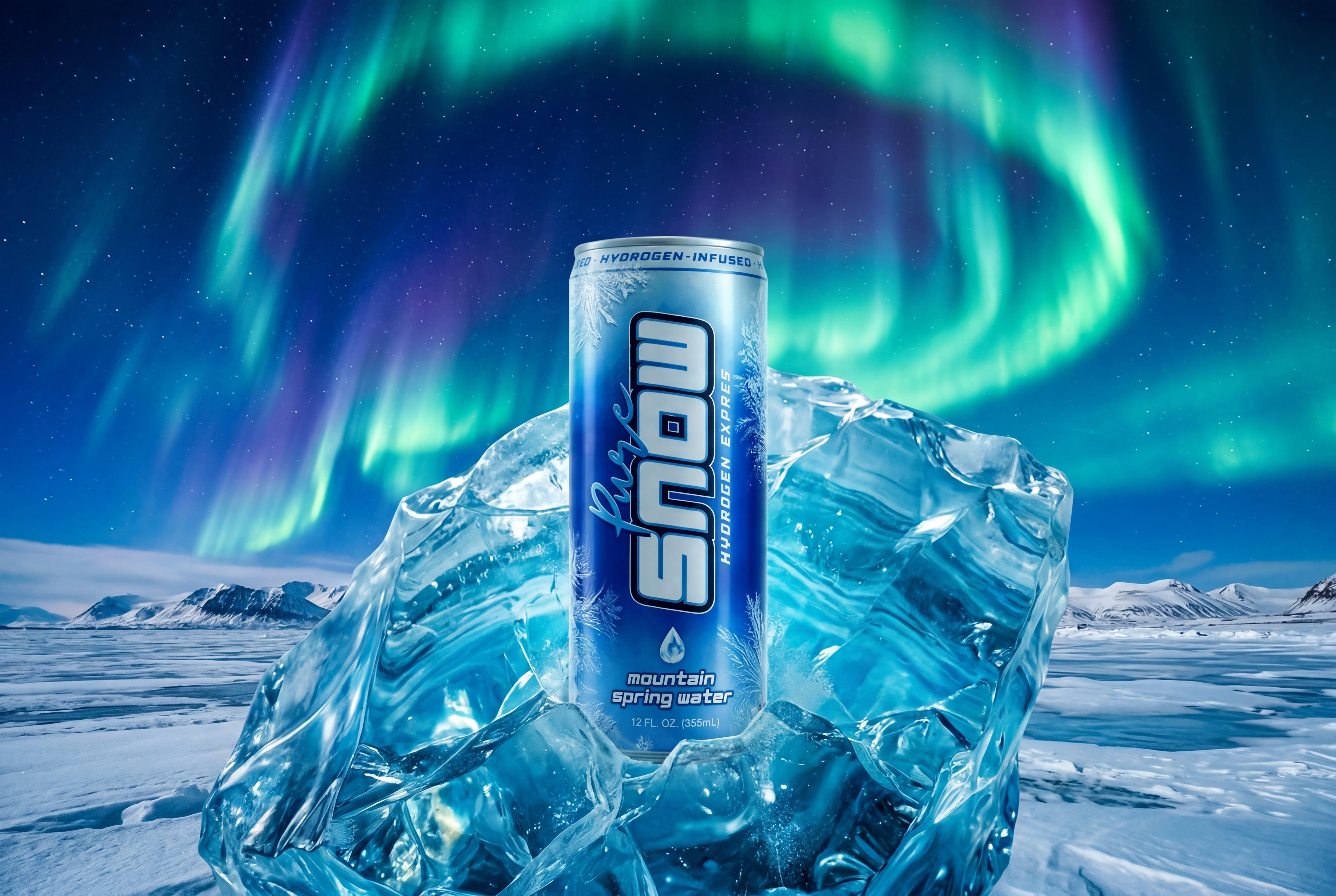
Pure Snow hydrogen-infused mountain spring water is currently available through the Mega Bump platform, where a 12-pack of 12 oz sleek aluminum cans is priced to compete directly with other premium hydrogen water brands. What sets the value apart is the subscribe-and-save model. When you review Pure Snow's pricing options, you'll find that subscribing drops your cost per can significantly, making it one of the most affordable ways to access consistently high-PPM hydrogen water without compromising on source water quality or packaging integrity. The 40% savings on your first order brings the cost per can into a range that genuinely competes with brands that can't match its hydrogen concentration or spring water sourcing.
WHY COST PER CAN SHOULD INCLUDE EFFECTIVENESS
Here's the framework shift that changes everything: the cheapest cost per can is meaningless if the hydrogen dissipates before you drink it. True value is calculated as cost divided by actual hydrogen delivered to your body. A can priced at $1.50 with near-zero dissolved hydrogen at time of drinking is objectively more expensive than a can at $2.25 that delivers 2 to 3 PPM of active molecular hydrogen in every sip. That's the lens serious wellness consumers are starting to apply, and it's one that consistently favors brands like Pure Snow that prioritize the science alongside the savings. If you're curious about the full picture, you can explore Pure Snow's current 12-pack offer and see exactly what you're getting for your investment.
KEY TAKEAWAY: The cheapest cost per can hydrogen water is only a real bargain if the hydrogen concentration is preserved and verified — Pure Snow delivers 2 to 3 PPM mountain spring hydrogen water at a subscription price that makes quality genuinely affordable.
If you're ready to stop guessing and start drinking hydrogen water that actually delivers on its promise, try Pure Snow today and take advantage of 40% off your first subscription order. It's one of the simplest upgrades you can make to your daily wellness routine without stretching your budget.
FAQ
Q: What is a good cost per can for hydrogen water in 2026?
A: A reasonable cost per can for quality hydrogen water in 2026 ranges from roughly $2.00 to $3.00 depending on the brand, hydrogen concentration, and whether you subscribe. Subscription models like Pure Snow's can bring this number down significantly while maintaining 2 to 3 PPM hydrogen levels.
Q: Does a lower price mean lower hydrogen concentration?
A: Not always, but it's a common pattern. Brands that cut costs on packaging, sealing technology, or water sourcing often deliver products with lower effective hydrogen at time of consumption. Always look for brands that publish their PPM levels and use airtight aluminum can sealing.
Q: Is it worth subscribing to save on hydrogen water?
A: Yes, if you're drinking hydrogen water regularly for wellness purposes, a subscription is almost always the smarter financial choice. With Pure Snow, subscribers save 40% on their first order, which meaningfully reduces the cost per can while ensuring consistent delivery of premium hydrogen-infused spring water.
Back to BlogMYTH 1: THE CHEAPEST CAN IS ALWAYS THE BEST DEAL
This is probably the most common mistake shoppers make when comparing hydrogen water options. A low sticker price can be misleading if the product inside doesn't deliver meaningful hydrogen concentration. Hydrogen water is only effective when it contains dissolved molecular hydrogen at therapeutic levels — typically cited in the range of 1 to 3 PPM or higher. According to research published in the Journal of Clinical Biochemistry and Nutrition, molecular hydrogen at relevant concentrations has demonstrated antioxidant and anti-inflammatory properties in peer-reviewed studies. If your low-cost can contains minimal dissolved hydrogen due to poor packaging or an inferior sealing process, you're essentially paying for sparkling water with a wellness label. The cost per can only matters if the can actually delivers what it promises.
MYTH 2: ALL ALUMINUM CANS PRESERVE HYDROGEN EQUALLY
Another widespread misconception is that any canned hydrogen water will hold its concentration over time. The reality is that hydrogen is one of the smallest molecules in existence, which means it escapes through inferior seals and packaging at a rate that can leave your "hydrogen water" nearly hydrogen-free by the time you drink it. Premium brands invest heavily in airtight sealing technology and proper fill processes to lock in concentration. Understanding how hydrogen water is sealed and delivered makes it much easier to evaluate whether a low cost per can is genuinely economical or just cheap in the way that matters most — quality.
MYTH 3: YOU HAVE TO SPEND A LOT TO GET QUALITY HYDROGEN WATER
Here's where the myth-busting goes the other direction: premium does not have to mean unaffordable. The assumption that serious hydrogen water is always expensive keeps a lot of people away from the category entirely, when actually the right subscription or bundle can bring the cost per can to a very competitive level without sacrificing the science behind the product. This is exactly the space Pure Snow was built to occupy — delivering 2 to 3 PPM hydrogen-infused mountain spring water at a price point that doesn't require you to choose between quality and your budget.
WHAT ACTUALLY DETERMINES COST PER CAN
When you break down what goes into a hydrogen water product, several factors drive the cost. The source water matters — mountain spring water with a clean mineral profile is more costly to source and process than filtered tap water. Hydrogen infusion technology matters — achieving consistent 2 to 3 PPM levels requires precision equipment and quality control. Packaging matters — food-grade aluminum cans with proper airtight seals cost more than flimsy alternatives. And distribution matters — brands that ship directly to consumers often offer better pricing than those that pass retail markup to the buyer. When you evaluate cost per can, you're really evaluating all of these layers simultaneously.
HOW PURE SNOW STACKS UP ON COST PER CAN
Pure Snow hydrogen-infused mountain spring water is currently available through the Mega Bump platform, where a 12-pack of 12 oz sleek aluminum cans is priced to compete directly with other premium hydrogen water brands. What sets the value apart is the subscribe-and-save model. When you review Pure Snow's pricing options, you'll find that subscribing drops your cost per can significantly, making it one of the most affordable ways to access consistently high-PPM hydrogen water without compromising on source water quality or packaging integrity. The 40% savings on your first order brings the cost per can into a range that genuinely competes with brands that can't match its hydrogen concentration or spring water sourcing.
WHY COST PER CAN SHOULD INCLUDE EFFECTIVENESS
Here's the framework shift that changes everything: the cheapest cost per can is meaningless if the hydrogen dissipates before you drink it. True value is calculated as cost divided by actual hydrogen delivered to your body. A can priced at $1.50 with near-zero dissolved hydrogen at time of drinking is objectively more expensive than a can at $2.25 that delivers 2 to 3 PPM of active molecular hydrogen in every sip. That's the lens serious wellness consumers are starting to apply, and it's one that consistently favors brands like Pure Snow that prioritize the science alongside the savings. If you're curious about the full picture, you can explore Pure Snow's current 12-pack offer and see exactly what you're getting for your investment.
KEY TAKEAWAY: The cheapest cost per can hydrogen water is only a real bargain if the hydrogen concentration is preserved and verified — Pure Snow delivers 2 to 3 PPM mountain spring hydrogen water at a subscription price that makes quality genuinely affordable.
If you're ready to stop guessing and start drinking hydrogen water that actually delivers on its promise, try Pure Snow today and take advantage of 40% off your first subscription order. It's one of the simplest upgrades you can make to your daily wellness routine without stretching your budget.
FAQ
Q: What is a good cost per can for hydrogen water in 2026?
A: A reasonable cost per can for quality hydrogen water in 2026 ranges from roughly $2.00 to $3.00 depending on the brand, hydrogen concentration, and whether you subscribe. Subscription models like Pure Snow's can bring this number down significantly while maintaining 2 to 3 PPM hydrogen levels.
Q: Does a lower price mean lower hydrogen concentration?
A: Not always, but it's a common pattern. Brands that cut costs on packaging, sealing technology, or water sourcing often deliver products with lower effective hydrogen at time of consumption. Always look for brands that publish their PPM levels and use airtight aluminum can sealing.
Q: Is it worth subscribing to save on hydrogen water?
A: Yes, if you're drinking hydrogen water regularly for wellness purposes, a subscription is almost always the smarter financial choice. With Pure Snow, subscribers save 40% on their first order, which meaningfully reduces the cost per can while ensuring consistent delivery of premium hydrogen-infused spring water.