Aluminum vs Plastic Hydrogen Water Packaging: Why Pure Snow Chose Cans
If you've been comparing hydrogen water brands this October 2026, you've probably noticed something: some come in plastic bottles, some in pouches, and a growing number in aluminum cans. That packaging choice isn't just about looks or sustainability points. When it comes to hydrogen water, the container is arguably as important as the water itself, because molecular hydrogen is the smallest molecule in the universe and it escapes from the wrong packaging with remarkable ease. At Pure Snow, we built our entire product around this reality, and in this post we'll walk you through the aluminum vs plastic hydrogen water packaging debate, explain why it matters so much for the benefits you're actually getting, and show you why we made the choices we did.
WHY PACKAGING MATTERS MORE FOR HYDROGEN WATER THAN ANY OTHER BEVERAGE
Molecular hydrogen (H2) is tiny. It's two hydrogen atoms bonded together, making it smaller than oxygen, smaller than carbon dioxide, and far smaller than the gaps between polymer chains in plastic. This is exactly what makes hydrogen so interesting as a wellness ingredient: its small size allows it to diffuse rapidly through the body, and research such as the landmark study published in Nature Medicine demonstrated that molecular hydrogen can act as a selective antioxidant, targeting harmful free radicals while leaving beneficial signaling molecules alone.
But that same small size is a packaging nightmare. Hydrogen gas dissolved in water wants to escape, and it will exploit any pathway available. Plastic, no matter how thick, is permeable to hydrogen at the molecular level. The gas literally passes through the walls of a plastic bottle over days and weeks, long before the expiration date on the label. You can buy a plastic bottle of hydrogen water that was infused at a respectable concentration and, by the time you drink it, be left with little more than ordinary water at a premium price.
THE PROBLEM WITH PLASTIC HYDROGEN WATER PACKAGING
Let's be specific about why plastic falls short. Standard PET plastic, the kind used in most bottled water, has a hydrogen permeability that makes it essentially unsuitable for maintaining dissolved H2 over any meaningful shelf life. Studies on hydrogen retention consistently show that hydrogen concentration in PET bottles drops significantly within days of bottling.
There are three core issues. First, permeability: hydrogen molecules diffuse directly through the plastic walls. Second, headspace loss: any air gap at the top of the bottle pulls hydrogen out of the water as it seeks equilibrium. Third, seal integrity: plastic caps rarely create a true gas-tight seal, giving hydrogen another escape route. The result is a product where the number printed on the label may bear little resemblance to the concentration in your glass.
Some brands attempt to solve this with multi-layer plastic pouches with aluminum liners, which perform better than bottles. But pouches come with their own drawbacks: they're awkward to drink from, difficult to recycle, and still depend heavily on seal quality.
WHY ALUMINUM CANS ARE THE GOLD STANDARD
Aluminum is fundamentally different. A properly manufactured aluminum can is an impermeable metal barrier. Hydrogen cannot diffuse through solid aluminum the way it slips through plastic polymers. When a can is filled, purged of oxygen, and sealed under pressure, the hydrogen has nowhere to go. This is why aluminum packaging can maintain hydrogen concentration for months rather than days.
There are additional advantages beyond retention. Aluminum blocks 100 percent of light, which protects water quality overall. Cans are infinitely recyclable, with roughly 75 percent of all aluminum ever produced still in use today, making them one of the most sustainable packaging formats available. And cans chill faster than plastic bottles, which matters because cold water holds dissolved gases, including hydrogen, more effectively than warm water.
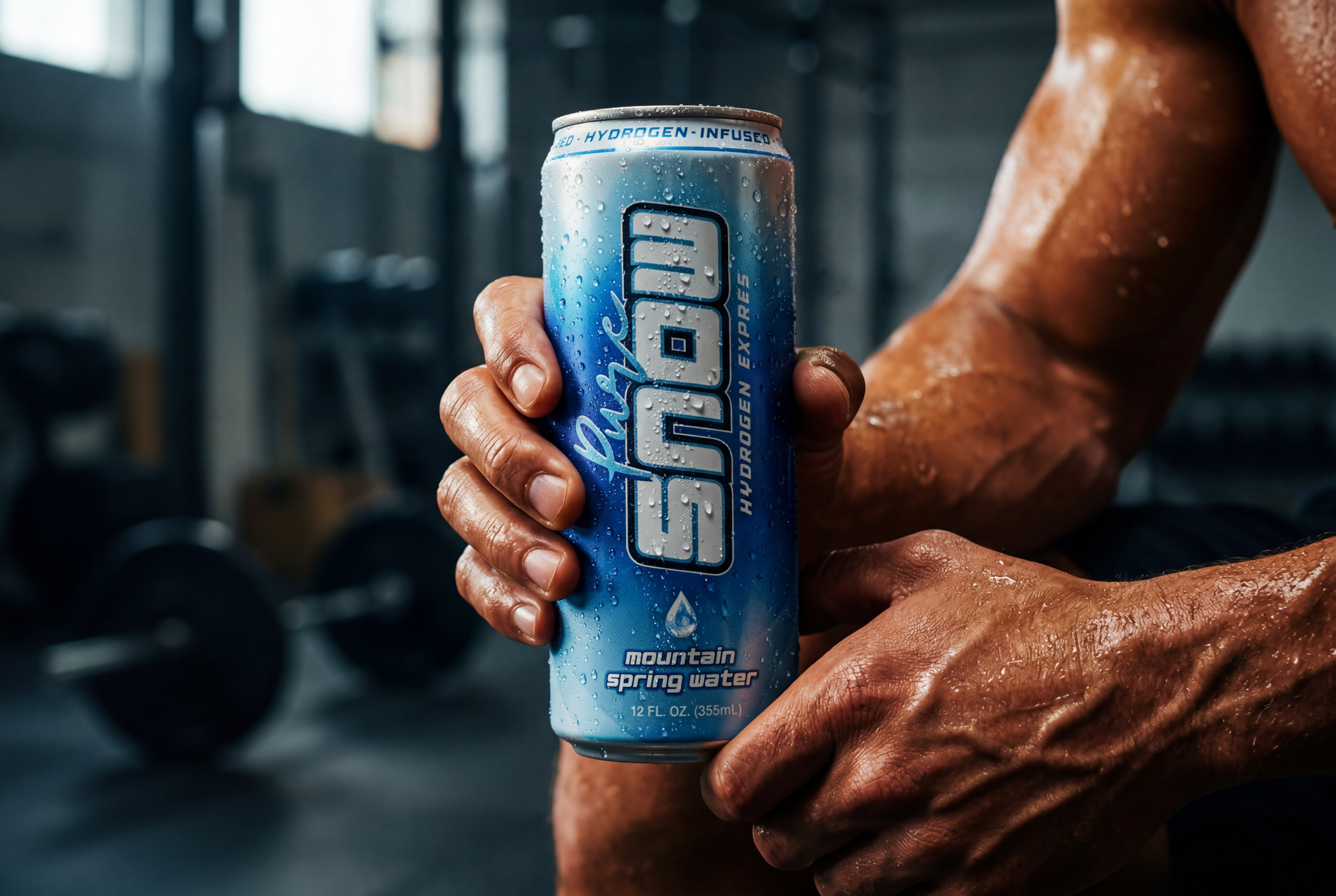
This is precisely why Pure Snow chose aluminum from day one. Our premium mountain spring water is infused with molecular hydrogen and sealed in aluminum cans specifically engineered to lock in potency, so the concentration you see is the concentration you drink. If you're curious about the engineering behind this, including what PPM means and how we measure it, our how it works page breaks down the full process.
HOW PURE SNOW STANDS APART IN THE CANNED HYDROGEN WATER MARKET
The canned hydrogen water category is growing, and not all cans are created equal. Here's what sets Pure Snow apart.
First, the source. We start with genuine mountain spring water, not municipal tap water run through a filter. The mineral profile and purity of the source water affect both taste and the stability of dissolved hydrogen.
Second, the infusion process. We infuse hydrogen under pressure to achieve a meaningful therapeutic-range concentration, then seal cans immediately with minimal headspace. Every step is designed around one goal: delivering real dissolved hydrogen to your glass, not just marketing claims to your screen.
Third, transparency. We tell you our concentration, we explain our methods, and we stand behind the science. The founders built this company because they saw too many hydrogen water products that leaked their key ingredient before anyone drank them, and you can read more about that journey on our story page.
Fourth, sustainability without compromise. Aluminum lets us deliver a premium, potent product while keeping our environmental footprint dramatically lower than single-use plastic alternatives.
WHAT TO LOOK FOR WHEN CHOOSING HYDROGEN WATER PACKAGING
If you take one shopping checklist away from this post, make it this. Choose aluminum cans or aluminum-lined packaging over standard plastic bottles. Look for brands that disclose their hydrogen concentration and explain how they maintain it. Check whether the product is sealed under pressure with minimal headspace. Prefer brands that are transparent about their water source. And be skeptical of any hydrogen water sold in clear PET bottles sitting on a warm shelf, because physics is working against that product every single day.
KEY TAKEAWAY: Molecular hydrogen escapes through plastic packaging within days, which means the container determines whether you actually get the benefits you paid for. Aluminum cans are impermeable to hydrogen, making them the most reliable format for preserving potency, and it's the reason Pure Snow is canned, not bottled.
Ready to taste hydrogen water the way it's meant to be delivered: potent, pure, and perfectly preserved in aluminum? Explore the full Pure Snow lineup and order your first cans today.
FAQ
Q: Why does hydrogen escape from plastic bottles?
A: Molecular hydrogen is the smallest molecule in existence, small enough to pass directly through the polymer structure of plastic. Over days and weeks, the dissolved hydrogen diffuses through the bottle walls and escapes through imperfect cap seals, leaving you with ordinary water.
Q: How long does hydrogen water stay potent in an aluminum can?
A: Because aluminum is impermeable to hydrogen gas, a properly sealed and pressurized can maintains its hydrogen concentration for months rather than days. For best results, drink the water soon after opening, since hydrogen begins escaping once the seal is broken.
Q: Is canned hydrogen water better for the environment than plastic bottles?
A: Yes. Aluminum is infinitely recyclable and about 75 percent of all aluminum ever produced is still in circulation, while most plastic bottles end up in landfills or oceans. Choosing cans supports both product potency and a lighter environmental footprint.
Back to BlogWHY PACKAGING MATTERS MORE FOR HYDROGEN WATER THAN ANY OTHER BEVERAGE
Molecular hydrogen (H2) is tiny. It's two hydrogen atoms bonded together, making it smaller than oxygen, smaller than carbon dioxide, and far smaller than the gaps between polymer chains in plastic. This is exactly what makes hydrogen so interesting as a wellness ingredient: its small size allows it to diffuse rapidly through the body, and research such as the landmark study published in Nature Medicine demonstrated that molecular hydrogen can act as a selective antioxidant, targeting harmful free radicals while leaving beneficial signaling molecules alone.
But that same small size is a packaging nightmare. Hydrogen gas dissolved in water wants to escape, and it will exploit any pathway available. Plastic, no matter how thick, is permeable to hydrogen at the molecular level. The gas literally passes through the walls of a plastic bottle over days and weeks, long before the expiration date on the label. You can buy a plastic bottle of hydrogen water that was infused at a respectable concentration and, by the time you drink it, be left with little more than ordinary water at a premium price.
THE PROBLEM WITH PLASTIC HYDROGEN WATER PACKAGING
Let's be specific about why plastic falls short. Standard PET plastic, the kind used in most bottled water, has a hydrogen permeability that makes it essentially unsuitable for maintaining dissolved H2 over any meaningful shelf life. Studies on hydrogen retention consistently show that hydrogen concentration in PET bottles drops significantly within days of bottling.
There are three core issues. First, permeability: hydrogen molecules diffuse directly through the plastic walls. Second, headspace loss: any air gap at the top of the bottle pulls hydrogen out of the water as it seeks equilibrium. Third, seal integrity: plastic caps rarely create a true gas-tight seal, giving hydrogen another escape route. The result is a product where the number printed on the label may bear little resemblance to the concentration in your glass.
Some brands attempt to solve this with multi-layer plastic pouches with aluminum liners, which perform better than bottles. But pouches come with their own drawbacks: they're awkward to drink from, difficult to recycle, and still depend heavily on seal quality.
WHY ALUMINUM CANS ARE THE GOLD STANDARD
Aluminum is fundamentally different. A properly manufactured aluminum can is an impermeable metal barrier. Hydrogen cannot diffuse through solid aluminum the way it slips through plastic polymers. When a can is filled, purged of oxygen, and sealed under pressure, the hydrogen has nowhere to go. This is why aluminum packaging can maintain hydrogen concentration for months rather than days.
There are additional advantages beyond retention. Aluminum blocks 100 percent of light, which protects water quality overall. Cans are infinitely recyclable, with roughly 75 percent of all aluminum ever produced still in use today, making them one of the most sustainable packaging formats available. And cans chill faster than plastic bottles, which matters because cold water holds dissolved gases, including hydrogen, more effectively than warm water.
This is precisely why Pure Snow chose aluminum from day one. Our premium mountain spring water is infused with molecular hydrogen and sealed in aluminum cans specifically engineered to lock in potency, so the concentration you see is the concentration you drink. If you're curious about the engineering behind this, including what PPM means and how we measure it, our how it works page breaks down the full process.
HOW PURE SNOW STANDS APART IN THE CANNED HYDROGEN WATER MARKET
The canned hydrogen water category is growing, and not all cans are created equal. Here's what sets Pure Snow apart.
First, the source. We start with genuine mountain spring water, not municipal tap water run through a filter. The mineral profile and purity of the source water affect both taste and the stability of dissolved hydrogen.
Second, the infusion process. We infuse hydrogen under pressure to achieve a meaningful therapeutic-range concentration, then seal cans immediately with minimal headspace. Every step is designed around one goal: delivering real dissolved hydrogen to your glass, not just marketing claims to your screen.
Third, transparency. We tell you our concentration, we explain our methods, and we stand behind the science. The founders built this company because they saw too many hydrogen water products that leaked their key ingredient before anyone drank them, and you can read more about that journey on our story page.
Fourth, sustainability without compromise. Aluminum lets us deliver a premium, potent product while keeping our environmental footprint dramatically lower than single-use plastic alternatives.
WHAT TO LOOK FOR WHEN CHOOSING HYDROGEN WATER PACKAGING
If you take one shopping checklist away from this post, make it this. Choose aluminum cans or aluminum-lined packaging over standard plastic bottles. Look for brands that disclose their hydrogen concentration and explain how they maintain it. Check whether the product is sealed under pressure with minimal headspace. Prefer brands that are transparent about their water source. And be skeptical of any hydrogen water sold in clear PET bottles sitting on a warm shelf, because physics is working against that product every single day.
KEY TAKEAWAY: Molecular hydrogen escapes through plastic packaging within days, which means the container determines whether you actually get the benefits you paid for. Aluminum cans are impermeable to hydrogen, making them the most reliable format for preserving potency, and it's the reason Pure Snow is canned, not bottled.
Ready to taste hydrogen water the way it's meant to be delivered: potent, pure, and perfectly preserved in aluminum? Explore the full Pure Snow lineup and order your first cans today.
FAQ
Q: Why does hydrogen escape from plastic bottles?
A: Molecular hydrogen is the smallest molecule in existence, small enough to pass directly through the polymer structure of plastic. Over days and weeks, the dissolved hydrogen diffuses through the bottle walls and escapes through imperfect cap seals, leaving you with ordinary water.
Q: How long does hydrogen water stay potent in an aluminum can?
A: Because aluminum is impermeable to hydrogen gas, a properly sealed and pressurized can maintains its hydrogen concentration for months rather than days. For best results, drink the water soon after opening, since hydrogen begins escaping once the seal is broken.
Q: Is canned hydrogen water better for the environment than plastic bottles?
A: Yes. Aluminum is infinitely recyclable and about 75 percent of all aluminum ever produced is still in circulation, while most plastic bottles end up in landfills or oceans. Choosing cans supports both product potency and a lighter environmental footprint.